Curated Prompt Pack
Anime Character Prompts
Curated anime character prompts for original heroes, costumes, expressions, character sheets, and game-inspired scenes.
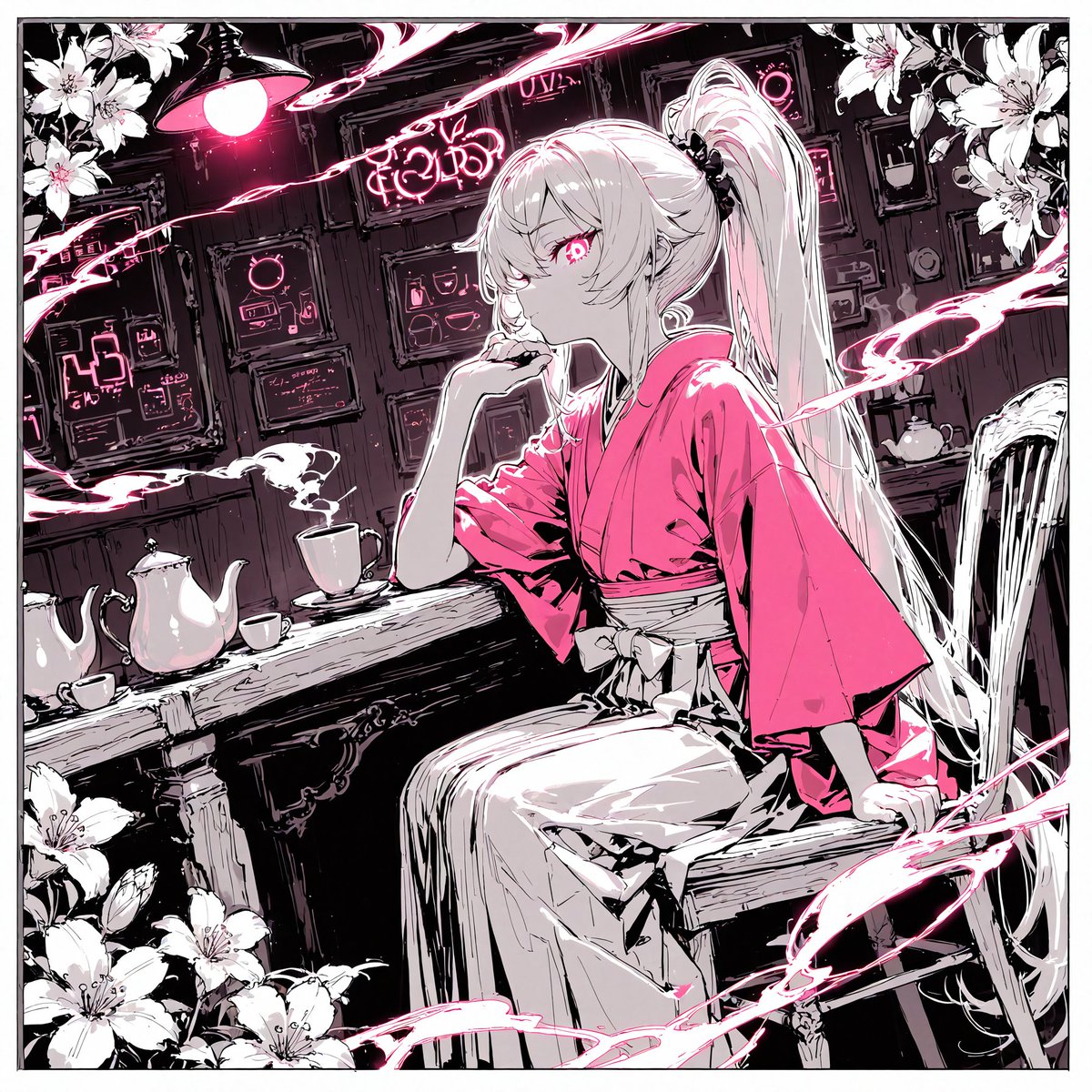
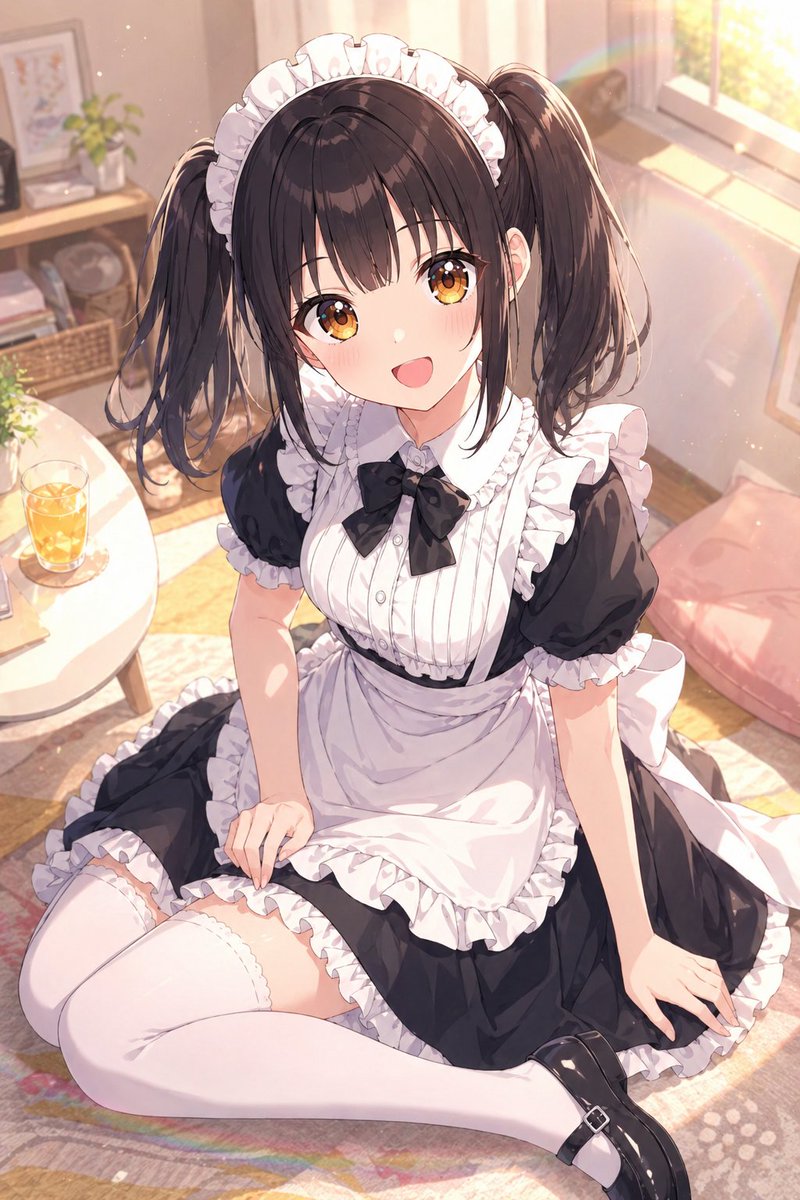
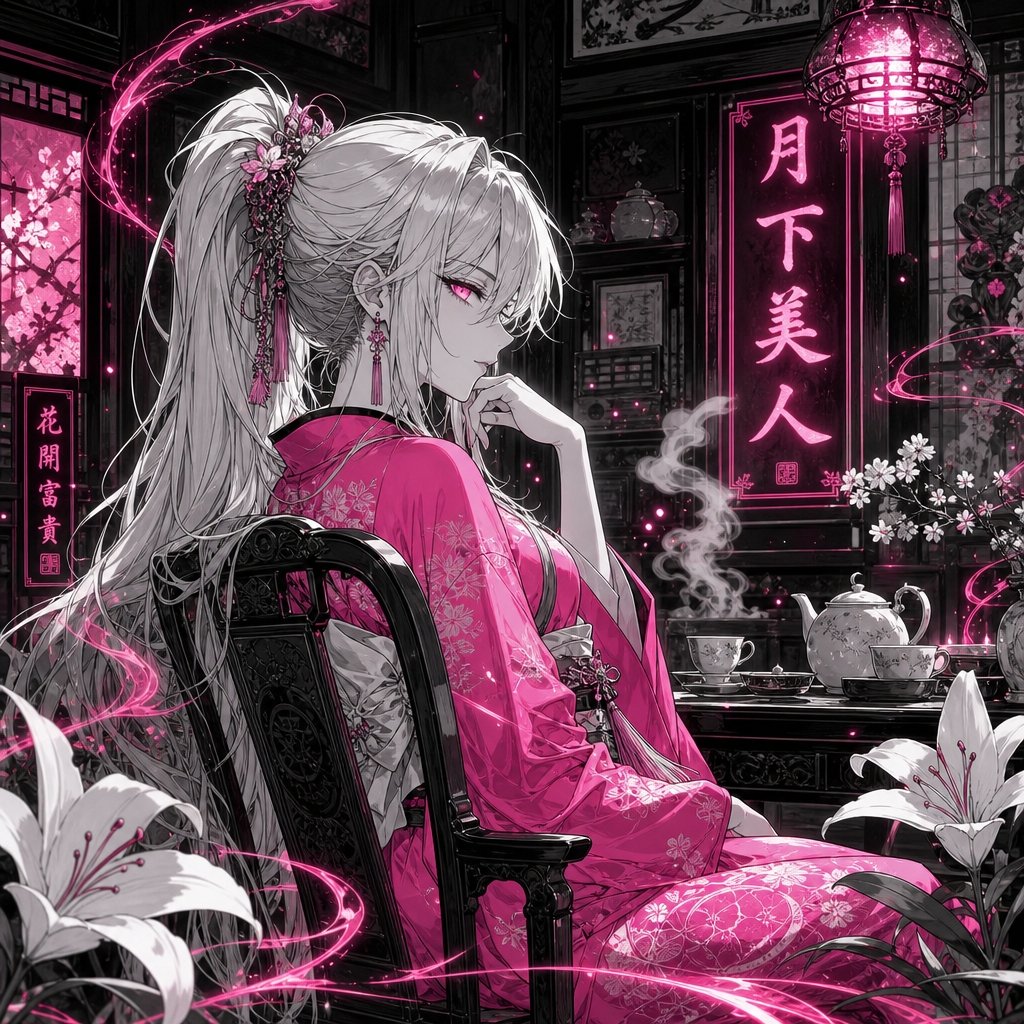
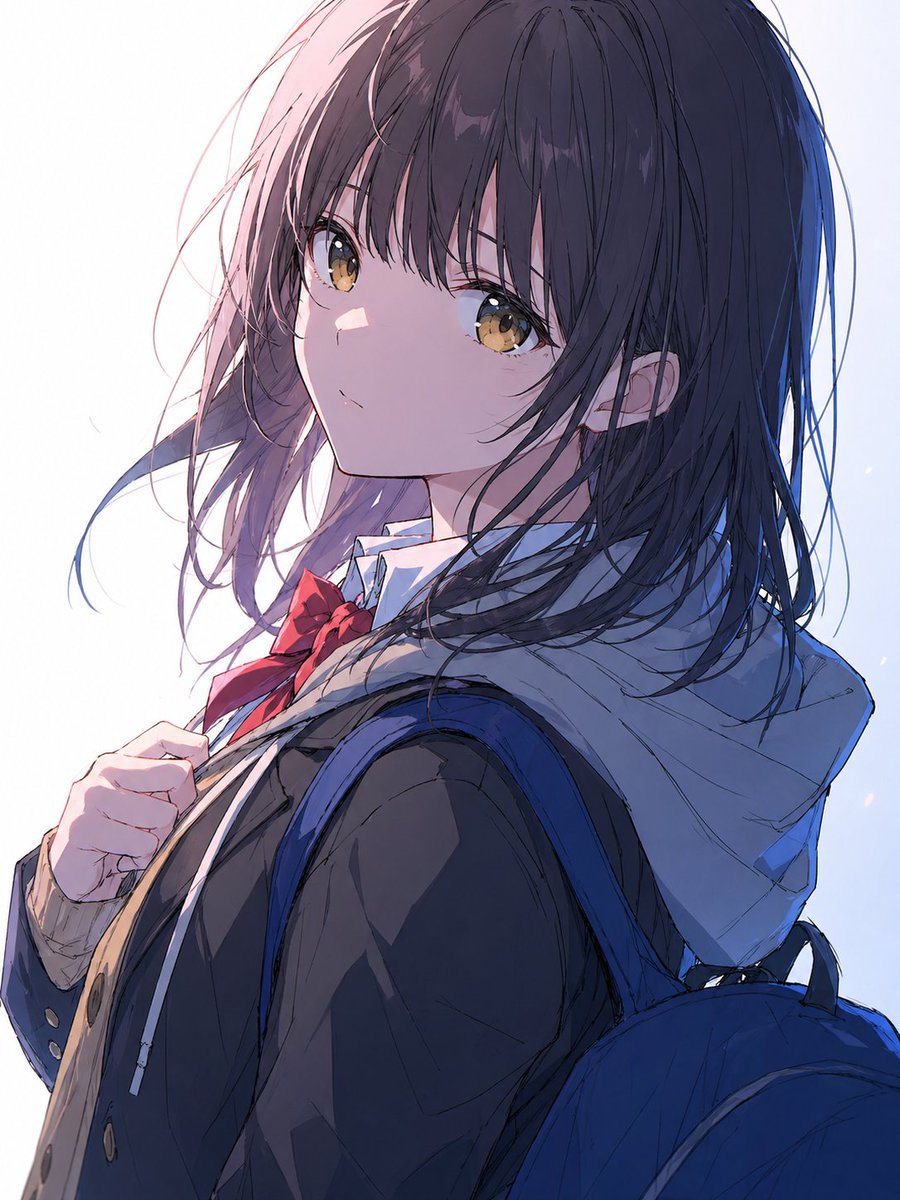
Anime character prompts are most useful when they describe an original person rather than naming an existing franchise. Establish the role, age range, personality, silhouette, body language, hairstyle, costume layers, materials, props, and color logic before adding rendering language. State whether the result is a portrait, full-body key art, turnaround sheet, expression study, or scene illustration. A concise design brief gives the model stable decisions to follow and makes later variants easier to compare than a prompt built from several character names and broad quality tags.
Use the curated examples to study how silhouette and costume communicate role. Keep the structural idea while replacing identity, profession, era, culture, palette, and equipment. For a reusable character, generate neutral front, side, and back views before action poses, and record recurring details such as eye color, fasteners, asymmetry, emblems, and material wear. Change one variable at a time when testing expressions or outfits. This reduces drift and helps a human illustrator identify which details belong in the final model sheet.
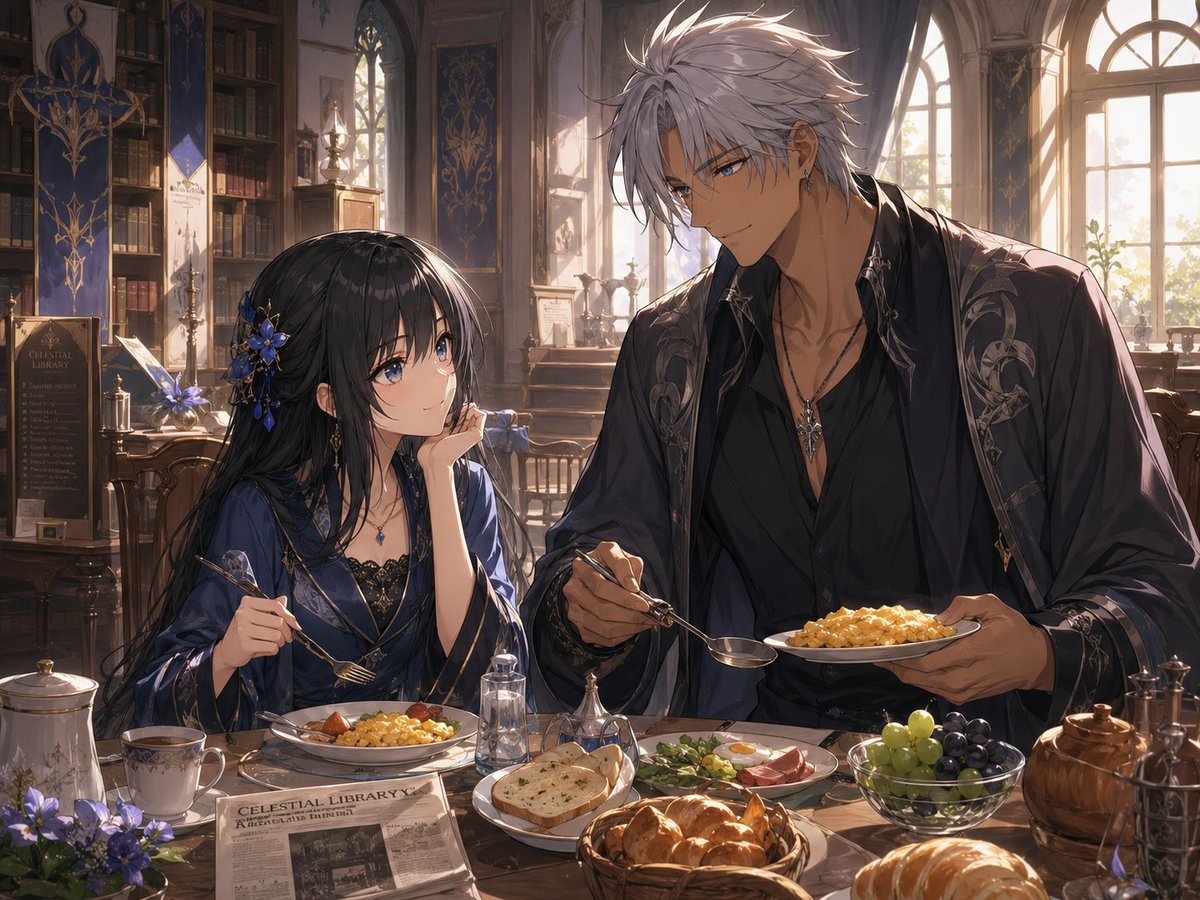
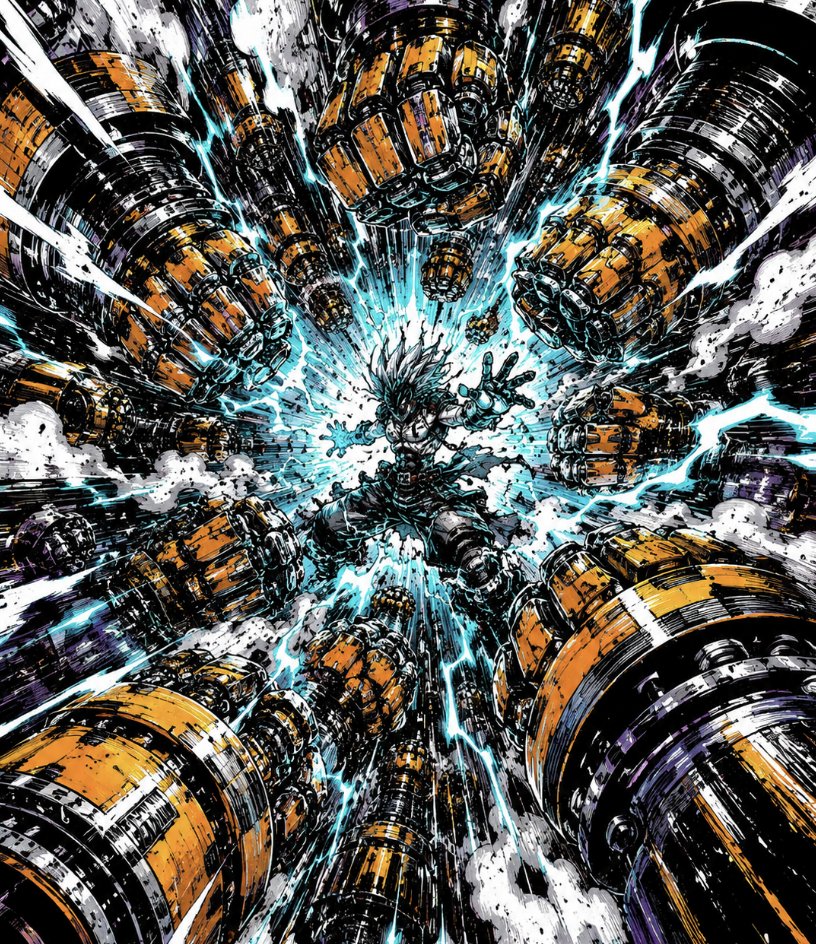
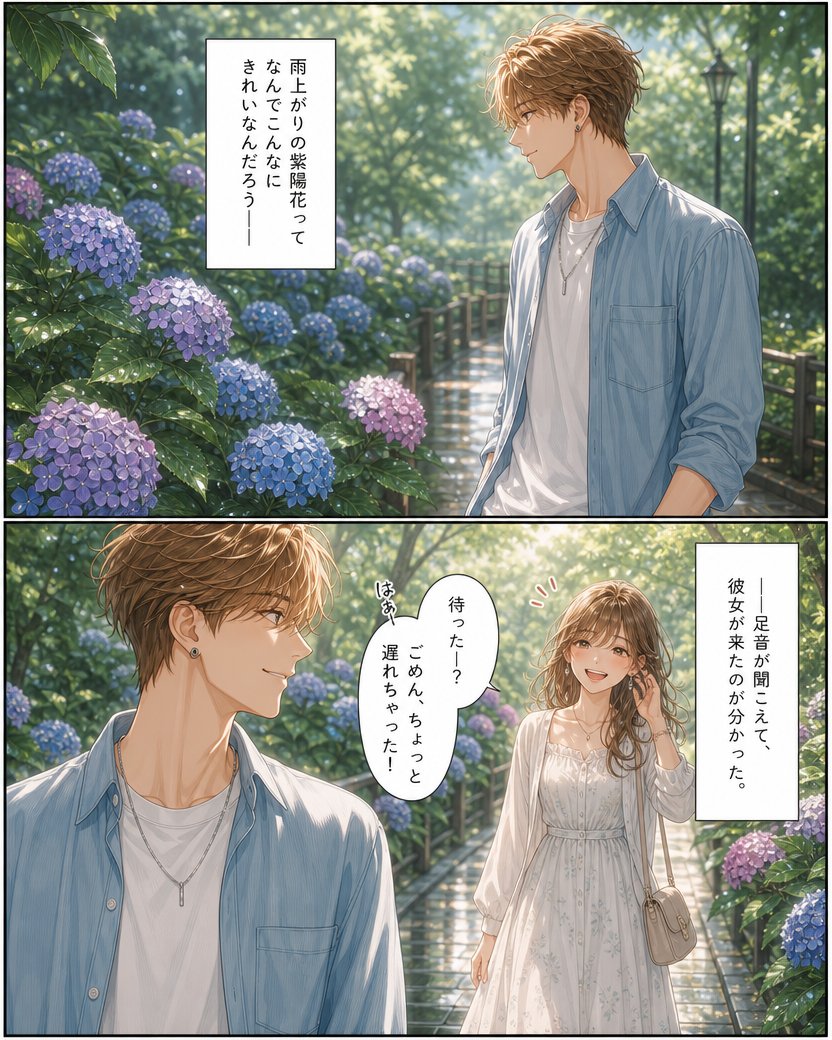
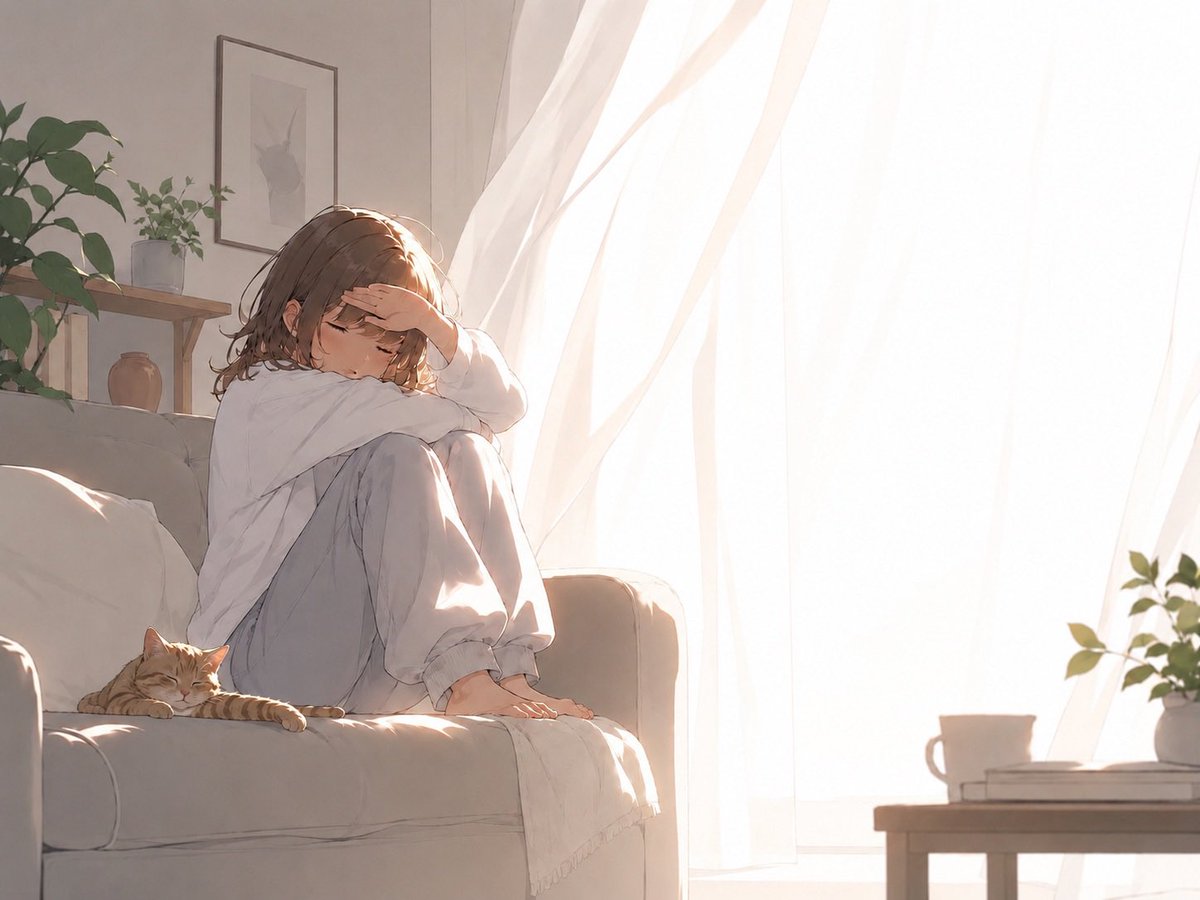
Scene prompts should separate character design from staging. Define the environment, time, weather, camera distance, action, and emotional beat without adding several unrelated events. Specify how hair, clothing, particles, and props respond to movement. If the image is for a game concept, leave readable space for interface or title elements and avoid treating generated text as final. Review hands, weapons, repeated accessories, costume continuity, perspective, and background figures before using an output as production reference.
Originality and rights review remain necessary. Do not request a protected character, studio house style, living artist imitation, or recognizable actor as a shortcut. Compare the result with well-known franchises for accidental similarity, remove borrowed insignia, and document the source cases used for inspiration. Cultural clothing and symbols need specific research rather than decorative mixing. Commercial teams should redraw and formalize selected concepts, confirm ownership terms, keep attribution and reuse notes, and run legal review before merchandising, publishing, or training downstream assets from the generated character.
Best use cases
- - Original character sheets
- - Game key art concepts
- - Expression and costume studies
- - Narrative scene illustrations
How to adapt these prompts
- - Replace role, silhouette, costume, and palette.
- - Lock stable details before generating poses or scenes.
- - Review franchise similarity, symbols, anatomy, and continuity.
Common mistakes
- - Naming protected characters as the main instruction.
- - Mixing unrelated costumes and cultural symbols.
- - Changing too many identity details between variants.
Selected prompt examples
Anime Character Prompts examples
Each case keeps real media, model routing, source attribution, and reuse cautions visible.
All prompts loaded
Prompt pack FAQ
Can I use anime character prompts commercially?
The page keeps source attribution and reuse cautions visible. Review the original source, brands, likenesses, logos, and third-party media before client or paid use.
How do I adapt anime character prompts?
Keep the prompt structure, then replace the subject, scene, aspect ratio, camera, style, and constraints. Re-check source and commercial risk after editing.
Why is this pack curated instead of exhaustive?
The pack only highlights selected cases, so IPG does not create large batches of thin indexed URLs after the spam update.