Curated Prompt Pack
Food Photography Prompts
Curated food photography prompts for menus, packaging concepts, editorial dishes, beverages, and restaurant campaigns.
Food photography prompts should make the dish physically understandable before they make it beautiful. Name the cuisine, ingredients, preparation, portion, vessel, garnish, temperature cues, surface, and serving context. Then describe camera angle, lens distance, focus plane, light direction, shadow softness, color temperature, and background restraint. A menu image, editorial spread, packaging concept, and social campaign have different requirements for scale, negative space, appetite appeal, and truthfulness, so include the intended channel early in the brief.
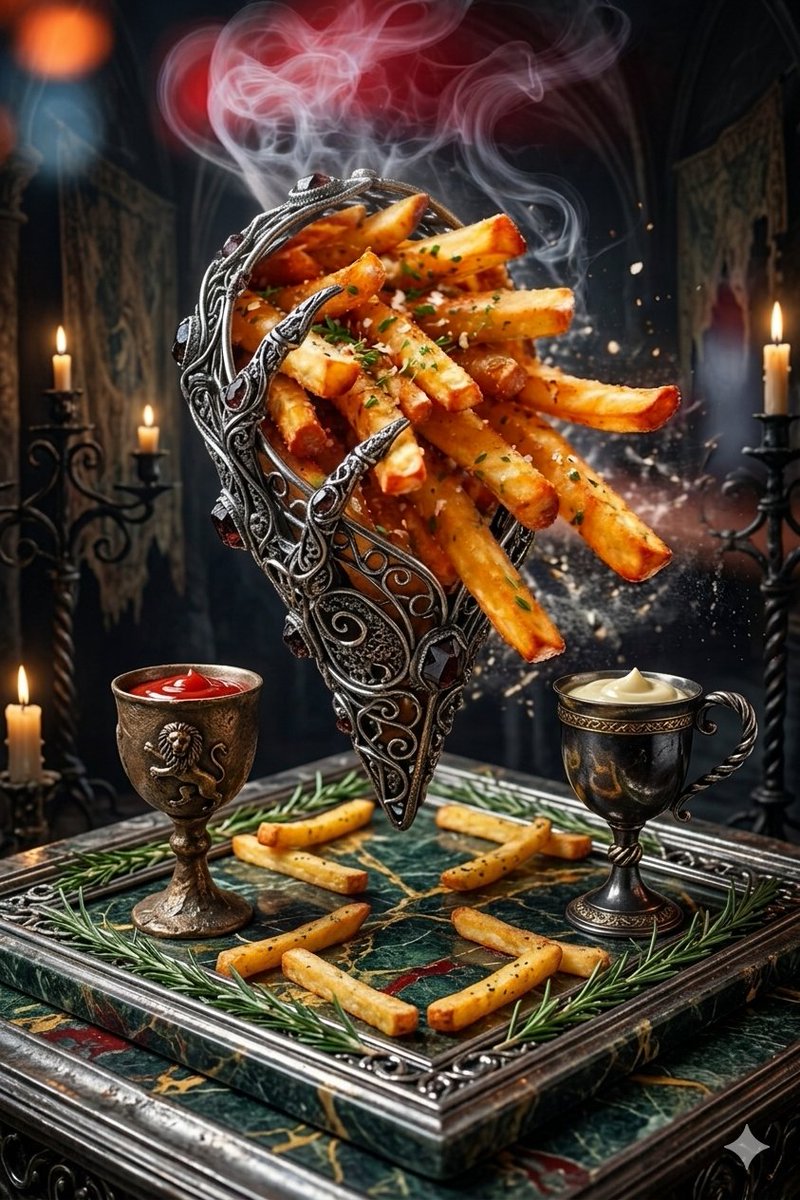
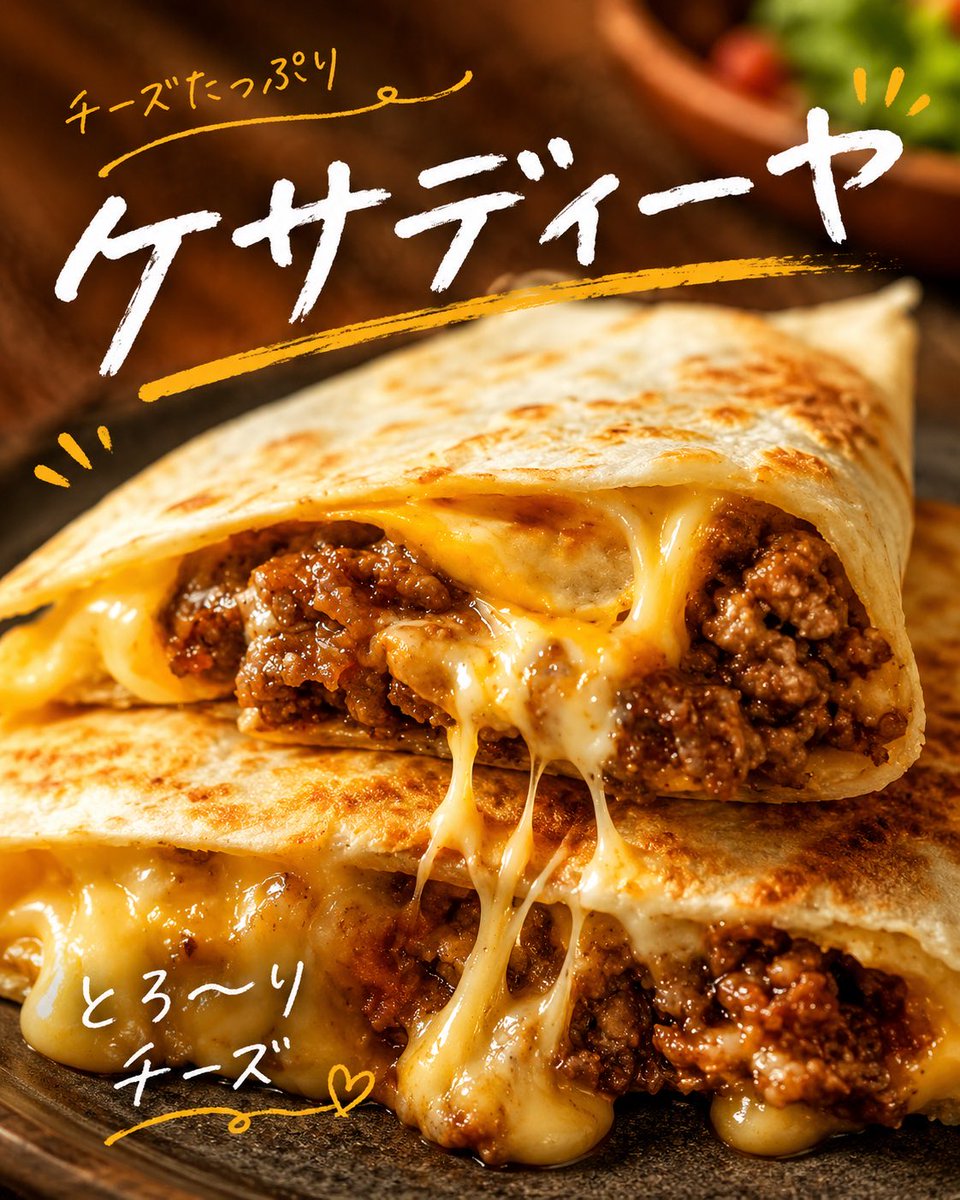
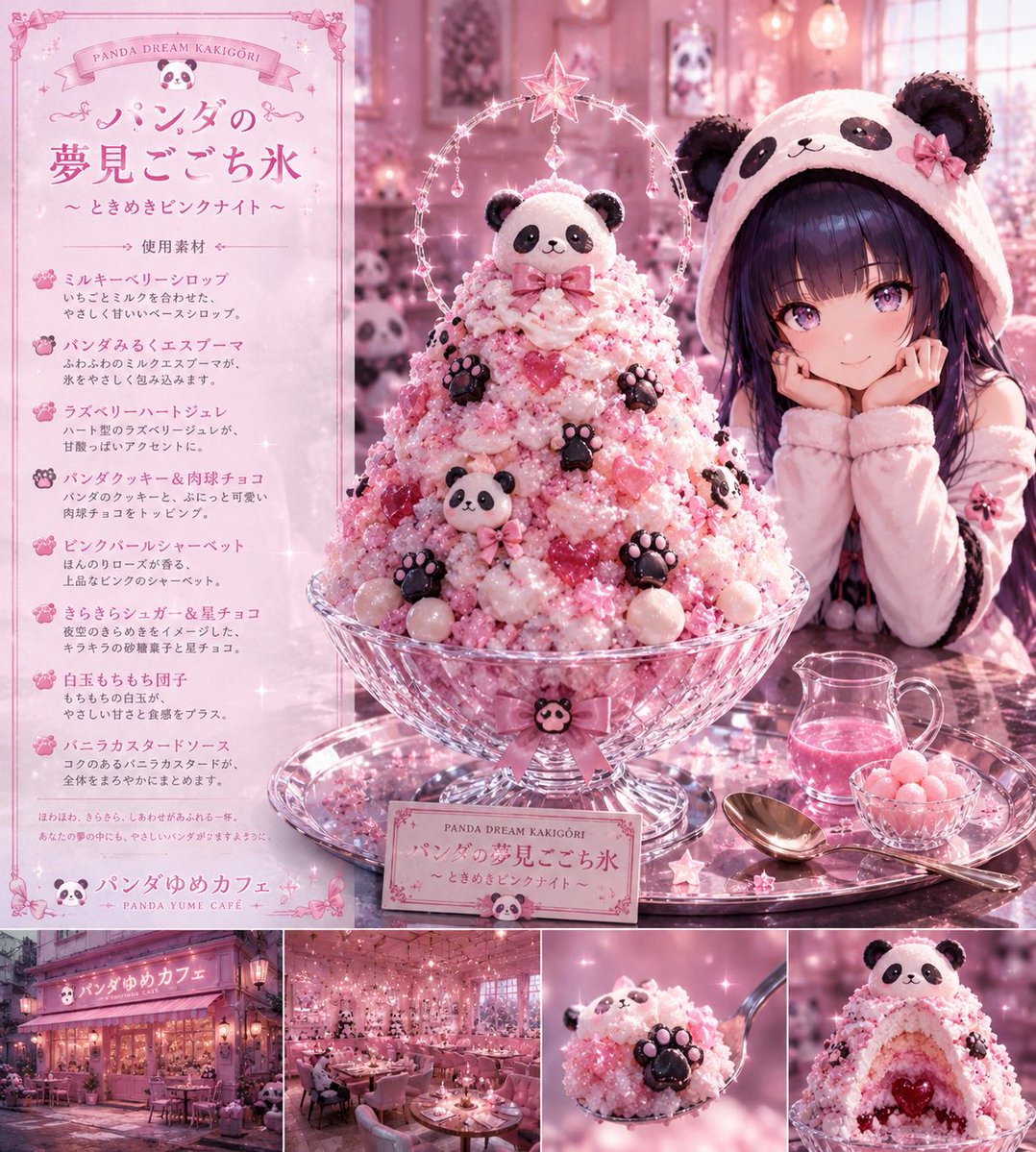
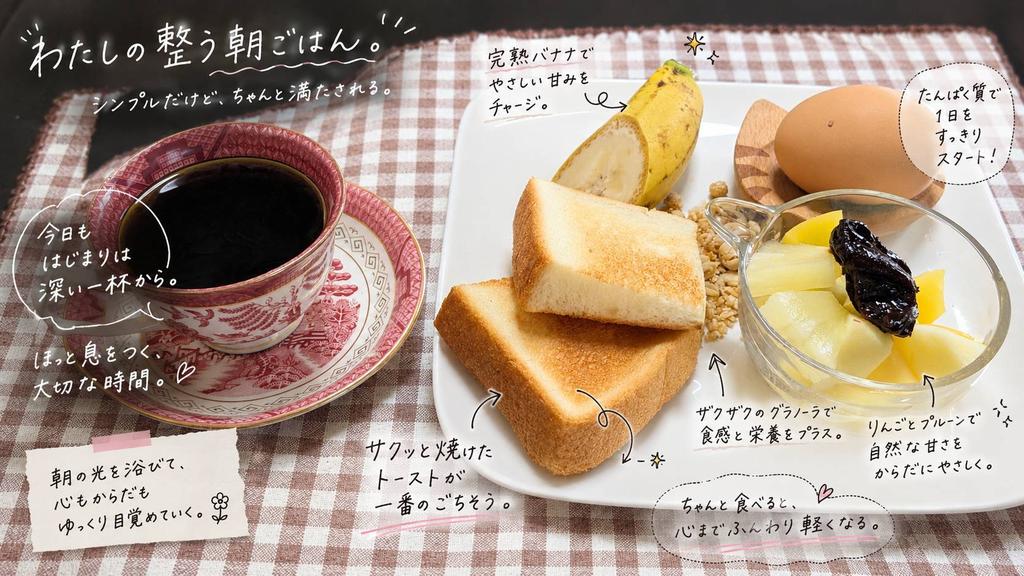
Use the selected cases as lighting and composition references, not as recipes or nutritional evidence. Preserve an overhead grid, three-quarter hero angle, macro texture shot, splash moment, or table scene while replacing the dish and audience. Adjust one factor per test: plate color, prop density, crop, steam, condensation, motion, or daylight direction. Compare results at the final display size. For a series, keep camera height, surface, tableware family, and light quality consistent so different menu items feel related without becoming identical.
Inspect food realism closely. Generated utensils can merge, ingredients may repeat or appear uncooked, liquids may ignore gravity, packaging can mutate, and garnishes may not match the recipe. Do not publish allergens, ingredients, portion sizes, health benefits, origin claims, or prices based on the image. Use approved product and recipe references to direct manual compositing or reshooting when accuracy matters. Final menu typography, legal labels, nutrition panels, and promotional copy belong in a controlled design workflow.
Rights and cultural context also matter. Avoid copying a restaurant's signature presentation, trademarked packaging, or a photographer's recognizable campaign. Represent regional dishes with researched ingredients and serving conventions rather than combining decorative stereotypes. Confirm licenses for source images and props, remove accidental brands, and obtain client approval for any visual difference from the sold product. Keep prompt, model, settings, source attribution, commercial-use note, and retouching record with the asset so teams can explain what was generated and what was verified.
Best use cases
- - Menu and delivery visuals
- - Beverage and packaging concepts
- - Editorial recipe imagery
- - Restaurant campaign moodboards
How to adapt these prompts
- - Replace dish, serving context, and channel.
- - Tune angle, surface, props, light, and temperature cues.
- - Verify ingredients, claims, packaging, and cultural details.
Common mistakes
- - Using generated food as ingredient evidence.
- - Adding impossible utensils or liquid behavior.
- - Publishing labels and nutrition text from the model.
Selected prompt examples
Food Photography Prompts examples
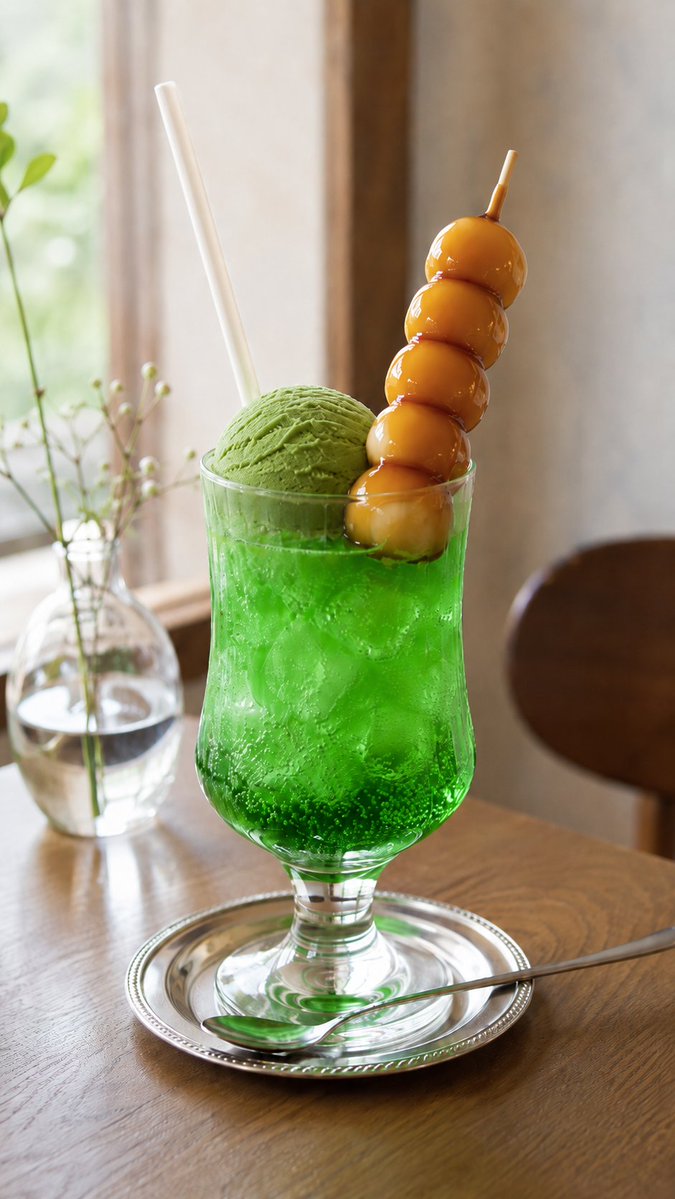
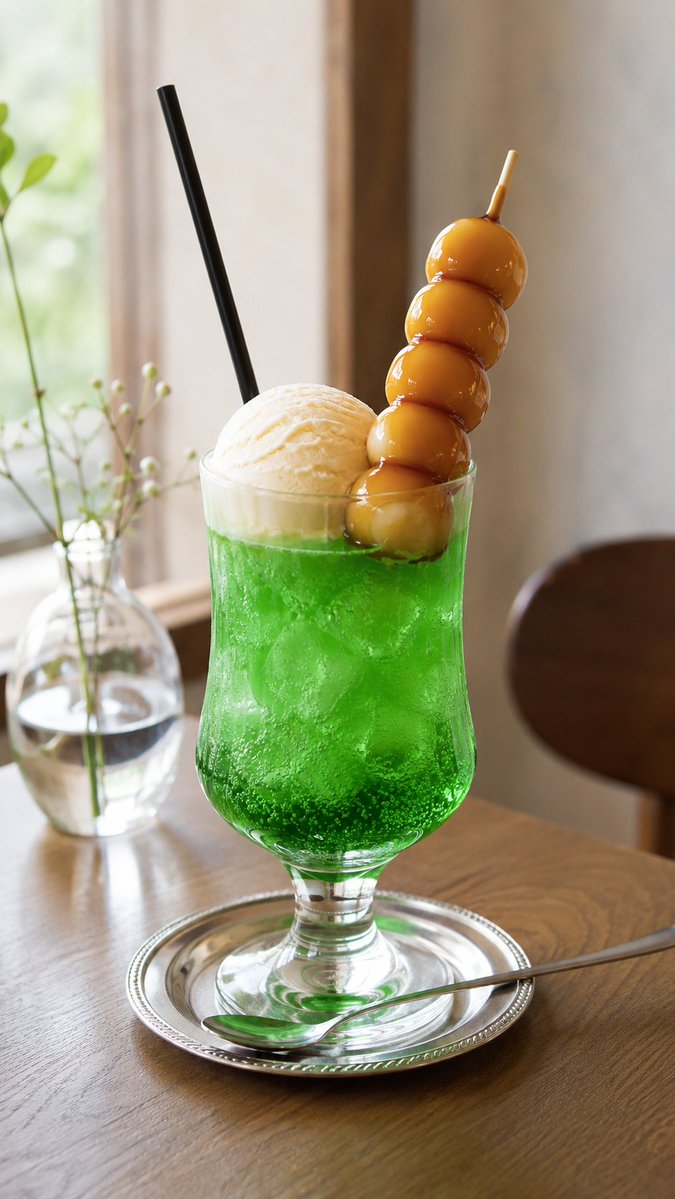
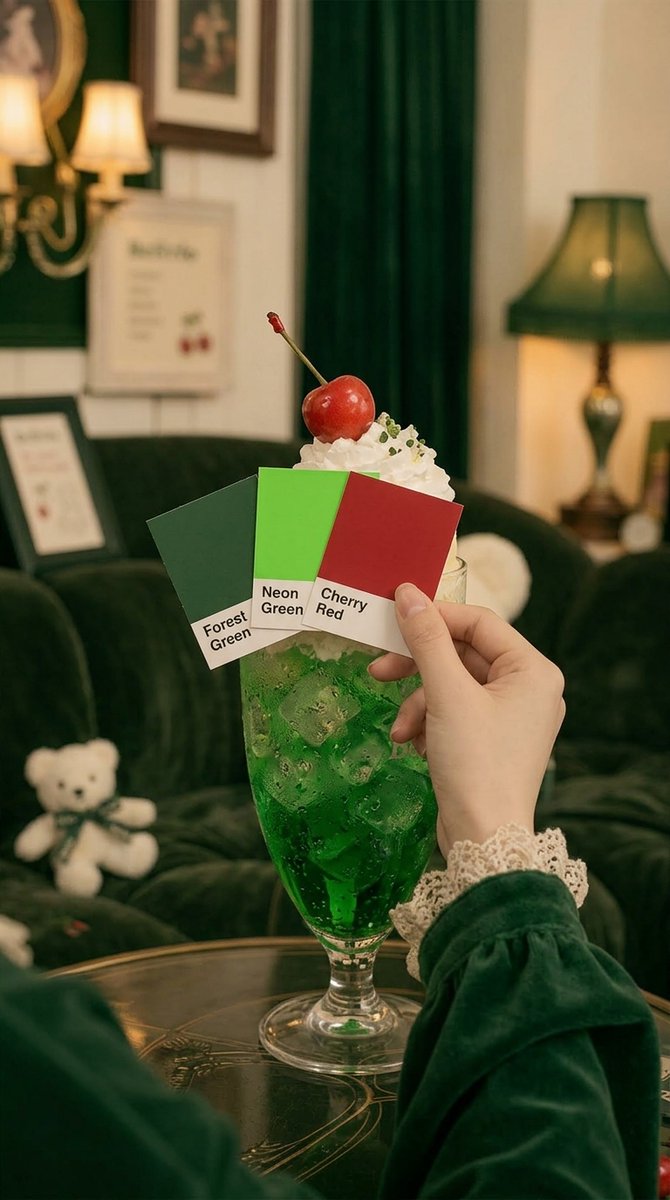
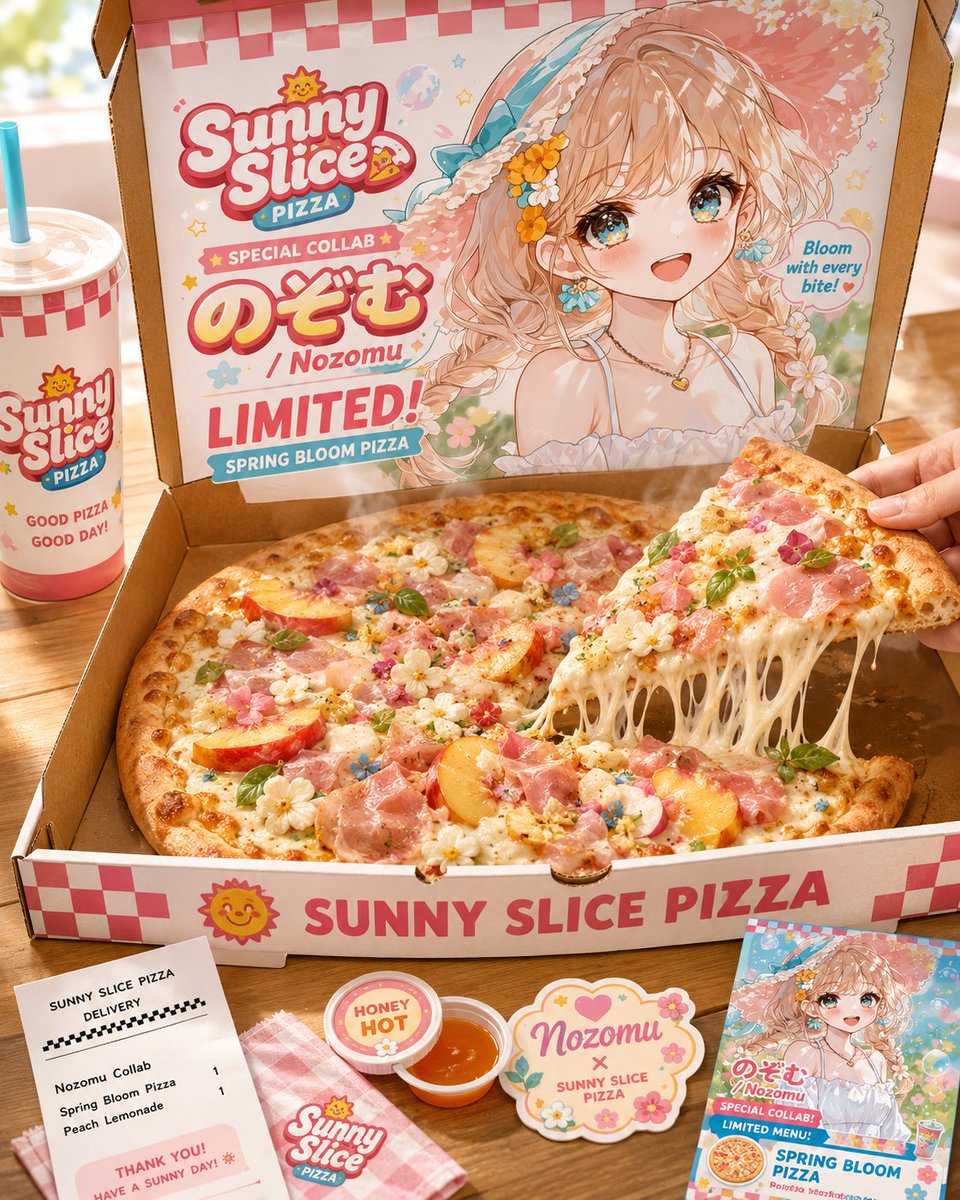
Each case keeps real media, model routing, source attribution, and reuse cautions visible.
All prompts loaded
Prompt pack FAQ
Can I use food photography prompts commercially?
The page keeps source attribution and reuse cautions visible. Review the original source, brands, likenesses, logos, and third-party media before client or paid use.
How do I adapt food photography prompts?
Keep the prompt structure, then replace the subject, scene, aspect ratio, camera, style, and constraints. Re-check source and commercial risk after editing.
Why is this pack curated instead of exhaustive?
The pack only highlights selected cases, so IPG does not create large batches of thin indexed URLs after the spam update.