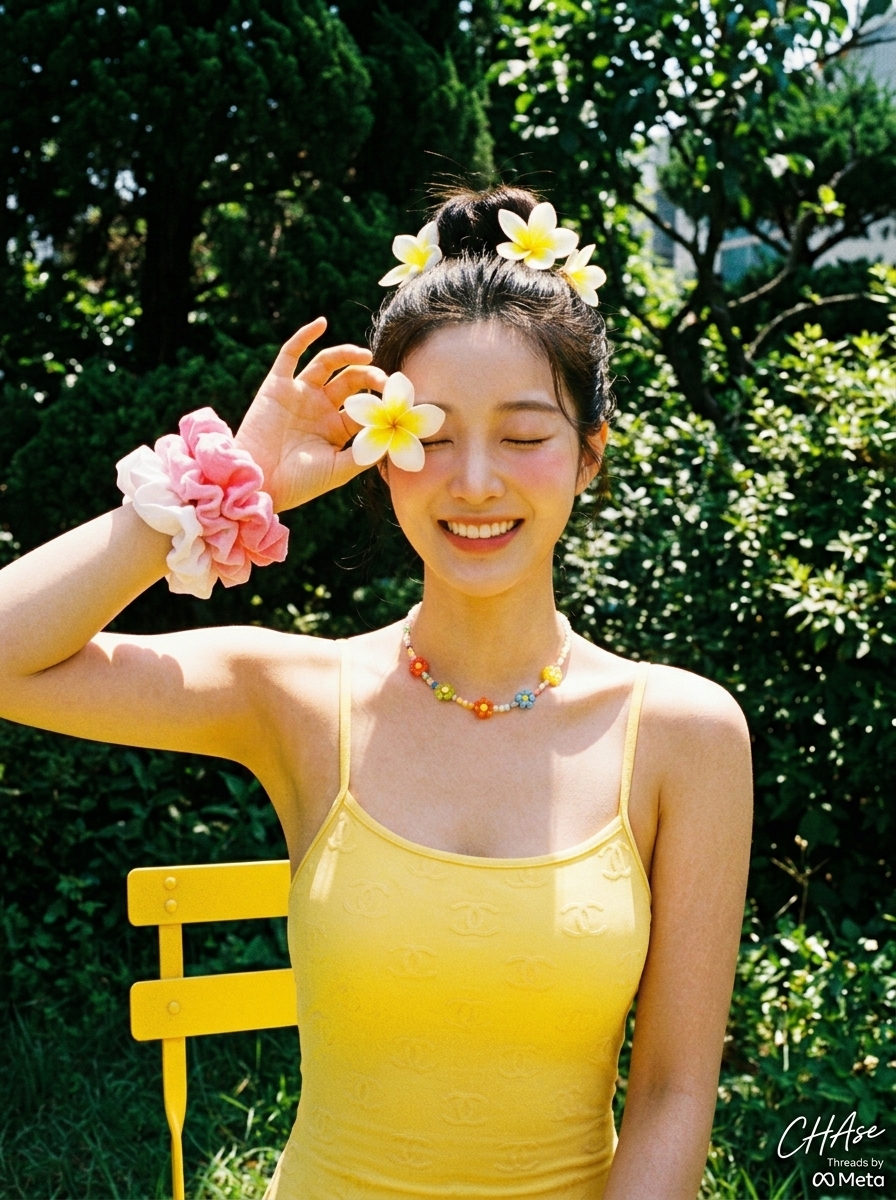
Curated Prompt Pack
Portrait Character Prompts
AI portrait and original character prompt examples with pose, wardrobe, lighting, camera, and likeness-risk cautions.
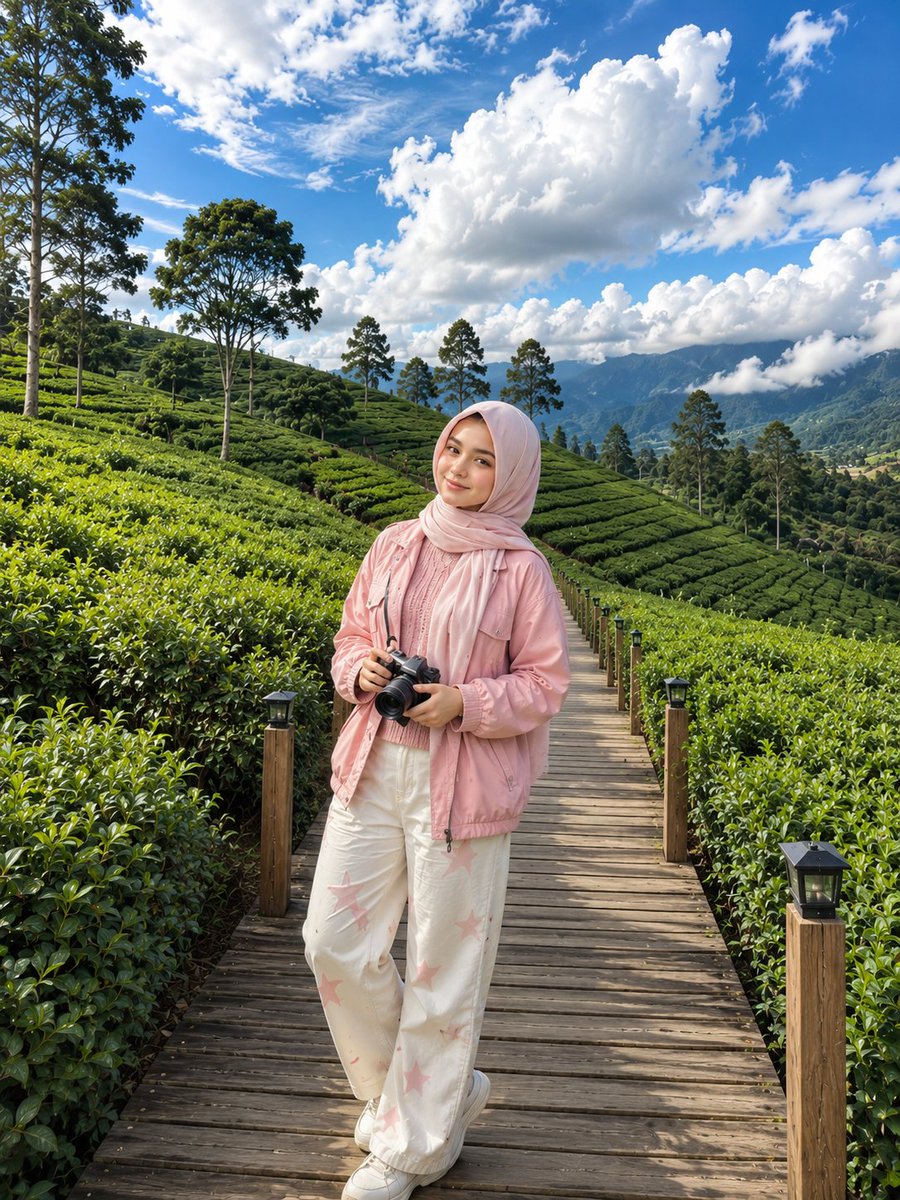
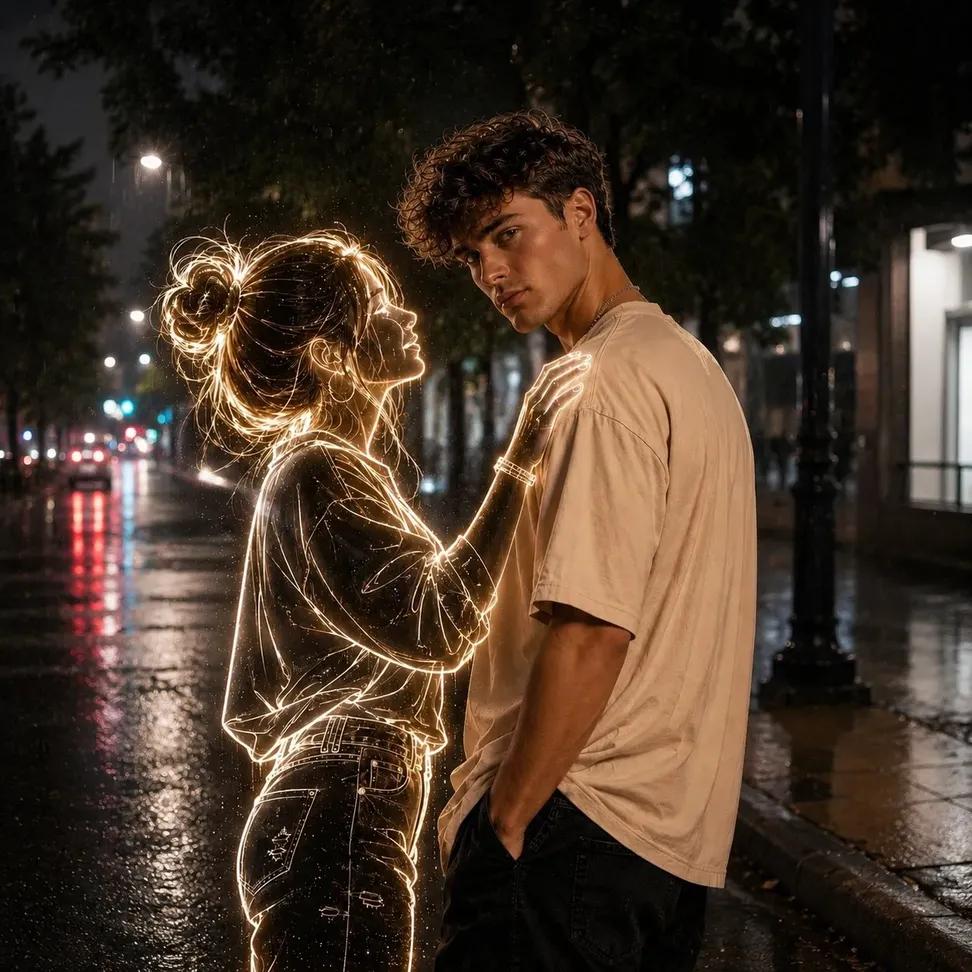
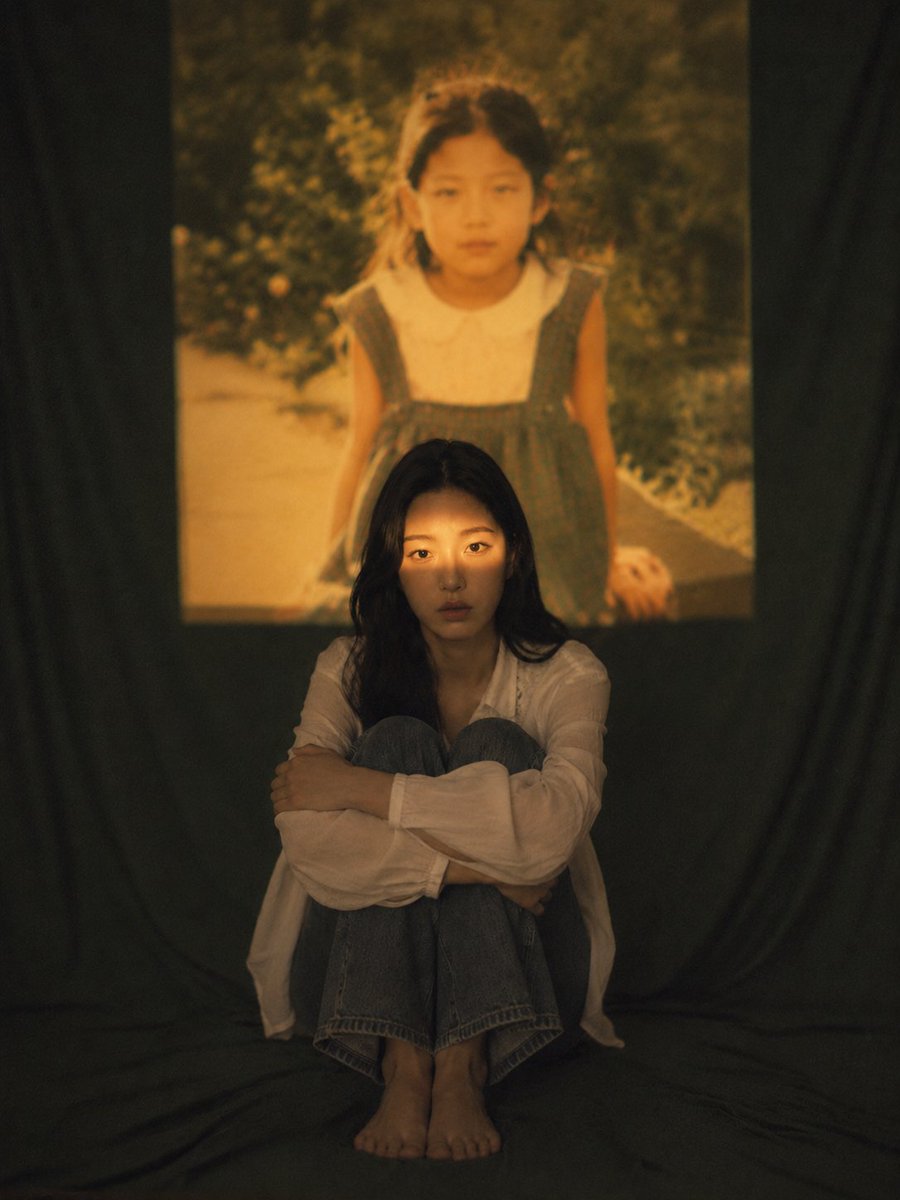
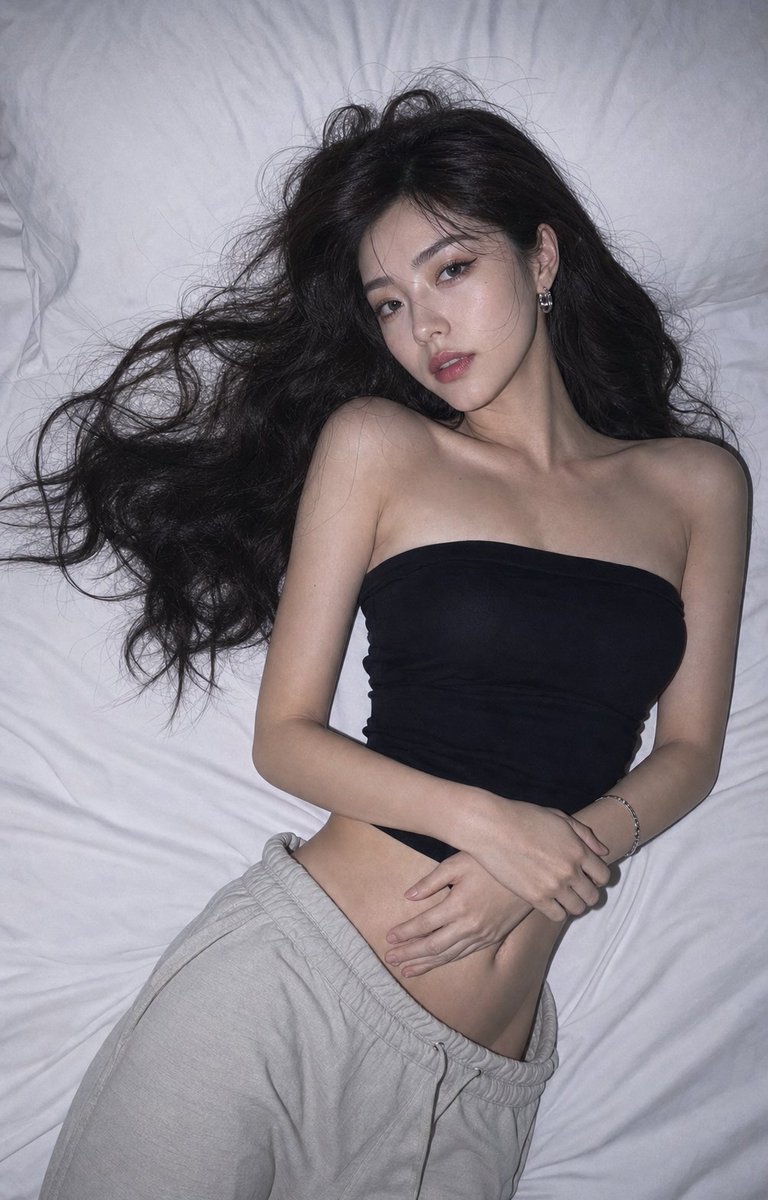
Portrait prompts need identity-safe wording. Good examples define original characters, role, expression, wardrobe, pose, camera distance, lighting, and background without relying on protected likenesses.
Use this pack to compare how small changes in expression, clothing, crop, and lighting alter the result, then review model-release, celebrity, private-person, and endorsement risks before commercial use.
Build the subject from observable creative choices rather than a real person's name. State an approximate age range, fictional role, expression, posture, wardrobe materials, grooming, and a few distinctive but non-identifying features. Add the shot size, camera height, lens feel, depth of field, key-light direction, fill level, background, and color relationship. If continuity matters across a series, keep a stable character sheet and change one variable at a time. This produces a more controllable original character than combining several celebrity references or relying on a broad style label.
Match the prompt to its intended use. A profile image needs a simple silhouette and readable face at small scale; an editorial portrait can use stronger gesture, environment, and narrative detail; a character sheet needs neutral views and consistent clothing; a beauty concept needs careful material, skin, and lighting language without making medical claims. Compare the curated cases for crop and lighting patterns, then adapt the subject, role, and context. Review hands, accessories, eye direction, reflections, and background people before selecting an output for further work.
Identity and consent checks remain essential even for synthetic-looking results. Do not use private reference photos, celebrity likenesses, or culturally specific dress without appropriate permission and context. Avoid presenting a generated person as a real employee, customer, expert, or endorser. For commercial campaigns, document whether a model release, disclosure, or additional legal review is required in the target market. Keep the case source and commercial-use note with the asset, remove accidental logos, and use human retouching for final anatomy, typography, product interaction, and accessibility needs.
Best use cases
- - Original character sheets
- - Editorial portraits
- - Creator profiles
- - Fashion and beauty concepts
How to adapt these prompts
- - Change role, pose, wardrobe, and lighting first.
- - Keep identity generic unless rights are cleared.
- - Avoid implying real-person endorsement.
Common mistakes
- - Requesting celebrity likenesses.
- - Using private-person references without rights.
- - Ignoring age and endorsement constraints.
Selected prompt examples
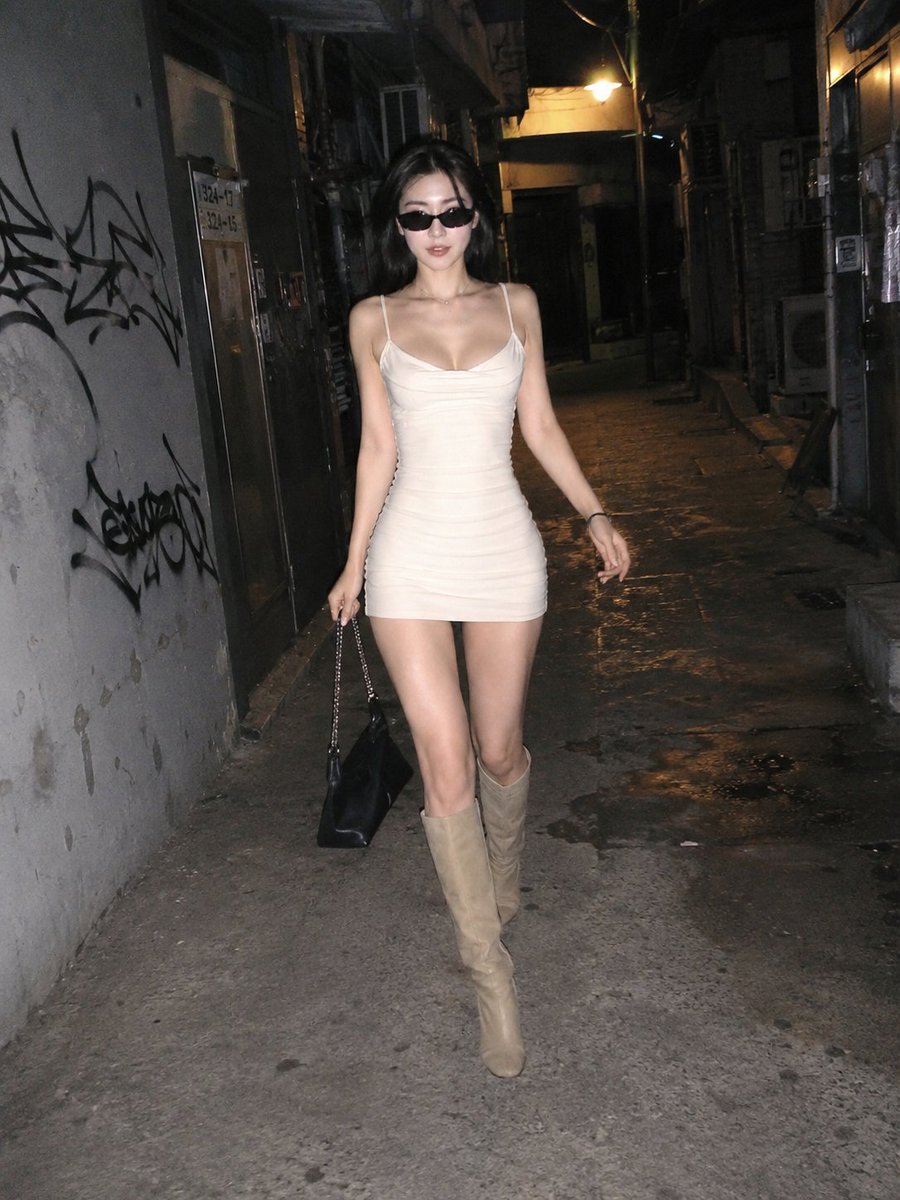
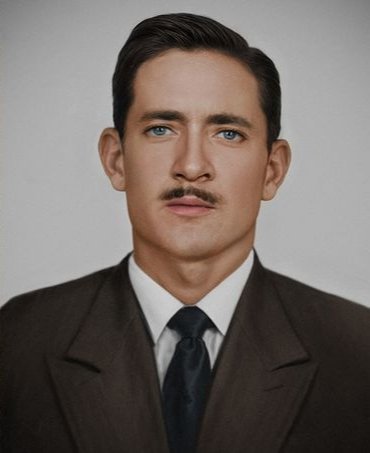
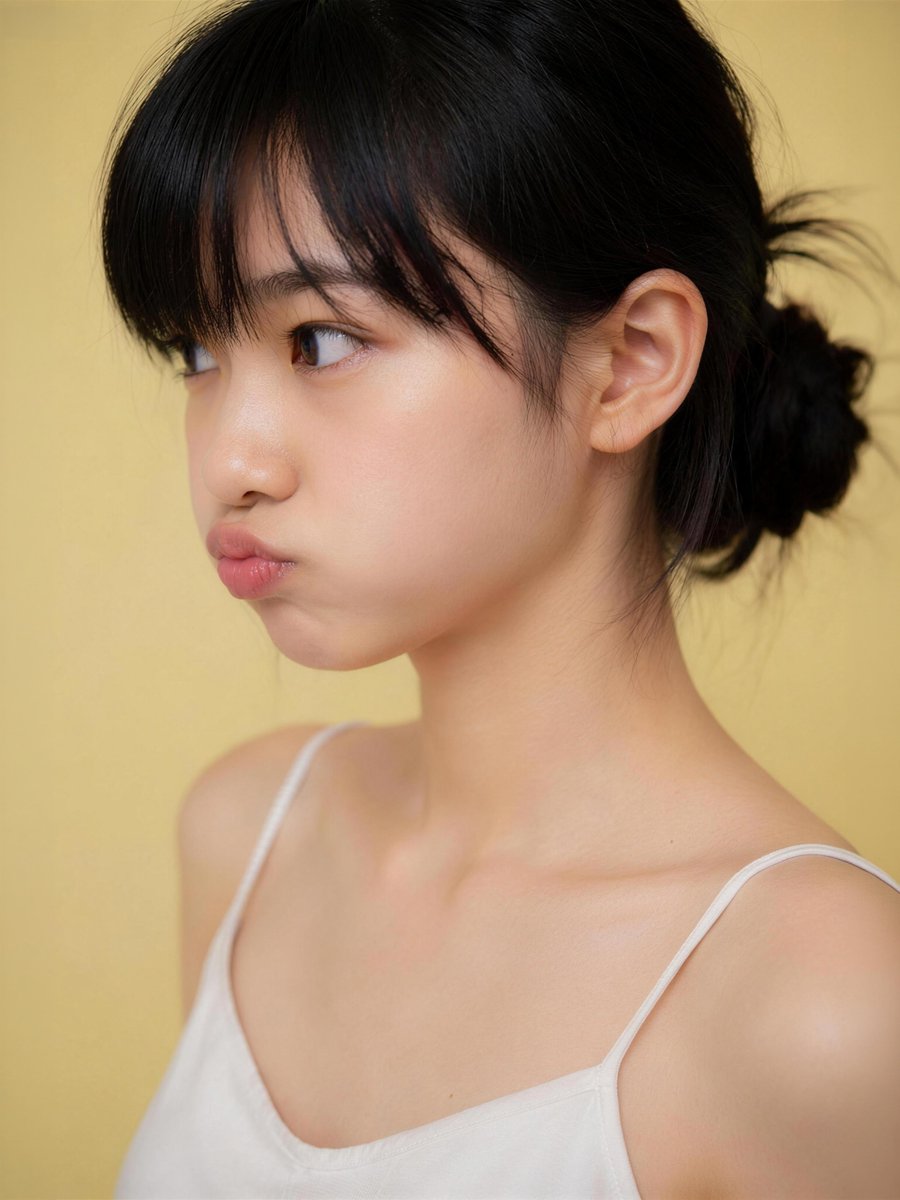
Portrait Character Prompts examples
Each case keeps real media, model routing, source attribution, and reuse cautions visible.
All prompts loaded
Prompt pack FAQ
Can I use portrait character prompts commercially?
The page keeps source attribution and reuse cautions visible. Review the original source, brands, likenesses, logos, and third-party media before client or paid use.
How do I adapt portrait character prompts?
Keep the prompt structure, then replace the subject, scene, aspect ratio, camera, style, and constraints. Re-check source and commercial risk after editing.
Why is this pack curated instead of exhaustive?
The pack only highlights selected cases, so IPG does not create large batches of thin indexed URLs after the spam update.