Curated Prompt Pack
Interior Design Prompts
Curated interior design prompts for room concepts, material studies, hospitality spaces, retail environments, and architectural moodboards.
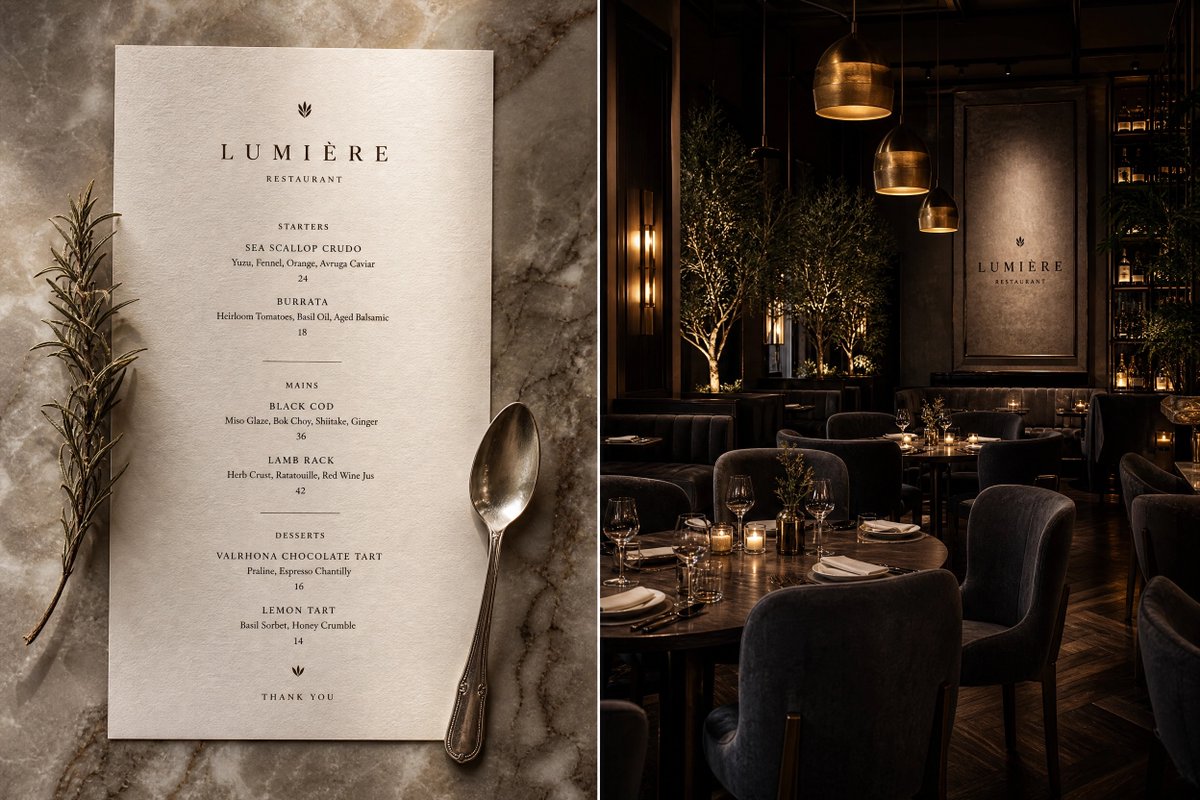
Interior design prompts become useful when they describe a space as a system rather than a style collage. State the room type, occupants, activities, dimensions or proportions, circulation, openings, daylight direction, fixed elements, furniture zones, storage, materials, and desired atmosphere. Then add camera position, eye height, lens width, and view direction. A residential room, restaurant, hotel lobby, retail display, and workplace each has different needs for privacy, durability, maintenance, accessibility, acoustics, and code compliance, so include the intended use before decorative references.
Use the curated cases to compare spatial organization, material relationships, and lighting. Preserve a layout idea while changing program, climate, budget level, or palette. Test one view from the entry and another from the primary activity zone instead of asking for an impossible panoramic room. Keep structural columns, windows, doors, stairs, and built-ins consistent across variants. When exploring finishes, describe actual material scale, joint pattern, reflectance, wear, and edge treatment. This produces a stronger design conversation than listing many luxury materials without construction logic.
Generated interiors are visual concepts, not measured drawings. Check circulation width, door swing, stair geometry, furniture scale, headroom, daylight, ventilation, egress, accessibility, electrical locations, wet-area safety, and maintenance assumptions with qualified professionals. The model can invent unsupported structures, duplicate fixtures, conceal services, or show materials used in unsafe ways. Rebuild selected ideas in design and building-information tools using surveyed dimensions and verified products. Do not quote cost, performance, sustainability, or code compliance from the image alone.
Review ownership and representation before external use. Avoid copying a living designer's signature project, a hotel's protected trade dress, or a property image without permission. Remove branded furniture and artwork unless licensed, and research cultural or historic motifs in context. For client work, document which references were supplied, which elements were generated, and which decisions were validated by architects, engineers, or vendors. Keep source attribution and commercial-use cautions attached, and use the final render only after material, product, safety, accessibility, and disclosure reviews are complete.
Best use cases
- - Residential room concepts
- - Hospitality and retail moodboards
- - Material and lighting studies
- - Early architectural visualization
How to adapt these prompts
- - Replace program, occupants, dimensions, and circulation.
- - Tune materials, daylight, artificial light, and camera position.
- - Validate scale, structure, code, products, and accessibility.
Common mistakes
- - Treating a generated image as a measured plan.
- - Ignoring doors, circulation, services, and code.
- - Copying signature spaces or unlicensed products.
Selected prompt examples
Interior Design Prompts examples
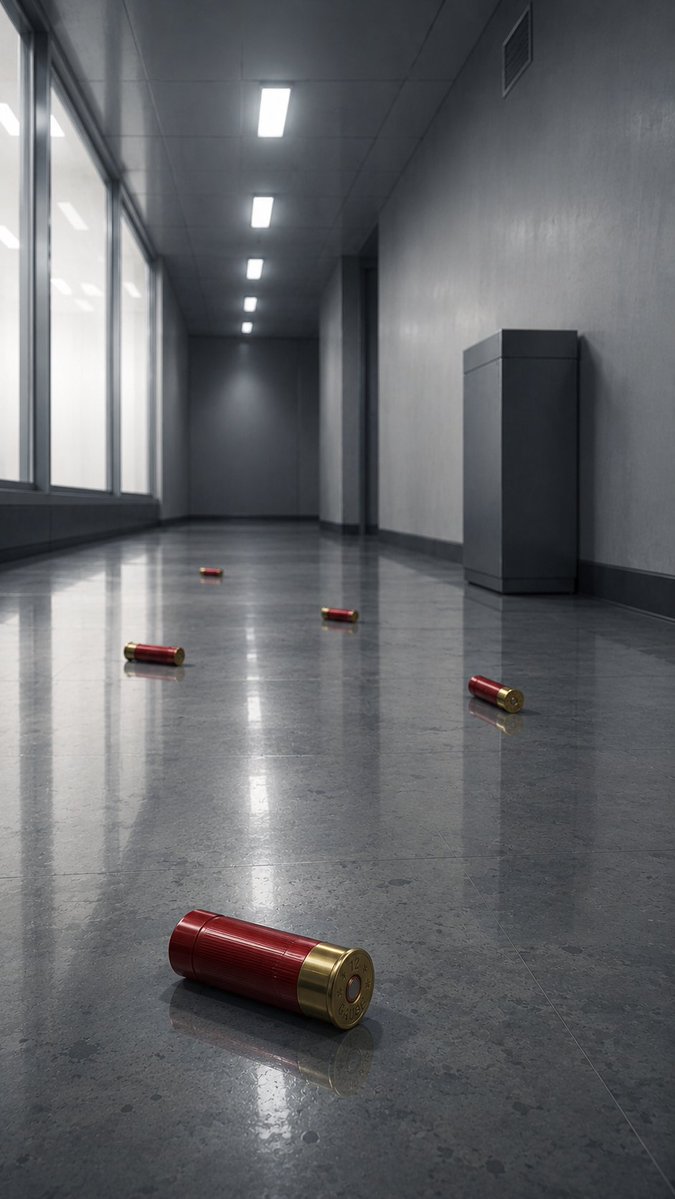
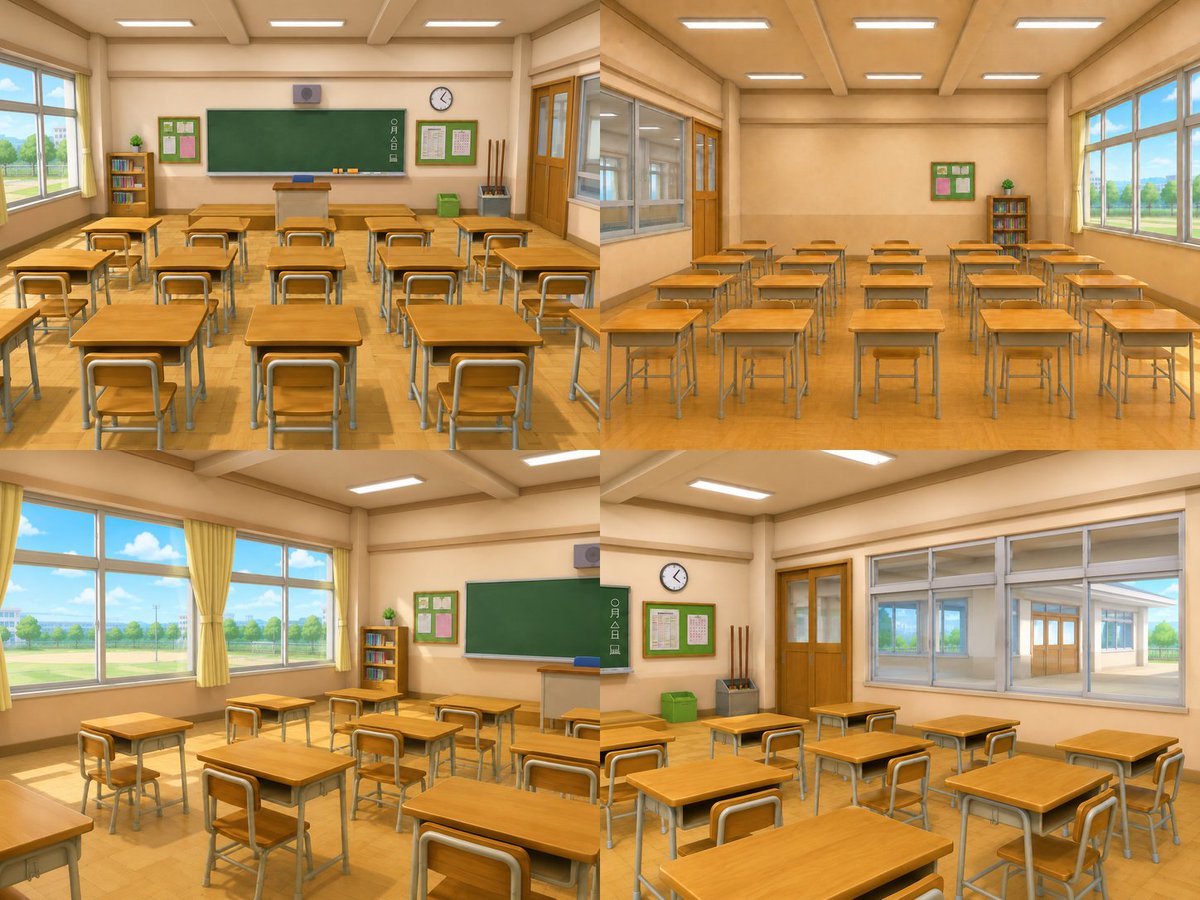
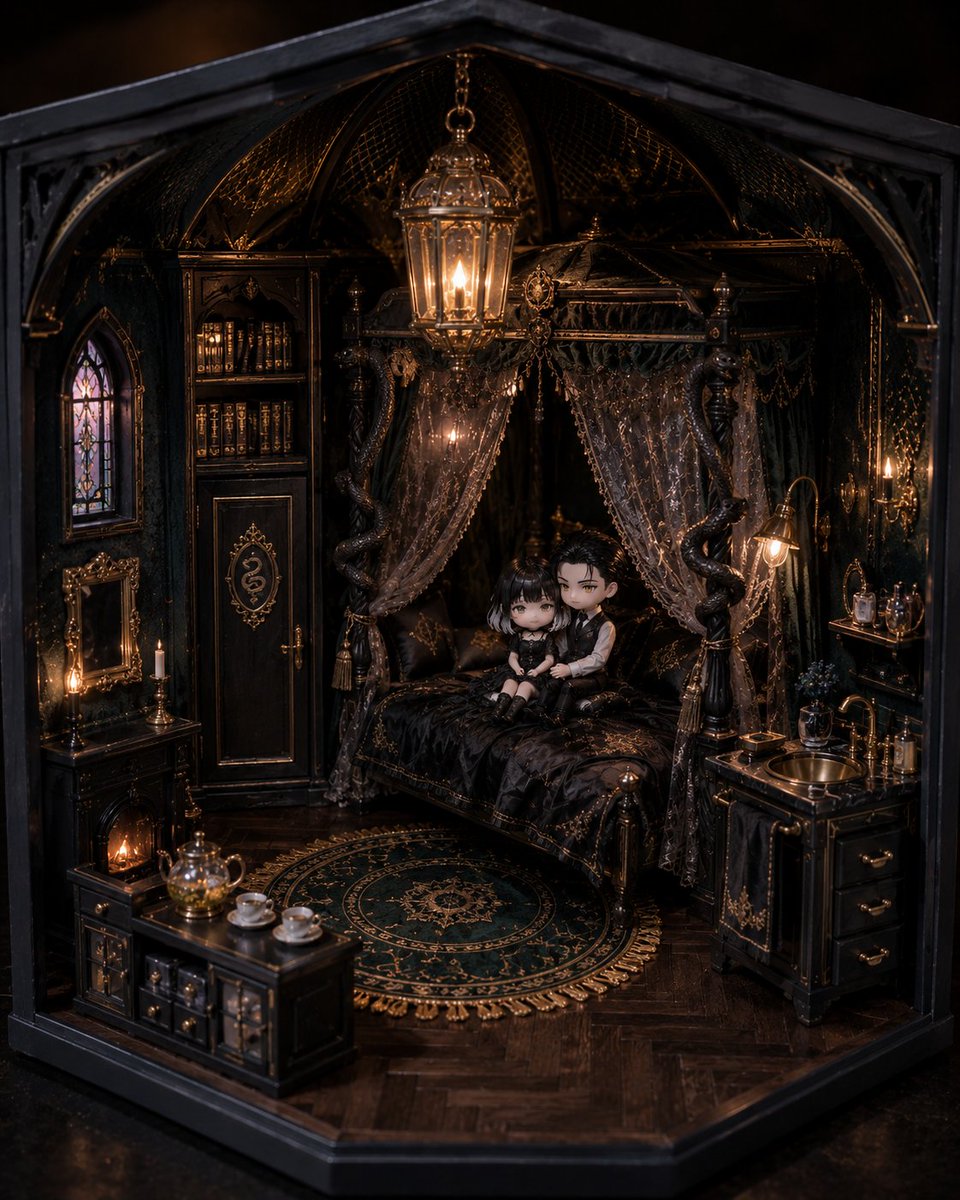
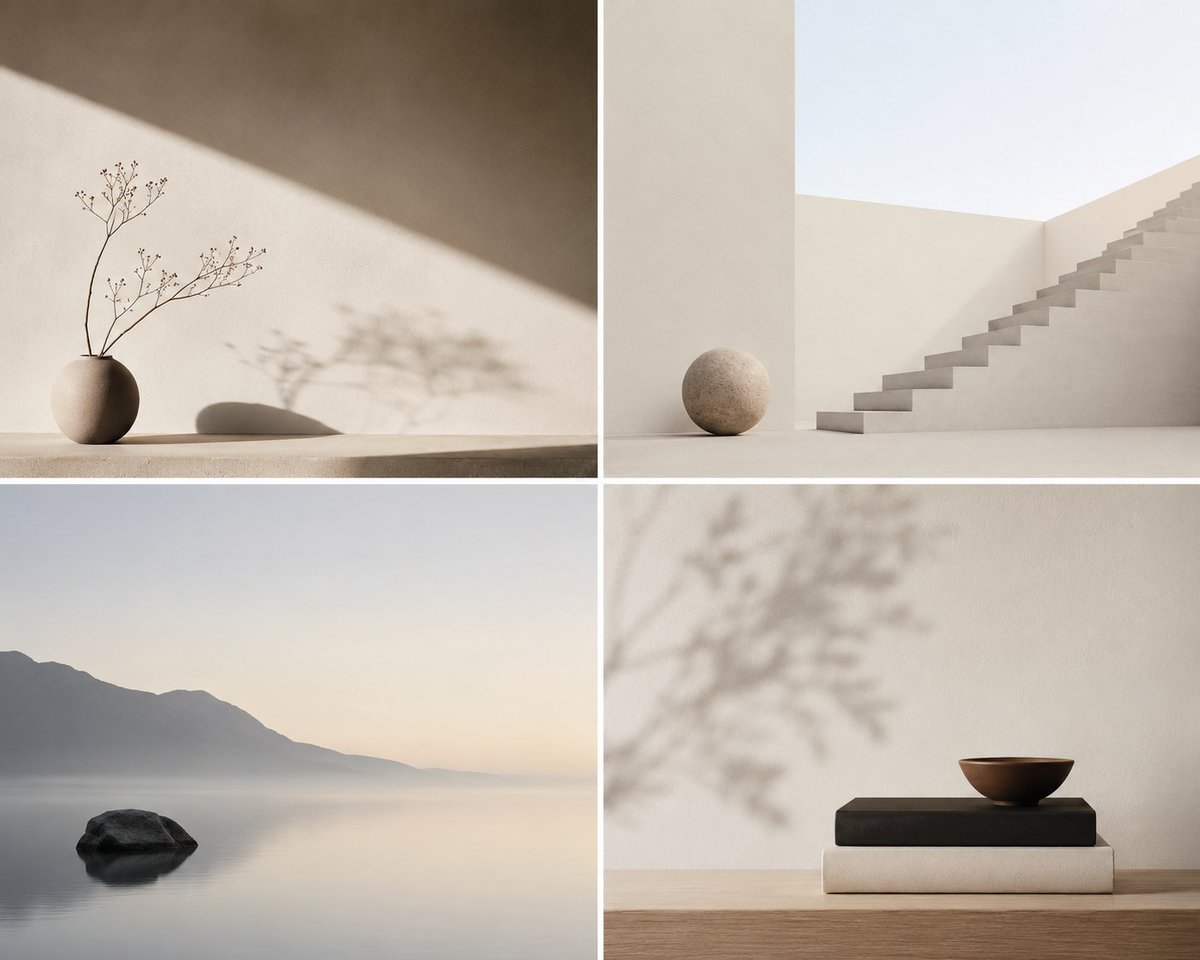
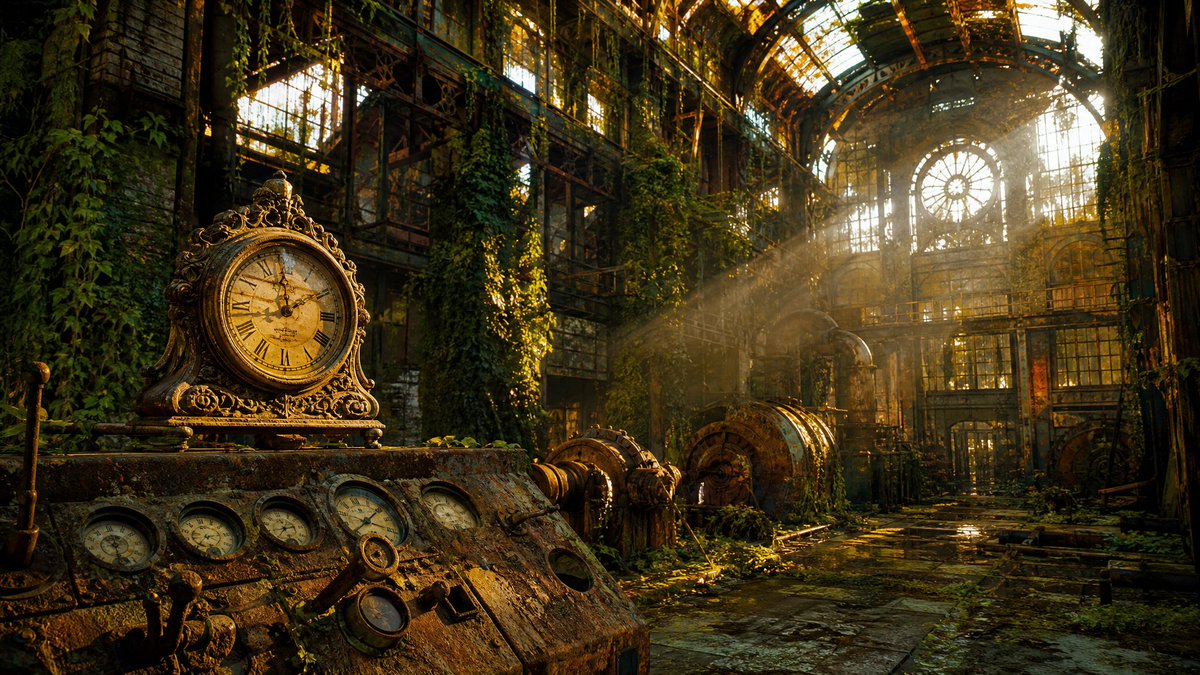
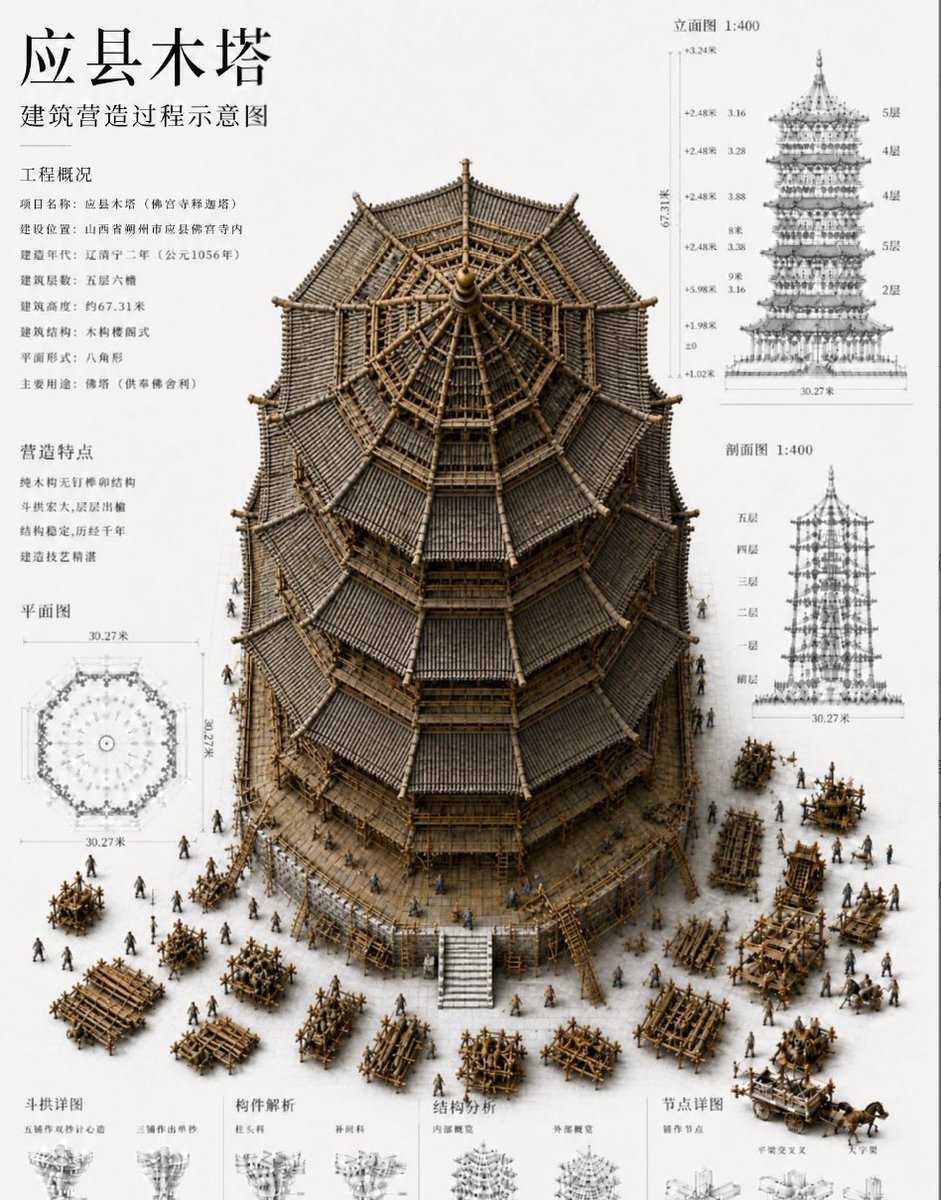
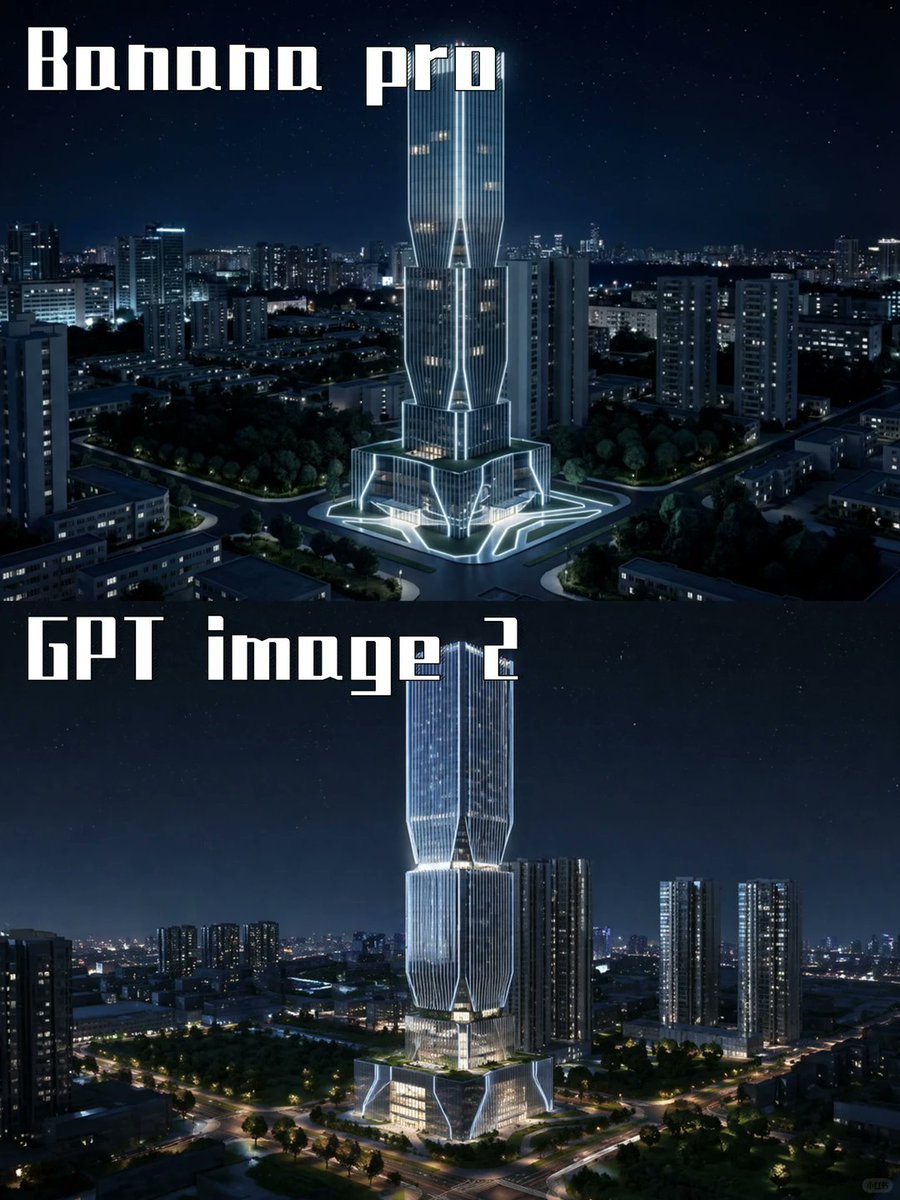
Each case keeps real media, model routing, source attribution, and reuse cautions visible.
All prompts loaded
Prompt pack FAQ
Can I use interior design prompts commercially?
The page keeps source attribution and reuse cautions visible. Review the original source, brands, likenesses, logos, and third-party media before client or paid use.
How do I adapt interior design prompts?
Keep the prompt structure, then replace the subject, scene, aspect ratio, camera, style, and constraints. Re-check source and commercial risk after editing.
Why is this pack curated instead of exhaustive?
The pack only highlights selected cases, so IPG does not create large batches of thin indexed URLs after the spam update.