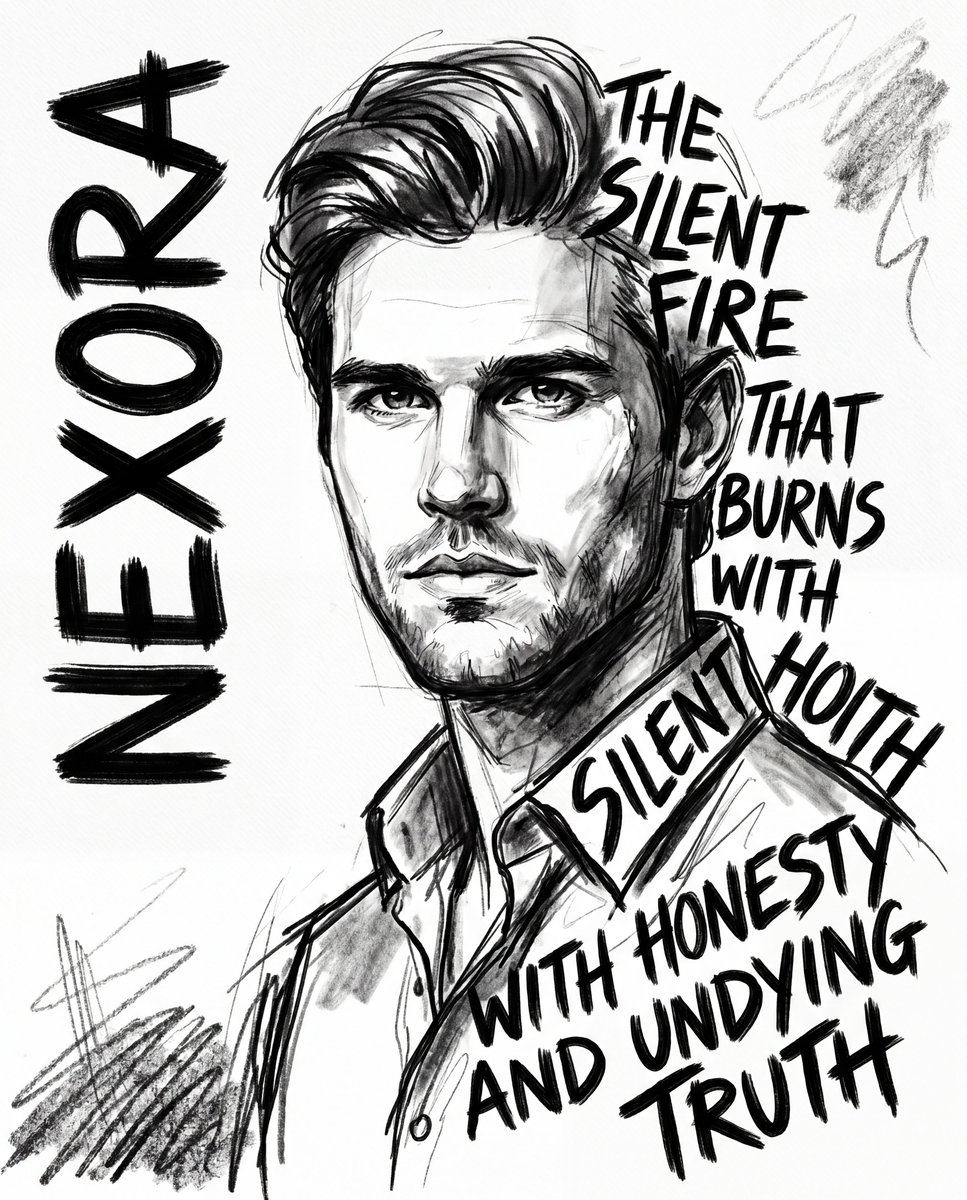
Expressionist Sketch Art Poster
An art poster prompt in the style of Egon Schiele, using monochromatic ink and charcoal textures to create an emotional, gestural portrait.
This is a GPT Image 2 prompt case for 平面海报. Use the copy-ready prompt below to generate similar visuals, and review Awesome GPT Image 2 Prompts attribution plus commercial-use rights before reuse.
Prompt
Copy-ready prompt
Subject name of the expressionist portrait drawing:{argument name="subject name" default="[Enter your name here]"} Create a vertical portrait art poster in a 4:5 aspect ratio, in the style of{argument name="art style" default="Expressionist painting, inspired by Egon Schiele"} The medium should present a rough, white sketch paper texture, using a high-contrast monochromatic palette of deep black ink, charcoal gray, and raw white to showcase raw emotional energy and a bold, gallery-quality feel. Based on the uploaded reference photograph, faithfully preserve the subject's facial features, hairstyle, and personal character within the half-body portrait composition. The rendering style should be expressionistic ink-charcoal portraiture, not photography, cartooning, or anime. Facial details should be presented through loose hand-drawn lines, visible sketching marks, deliberate smearing, and intentionally left unfinished areas, giving the subject vitality and emotional intensity. On the left side of the composition, write the subject's full name in large, bold, and expressive strokes, arranged vertically, showcasing the raw tension of the ink, variations in line, and deliberate imperfections consistent with the hand-drawn style. The name should be written as if by the same hand as the portrait, conveying the same sense of urgency. Based on the subject's name, overall atmosphere, and personal character, automatically generate an elegant, poetic English phrase of 8 to 12 words. The phrase should evoke emotional resonance, avoid modern colloquialisms, maintain its originality and sincerity, and not be overly obscure or vulgar. It should profoundly evoke the subject's inner spirit and temperament. Only this generated phrase should appear in the image; it must not be repeated and should not cover the entire page. This poetic phrase must be written in bold and expressive strokes, organically forming the outline of the figure. The hand-drawn lettering should directly integrate into and outline the subject's head, hair flow, facial lines, neck, shoulders, and upper body. The viewer should feel that the text and the portrait share the same raw ink energy, as if the process of writing the phrase and the process of drawing the figure are seamlessly integrated. Retain large areas of original white space. Add loose hand-drawn marks in the lower left corner to suggest the ground or shadows. Add sparse expressive marks in the upper right corner to create a sense of space and atmosphere without forming a specific image. These background elements must remain original and minimalist, and must not overshadow the subject. Style keywords: Expressionist sketch portraits, Schiller-style painting, hand-drawn brushstrokes and typographical composition, high-contrast ink and charcoal, outlines composed of expressive typography, primal energy, emotional, bold, gallery-quality art posters. Avoid: Any Chinese characters or Asian scripts, cartoon or anime style, bright colors, clean modern fonts, repetitive or excessive text, cluttered compositions, overly refined digital art aesthetics, and the vulgarity of commercial posters.Prompt variables
Editable argument placeholders found in the prompt, with their default values.
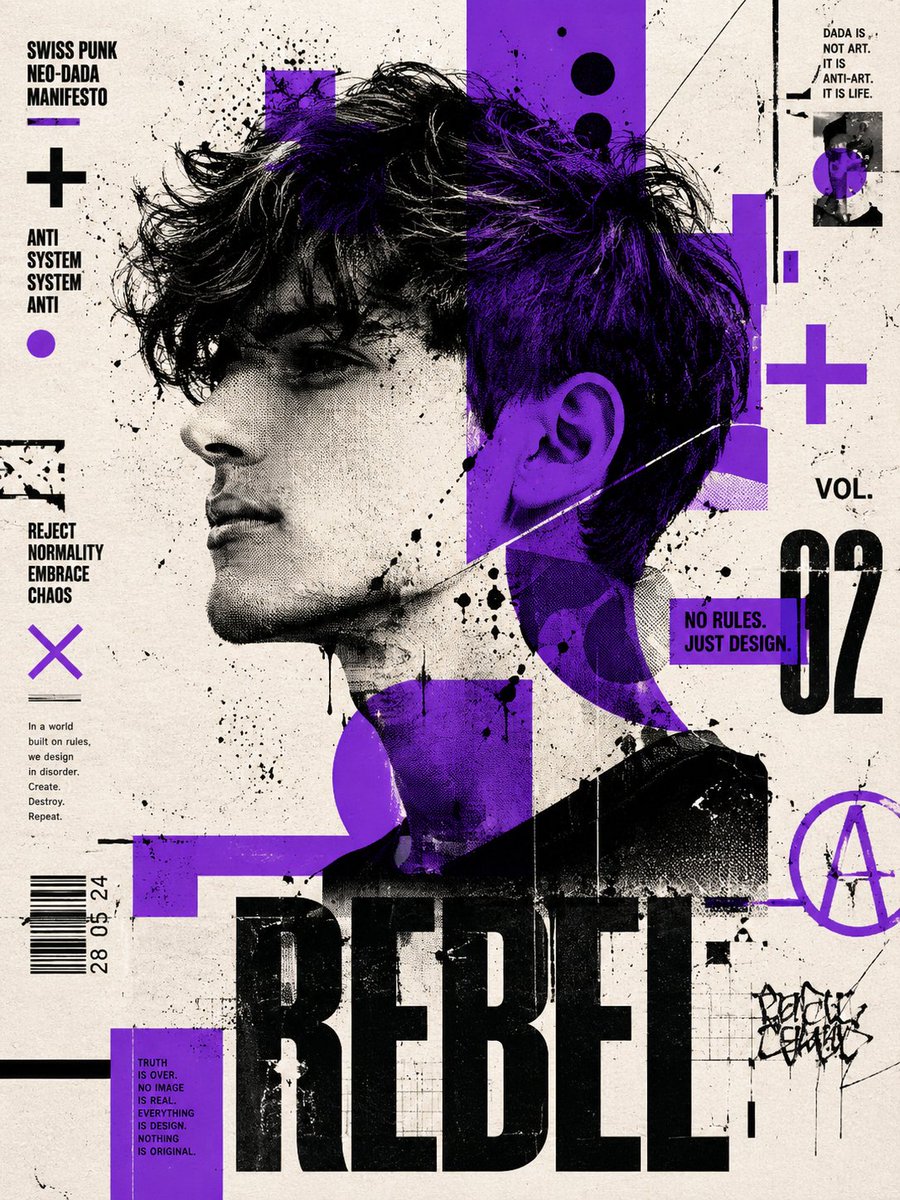
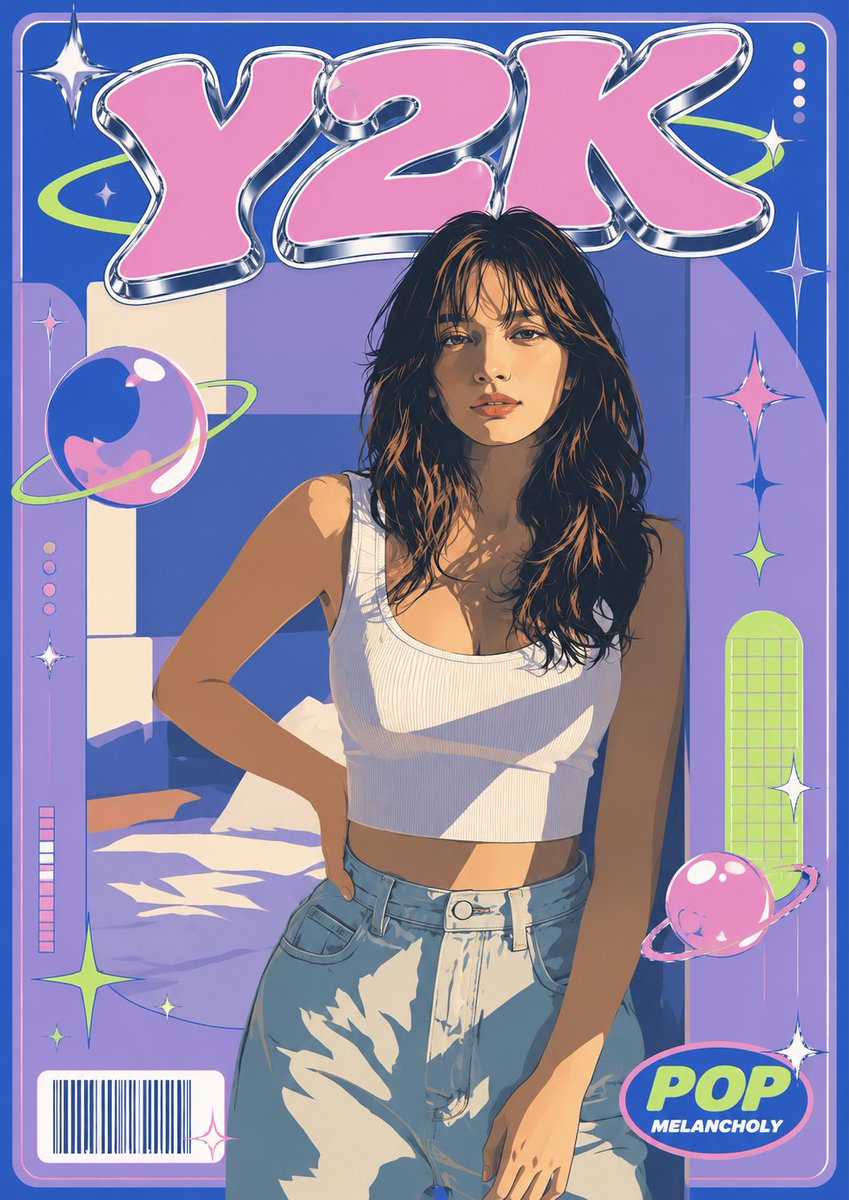
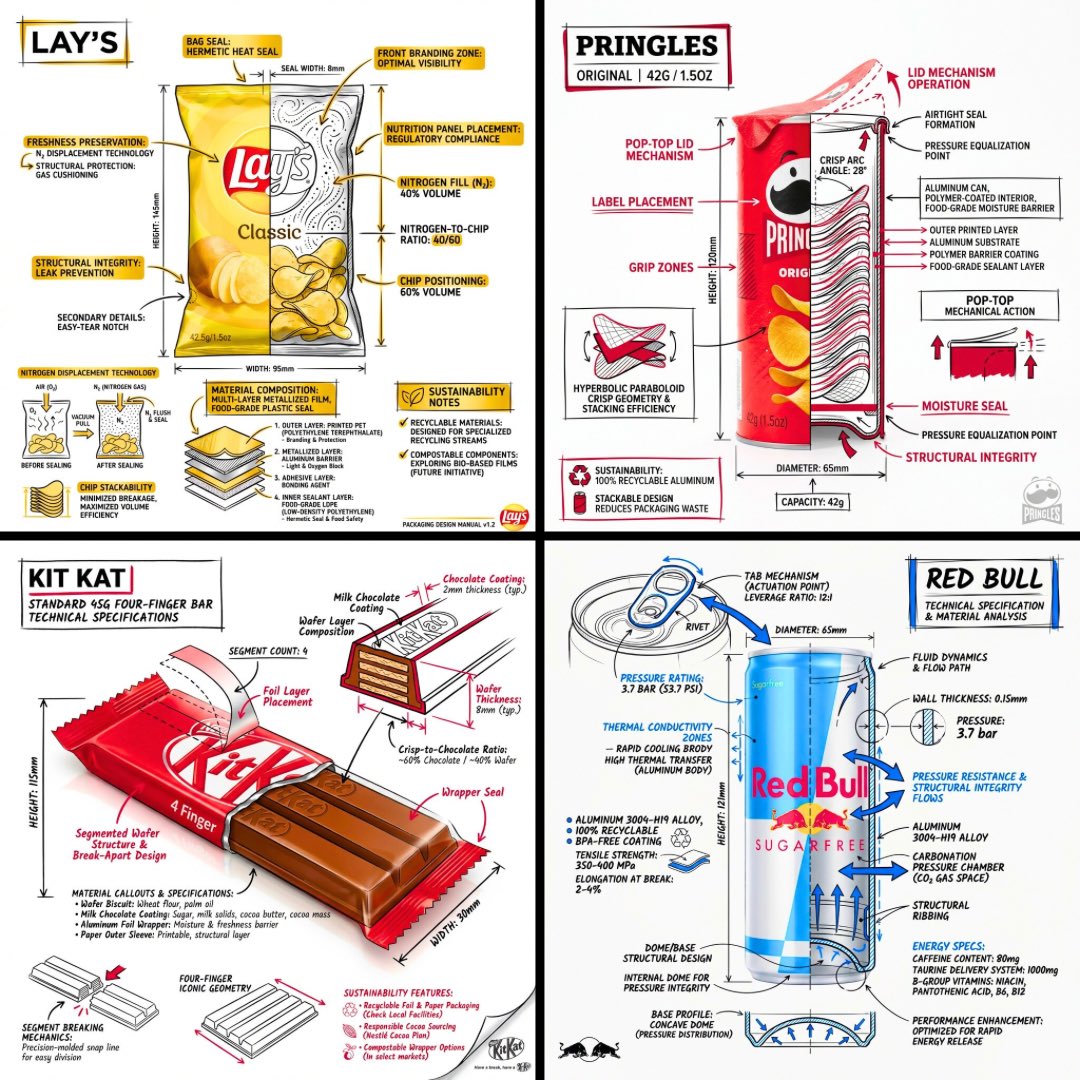
More cases in this category
Prioritized by category, input mode compatibility, quality, and lower risk.

Reuse and source notes
Use this prompt safely after previewing the case.
- 1.Copy the prompt or open it directly in Dovoo with the generation button.
- 2.Adjust variables, aspect ratio, and reference images for your own use case.
- 3.Before publishing or paid usage, verify source rights, attribution requirements, and brand or likeness risks.
Can I use this prompt commercially?
Commercial-use status is allowed. Review the original source, license, brand constraints, and legal requirements before paid usage.
Where does this case come from?
This case is imported from Awesome GPT Image 2 Prompts; keep attribution visible and check the source URL before reuse.