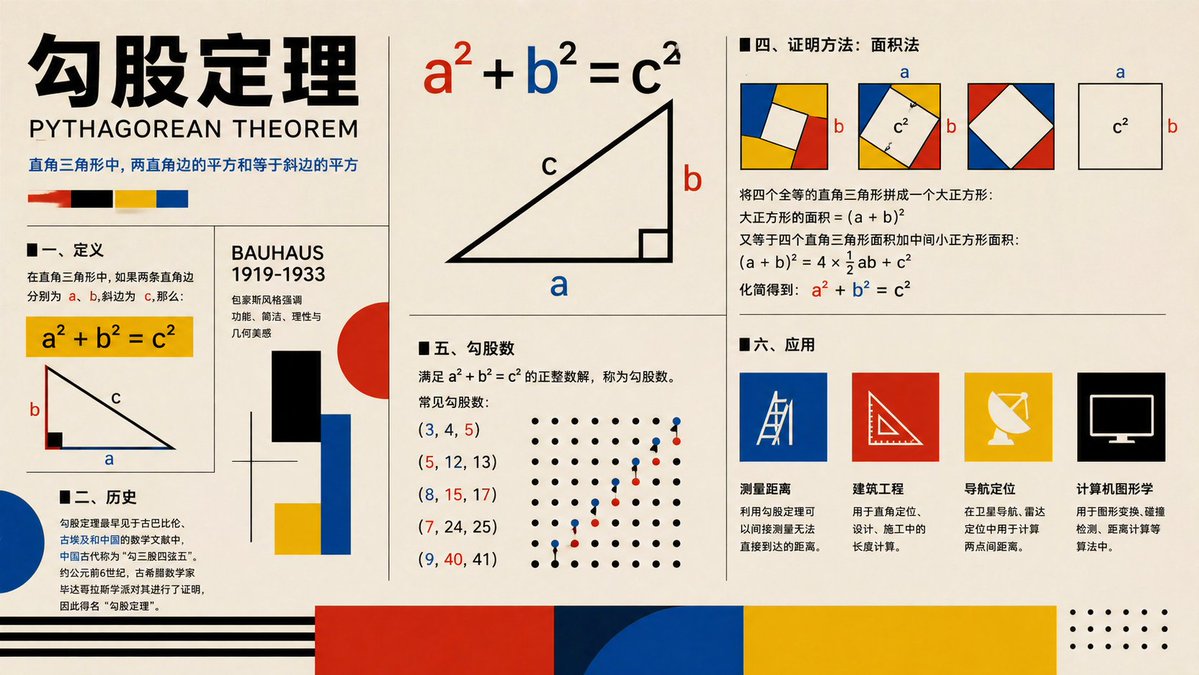
Bauhaus Pythagorean Theorem Poster
A Bauhaus-style educational infographic poster explaining the Pythagorean theorem with diagrams, proof, history, triples, and applications, suitable for classroom visuals or social educational content.
This is a GPT Image 2 prompt case for Graphic & Poster. Use the copy-ready prompt below to generate similar visuals, and review Awesome GPT Image 2 Prompts attribution plus commercial-use rights before reuse.
Free 1K preview
Generate one preview image instantly, no sign-up required.
Prompt
Copy-ready prompt
{
  "type": "educational infographic poster",
  "topic": "{argument name=\"topic\" default=\"Pythagorean theorem\"}",
  "subtitle": "PYTHAGOREAN THEOREM",
  "style": "Bauhaus-inspired mathematical explainer poster, clean editorial grid, cream paper background, bold black typography, primary color palette of red, blue, yellow, black, geometric accents, vector shapes, high-contrast print design",
  "canvas": {
    "orientation": "landscape",
    "aspect_ratio": "16:9"
  },
  "layout": {
    "grid": "multi-panel poster with thin black dividers",
    "sections": [
      {
        "title": "header",
        "position": "top-left spanning two rows",
        "count": 4,
        "labels": [
          "large Chinese title",
          "English subtitle",
          "one-line Chinese theorem summary",
          "4 color swatches"
        ]
      },
      {
        "title": "I. Definition",
        "position": "left-center",
        "count": 3,
        "labels": [
          "section heading",
          "yellow formula box a² + b² = c²",
          "right-triangle diagram labeled a b c"
        ]
      },
      {
        "title": "II. History",
        "position": "bottom-left",
        "count": 3,
        "labels": [
          "section heading",
          "Chinese history paragraph",
          "large blue semicircle accent"
        ]
      },
      {
        "title": "BAUHAUS 1919-1933",
        "position": "center-left vertical panel",
        "count": 6,
        "labels": [
          "panel title",
          "3 short Chinese descriptive lines",
          "black rectangle",
          "red circle with blue and yellow blocks"
        ]
      },
      {
        "title": "main theorem diagram",
        "position": "top-center",
        "count": 3,
        "labels": [
          "large formula a² + b² = c² with a in red b in blue c in black",
          "large right triangle",
          "labels a b c on triangle"
        ]
      },
      {
        "title": "IV. Proof method: Area method",
        "position": "top-right",
        "count": 4,
        "labels": [
          "section heading",
          "3 square dissection diagrams with colored corner triangles and central white square",
          "1 separate c² square diagram with a and b side labels",
          "Chinese proof text with final formula a² + b² = c² highlighted in red and blue"
        ]
      },
      {
        "title": "V. Pythagorean triples",
        "position": "center-bottom",
        "count": 7,
        "labels": [
          "section heading",
          "definition text",
          "(3, 4, 5)",
          "(5, 12, 13)",
          "(8, 15, 17)",
          "(7, 24, 25)",
          "(9, 40, 41)"
        ]
      },
      {
        "title": "dot lattice illustration",
        "position": "right side of Pythagorean triples section",
        "count": 2,
        "labels": [
          "black dot grid",
          "ascending red and blue point pattern"
        ]
      },
      {
        "title": "6. Applications",
        "position": "bottom-right",
        "count": 5,
        "labels": [
          "section heading",
          "Distance measurement",
          "Civil engineering",
          "Navigation and positioning",
          "Computer graphics"
        ]
      },
      {
        "title": "application icons",
        "position": "bottom-right row",
        "count": 4,
        "labels": [
          "blue square with measuring tool line icon",
          "red square with triangle ruler icon",
          "yellow square with satellite dish icon",
          "black square with computer monitor icon"
        ]
      },
      {
        "title": "footer decorations",
        "position": "bottom edge",
        "count": 4,
        "labels": [
          "black horizontal stripes on left",
          "large red block",
          "large blue semicircle overlapping dark blue block",
          "large yellow block with dotted corner motif on far right"
        ]
      }
    ]
  },
  "typography": {
    "title_style": "extra bold oversized Chinese characters in black",
    "subtitle_style": "uppercase sans serif",
    "body_style": "clean sans serif Chinese text, neatly aligned columns"
  },
  "colors": {
    "background": "warm cream",
    "primary": [
      "black",
      "red",
      "blue",
      "yellow"
    ],
    "formula_emphasis": {
      "a": "red",
      "b": "blue",
      "c": "black"
    }
  },
  "rendering": "flat vector infographic, crisp lines, print-poster aesthetic, balanced negative space, museum graphic design feel"
}
Prompt variables
Editable argument placeholders found in the prompt, with their default values.
Best for
- - Graphic & Poster visual exploration
- - Image generation and reference-image edits
- - Reusable briefs that keep source attribution visible
Change these parts
- - Subject, product, character, or scene
- - Aspect ratio, camera, lighting, and background
- - Brand, text, color, and output constraints
Recommended model and settings
- - Model: gpt-image-2
- - Input mode: Text to Image
- - Aspect ratio: source
- - Commercial status: review original source
How to use this prompt
- 1. Copy the prompt and preserve its structure for the first test.
- 2. Replace the subject, context, and publishing channel.
- 3. Change one camera, lighting, or style variable per iteration.
- 4. Inspect the output, source, text, and rights before reuse.
Limitations, source, and reuse cautions
- - Generated output is an editable draft, not factual, legal, or rights evidence.
- - Review the linked source, people, brands, logos, text, and third-party media before commercial use.
More cases in this category
Prioritized by category, input mode compatibility, quality, and lower risk.
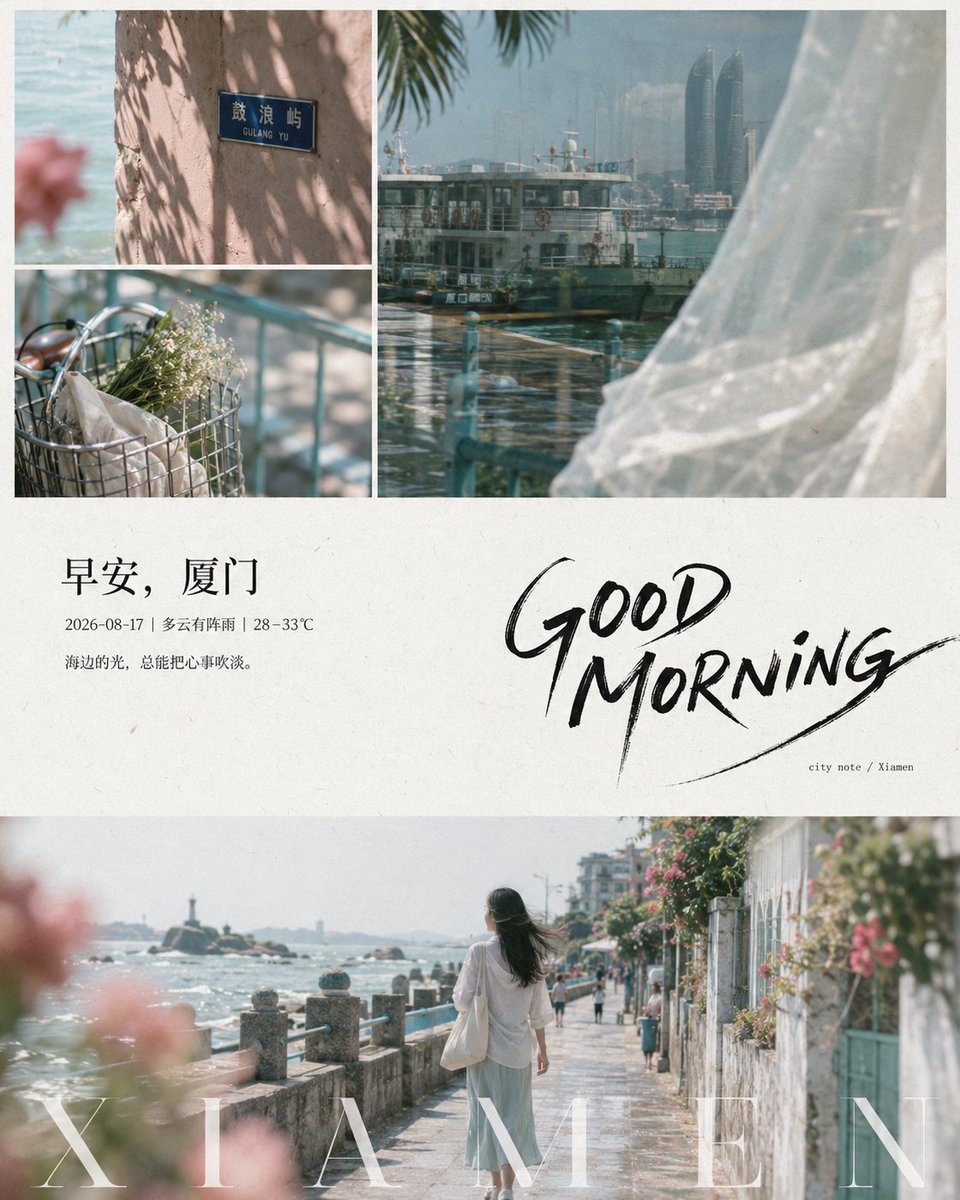
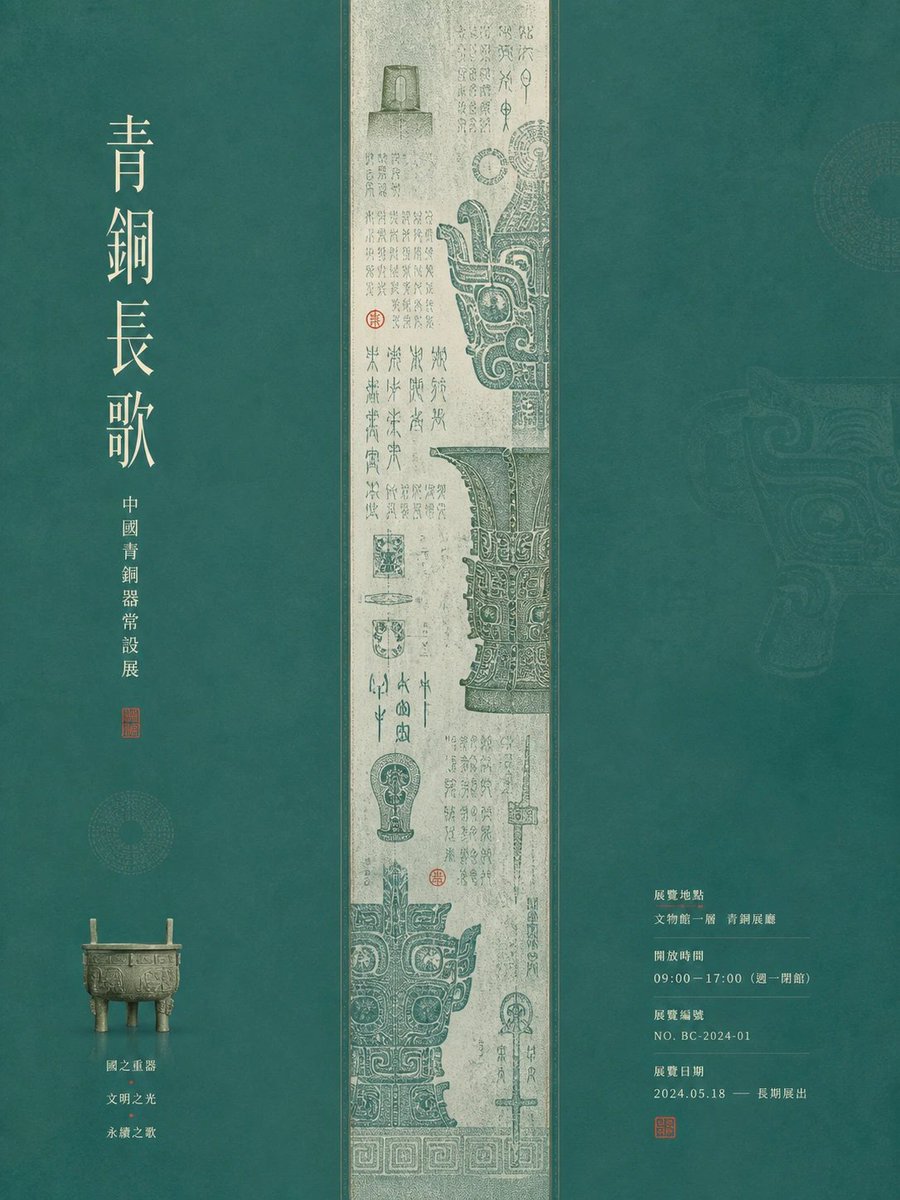

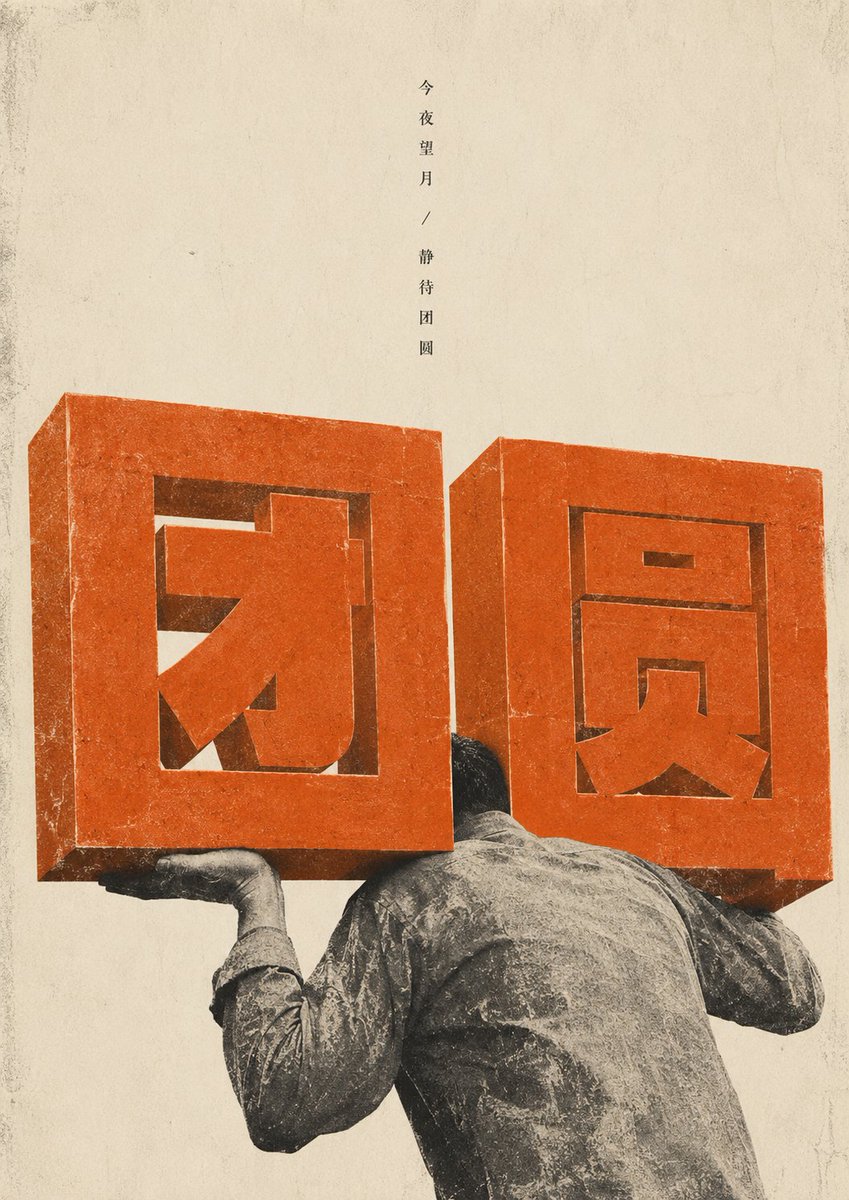

Reuse and source notes
Use this prompt safely after previewing the case.
- 1.Copy the prompt or open it directly in Dovoo with the generation button.
- 2.Adjust variables, aspect ratio, and reference images for your own use case.
- 3.Before publishing or paid usage, verify source rights, attribution requirements, and brand or likeness risks.
Can I use this prompt commercially?
Commercial-use status is allowed. Review the original source, license, brand constraints, and legal requirements before paid usage.
Where does this case come from?
This case is imported from Awesome GPT Image 2 Prompts; keep attribution visible and check the source URL before reuse.