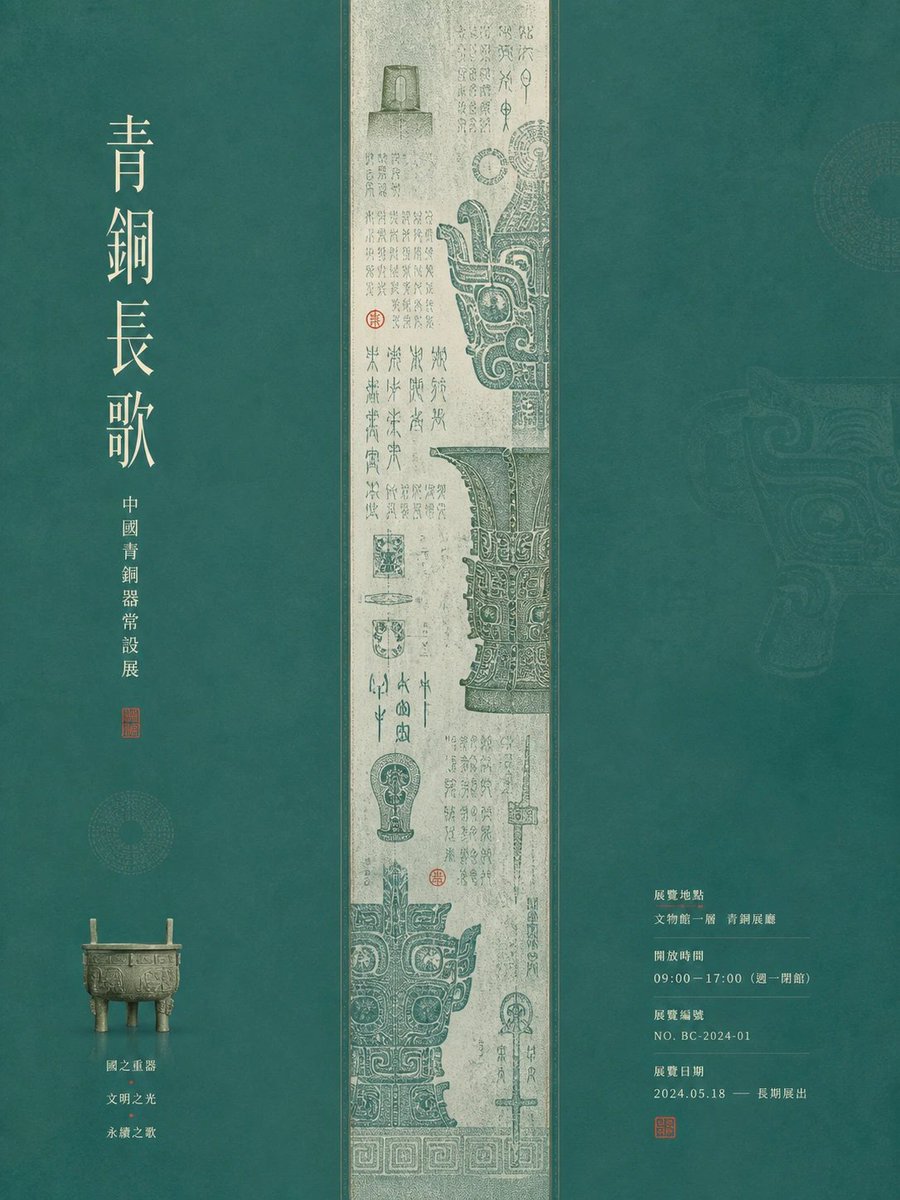
Museum Poster Design Template
A sophisticated prompt template for creating clean, minimalist museum-style posters with precise typography, strong layout order, and ceremonial aesthetic.
This is a GPT Image 2 prompt case for Graphic & Poster. Use the copy-ready prompt below to generate similar visuals, and review Awesome GPT Image 2 Prompts attribution plus commercial-use rights before reuse.
Free 1K preview
Generate one preview image instantly, no sign-up required.
Prompt
Copy-ready prompt
Generate a quiet and ceremonial graphic visual centered around {argument name="主题对象" default="any subject object"}: the frame forms a strong column order with a large theme background and a centered narrow main visual strip. The main visual strip carries the main forms, linear textures, or image narratives derived from the theme, running through the reading path like a precisely framed fine image; the two background fields remain wide, soft, and breathable, with a small number of theme-related artifacts or symbols placed as lightweight anchors, so the eye first reads the dense details in the center, then the large headings and grouped information. The theme object should not be displayed in isolation, but disassembled into four roles: main form, attached details, information layers, and small objects, forming an exhibition rhythm of dense center, sparse sides, and paused text. If text appears, use tall, thin, elegant title characters with letter spacing, forming silent weight in few-word columns; descriptive text uses small, neat, restrained blocks, maintaining precise margins with images, like exhibition labels and date information embedded in the color field. Colors are extracted from the theme's own material, season, cultural semantics, and emotions, retaining the role relationships of a large clear and bright base color, a lighter main visual support color, clear light and dark gradations, a small amount of high-saturation emphasis color, and light-colored information text; overall bright and clean, warm and quiet, with clear boundaries and soft printing grains, texture only increases paper and material tactile feel, without making the image dirty, dim, smoky, or old.Prompt variables
Editable argument placeholders found in the prompt, with their default values.
Best for
- - Graphic & Poster visual exploration
- - Image generation and reference-image edits
- - Reusable briefs that keep source attribution visible
Change these parts
- - Subject, product, character, or scene
- - Aspect ratio, camera, lighting, and background
- - Brand, text, color, and output constraints
Recommended model and settings
- - Model: gpt-image-2
- - Input mode: Text to Image
- - Aspect ratio: source
- - Commercial status: review original source
How to use this prompt
- 1. Copy the prompt and preserve its structure for the first test.
- 2. Replace the subject, context, and publishing channel.
- 3. Change one camera, lighting, or style variable per iteration.
- 4. Inspect the output, source, text, and rights before reuse.
Limitations, source, and reuse cautions
- - Generated output is an editable draft, not factual, legal, or rights evidence.
- - Review the linked source, people, brands, logos, text, and third-party media before commercial use.
More cases in this category
Prioritized by category, input mode compatibility, quality, and lower risk.

Reuse and source notes
Use this prompt safely after previewing the case.
- 1.Copy the prompt or open it directly in Dovoo with the generation button.
- 2.Adjust variables, aspect ratio, and reference images for your own use case.
- 3.Before publishing or paid usage, verify source rights, attribution requirements, and brand or likeness risks.
Can I use this prompt commercially?
Commercial-use status is allowed. Review the original source, license, brand constraints, and legal requirements before paid usage.
Where does this case come from?
This case is imported from Awesome GPT Image 2 Prompts; keep attribution visible and check the source URL before reuse.