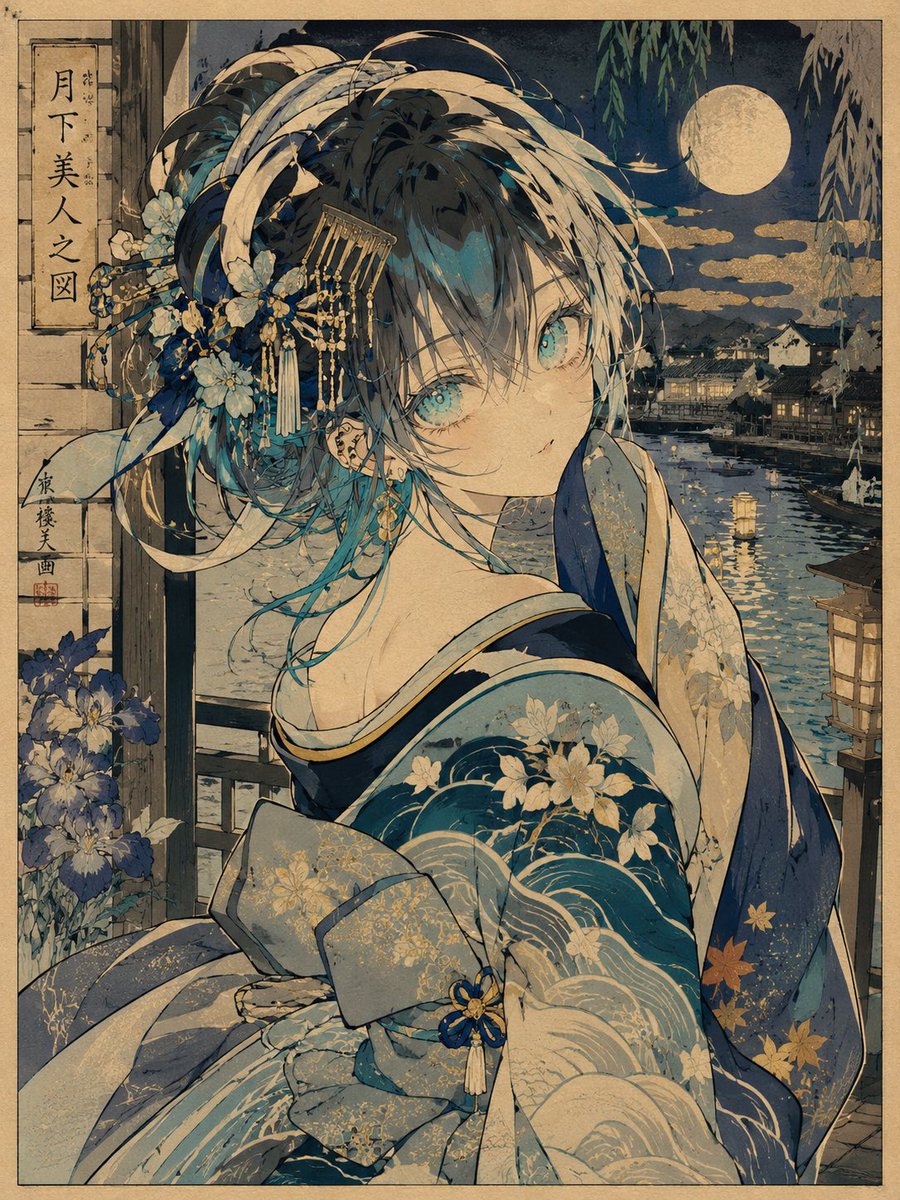
Ukiyo-e Character Transformation
A highly detailed prompt for transforming a character into a refined Japanese ukiyo-e style illustration, specifically influenced by the aesthetics of Kitagawa Utamaro.
This is a GPT Image 2 prompt case for 插画艺术. Use the copy-ready prompt below to generate similar visuals, and review Awesome GPT Image 2 Prompts attribution plus commercial-use rights before reuse.
Prompt
Copy-ready prompt
仅将上传的角色作为身份参考。将角色转换为 {argument name="art style" default="精致的日式浮世绘风格插画"},融入喜多川歌磨的审美,同时保留角色的面部特征、发型、发色、眼型、轮廓和情感特质。图像应呈现出:传统浮世绘“美人画”的现代动漫奢华重构感。重要提示:角色应采用优雅、流畅、不对称的“歌磨风格”肢体语言,而非现代动漫的动作姿势。姿势方向示例:- {argument name="pose" default="回眸"} - 整理发饰 - 用衣袖半遮口鼻 - 手部轻触颈部或衣领 - 侧坐且和服轮廓流畅 - 优雅的行走姿态 - 转身瞬间 - 微妙的情感表达 - 优雅的折扇互动 - 层叠的衣袖动态 - 安静的戏剧性姿态。姿势必须体现:优雅、诗意、柔美、韵律感、注重轮廓、自然流畅。避免:动作姿势、战斗姿势、偶像姿势、现代剪刀手、手伸向镜头、僵硬站立、对称姿势、夸张的透视。服装:将角色转换为风格化的浮世绘幻想和服美学。使用:简约的层叠和服、优雅的腰带 (obi)、飘逸的袖子、微妙的季节性图案、简洁的轮廓、克制的装饰密度。图案应使用:波浪、花卉、云纹、枫叶、金粉、传统几何纹样、水墨渐变。保持设计视觉上的条理性和可读性。不要过度装饰。发型与配饰:添加优雅的簪子 (kanzashi)、绳结、梳子饰品、丝带,或受江户时代美人画启发的微妙幻想装饰。背景:创建一个优美的浮世绘风格 {argument name="environment" default="日式环境"}。可选元素:月下河畔、纸灯笼街道、江户风格木建筑、屏风、樱花、雾气缭绕的庭院、古桥雨景、流水、金箔云纹、水墨天空、风格化波浪、仙鹤、红枫、传统室内空间。背景应体现:氛围感、绘画感、优雅、层次感、柔和的细节。构图:构图应类似于:浮世绘美人画、日本木版画、传统挂轴、优雅的日式海报艺术。使用:不对称平衡、强烈的留白、前景与背景的层次感、优美的轮廓设计、流畅的和服形状、微妙的景深。艺术风格:现代浮世绘动漫融合、受歌磨启发的美人画、日本木版画美学、平涂层叠色彩、柔和的和纸纹理、克制的水墨轮廓、风格化的传统阴影、优雅的日式配色、极简写实、高可读性、精致的轮廓设计、传统的日本艺术氛围。Prompt variables
Editable argument placeholders found in the prompt, with their default values.
More cases in this category
Prioritized by category, input mode compatibility, quality, and lower risk.

Reuse and source notes
Use this prompt safely after previewing the case.
- 1.Copy the prompt or open it directly in Dovoo with the generation button.
- 2.Adjust variables, aspect ratio, and reference images for your own use case.
- 3.Before publishing or paid usage, verify source rights, attribution requirements, and brand or likeness risks.
Can I use this prompt commercially?
Commercial-use status is allowed. Review the original source, license, brand constraints, and legal requirements before paid usage.
Where does this case come from?
This case is imported from Awesome GPT Image 2 Prompts; keep attribution visible and check the source URL before reuse.