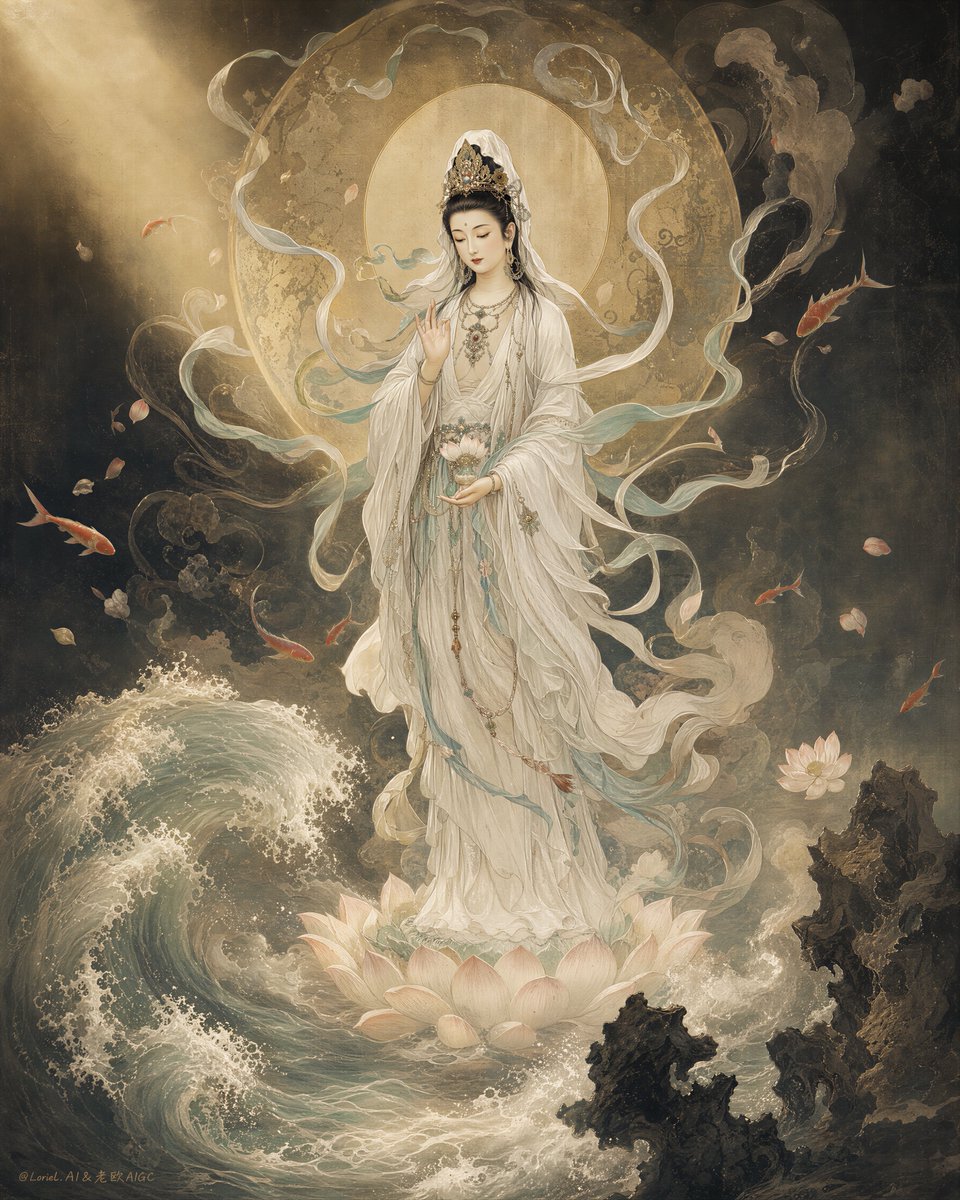
Museum Quality Sacred Guanyin Poster
An ultra-premium prompt for generating sacred East Asian deity paintings in a museum-visual style, emphasizing serenity and spiritual rhythm.
This is a GPT Image 2 prompt case for Illustration & Art. Use the copy-ready prompt below to generate similar visuals, and review Awesome GPT Image 2 Prompts attribution plus commercial-use rights before reuse.
Free 1K preview
Generate one preview image instantly, no sign-up required.
Prompt
Copy-ready prompt
Create an ultra-premium vertical sacred-art poster in the style of an antique East Asian ink-and-color deity painting elevated into a world-class museum exhibition key visual. Preserve the original visual logic: a single full-body white-robed female bodhisattva-like figure stands at the exact center on a luminous lotus pedestal above a vast rising wave system, framed by a large muted-gold circular halo, surrounded by sparse but highly controlled orbital elements such as drifting ribbons, smoke-like silk trails, lotus blossoms, tiny cinnabar-red fish, and faint spiritual ornaments. The entire composition must feel vertically ascendant, centered, elegant, and spiritually overwhelming. Merge Orbit energy with Transit refinement: strengthen the rotational flow of the halo, ribbons, mist, petals, fish, and wave crests so that all motion spirals gently toward and around the central deity, creating a powerful but disciplined sacred vortex. At the same time, elevate the image into an international flagship museum poster aesthetic: cleaner composition, fewer unnecessary floating details, more controlled negative space, more luxurious tonal transitions, and a calmer, more expensive sense of atmosphere. The figure must remain the absolute visual heart. The deity stands in a natural, graceful upright pose with soft contrapposto, slim elongated proportions, flowing layered robes, long sleeves and silk bands drifting outward in elegant calligraphic arcs. Her face is serene and compassionate, with lowered eyes, refined brows, delicate nose and lips, calm spiritual authority, and anatomically graceful head-neck-shoulder alignment. Hands must be elegant and fully correct, fingers long and natural, with no deformation. The body should feel stylized through classical sacred painting language, not modern fashion illustration. Style: refined traditional ink-and-color painting on aged silk or aged paper, combining gongbi precision with atmospheric freehand wash. Use translucent mineral pigments, soft ink diffusion, controlled bleeding edges, layered wash gradients, fine brush contour lines, subtle old-master patina, faint silk or paper fibers, gentle yellowed aging, and restrained antique surface wear. The image carrier should feel like a priceless historical hanging scroll reproduced as a luxury museum campaign print. Lighting must be painterly and sacred, not photographic: a soft warm-gold glow descends diagonally from the upper left, filtering through mist and ink haze, illuminating the face, upper robe, halo edge, lotus pedestal, and selected wave ridges. Increase light-shadow contrast compared to a flat classical painting, but keep transitions soft and noble. The figure and halo should bloom gently from darkness, while the surrounding black-brown space becomes deeper, richer, and more mysterious. No harsh spotlight; the glow must feel internal, spiritual, and diffused. Color system: dominant ivory white, pale celadon, faded beige, dusty jade, warm parchment, smoky charcoal, muted antique gold, and restrained cinnabar red accents. The halo is a foggy antique gold disc, never shiny metallic. The robes should feel pale and luminous against a deep dark ground. The lower waves combine gray-green ink, creamy white foam, smoky black wash, and subtle mineral tint. Saturation should remain restrained, noble, and slightly aged, with only tiny red accents acting as spiritual ignition points. Lower composition: build a dramatic but elegant wave structure with one dominant crest rising from the lower left, layered foam currents sweeping across the bottom, broken scholar-stone-like rock forms on the lower right, and a glowing current path leading the eye upward toward the lotus pedestal. The lotus base should be softly radiant pink-white with aged petal coloration, integrated into mist and wave spray. Keep the scene clean and poster-ready, with no clutter and no narrative overload. Material and physical rules: believable ink absorption, mineral pigment translucency, soft brush pressure variation, coherent mist movement, disciplined wave anatomy, elegant ribbon flow, stable halo geometry, refined robe fold logic, clear central hierarchy, no random decorative noise. The whole image should feel spiritual, dreamlike, mysterious, highly collectible, and suitable for a Cannes-level cultural campaign. No readable text, no copied calligraphy, no logo, no watermark, no extra figures, no crowded motifs, no fantasy-game costume, no plastic CGI texture, no photoreal skin, no anatomy errors, no malformed hands, no extra fingers, no fused fingers, no broken wrists, no muddy shadows, no large black blotches, no oversaturated neon colors, no chaotic composition, no cheap illustration feeling, no inconsistent lighting.
Best for
- - Illustration & Art visual exploration
- - Image generation and reference-image edits
- - Reusable briefs that keep source attribution visible
Change these parts
- - Subject, product, character, or scene
- - Aspect ratio, camera, lighting, and background
- - Brand, text, color, and output constraints
Recommended model and settings
- - Model: gpt-image-2
- - Input mode: Text to Image
- - Aspect ratio: source
- - Commercial status: review original source
How to use this prompt
- 1. Copy the prompt and preserve its structure for the first test.
- 2. Replace the subject, context, and publishing channel.
- 3. Change one camera, lighting, or style variable per iteration.
- 4. Inspect the output, source, text, and rights before reuse.
Limitations, source, and reuse cautions
- - Generated output is an editable draft, not factual, legal, or rights evidence.
- - Review the linked source, people, brands, logos, text, and third-party media before commercial use.
More cases in this category
Prioritized by category, input mode compatibility, quality, and lower risk.
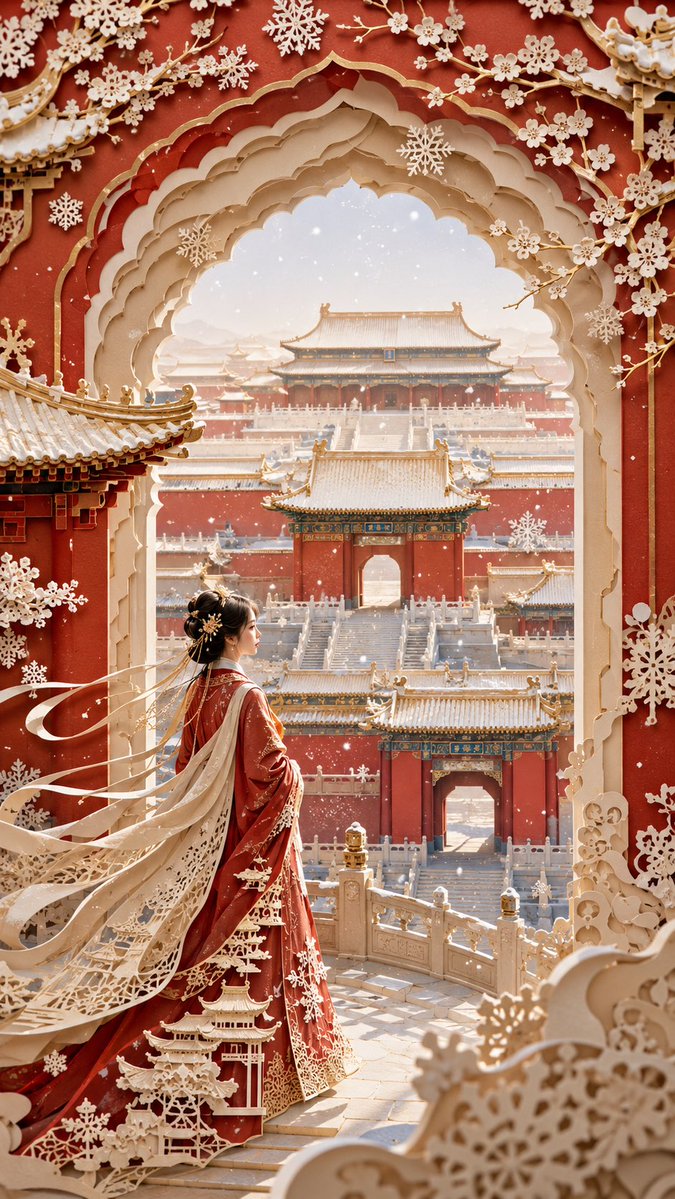
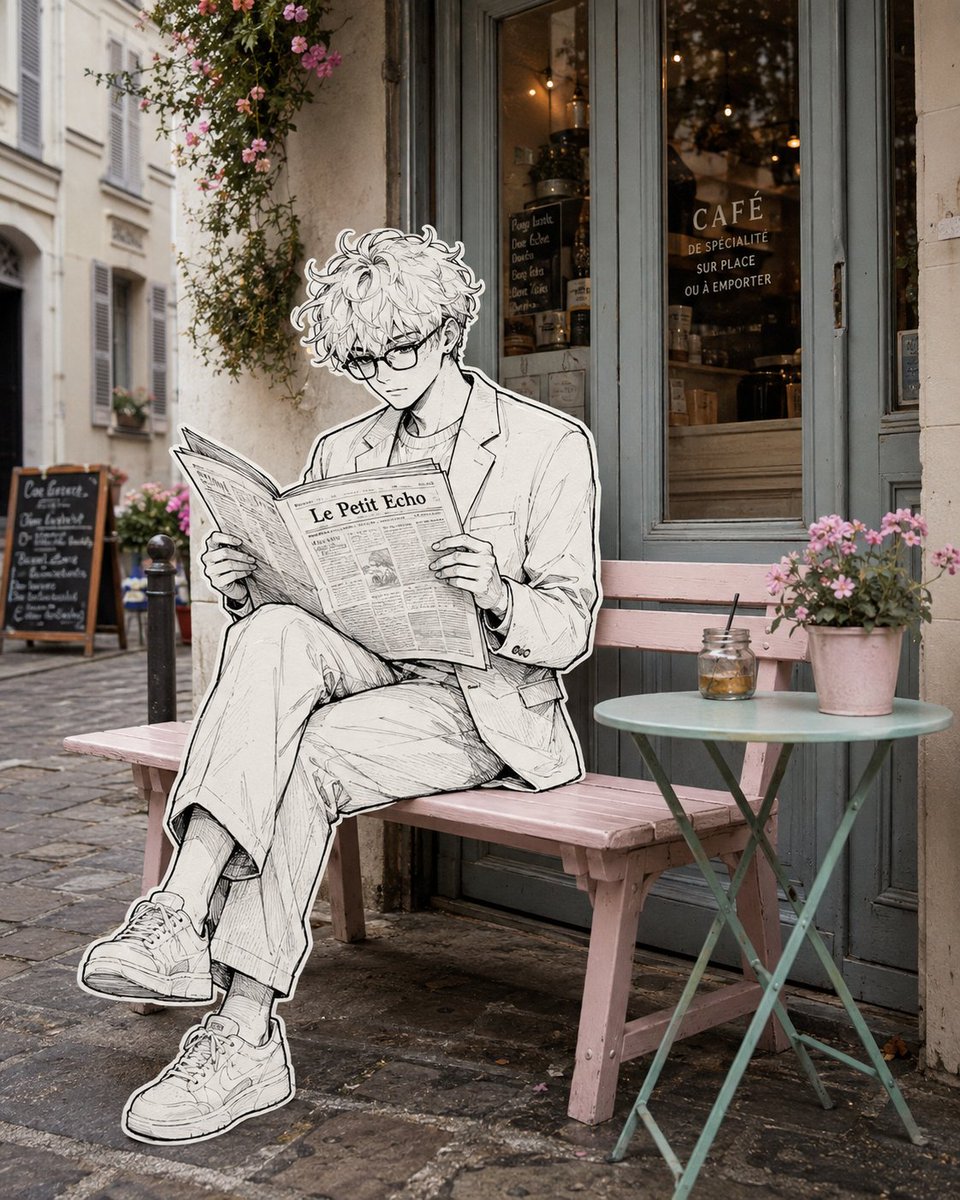


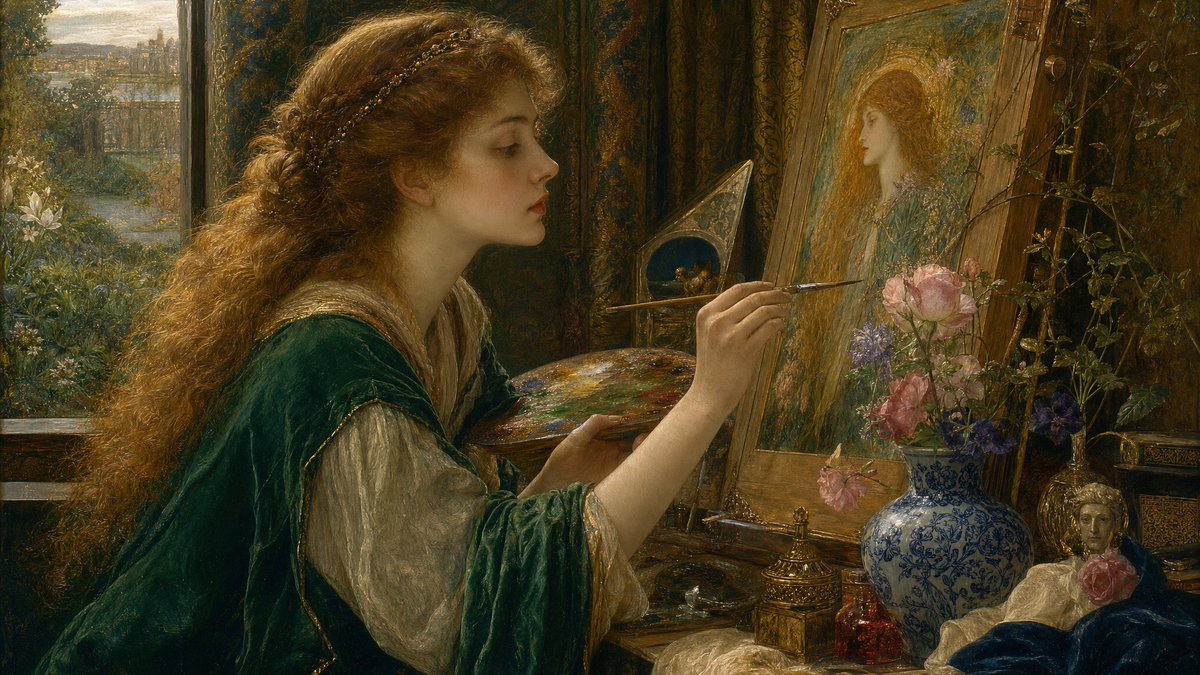
Reuse and source notes
Use this prompt safely after previewing the case.
- 1.Copy the prompt or open it directly in Dovoo with the generation button.
- 2.Adjust variables, aspect ratio, and reference images for your own use case.
- 3.Before publishing or paid usage, verify source rights, attribution requirements, and brand or likeness risks.
Can I use this prompt commercially?
Commercial-use status is allowed. Review the original source, license, brand constraints, and legal requirements before paid usage.
Where does this case come from?
This case is imported from Awesome GPT Image 2 Prompts; keep attribution visible and check the source URL before reuse.