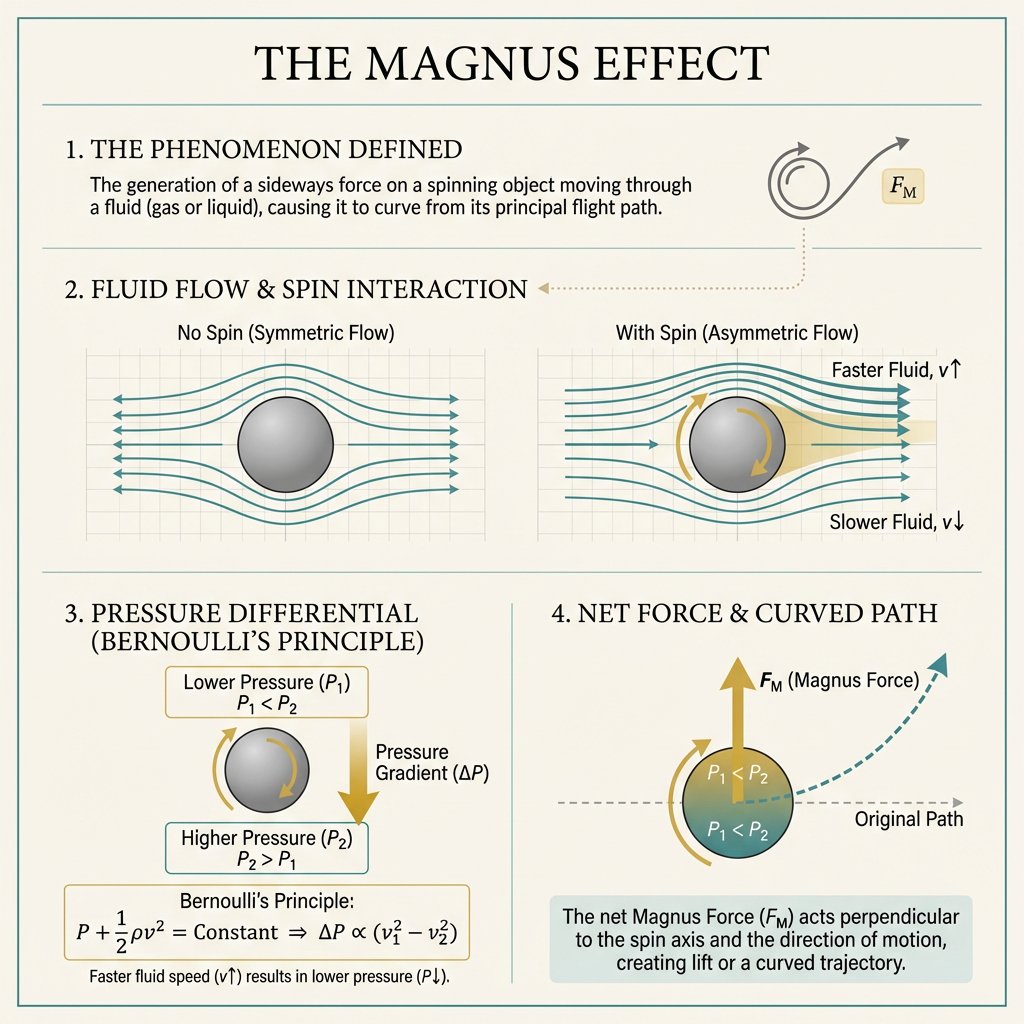
Minimal Magnus Effect Infographic
A polished academic poster explaining the Magnus Effect with four numbered sections, fluid-flow diagrams, pressure equations, and clean textbook-style visuals for educational or presentation use.
This is a GPT Image 2 prompt case for Graphic & Poster. Use the copy-ready prompt below to generate similar visuals, and review Awesome GPT Image 2 Prompts attribution plus commercial-use rights before reuse.
Free 1K preview
Generate one preview image instantly, no sign-up required.
Prompt
Copy-ready prompt
{
  "type": "educational physics infographic poster",
  "topic": "The Magnus Effect",
  "style": "minimal academic poster, premium textbook-meets-modern design, clean symmetry, balanced spacing, soft neutral cream background, thin teal border, elegant serif typography for headings, minimalist sans-serif for explanatory text, limited palette of teal, muted gold, dark gray, and light beige",
  "layout": {
    "orientation": "square poster",
    "sections": [
      {
        "title": "The Magnus Effect",
        "position": "top center",
        "count": 1,
        "labels": [
          "main title"
        ]
      },
      {
        "title": "1. THE PHENOMENON DEFINED",
        "position": "upper section",
        "count": 2,
        "labels": [
          "definition text block",
          "small top-right icon showing a spinning ball with a curved arrow and a gold force label F_M"
        ]
      },
      {
        "title": "2. FLUID FLOW & SPIN INTERACTION",
        "position": "middle section",
        "count": 2,
        "labels": [
          "No Spin (Symmetric Flow)",
          "With Spin (Asymmetric Flow)"
        ]
      },
      {
        "title": "3. PRESSURE DIFFERENTIAL (BERNOULLI’S PRINCIPLE)",
        "position": "bottom left",
        "count": 4,
        "labels": [
          "Lower Pressure (P1) / P1 < P2",
          "spinning ball with gold rotational arrows",
          "Higher Pressure (P2) / P2 > P1",
          "Bernoulli's Principle formula box"
        ]
      },
      {
        "title": "4. NET FORCE & CURVED PATH",
        "position": "bottom right",
        "count": 4,
        "labels": [
          "ball with pressure labels P1 < P2 on top and P1 < P2 on lower region",
          "upward gold arrow labeled F_M (Magnus Force)",
          "gray dashed Original Path arrow",
          "teal dashed curved trajectory arrow"
        ]
      }
    ],
    "dividers": "4 thin teal horizontal and vertical divider lines separating the poster into distinct bands and lower two-column panels"
  },
  "content_details": {
    "section_1": {
      "heading": "1. THE PHENOMENON DEFINED",
      "body": "The generation of a sideways force on a spinning object moving through a fluid (gas or liquid), causing it to curve from its principal flight path.",
      "diagram": "simple gray circular ball icon with a curved spin arrow above it, an outward curved motion arrow, and a small rounded gold box containing F_M"
    },
    "section_2": {
      "heading": "2. FLUID FLOW & SPIN INTERACTION",
      "panels": [
        {
          "title": "No Spin (Symmetric Flow)",
          "diagram": "gray sphere centered on a faint square grid, with 6 teal horizontal streamlines flowing left to right and bending symmetrically around the sphere; small teal arrows indicate equal flow speed above and below"
        },
        {
          "title": "With Spin (Asymmetric Flow)",
          "diagram": "gray sphere with 2 gold rotational arrows around it, centered on a faint square grid, with 6 teal streamlines compressed and faster above the sphere and more spaced below; right side labels read 'Faster Fluid, v↑' near the upper lines and 'Slower Fluid, v↓' near the lower lines; subtle gold highlight wedge behind the upper-right flow region"
        }
      ]
    },
    "section_3": {
      "heading": "3. PRESSURE DIFFERENTIAL (BERNOULLI’S PRINCIPLE)",
      "elements": [
        "top rounded rectangle with lower pressure label",
        "center spinning sphere with gold curved arrows",
        "large vertical gold downward arrow labeled Pressure Gradient (ΔP)",
        "bottom rounded rectangle with higher pressure label",
        "wide formula box with Bernoulli equation"
      ],
      "text_boxes": {
        "top": "Lower Pressure (P1)\nP1 < P2",
        "bottom": "Higher Pressure (P2)\nP2 > P1",
        "formula": "Bernoulli's Principle:\nP + 1/2 ρv^2 = Constant ⇒ ΔP ∝ (v1^2 − v2^2)",
        "caption": "Faster fluid speed (v↑) results in lower pressure (P↓)."
      }
    },
    "section_4": {
      "heading": "4. NET FORCE & CURVED PATH",
      "diagram": "large central sphere filled with a teal-to-gold split shading, gold curved spin arrow wrapping around the left side, thick upward gold arrow emerging from the top labeled F_M (Magnus Force), thin gray dashed horizontal arrow labeled Original Path extending to the right, and a teal dashed curved path arcing upward to the top-right with an arrowhead",
      "caption_box": "The net Magnus Force (F_M) acts perpendicular to the spin axis and the direction of motion, creating lift or a curved trajectory."
    }
  },
  "rendering": "crisp vector-style infographic, subtle paper texture, high legibility, light shadows only inside rounded label boxes, precise alignment, understated scientific elegance"
}
Best for
- - Graphic & Poster visual exploration
- - Image generation and reference-image edits
- - Reusable briefs that keep source attribution visible
Change these parts
- - Subject, product, character, or scene
- - Aspect ratio, camera, lighting, and background
- - Brand, text, color, and output constraints
Recommended model and settings
- - Model: gpt-image-2
- - Input mode: Text to Image
- - Aspect ratio: source
- - Commercial status: review original source
How to use this prompt
- 1. Copy the prompt and preserve its structure for the first test.
- 2. Replace the subject, context, and publishing channel.
- 3. Change one camera, lighting, or style variable per iteration.
- 4. Inspect the output, source, text, and rights before reuse.
Limitations, source, and reuse cautions
- - Generated output is an editable draft, not factual, legal, or rights evidence.
- - Review the linked source, people, brands, logos, text, and third-party media before commercial use.
More cases in this category
Prioritized by category, input mode compatibility, quality, and lower risk.




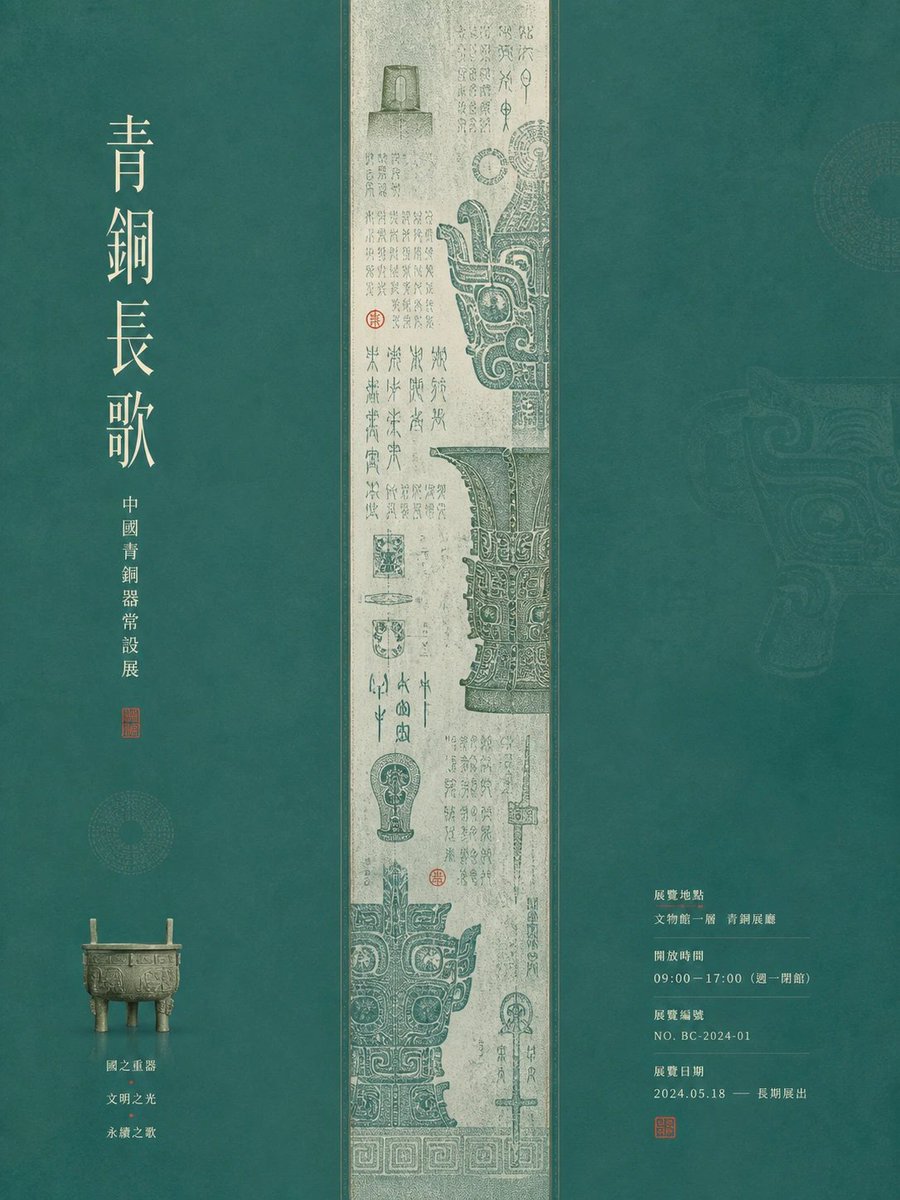

Reuse and source notes
Use this prompt safely after previewing the case.
- 1.Copy the prompt or open it directly in Dovoo with the generation button.
- 2.Adjust variables, aspect ratio, and reference images for your own use case.
- 3.Before publishing or paid usage, verify source rights, attribution requirements, and brand or likeness risks.
Can I use this prompt commercially?
Commercial-use status is allowed. Review the original source, license, brand constraints, and legal requirements before paid usage.
Where does this case come from?
This case is imported from Awesome GPT Image 2 Prompts; keep attribution visible and check the source URL before reuse.