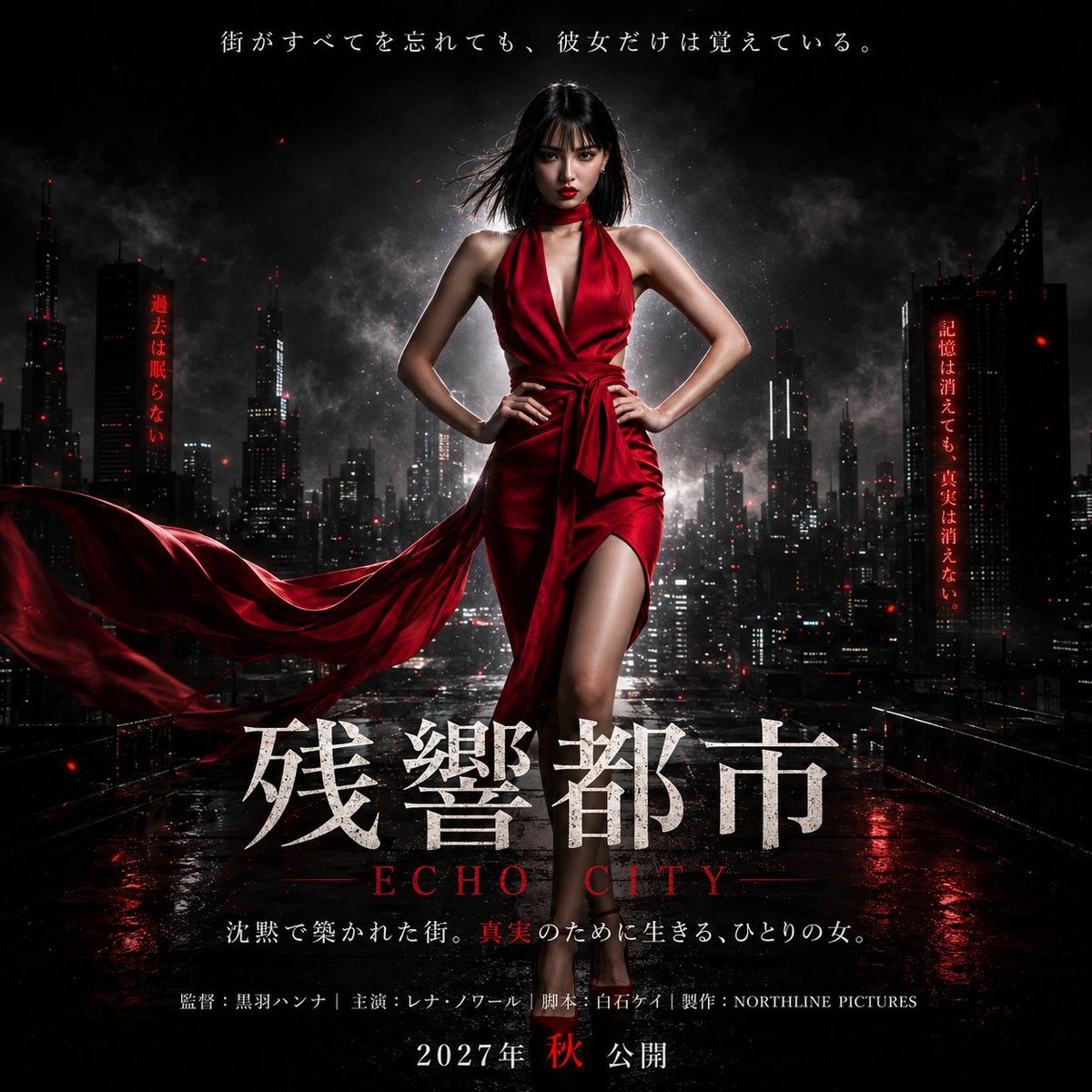
Reverb City Movie Poster
A professional prompt for creating a cinematic movie poster with high fidelity to a reference image, including custom Japanese and English typography.
This is a GPT Image 2 prompt case for Graphic & Poster. Use the copy-ready prompt below to generate similar visuals, and review Awesome GPT Image 2 Prompts attribution plus commercial-use rights before reuse.
Free 1K preview
Generate one preview image instantly, no sign-up required.
Free text preview doesn’t preserve reference-image consistency.
Prompt
Copy-ready prompt
Create a 1:1 square composition theatrical movie poster-style visual featuring the person in the reference image as the sole protagonist. Faithfully maintain the facial features, hairstyle, hair color, eye impression, age, body type, costume impression, and overall atmosphere of the reference image, ensuring it doesn't become a different person but remains the same individual. Assume only one reference image is provided. If the reference image is a photograph, finish it like an official key visual for a live-action film. If the reference image is anime or an illustration, finish it as a high-quality anime/illustration movie poster while preserving the characteristics of the original artwork. If the reference image is a bust-up, don't force a full-body depiction; prioritize the face, hairstyle, expression, and atmosphere in a poster composition centered on the upper body. If the reference image is a full body shot, maintain the body type, silhouette, and costume balance in a full-body or three-quarter standing pose. Position the person prominently in the center or slightly to the right of the screen. For full-body reference images, use a full-body or three-quarter pose; for bust-ups, focus on the upper body in a dramatic poster composition. Hair should be blown by the wind, creating a sense of movement and tension typical of movie posters. The expression should be a quiet, strong gaze – a mysterious and resolute look. The costume should utilize the colors and silhouette of the reference image, adding a sense of luxury and drama suitable for a poster. Naturally incorporate any props or accessories from the reference image; don't add any if they aren't present. Prioritize the presence of the person, creating a strong gaze and silhouette befitting the protagonist of a movie poster. The background should be a dark, heavy, near-future noir city. Include towering skyscrapers looming in the mist and smoke, red sparks and light particles, a wet reflective surface like after rain, and blurred city lights in the distance. The overall color scheme should be based on black, gray, and monochrome with high contrast, using red as a subtle accent color. Add strong backlighting, rim lighting to highlight the person's outline, thin smoke and fog, floating particles and subtle sparks, delicate film grain, deep shadows, and a premium movie poster texture. Finish it like a grand, luxurious official theatrical movie poster. Integrate Japanese and English text elements naturally into the poster. Arrange the text in an organized layout like a real movie poster, ensuring it's readable, beautiful, and expressed with sophisticated typography. Do not include real movie titles, real actor names, real company logos, or real brands. Small tagline at the top: “Even if the city forgets everything, she alone remembers.” Large main title in the center-bottom: “Echo City” Slightly smaller English title below that: “ECHO CITY” Subcopy further below: “A city built on silence. A woman living for the truth.” Highlight only “truth” in red. Include fictional movie credits in the bottom credit line: “Director: Hanna Kuroha | Starring: Lena Noir | Screenplay: Kei Shiraishi | Production: NORTHLINE PICTURES” Include release information at the very bottom: “Autumn 2027 Release” Highlight only “Autumn” in red. The overall typography should be heavy, cinematic, and in a premium theatrical movie poster style. As a square poster, create a complete official key visual where the person, background, and text are balanced and integrated. high fidelity to the reference image, cinematic movie poster, official theatrical key visual, Japanese title typography, premium poster design, strong visual hierarchy, elegant typography, dramatic lighting, professional color grading, emotional and mysterious mood No alterations to the person, changes to facial features, major changes to hairstyle, major changes to hair color, changes to eye shape or color, age changes, gender changes, body type changes, major costume alterations, excessive exposure not present in the reference image, multiple people, duplicated faces, duplicated bodies, broken hands, broken fingers, extra fingers, missing fingers, unnatural poses, Show every face clearly with natural, detailed facial features, low resolution, flat lighting, cheap poster design, unreadable text, random text, real logos, watermarks, signatures, frames, borders, overly bright background, overly pop atmosphere, comical expressions, lighthearted atmosphere
Best for
- - Graphic & Poster visual exploration
- - Image generation and reference-image edits
- - Reusable briefs that keep source attribution visible
Change these parts
- - Subject, product, character, or scene
- - Aspect ratio, camera, lighting, and background
- - Brand, text, color, and output constraints
Recommended model and settings
- - Model: gpt-image-2
- - Input mode: Image to Image
- - Aspect ratio: source
- - Commercial status: review original source
How to use this prompt
- 1. Copy the prompt and preserve its structure for the first test.
- 2. Replace the subject, context, and publishing channel.
- 3. Change one camera, lighting, or style variable per iteration.
- 4. Inspect the output, source, text, and rights before reuse.
Limitations, source, and reuse cautions
- - Generated output is an editable draft, not factual, legal, or rights evidence.
- - Review the linked source, people, brands, logos, text, and third-party media before commercial use.
More cases in this category
Prioritized by category, input mode compatibility, quality, and lower risk.
Reuse and source notes
Use this prompt safely after previewing the case.
- 1.Copy the prompt or open it directly in Dovoo with the generation button.
- 2.Adjust variables, aspect ratio, and reference images for your own use case.
- 3.Before publishing or paid usage, verify source rights, attribution requirements, and brand or likeness risks.
Can I use this prompt commercially?
Commercial-use status is allowed. Review the original source, license, brand constraints, and legal requirements before paid usage.
Where does this case come from?
This case is imported from Awesome GPT Image 2 Prompts; keep attribution visible and check the source URL before reuse.