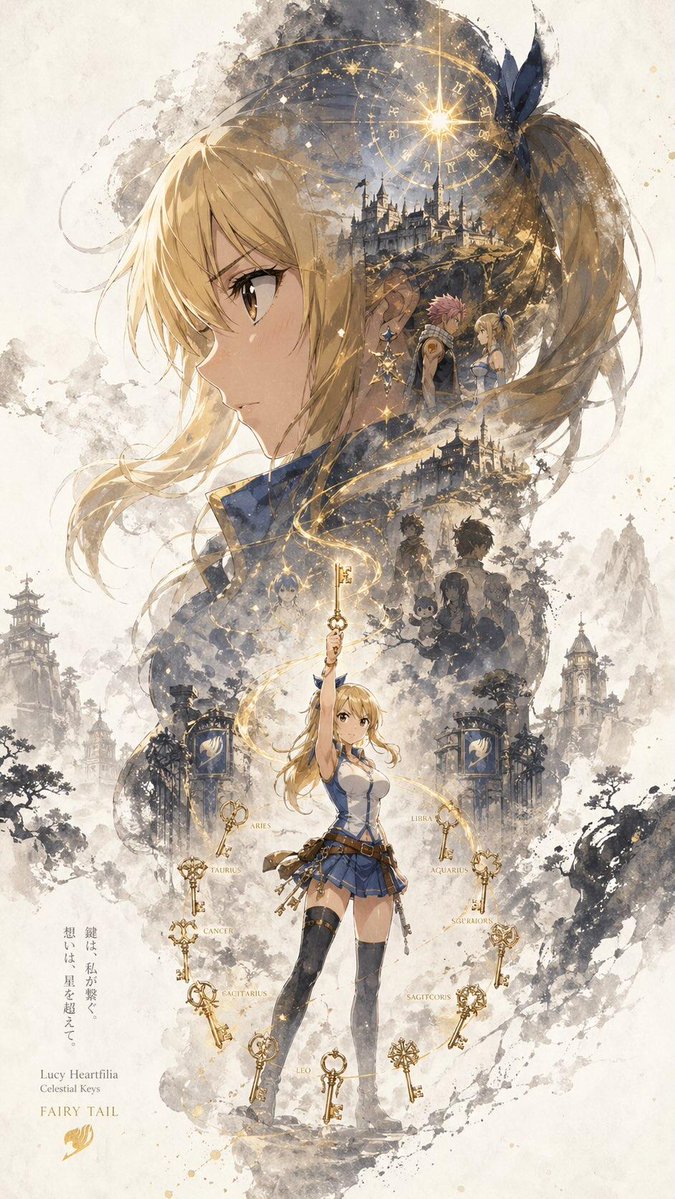
Double Exposure Character Poster Prompt
A sophisticated prompt for creating vertical character posters featuring a large silhouette upper half and a full character lower half, using double-exposure and Eastern aesthetic elements like ink diffusion and negative space.
This is a GPT Image 2 prompt case for Graphic & Poster. Use the copy-ready prompt below to generate similar visuals, and review Awesome GPT Image 2 Prompts attribution plus commercial-use rights before reuse.
Free 1K preview
Generate one preview image instantly, no sign-up required.
Prompt
Copy-ready prompt
A character promotional poster titled “{argument name="poster title" default="INPUT NAME"}”, designed in a unified vertical key visual composition (9:16). Each poster follows a hierarchy of large top and smaller bottom structure: the upper half features the most recognizable element of the character (head, facial contour, mask, or upper-body silhouette) as a dominant oversized visual, forming a highly identifiable silhouette. The middle to lower section contains the full character as a secondary subject, shown in a stable standing pose or with subtle movement, establishing the visual core of the composition. Inside the large silhouette and around the character, use a double-exposure and collage-style narrative composition. Multiple scenes, symbolic imagery, small character interactions, supporting elements, and environmental details are layered and blended into mist, ink wash, and negative space. The left and right sides include complementary secondary elements to create narrative tension and spatial variation. A continuous flowing visual line runs from top to bottom, connecting the main character, internal collage, and the large upper silhouette, enhancing cohesion and guiding the viewer’s eye. The overall composition preserves large areas of negative space. Edges are treated with ink diffusion, soft blurring, and fragmented transitions, creating a balance between presence and absence inspired by Eastern aesthetics. The style is cohesive, refined, and restrained, emphasizing depth, storytelling, strong visual impact, and a consistent series-style poster language.Prompt variables
Editable argument placeholders found in the prompt, with their default values.
Best for
- - Graphic & Poster visual exploration
- - Image generation and reference-image edits
- - Reusable briefs that keep source attribution visible
Change these parts
- - Subject, product, character, or scene
- - Aspect ratio, camera, lighting, and background
- - Brand, text, color, and output constraints
Recommended model and settings
- - Model: gpt-image-2
- - Input mode: Text to Image
- - Aspect ratio: source
- - Commercial status: review original source
How to use this prompt
- 1. Copy the prompt and preserve its structure for the first test.
- 2. Replace the subject, context, and publishing channel.
- 3. Change one camera, lighting, or style variable per iteration.
- 4. Inspect the output, source, text, and rights before reuse.
Limitations, source, and reuse cautions
- - Generated output is an editable draft, not factual, legal, or rights evidence.
- - Review the linked source, people, brands, logos, text, and third-party media before commercial use.
More cases in this category
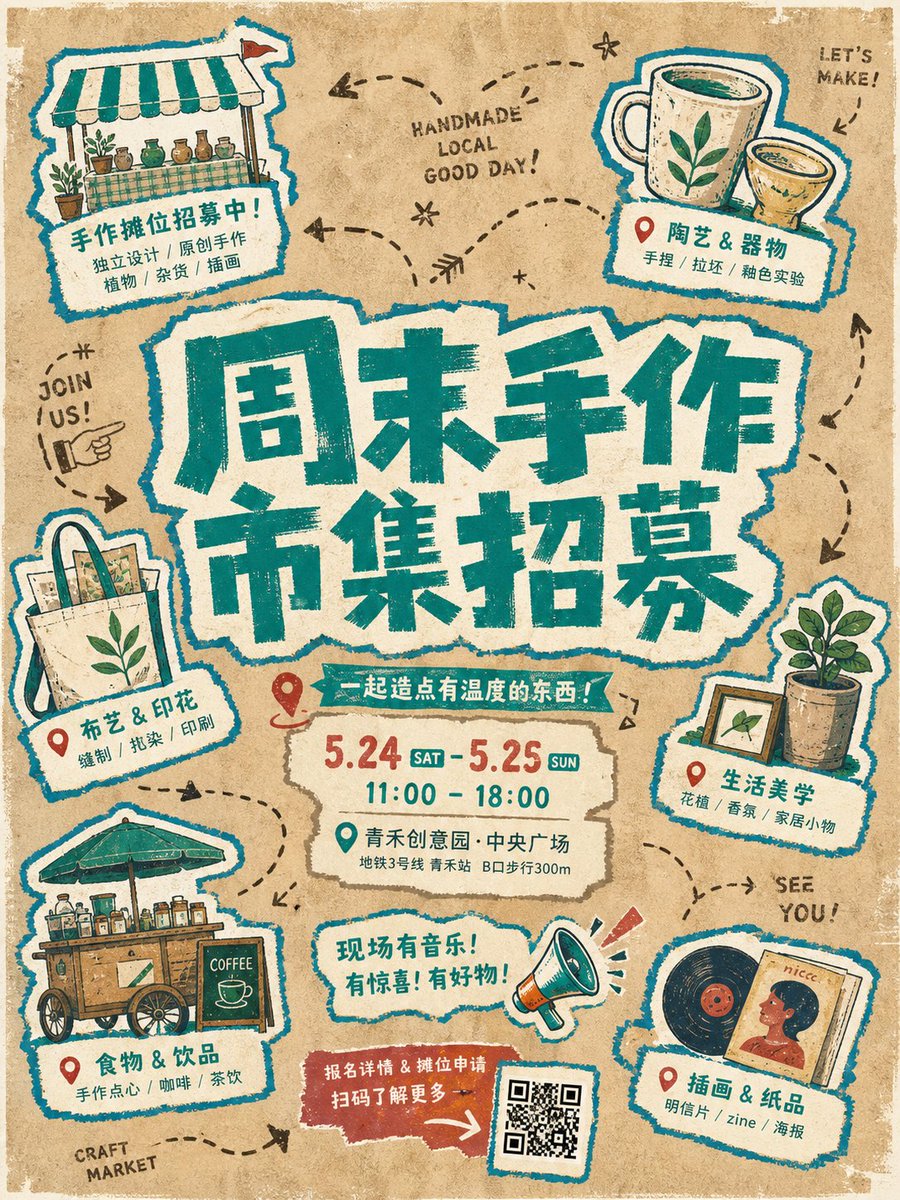
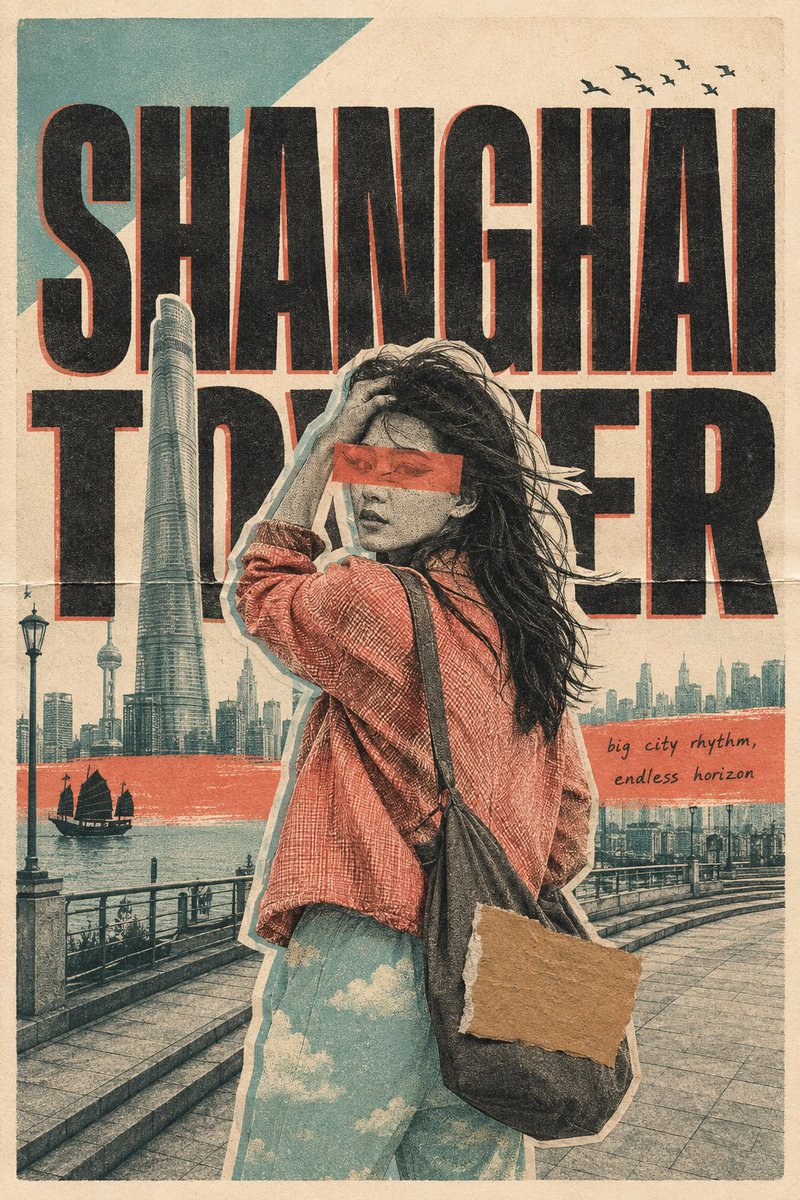
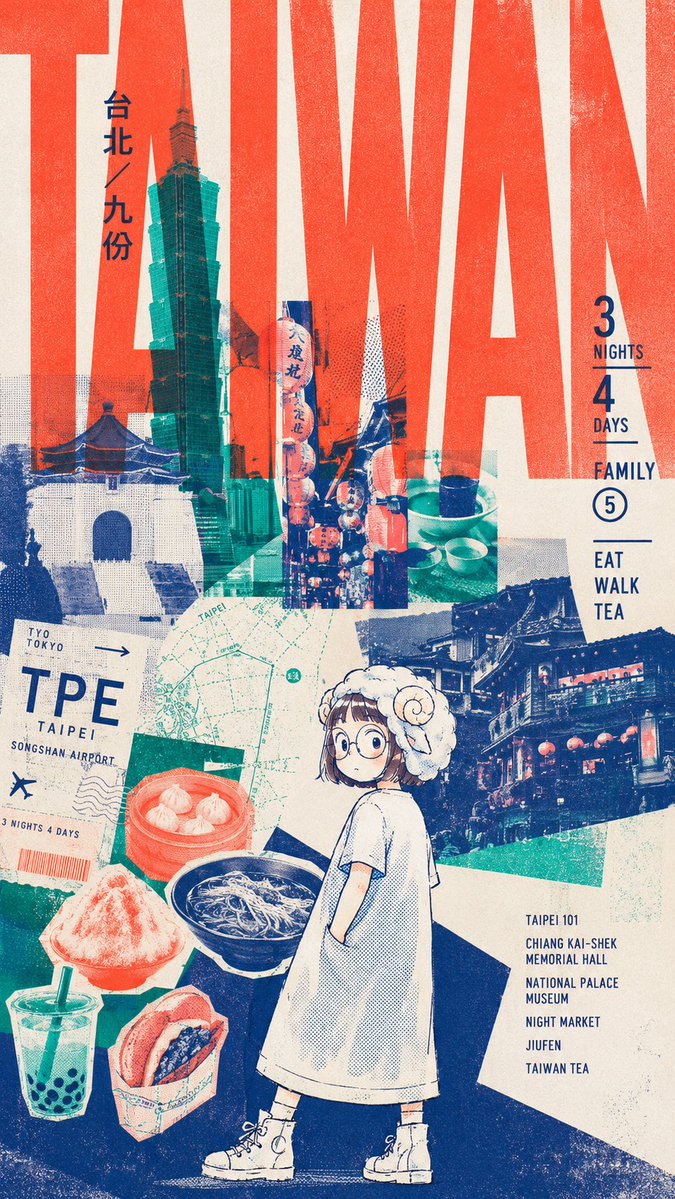
Prioritized by category, input mode compatibility, quality, and lower risk.

Reuse and source notes
Use this prompt safely after previewing the case.
- 1.Copy the prompt or open it directly in Dovoo with the generation button.
- 2.Adjust variables, aspect ratio, and reference images for your own use case.
- 3.Before publishing or paid usage, verify source rights, attribution requirements, and brand or likeness risks.
Can I use this prompt commercially?
Commercial-use status is allowed. Review the original source, license, brand constraints, and legal requirements before paid usage.
Where does this case come from?
This case is imported from Awesome GPT Image 2 Prompts; keep attribution visible and check the source URL before reuse.