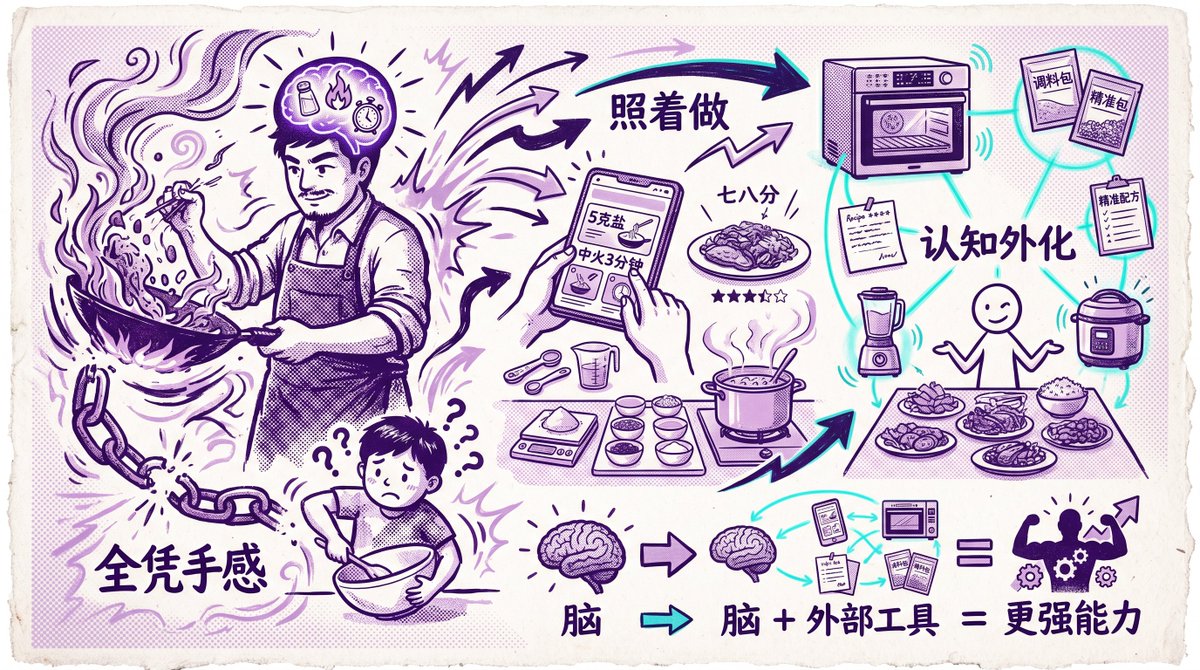
Chinese Cooking Cognition Infographic
A retro comic-style Chinese infographic illustrating the shift from intuition-based cooking to recipe-driven, tool-augmented cooking, suitable for articles or social posts about AI, workflows, and externalized cognition.
This is a GPT Image 2 prompt case for Illustration & Art. Use the copy-ready prompt below to generate similar visuals, and review Awesome GPT Image 2 Prompts attribution plus commercial-use rights before reuse.
Free 1K preview
Generate one preview image instantly, no sign-up required.
Prompt
Copy-ready prompt
A retro hand-drawn style Chinese infographic printed on off-white textured paper with a torn edge effect, using a duotone of deep purple and bright cyan, combined with halftone shading and poster-like comic lines. The image contrasts intuitive manual cooking with tool-assisted cooking and cognitive offloading. On the left, an adult chef wearing an apron is dramatically stir-frying in a wok, accompanied by flames, splashing ingredients, swirling smoke, and dynamic motion lines; Show every face clearly with natural, detailed facial features. Above their head is a glowing, brain-shaped thought bubble containing 3 small icons: a seasoning bottle, a flame, and a timer/clock, radiating outwards. In the lower left corner, a broken chain hangs next to a prominent Chinese character "全凭手感" (relying entirely on feel). Below the chef, a small figure is stirring a bowl with a confused expression, surrounded by exactly 4 question marks. In the center of the image, multiple bold arrows point from the chef's intuition towards a structured cooking workflow. Above the center is the prominent Chinese character "照着做" (follow the instructions). Below, a hand is holding a smartphone displaying clear Chinese text, including "5 grams of salt" and "medium heat for 3 minutes", with a finger clicking the screen. Around the phone are measuring tools and ingredients: 2 measuring spoons, 1 measuring cup, 1 electronic scale, and 6 neatly arranged small bowls, next to a steaming pot and a finished dish. Next to the finished dish is the Chinese text “七八分” (about 7-80%) and a 5-star rating with 4 solid stars and 1 empty star. On the right is a conceptual diagram of cognitive offloading, with a smiling stick figure chef standing behind a dining table. A node network connected by cyan lines contains exactly 6 tool/information nodes: a smart oven at the top, 2 packages labeled “调料包” (seasoning pack) and “榨酱包” (sauce pack) respectively, 1 clipboard labeled “精准配方” (precise recipe), 1 blender, 1 rice cooker, and 1 recipe notebook. The center of the network features the prominent Chinese character “认知外化” (cognitive offloading). In front of the stick figure, on the table, are exactly 5 plates/bowls of prepared food. At the bottom is a simplified cognitive formula: a brain icon pointing to a smaller brain icon, followed by a set of external tools/documents (including a smartphone screen, a microwave-like device, and 3 paper/manual-like items), then an equals sign, and finally a muscular human silhouette with gears inside the torso and an upward arrow near the shoulders. Below or next to this formula is bold Chinese text “脑 + 外部工具 = 更强能力” (brain + external tools = stronger ability), with the first “脑” (brain) character also displayed separately below the left brain icon. Use expressive sketch arrows, doodle lightning bolts, comic emphasis symbols, and a balanced left-to-right flow to visually convey the transition from pure intuition to repeatable systems and enhanced capabilities.
Best for
- - Illustration & Art visual exploration
- - Image generation and reference-image edits
- - Reusable briefs that keep source attribution visible
Change these parts
- - Subject, product, character, or scene
- - Aspect ratio, camera, lighting, and background
- - Brand, text, color, and output constraints
Recommended model and settings
- - Model: gpt-image-2
- - Input mode: Text to Image
- - Aspect ratio: source
- - Commercial status: review original source
How to use this prompt
- 1. Copy the prompt and preserve its structure for the first test.
- 2. Replace the subject, context, and publishing channel.
- 3. Change one camera, lighting, or style variable per iteration.
- 4. Inspect the output, source, text, and rights before reuse.
Limitations, source, and reuse cautions
- - Generated output is an editable draft, not factual, legal, or rights evidence.
- - Review the linked source, people, brands, logos, text, and third-party media before commercial use.
More cases in this category
Prioritized by category, input mode compatibility, quality, and lower risk.
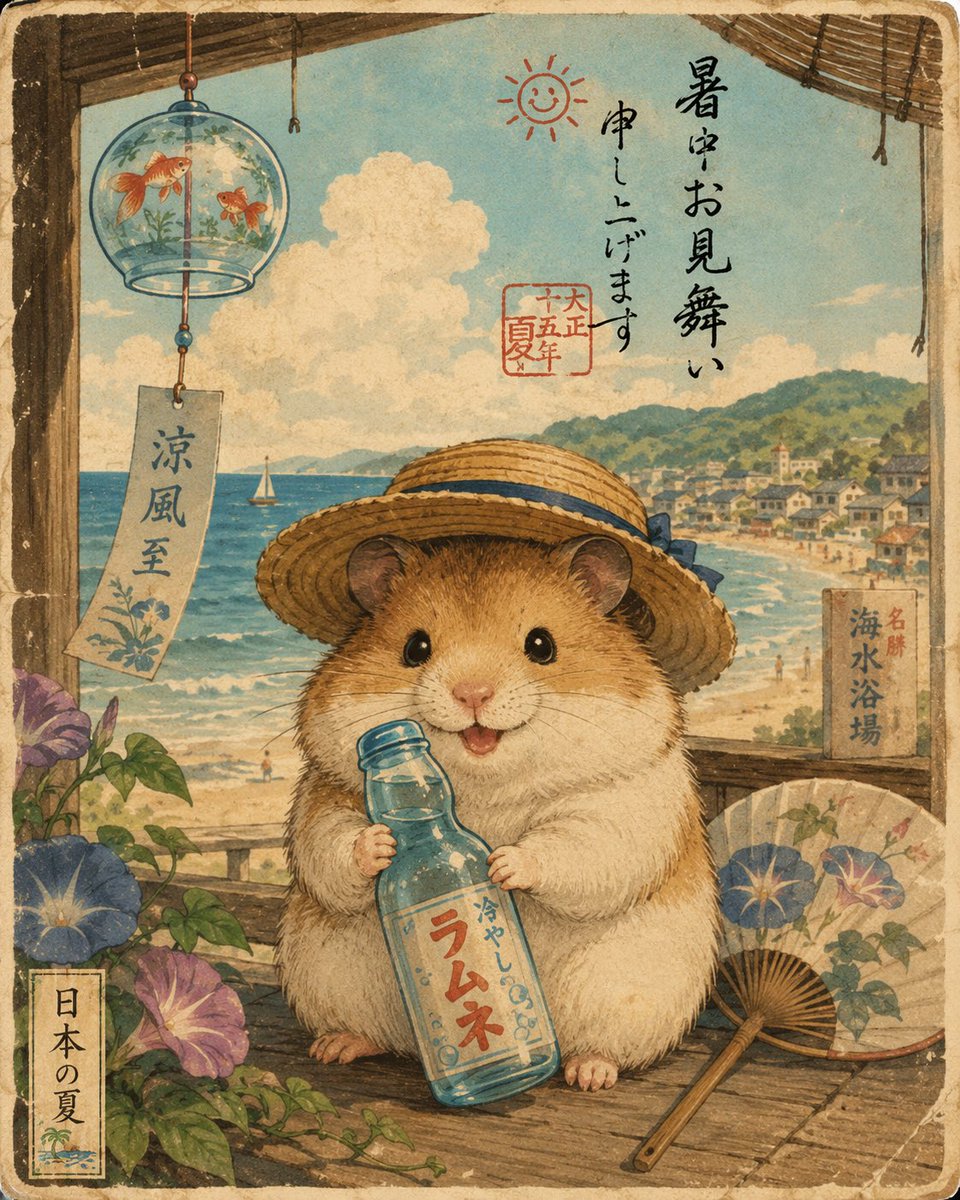
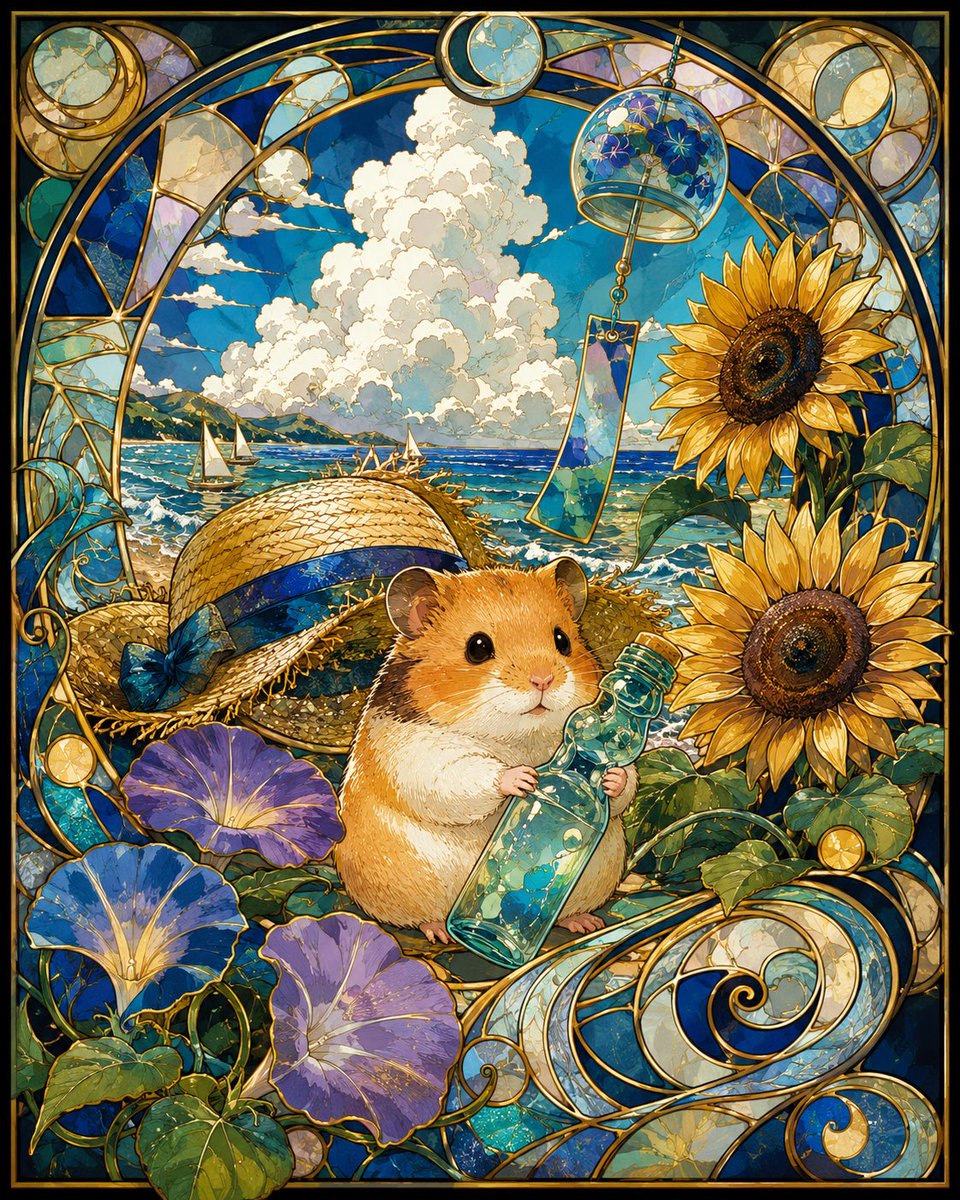
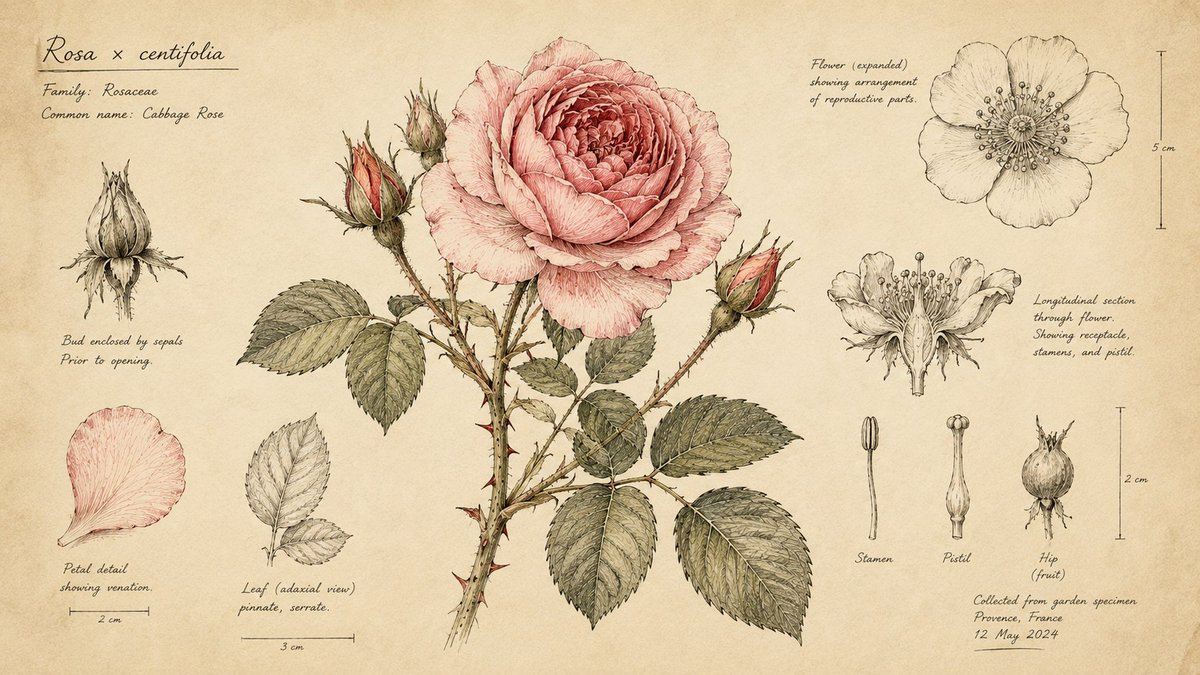


Reuse and source notes
Use this prompt safely after previewing the case.
- 1.Copy the prompt or open it directly in Dovoo with the generation button.
- 2.Adjust variables, aspect ratio, and reference images for your own use case.
- 3.Before publishing or paid usage, verify source rights, attribution requirements, and brand or likeness risks.
Can I use this prompt commercially?
Commercial-use status is allowed. Review the original source, license, brand constraints, and legal requirements before paid usage.
Where does this case come from?
This case is imported from Awesome GPT Image 2 Prompts; keep attribution visible and check the source URL before reuse.