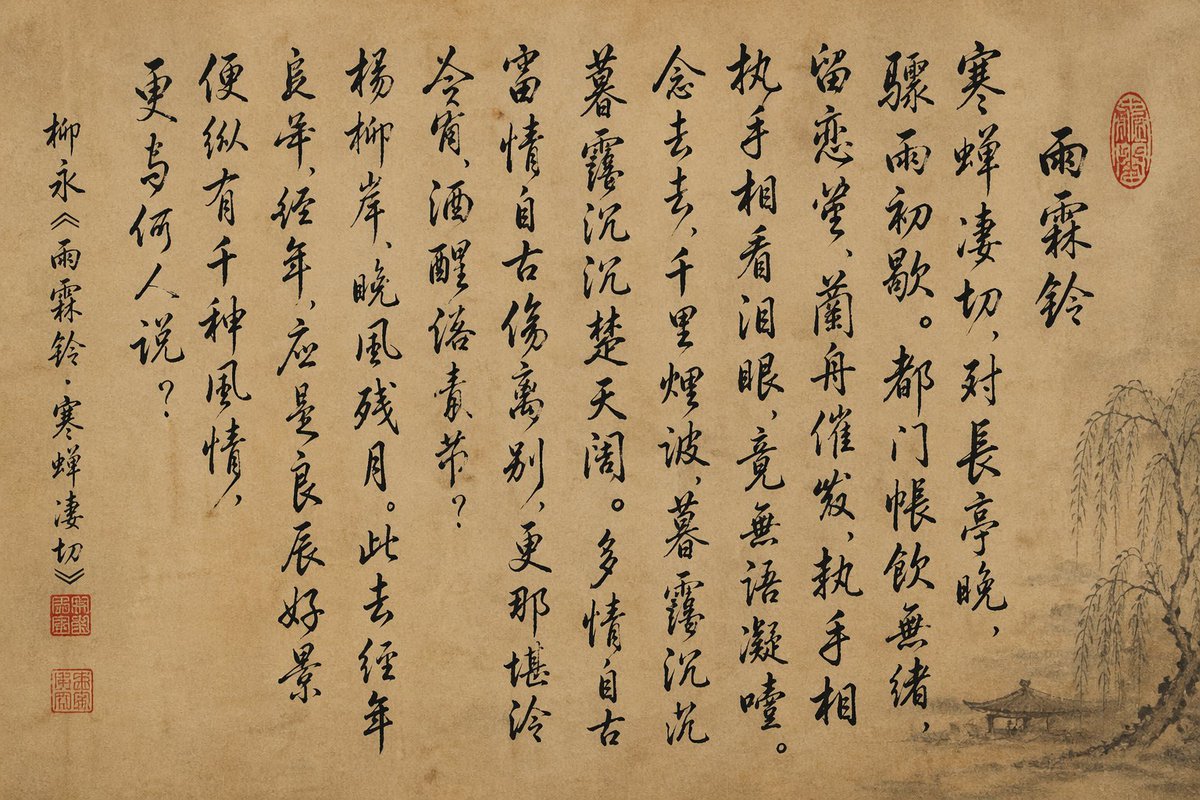
Chinese Calligraphy Poem Scroll
This prompt generates an antique-style Chinese brush calligraphy artwork with poem text, seals, and a faint ink landscape, suitable for cultural art prints or classical literature visuals.
This is a gpt-image-2 prompt case for 插画艺术. Use the copy-ready prompt below to generate similar visuals, and review Awesome Nano Banana Pro Prompts attribution plus commercial-use rights before reuse.
Prompt
Copy-ready prompt
A traditional Chinese calligraphy work painted on aged brown Xuan paper, with a horizontal composition, presents the style of a reproduction of an antique literati hanging scroll. The main composition consists of large, bold black cursive script calligraphy, arranged in 10 columns from right to left, with the title of the poem at the top of the rightmost column.{argument name="poem title" default="Rain Bell"} The calligraphy should appear elegant, fluid, and expressive, exhibiting variations in ink density, the texture of dry brushstrokes, transitions in stroke thickness, and natural handwriting spacing, rather than perfect typography. Please use the poem text written in the image, including any typos. The main column on the right begins with: “The cicadas chirp sadly, as evening falls on the long pavilion, the sudden rain has just ceased. At the city gate, the farewell feast is joyless; reluctant to leave, the orchid boat urges departure. Holding hands, we gaze at each other with tearful eyes, speechless and choked with emotion. Thinking of the journey ahead, a thousand miles of misty waves, the twilight deepening over the vast Chu sky. Since ancient times, love has always been associated with sorrowful partings, how much more so on this cold night, when weary and tired after waking from a drunken stupor? On the willow bank, the dawn wind and the waning moon. This journey will last for years, a time of good times and beautiful scenery. Even with a thousand kinds of feelings, to whom can I speak?” Place a narrower column of inscriptions on the far left, containing one line of vertical text.{argument name="signature text" default="Liu Yong's "Rainy Night Bell - The Cicadas' Mournful Cry""} Add a total of four red seals: one oval collector's seal near the upper right edge, and three square seals stacked vertically near the lower left corner. In the lower right corner, add a light monochrome ink wash landscape painting, featuring a weeping willow and a small pavilion by the water, partially integrated into the paper background. The paper should have a warm, aged brown feel, with subtle stains, spots, mold, and worn edges, possessing the texture of a museum photograph. The overall atmosphere should be elegant, poetic, and imbued with a sense of history and scholarly refinement, like a Song Dynasty-style calligraphy artwork photographed under soft, even lighting.Prompt variables
Editable argument placeholders found in the prompt, with their default values.
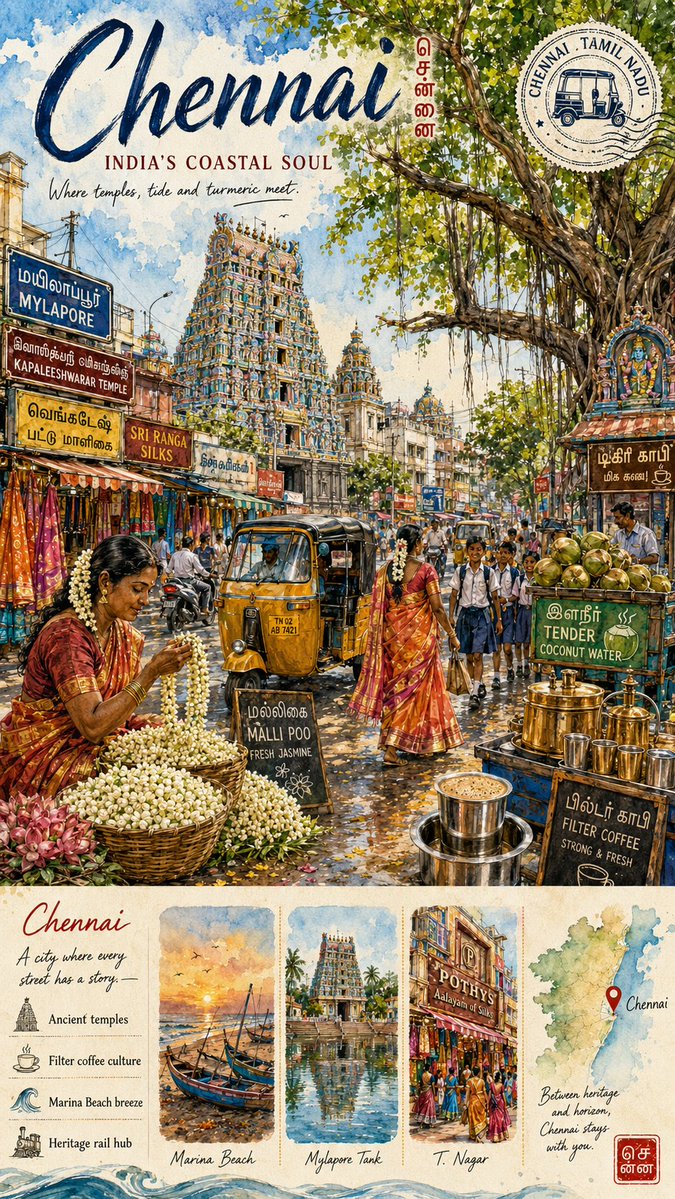
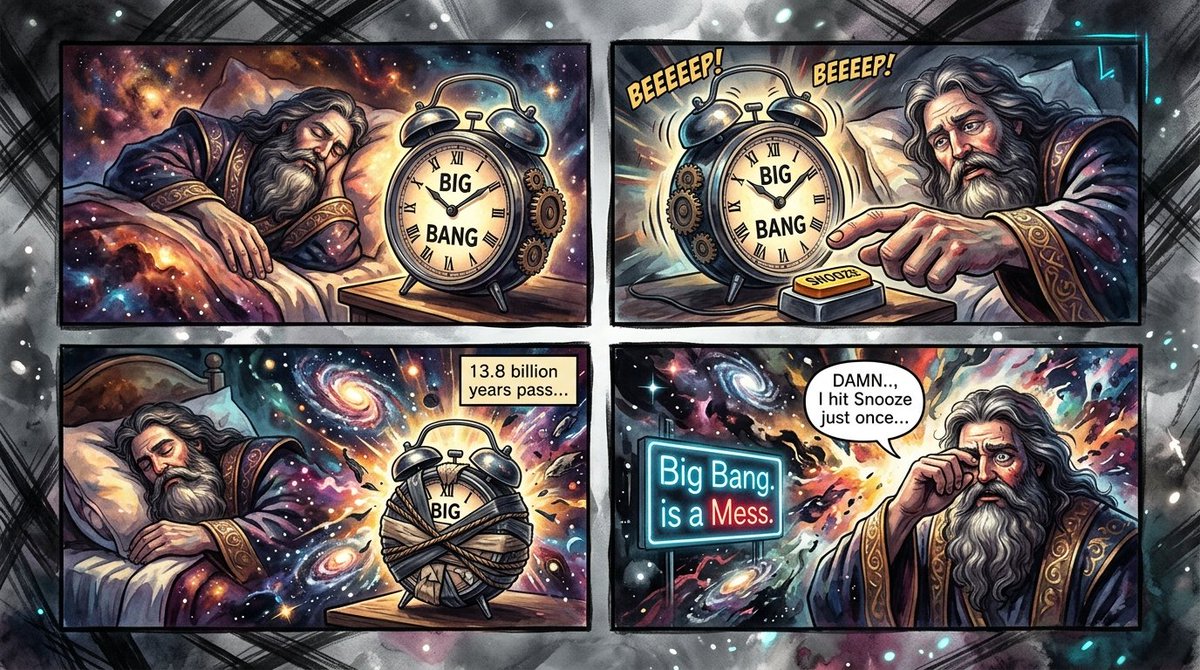
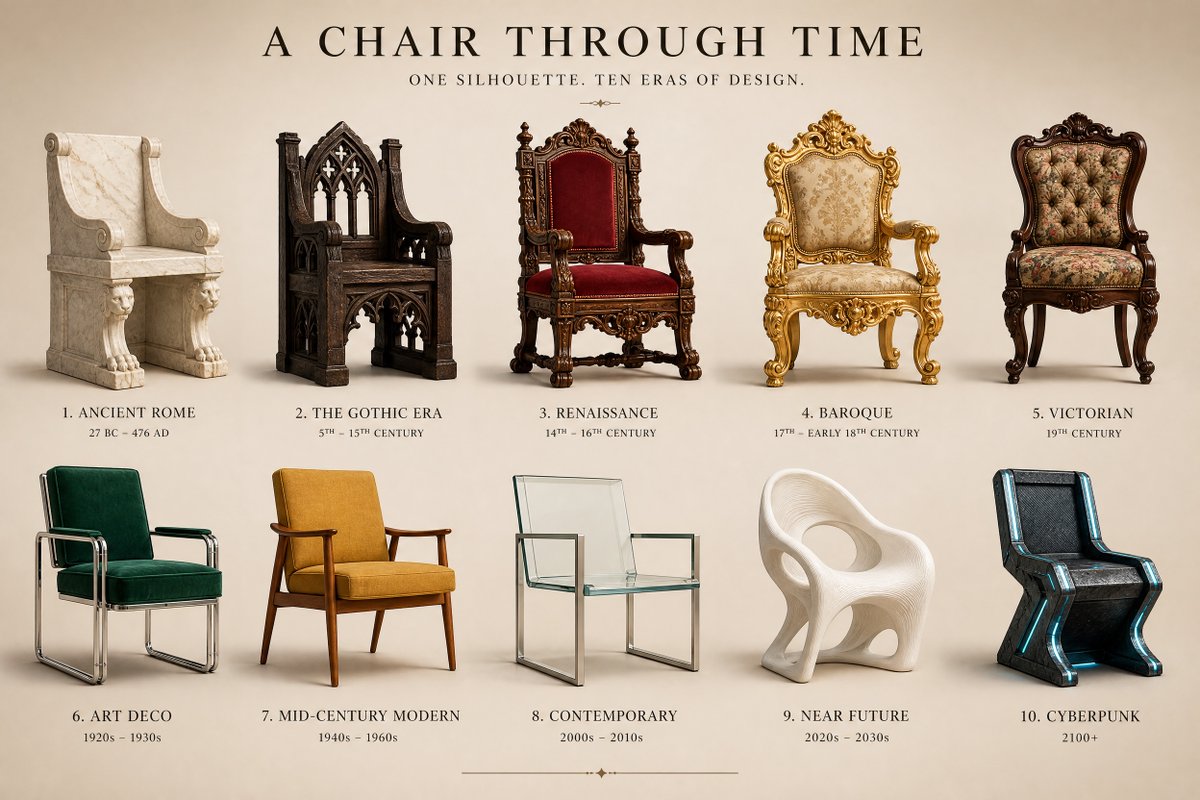
More cases in this category
Prioritized by category, input mode compatibility, quality, and lower risk.

Reuse and source notes
Use this prompt safely after previewing the case.
- 1.Copy the prompt or open it directly in Dovoo with the generation button.
- 2.Adjust variables, aspect ratio, and reference images for your own use case.
- 3.Before publishing or paid usage, verify source rights, attribution requirements, and brand or likeness risks.
Can I use this prompt commercially?
Commercial-use status is restricted. Review the original source, license, brand constraints, and legal requirements before paid usage.
Where does this case come from?
This case is imported from Awesome Nano Banana Pro Prompts; keep attribution visible and check the source URL before reuse.