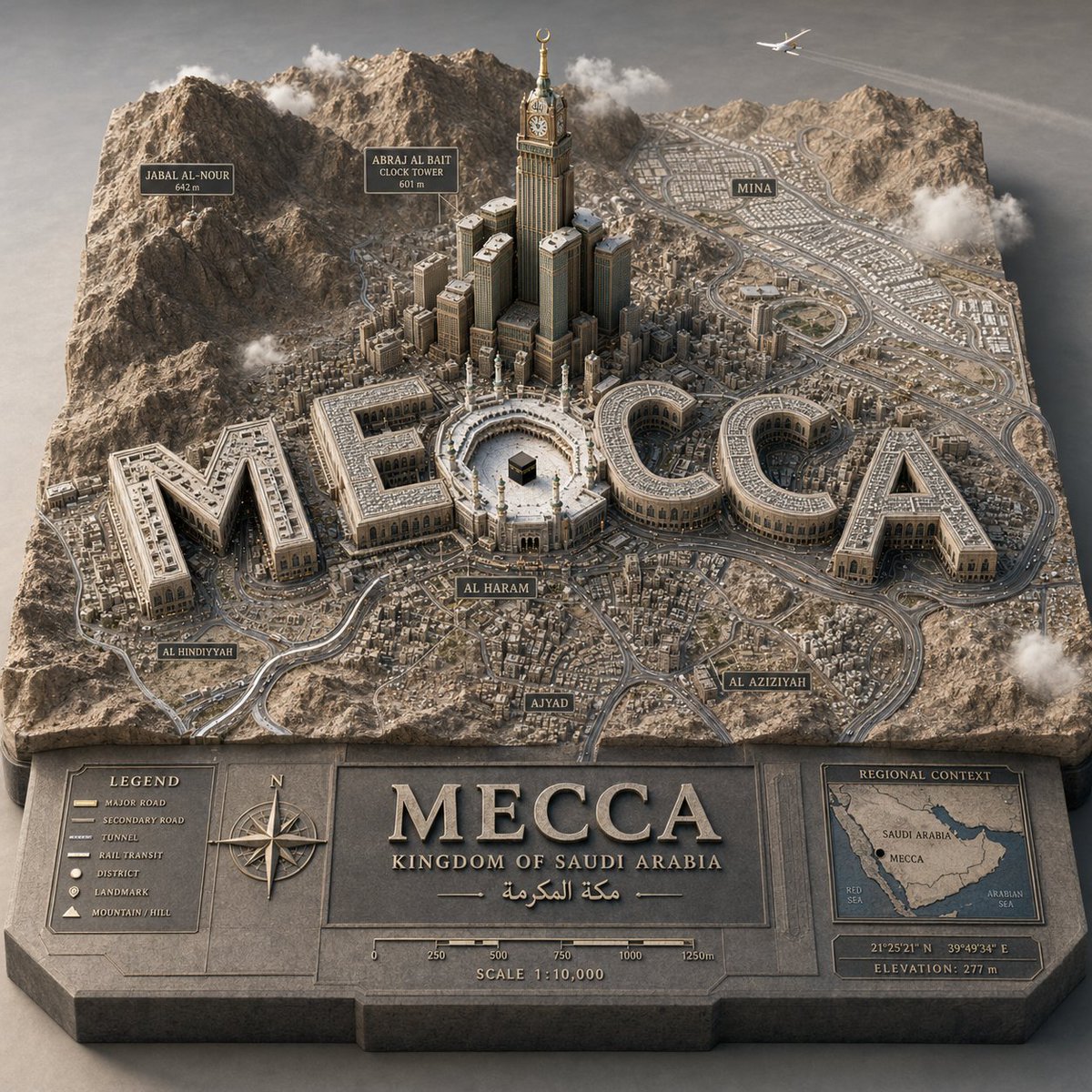
3D Cartographic City Diorama
A complex parametric scene graph prompt for generating high-end 3D urban relief maps with monumental typography integrated into the architecture.
This is a GPT Image 2 prompt case for 其他灵感. Use the copy-ready prompt below to generate similar visuals, and review Awesome GPT Image 2 Prompts attribution plus commercial-use rights before reuse.
Prompt
Copy-ready prompt
PYTHON_SCENE_GRAPH :: PARAMETRIC_CITY_RELIEF class Variables: city = "{argument name="city" default="[CITY]"} "city_name_text = "{argument name="city name" default="literal city name from input"} "region_context = "Infers country, topography, climate, culture, and city characteristics" topography = "Infers mountains, rivers, coastlines, plains, islands, deserts, and hills" urban_grid = "Infers region density, roads, transportation corridors, and city layout" landmarks = "Infers landmark_set(city)" signature_core = "Infers the most symbolic central landmark or public space" style = "Luxury 3D map city model" class TerrainSlab: form = "Thick, raised, perforated map base" surface = Variables.topography edges = "Engraved title panel, legend, compass, scale bar, and illustrated area map" material = "Matte stone/plaster/map model material" class CityTypography: text = Variables.city_name_text form = "Monumental 3D font" function = "Each letter is a habitable building volume" placement = "Integrated into the city map, not floating" rule = "Text must remain readable from an overhead view" class UrbanLayer: roads = Variables.urban_grid districts = "Inferring community and density zones" landmarks = Variables.landmarks core = Variables.signature_core labels = "Derived location labels based on city geography" class Atmosphere: camera = "High-angle three-quarter macro view" lighting = "Soft, high-end studio daylight" details = "Vehicles, clouds, airplanes, trees, people only shown where appropriate" def render(): return """{argument name="target city" default="[CITY]"} Rendered as a raised, 3D topographical map model, where city names are transformed into monumental buildings, supplemented with inferred geography, landmarks, labels, roads, and atlas-style cartographic details.Prompt variables
Editable argument placeholders found in the prompt, with their default values.
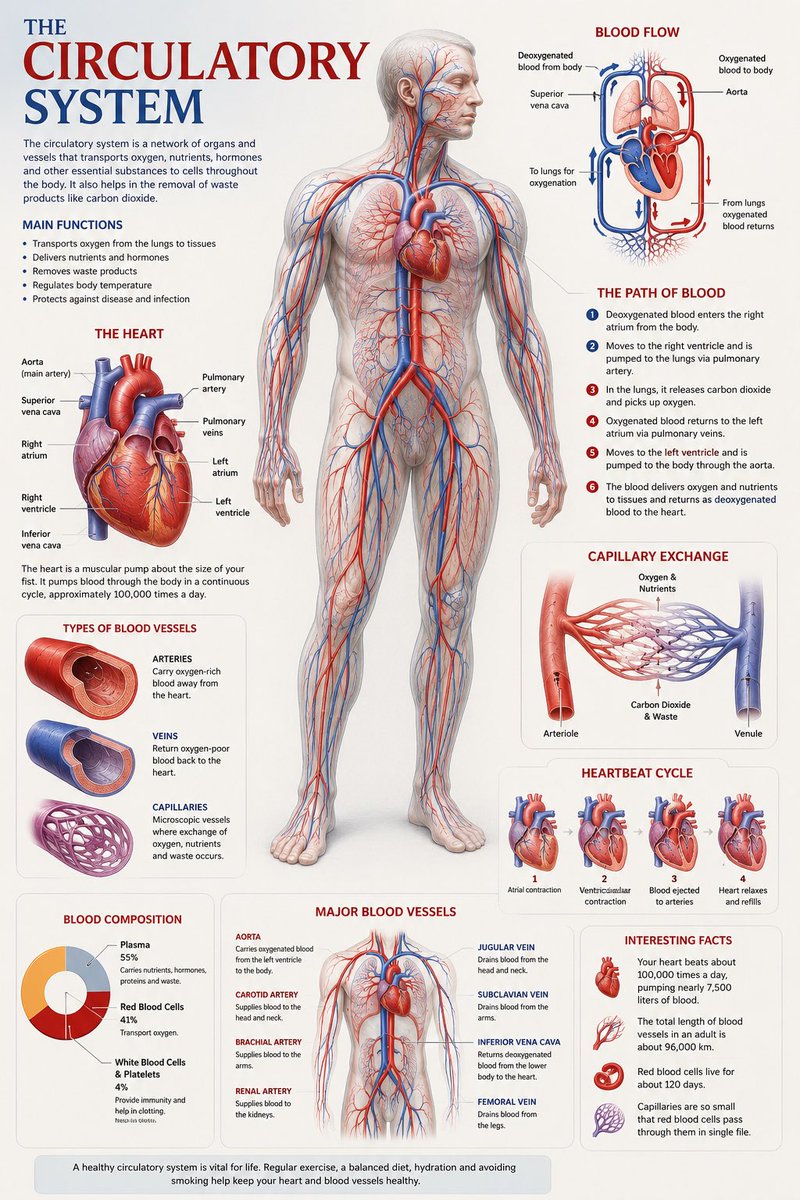
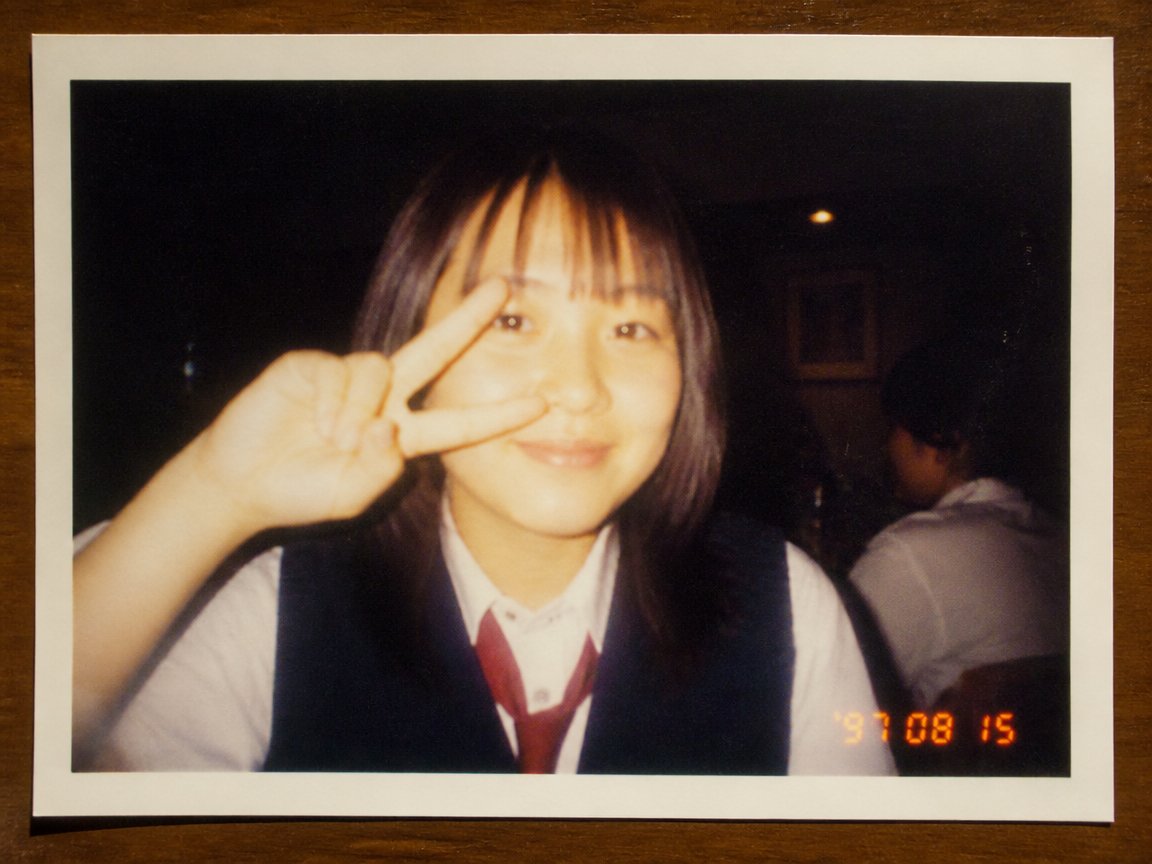
More cases in this category
Prioritized by category, input mode compatibility, quality, and lower risk.



Reuse and source notes
Use this prompt safely after previewing the case.
- 1.Copy the prompt or open it directly in Dovoo with the generation button.
- 2.Adjust variables, aspect ratio, and reference images for your own use case.
- 3.Before publishing or paid usage, verify source rights, attribution requirements, and brand or likeness risks.
Can I use this prompt commercially?
Commercial-use status is allowed. Review the original source, license, brand constraints, and legal requirements before paid usage.
Where does this case come from?
This case is imported from Awesome GPT Image 2 Prompts; keep attribution visible and check the source URL before reuse.