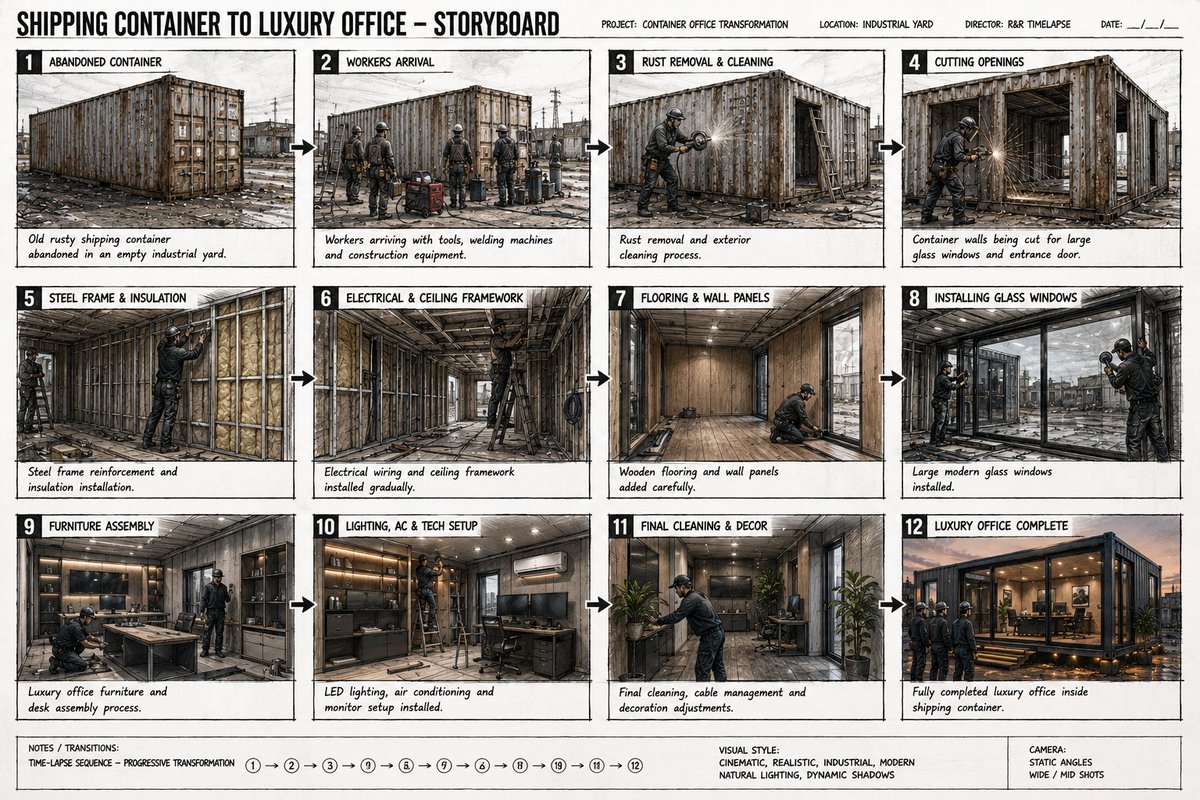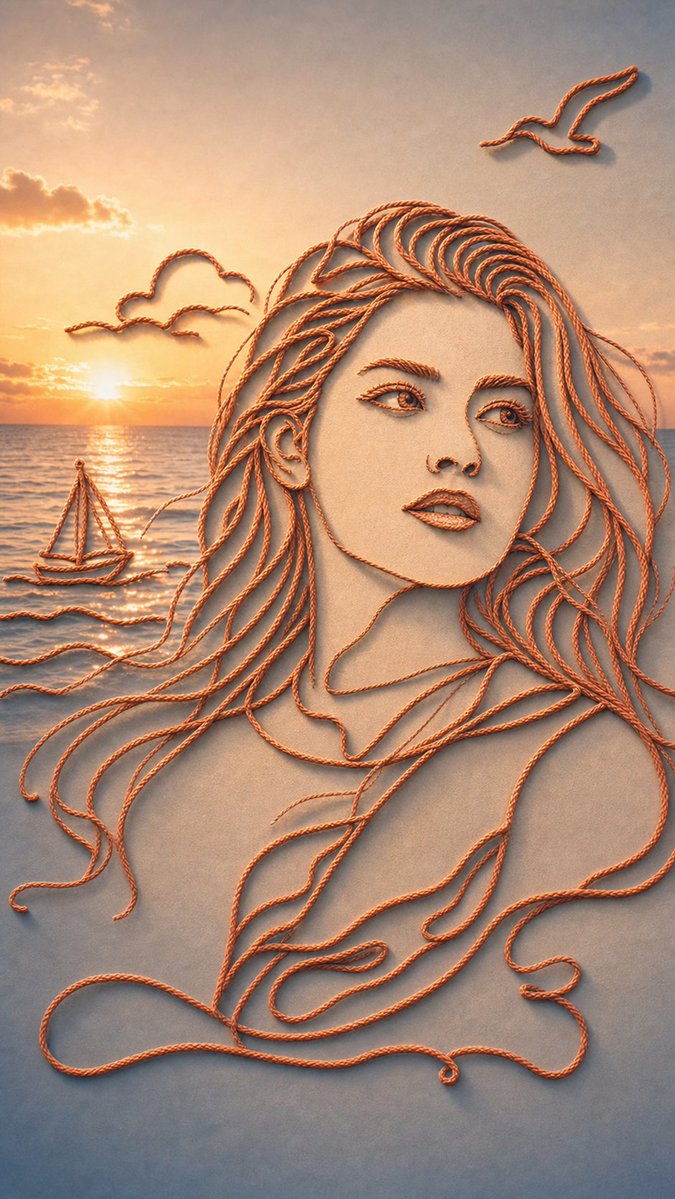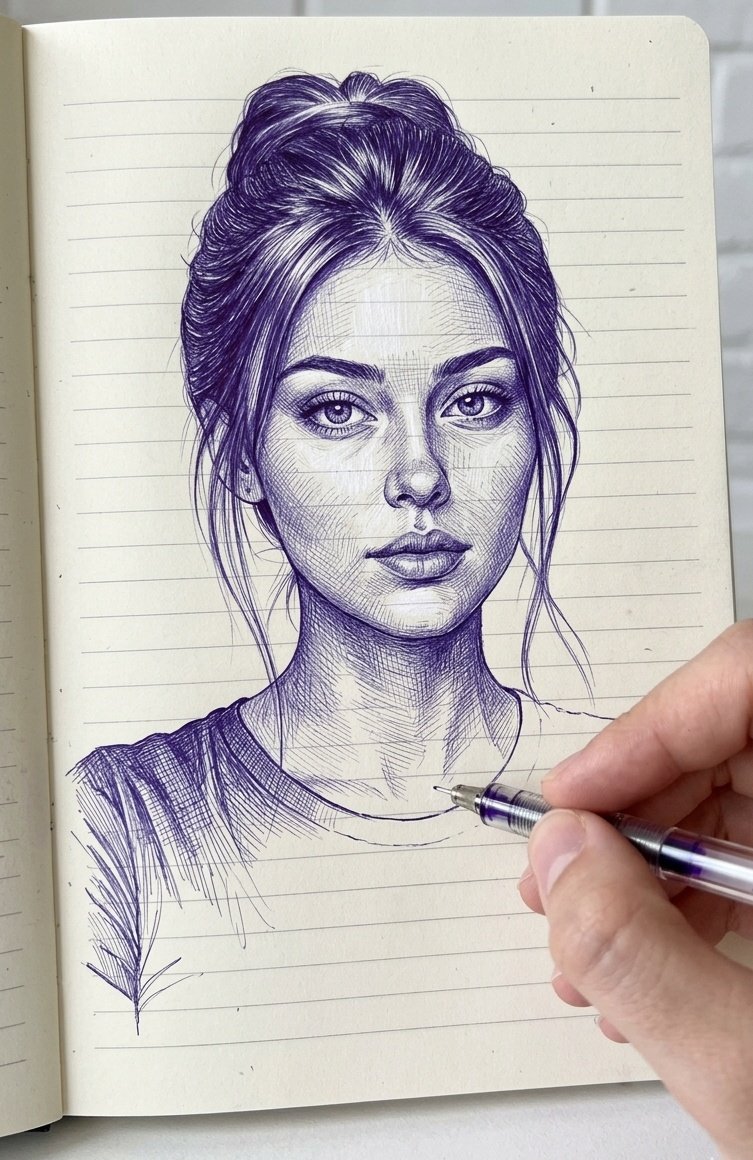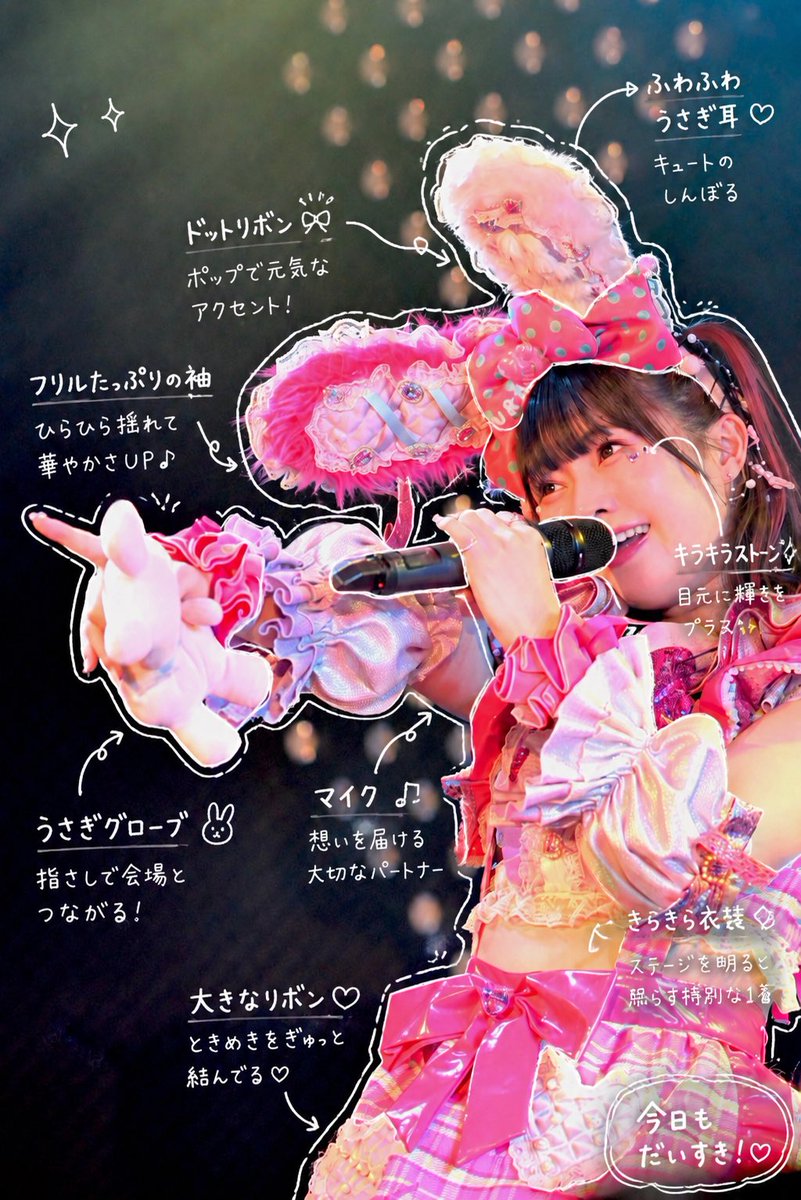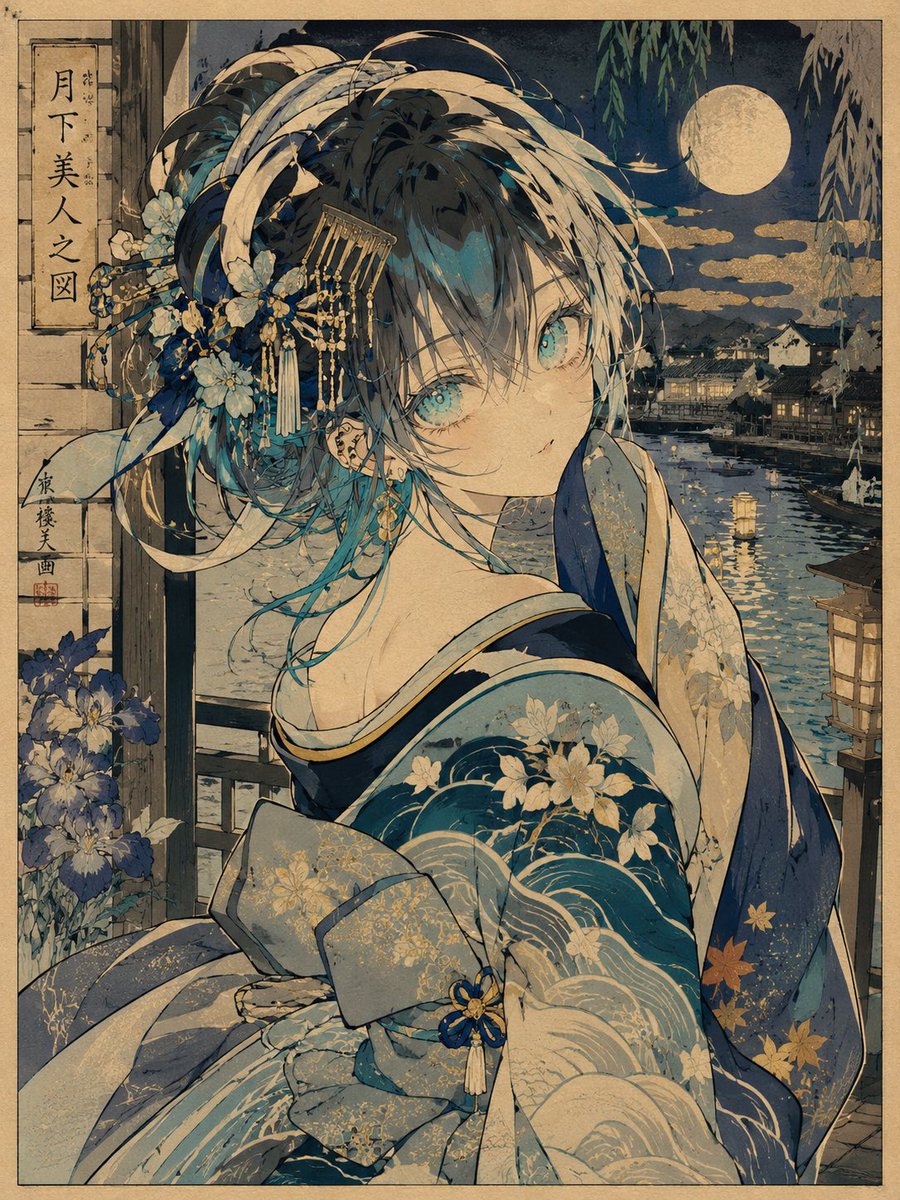
Ukiyo-e Character Transformation
A highly detailed prompt for transforming a character into a refined Japanese ukiyo-e style illustration, specifically influenced by the aesthetics of Kitagawa Utamaro.
提示词
可复制提示词
Use the uploaded character strictly as the identity reference only. Transform the character into a {argument name="art style" default="refined Japanese ukiyo-e inspired illustration"} influenced by Kitagawa Utamaro aesthetics while preserving the character’s recognizable face, hairstyle, hair color, eye shape, silhouette, and emotional identity. The image should feel like: a luxurious modern-anime reinterpretation of a traditional ukiyo-e bijin-ga artwork. IMPORTANT: The character should pose with elegant, flowing, asymmetrical “Utamaro-style” body language rather than modern anime action posing. Pose direction examples: - {argument name="pose" default="looking back over the shoulder"} - adjusting hair ornaments - partially hiding the mouth with a sleeve - delicate hand near the neck or collar - seated side pose with flowing kimono silhouette - graceful walking motion - turning mid-movement - subtle emotional gesture - elegant fan interaction - layered sleeve movement - quiet theatrical gesture. The pose must feel: graceful, poetic, feminine, rhythmical, silhouette-focused, naturally flowing. Avoid: action pose, fighting pose, idol pose, modern peace sign, hand reaching toward camera, stiff standing, symmetrical pose, exaggerated perspective. Clothing: Transform the character into a stylized ukiyo-e fantasy kimono aesthetic. Use: simplified layered kimono, elegant obi, flowing sleeves, subtle seasonal motifs, clean silhouette, controlled ornament density. Patterns should use: waves, flowers, clouds, maple leaves, gold dust, traditional geometric motifs, ink gradients. Keep the design visually organized and readable. Do not overdecorate. Hair and accessories: Add elegant kanzashi, cords, comb ornaments, silk ribbons, or subtle fantasy ornamentation inspired by Edo-period beauty paintings. Background: Create a beautiful ukiyo-e inspired {argument name="environment" default="Japanese environment"}. Possible elements: moonlit riverside, paper lantern streets, Edo-style wooden architecture, folding screens, cherry blossoms, misty gardens, rain over old bridges, flowing water, gold-leaf clouds, ink-painted sky, stylized waves, cranes, red maple trees, traditional interior spaces. The background should feel: atmospheric, painterly, elegant, layered, softly detailed. Composition: The composition should resemble: ukiyo-e bijin-ga, Japanese woodblock print, traditional hanging scroll, elegant Japanese poster art. Use: asymmetrical balance, strong negative space, layered foreground/background, graceful silhouette design, flowing kimono shapes, subtle depth. Art style: modern ukiyo-e anime fusion, Utamaro-inspired beauty painting, Japanese woodblock print aesthetics, flat layered coloring, soft washi-paper texture, controlled ink outlines, stylized traditional shading, elegant Japanese color palette, minimal realism, high readability, refined silhouette design, traditional Japanese artistic atmosphere.提示词变量
从提示词中识别到的可编辑 argument 占位符及默认值。
变量
art style
默认值
refined Japanese ukiyo-e inspired illustration
变量
pose
默认值
looking back over the shoulder
变量
environment
默认值
Japanese environment
同分类案例
优先推荐同分类、同输入模式且风险更低的案例。
Tomorrowland Retro Streetwear Illustration
text to image

Notebook Ink Sketch Transformation
single image to image

Minimalist Children's Illustration Style
single image to image

Minimalist Hand-Drawn Children Illustration
single image to image

Illustrated Personal Sketchbook Infographic
single image to image

Minimalist Scandinavian Children's Illustration
single image to image
复用与来源说明
看完案例后,再安全复用这个提示词。
- 1.复制 prompt,或点击生成入口在 Dovoo 中直接打开。
- 2.按你的用途调整变量、画面比例和参考图。
- 3.发布或商用前,复核来源权利、归因要求以及品牌、肖像或版权风险。
这个提示词可以商用吗?
当前商业使用状态为 unknown。付费或公开使用前,请复核原始来源、许可、品牌限制和法务要求。
这个案例来自哪里?
该案例导入自 GPT Image 2 OpenLab gpt-image-2-prompts;复用时请保留来源归因,并打开来源 URL 检查最新授权信息。