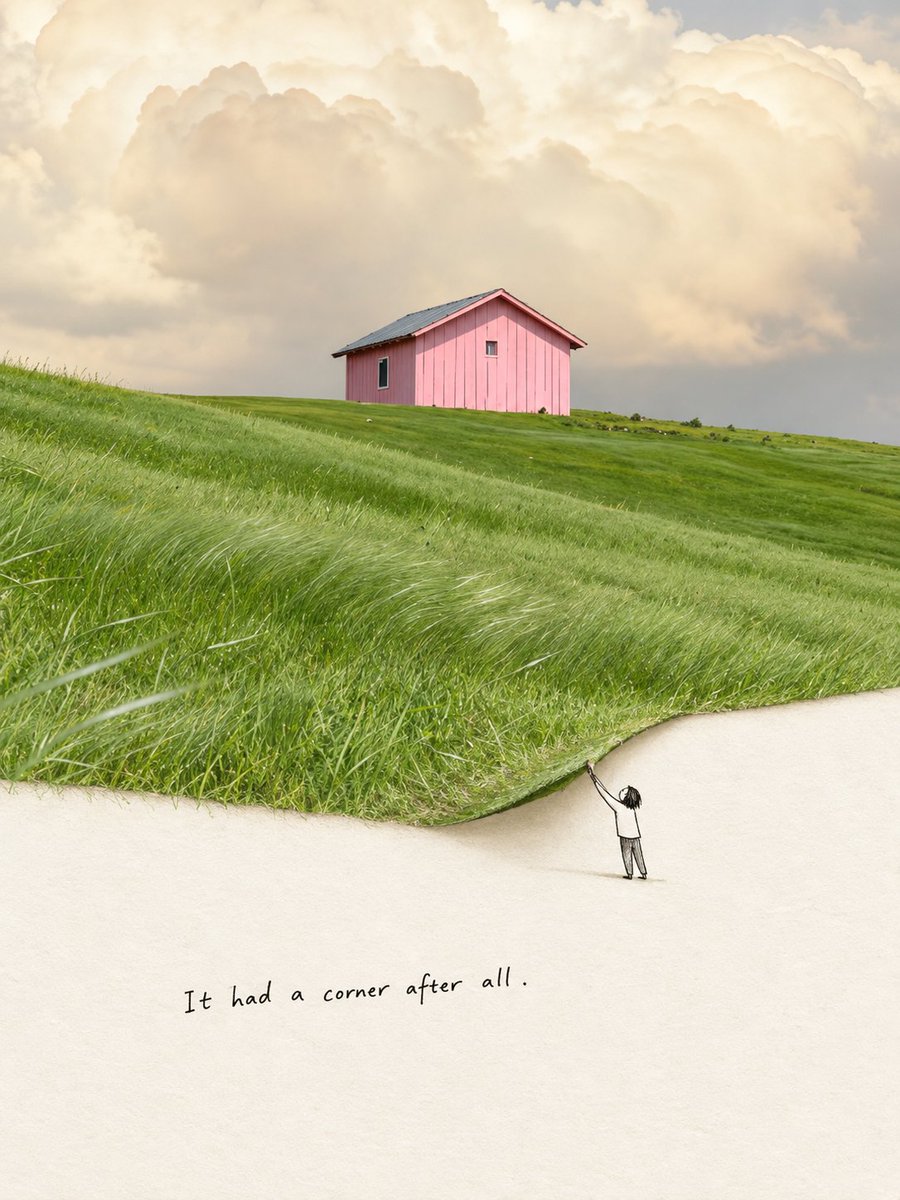
GPT Image 2 Second World Surreal Photo Poster
A detailed prompt for generating surreal photo posters where the top half is a real photo and the bottom half expands into a conceptual 'second world' with mixed media elements.
這是一個插畫與藝術的GPT Image 2範例。請使用下方可直接使用的提示資訊產生類似的視覺素材,並在重複使用前查看Awesome GPT Image 2 Prompts署名和商業用途授權資訊。
需要完整的提示符號集?請使用 插畫與藝術 主題中心提供更多相關範例,或打開 GPT Image 2 提示庫 有關完整範例索引、可重複使用結構和來源歸屬的資訊。
Free 1K preview
Generate one preview image instantly, no sign-up required.
Free text preview doesn’t preserve reference-image consistency.
3493/4000
提示詞
可直接複製的提示
Based on each uploaded photograph, create an independent 3:4 vertical 'Second World' conceptual surrealist photo illustration poster. Output each separately, no collages. Strictly 1:1 split vertically. The top half is the original realistic photo; the bottom half is another layer of space growing from within the photo. They are not stitched together but exist as continuous presences in different narrative layers of the same moment.
The top half should faithfully preserve the original photo as much as possible, without changing the subject, action, spatial relationships, lighting, color, or texture. Only perform necessary proportional cropping and slight high-end tonal adjustments to give it a clean, restrained, publication-quality photographic feel.
The creative focus is not on the 'subject matter' but on re-understanding the visual structure. First, observe the most decisive structural clues in this photo (e.g., boundaries, slopes, water surfaces, reflections, shadows, cracks, roads, branches, clouds, contours, gaps, flow, repetitive rhythms, spatial turns, or poses). Find the part best suited to 'cross the boundary'. Then let it break through the photo's edge into the bottom half, undergoing a translation of purpose, scale, semantics, or narrative role upon entry. It's not simple extension, but transforming something real into another existence that can be used, entered, measured, salvaged, repaired, organized, borrowed, unfolded, or collected in the second layer of space.
The bottom half is a warm, quiet, off-white space with subtle paper texture and ample whitespace. It is not an illustration background or decoration area, but a place to receive the 'new logic after crossing the boundary'. The relationship follows: Reality → Crossing → Translation. The charm comes from a smart and accurate cross-layer narrative, not cute decorations.
You may add minimal black hand-drawn line art figures (0-3), few but precise. Figures are users of the second world, interacting authentically with the translated structures. Lines should be light, simple, natural, slightly handmade, not cutesy, complex, or distracting. Actions should be specific, restrained, and smart, like seriously handling a small thing inherent to this world.
You may add a short English handwritten caption, generated based on the actual 'Second World event' happening in the image. Tone should be like a casual discovery or soft narration, with a hint of humor and lingering interest. Do not write inspirational quotes, explain allegories, or use templates.
The overall style should present a synthesis of Mixed-Media Photo Illustration, Surreal Photomontage, Frame-Breaking Illusion, Trompe-l'œil, Visual Metaphor, and Conceptual Editorial Illustration. Formally cross-media collage, mechanically frame-breaking, core visual metaphor, emotional tone gentle, slight, and smart micro-surrealism.
Do not make it a template of 'photo + small people + sentence'; do not have extension without translation; do not have form without metaphor; do not force sentimentality; avoid commercial ad feel, complex illustration feel, repetitive actions, baseless decoration, mechanical collage, hard connections, or cheap healing vibes.
Final Goal:
Let viewers first see a valid real photo, then suddenly discover an element crossing into another layer of space, gaining an unexpected yet extremely natural new meaning there.
Not adding creativity to the photo, but revealing the second reality latent within it.
Best for
- - 插畫與藝術 visual exploration
- - Image generation and reference-image edits
- - Reusable briefs that keep source attribution visible
Change these parts
- - Subject, product, character, or scene
- - Aspect ratio, camera, lighting, and background
- - Brand, text, color, and output constraints
Recommended model and settings
- - Model: gpt-image-2
- - Input mode: 圖生圖
- - Aspect ratio: source
- - Commercial status: review original source
How to use this prompt
- 1. Copy the prompt and preserve its structure for the first test.
- 2. Replace the subject, context, and publishing channel.
- 3. Change one camera, lighting, or style variable per iteration.
- 4. Inspect the output, source, text, and rights before reuse.
Limitations, source, and reuse cautions
- - Generated output is an editable draft, not factual, legal, or rights evidence.
- - Review the linked source, people, brands, logos, text, and third-party media before commercial use.
內容來自Awesome GPT Image 2 Prompts 。必須註明出處。商業用途狀態為allowed ;付費使用前請查看來源版權資訊。
此類案例更多
按類別、輸入模式相容性、品質和低風險進行優先排序。
重用和來源註釋
預覽案例後,請謹慎使用此提示。
- 1.複製提示或直接在 Dovoo 中使用生成按鈕開啟提示。
- 2.根據您的實際使用情況調整變數、寬高比和參考影像。
- 3.發布或付費使用前,請確認版權、署名要求以及品牌或肖像權風險。