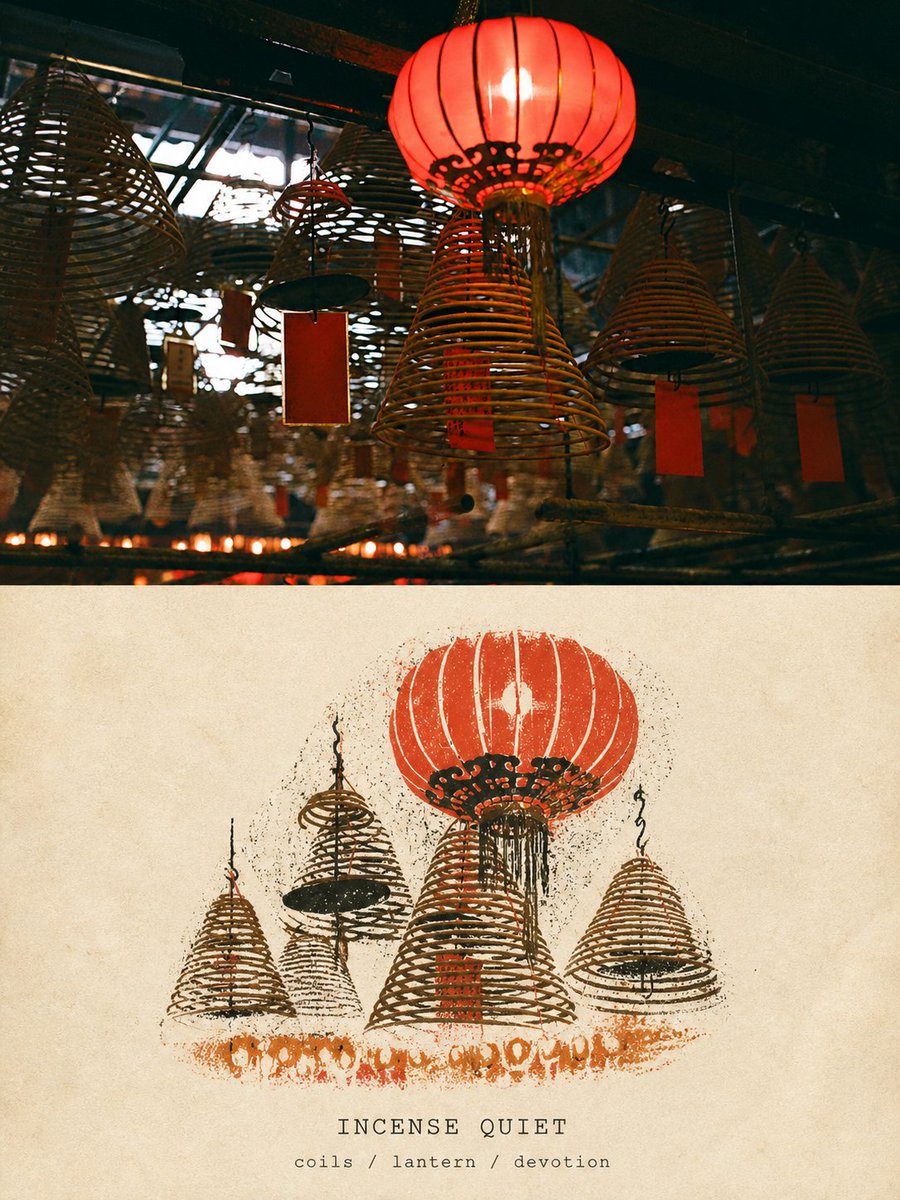
Travel Relief Print Poster
A design-centric prompt that splits a poster into a high-fidelity photo and a matching limited-color relief print version of the same travel scene.
這是一個平面設計和海報設計的GPT Image 2範例。請使用下方可直接使用的提示資訊產生類似的視覺素材,並在重複使用前查看Awesome GPT Image 2 Prompts署名和商業用途授權資訊。
需要完整的提示符號集?請使用 平面設計和海報設計 主題中心提供更多相關範例,或打開 GPT Image 2 提示庫 有關完整範例索引、可重複使用結構和來源歸屬的資訊。
Free 1K preview
Generate one preview image instantly, no sign-up required.
Free text preview doesn’t preserve reference-image consistency.
3724/4000
提示詞
可直接複製的提示
Please use the currently uploaded photo as the sole reference to create a complete, independent, high-end travel design poster in a single image editing generation. Do not add other reference photos, do not use multi-image stitching, grids, or generate poster mockups. Output only the front side of the poster itself. I. Overall Layout: Use an exact 3:4 vertical composition. The frame is divided into two horizontal areas of nearly 1:1 height, each occupying about 50% of the total. The boundary is clear, horizontal, and restrained; do not allow the content of the upper and lower sections to encroach on each other. The upper part is a high-fidelity real photography area. The lower part is a limited-color 'TRAVEL RELIEF PRINT' area based on the same photo. Both must represent the same location, subject, and travel memory. II. Upper Part: High-Fidelity Retention of Original Photo. The upper part must faithfully preserve the uploaded original photo. Accurately maintain: - Subject identity and quantity - Posture, movement, and direction of people or animals - Architectural structure, terrain, and street orientation - Vehicles and core objects - Original observation angle and spatial perspective - Relative positions of important objects - Real materials - Natural lighting and shadows - Original color atmosphere. The upper part must clearly look like a real photograph and cannot become a relief print, illustration, painting, or AI-reconstructed photo. Only very slight, restrained high-end photography color grading, dynamic range adjustment, and ultra-thin film grain are allowed to give the photo the texture of an independent travel magazine, architectural photography, art publication, or photography exhibition. To adapt to the upper area, the sky, ground, or surrounding environment can be naturally extended, but the extended content must match the original photo's perspective, texture, light, and spatial direction. Do not stretch, squeeze, distort, mirror, duplicate subjects, change people, move objects, reshape buildings, replace the sky, or use blurred photo copies to fill edges. If natural extension is unreasonable, prefer using clean ivory paper margins consistent with the entire poster rather than damaging the original photo. III. Lower Part: TRAVEL RELIEF PRINT. The lower part uses a warm cream or ivory natural relief print paper background. The paper should have: visible paper grain, subtle paper fibers, slightly rough matte surface, warm archival paper, natural pigment absorption. Select the most recognizable subject or a scene that represents the photo's meaning from the upper photo and remake it into an independent 'travel relief print mark' floating on the paper. Retain identifying features: - Subject's outer contour - Posture or direction of movement - Main light and shadow divisions - Perspective direction - Key structures - Texture and rhythm - Signature colors - Most important spatial relationships. Actively delete: - Complex backgrounds - Repetitive architectural structures - Numerous windows - Dense crowds - Irrelevant vehicles - Tiny signs - Miscellaneous items - Fine textures - Secondary objects - Text that cannot be accurately generated. The lower part must exhibit: Relief print texture, woodcut style, linocut aesthetics, ink stamp texture, hand-pressed feel, slightly irregular edges, high-contrast, bold blocks of color, artisanal craftsmanship, screen print overlap. The background color of the entire screen should be uniform, without strong plastic reflections. Prohibited: Any modern UI, text, or typography elements (such as titles, dates, coordinates, prices, logos, etc.). Keep the poster absolutely pure, retaining only the visual image itself.
Best for
- - 平面設計和海報設計 visual exploration
- - Image generation and reference-image edits
- - Reusable briefs that keep source attribution visible
Change these parts
- - Subject, product, character, or scene
- - Aspect ratio, camera, lighting, and background
- - Brand, text, color, and output constraints
Recommended model and settings
- - Model: gpt-image-2
- - Input mode: 圖生圖
- - Aspect ratio: source
- - Commercial status: review original source
How to use this prompt
- 1. Copy the prompt and preserve its structure for the first test.
- 2. Replace the subject, context, and publishing channel.
- 3. Change one camera, lighting, or style variable per iteration.
- 4. Inspect the output, source, text, and rights before reuse.
Limitations, source, and reuse cautions
- - Generated output is an editable draft, not factual, legal, or rights evidence.
- - Review the linked source, people, brands, logos, text, and third-party media before commercial use.
內容來自Awesome GPT Image 2 Prompts 。必須註明出處。商業用途狀態為allowed ;付費使用前請查看來源版權資訊。
此類案例更多
按類別、輸入模式相容性、品質和低風險進行優先排序。
重用和來源註釋
預覽案例後,請謹慎使用此提示。
- 1.複製提示或直接在 Dovoo 中使用生成按鈕開啟提示。
- 2.根據您的實際使用情況調整變數、寬高比和參考影像。
- 3.發布或付費使用前,請確認版權、署名要求以及品牌或肖像權風險。