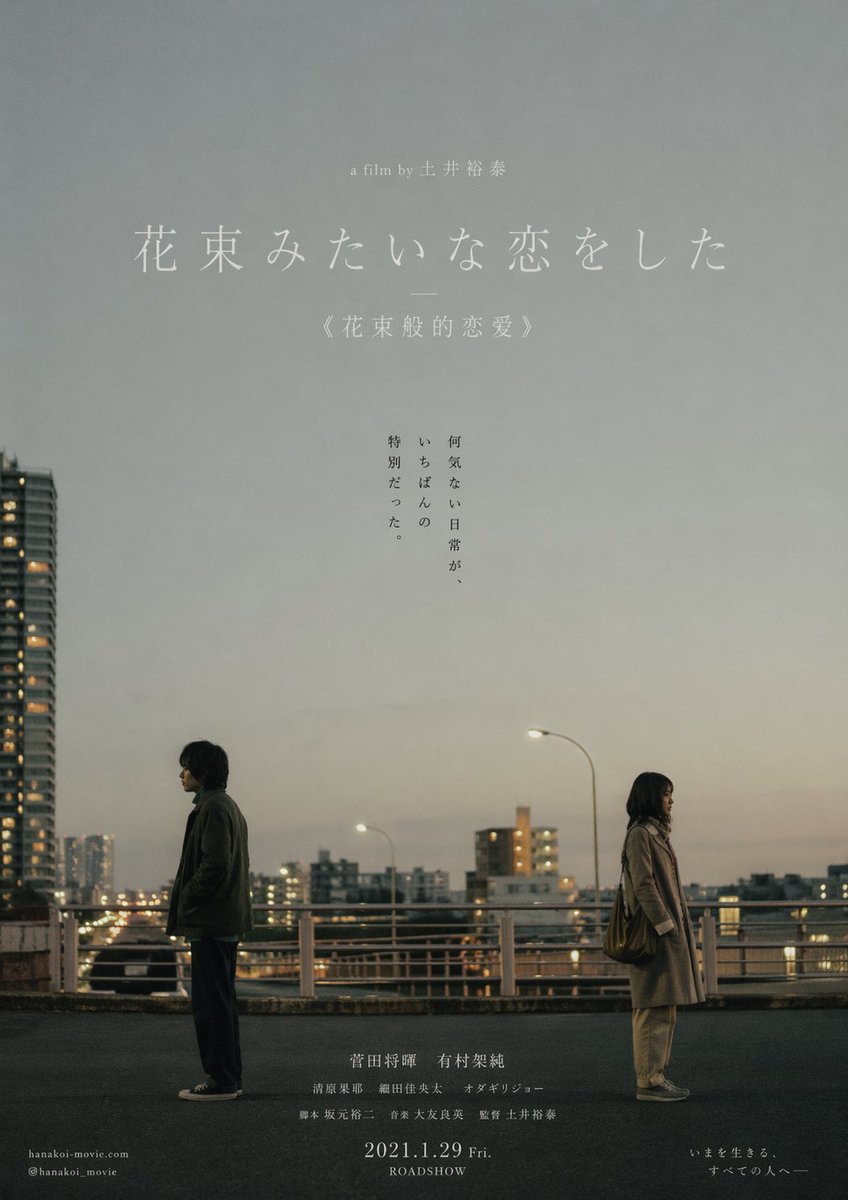
日本寫實愛情電影海報
這是一本非常詳細的日本電影海報美學設計指南,重點在於構圖、自然光和情感距離,靈感來自經典愛情電影。
這是一個平面設計和海報設計的GPT Image 2範例。請使用下方可直接使用的提示資訊產生類似的視覺素材,並在重複使用前查看Awesome GPT Image 2 Prompts署名和商業用途授權資訊。
需要完整的提示符號集?請使用 平面設計和海報設計 主題中心提供更多相關範例,或打開 GPT Image 2 提示庫 有關完整範例索引、可重複使用結構和來源歸屬的資訊。
Free 1K preview
Generate one preview image instantly, no sign-up required.
3872/4000
提示詞
可直接複製的提示
Japanese realistic romance movie poster style, inspired by 'We Made a Beautiful Bouquet', a pair of young Japanese couple in their twenties standing in a daily urban scene (street or intersection), maintaining a subtle and realistic distance from each other, no physical contact, like a moment of gradual estrangement in a relationship. The mood is quiet and restrained, with unuttered emotions and a sense of time passing. The composition is the main visual of a movie, characters located at the bottom or to one side, retaining a large area of white space to emphasize space and atmosphere. Light is natural (overcast or dusk), low-saturation gray-blue, beige, and warm gray tones, realistic photography texture. The image has fine film grain and a slight sense of daily life, not intentionally aesthetic, not over-decorated, like a frame from a real movie. A small amount of natural floral materials can be added at the edges or foreground as a metaphor (restrained, not excessive, not decorative). Add the title '花束みたいな恋をした' in the white space area, thin Mincho font, simple and sparse layout; add 'We Made a Beautiful Bouquet' in a smaller font size below. Overall requirements: Real Japanese movie poster texture, artistic, restrained, everyday life, emphasizing relationships over romantic symbols, avoiding sugary romance, avoiding flower piles, avoiding internet celebrity aesthetics, avoiding crowded compositions, avoiding the 'exquisite but hollow' AI feel. Negative prompt: AI feel, over-aesthetic, sea of flowers, romantic filters, excessive lighting effects, high saturation, neon lights, intimate couple embrace, posed feel, photobooth composition, internet celebrity style, illustration feel, 3D rendering, cluttered elements. Japanese minimalist artistic movie poster style, inspired by 'Love Letter', winter snow scene, a close-up of a young woman's face, face close to or semi-buried in the snow, tiny snowflakes falling naturally. The composition is a restrained close-up side profile or slightly tilted face, with the person occupying a large proportion of the screen but not overly sharp, edges slightly softened or slightly out of focus. Expression is calmness after sadness, with tears or tear marks in the eyes, emotions introverted and restrained, like having just cried and slowly returning to silence, eyes not looking at the camera, with a sense of memory and void. Light is winter natural scattered light or overcast soft light, cool white, light gray, pale blue tones, low saturation, low contrast, no strong shadows, no dramatic lighting effects. The snow and air form a clean background. The image texture is between real photography and film, with fine grain, slight mist, slightly white or slightly overexposed, like an old photo faded by time or a movie still. Skin not overly detailed, no skin smoothing, no sharpening, no retouching. Asymmetric composition, face can be partially cropped, minimalist background, retaining appropriate white space. Add the minimalist title 'Love Letter' or 'ラヴレター' in the white space area, thin Mincho or thin serif font, wide character spacing, sparse layout, color light gray; add 'Love Letter' in a tiny font size below. Overall requirements: Real Japanese artistic movie poster texture, quiet, subtle, restrained, like a memory covered by snow, avoiding photo studio feel, avoiding internet celebrity aesthetics, avoiding refined filters, avoiding lighting effects, avoiding high contrast and high saturation, avoiding sharp digital feel, avoiding theatrical emotions, avoiding 'pretty but hollow'. Negative prompt: AI feel, skin smoothing, sharpening, HDR, high contrast, high saturation, dreamy light effects, lens flare, filter feel, photo studio style, internet celebrity face, posing, looking directly at the camera, exaggerated emotions, 3D rendering, illustration style, complex background.
Best for
- - 平面設計和海報設計 visual exploration
- - Image generation and reference-image edits
- - Reusable briefs that keep source attribution visible
Change these parts
- - Subject, product, character, or scene
- - Aspect ratio, camera, lighting, and background
- - Brand, text, color, and output constraints
Recommended model and settings
- - Model: gpt-image-2
- - Input mode: 文生圖
- - Aspect ratio: source
- - Commercial status: review original source
How to use this prompt
- 1. Copy the prompt and preserve its structure for the first test.
- 2. Replace the subject, context, and publishing channel.
- 3. Change one camera, lighting, or style variable per iteration.
- 4. Inspect the output, source, text, and rights before reuse.
Limitations, source, and reuse cautions
- - Generated output is an editable draft, not factual, legal, or rights evidence.
- - Review the linked source, people, brands, logos, text, and third-party media before commercial use.
內容來自Awesome GPT Image 2 Prompts 。必須註明出處。商業用途狀態為allowed ;付費使用前請查看來源版權資訊。
此類案例更多
按類別、輸入模式相容性、品質和低風險進行優先排序。
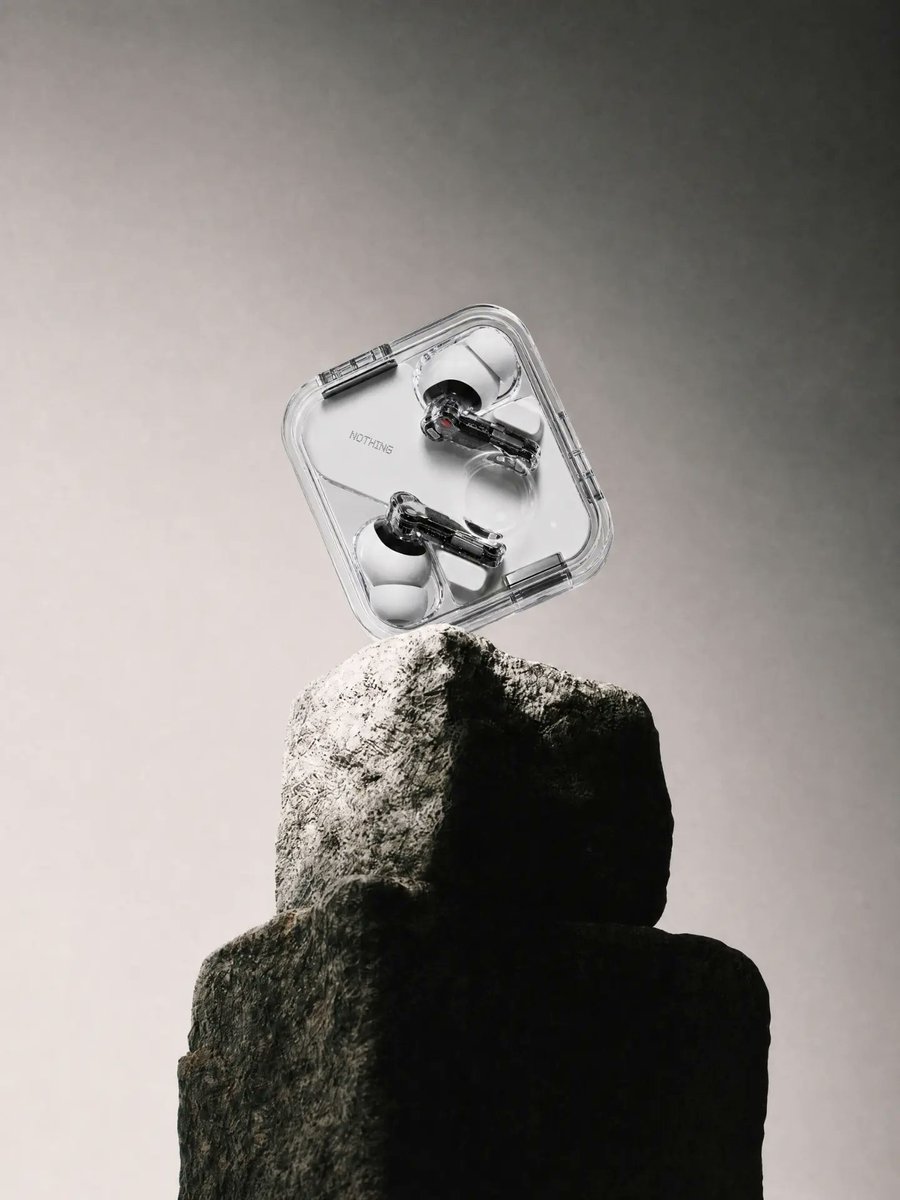
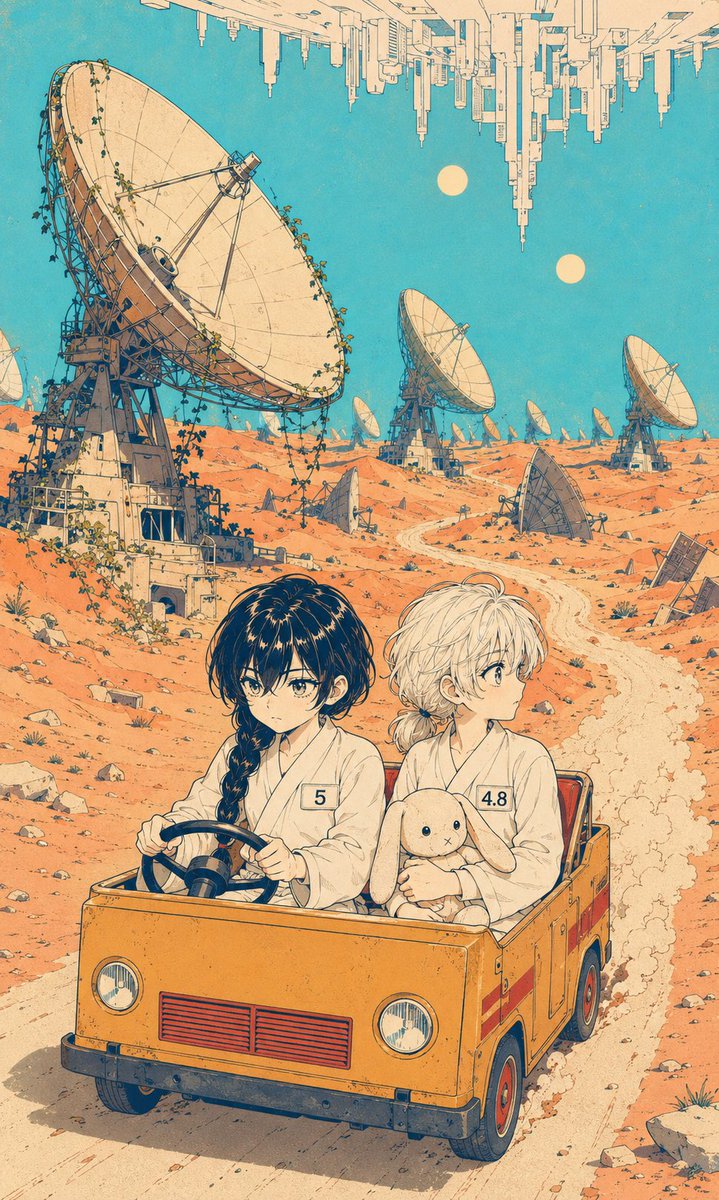
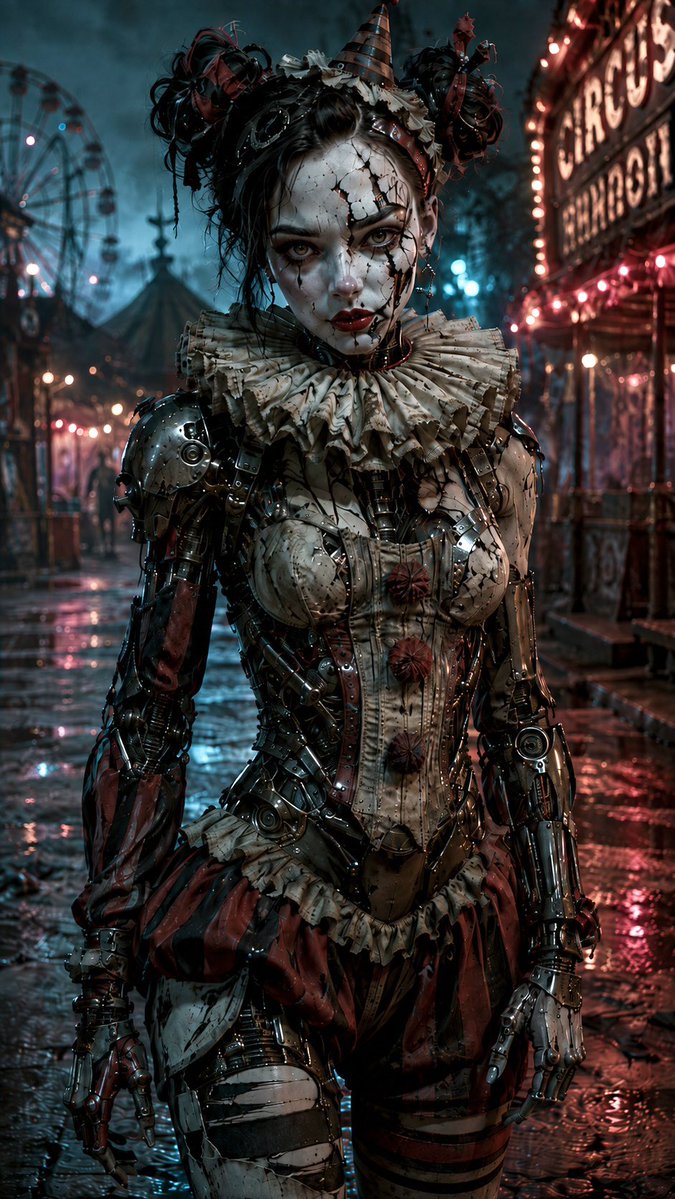
重用和來源註釋
預覽案例後,請謹慎使用此提示。
- 1.複製提示或直接在 Dovoo 中使用生成按鈕開啟提示。
- 2.根據您的實際使用情況調整變數、寬高比和參考影像。
- 3.發布或付費使用前,請確認版權、署名要求以及品牌或肖像權風險。