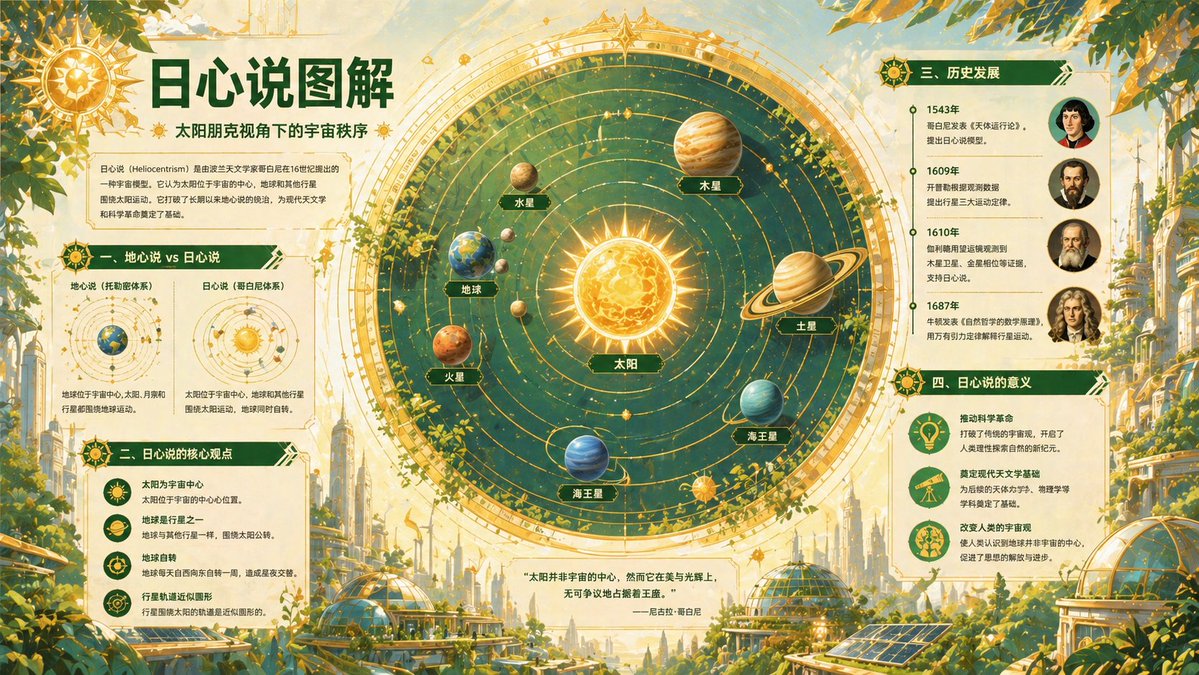
Güneş Merkezli Teori Bilgilendirme Posteri
Güneş merkezciliği açıklayan, ayrıntılı bir Çince eğitim amaçlı bilgi grafiği posteri; bilim eğitimi, astronomi tarihi görselleri veya sunum slaytları için idealdir.
Bu Grafik ve Poster için bir GPT Image 2 örnek senaryosudur. Benzer görseller oluşturmak için aşağıdaki hazır metni kullanın ve yeniden kullanmadan önce Awesome GPT Image 2 Prompts atıfını ve ticari kullanım haklarını inceleyin.
Tüm komut istemi setine mi ihtiyacınız var? Şunu kullanın: Grafik ve Poster Daha fazla ilgili örnek için konu merkezini ziyaret edin veya açın. GPT Image 2 istem kataloğu Tam örnek dizin, yeniden kullanılabilir yapılar ve kaynak atfı için.
Free 1K preview
Generate one preview image instantly, no sign-up required.
3995/4000
İpucu
Kopyalamaya hazır istemi
{
  "type": "educational infographic poster",
  "topic": "{argument name=\"topic title\" default=\"Illustration of Heliocentrism\"}",
  "subtitle": "{argument name=\"subtitle text\" default=\"The Order of the Universe from a Bright Sun's Perspective\"}",
  "language": "Chinese",
  "style": "luxurious fantasy educational poster, ornate scientific diagram, art nouveau inspired, celestial atlas aesthetic, luminous gold and emerald palette, richly detailed, polished digital illustration",
  "composition": {
    "format": "wide landscape poster",
    "background": "utopian futuristic city with elegant towers, domes, terraces, vines, trees, and solar panels, bathed in warm sunlight",
    "border_elements": "leafy branches framing the top corners, decorative golden flourishes, radiant emblem in the upper left",
    "centerpiece": "a large circular heliocentric solar system diagram with concentric orbital rings, glowing sun at the center, planets arranged around it, intricate gold geometric markings and filigree"
  },
  "layout": {
    "sections": [
      {
        "title": "I. Geocentrism vs. Heliocentrism",
        "position": "left middle",
        "count": 2,
        "labels": [
          "Geocentrism (Ptolemaic system)",
          "Heliocentrism (Copernican system)"
        ]
      },
      {
        "title": "II. Core viewpoints of Heliocentrism",
        "position": "left lower",
        "count": 4,
        "labels": [
          "The Sun is the center of the universe",
          "The Earth is one of the planets",
          "Earth's rotation",
          "Planetary orbits are approximately circular"
        ]
      },
      {
        "title": "III. Historical Development",
        "position": "right upper",
        "count": 4,
        "labels": [
          "1543",
          "1609",
          "1610",
          "1687"
        ]
      },
      {
        "title": "Four, the significance of the heliocentric theory",
        "position": "right lower",
        "count": 3,
        "labels": [
          "Promoting the Scientific Revolution",
          "Laying the foundation for modern astronomy",
          "Changed humanity's view of the universe"
        ]
      }
    ],
    "count_total_sections": 4
  },
  "text_blocks": {
    "intro_paragraph": "{argument name=\"intro text\" default=\"Heliocentrism, proposed by Polish astronomer Nicolaus Copernicus in the 16th century, is a cosmological model that places the Sun at the center of the universe, with the Earth and other planets revolving around it. It broke the long-standing dominance of geocentrism and laid the foundation for modern astronomy and the scientific revolution.\"}",
    "quote": "{argument name=\"quote\" default=\"The sun is not the center of the universe, yet it undeniably holds the throne in our brilliance and light. — Nicolaus Copernicus\"}"
  },
  "central_diagram": {
    "title": "heliocentric system",
    "center_label": "Sun",
    "planet_count": 8,
    "planet_labels": [
      "Mercury",
      "Venus",
      "Earth",
      "Mars",
      "Jupiter",
      "Saturn",
      "Uranus",
      "Neptune"
    ],
    "details": "Earth shown with a small moon nearby, Saturn with prominent rings, each planet rendered as a dimensional painted sphere with a dark green and gold nameplate"
  },
  "visual_motifs": {
    "icon_count": 8,
    "icons": "small circular green-and-gold icons beside bullet lists and section headers, including sun, orbit, rotation, telescope, lightbulb, and worldview symbols",
    "ornamentation": "glowing particles, thin gold lines, elegant frames, botanical accents woven into the infographic",
    "mood": "inspiring, scholarly, radiant, mythic yet informative"
  },
  "rendering": {
    "quality": "highly detailed, crisp typography, premium poster design, harmonious hierarchy, readable infographic blocks",
    "lighting": "soft golden daylight with luminous highlights around the sun and metallic accents",
    "camera": "straight-on full poster view"
  }
}
İstem değişkenleri
Komut isteminde bulunan, düzenlenebilir argüman yer tutucuları ve varsayılan değerleri.
Değişken
topic title
Varsayılan
Illustration of Heliocentrism
Değişken
subtitle text
Varsayılan
The Order of the Universe from a Bright Sun's Perspective
Değişken
intro text
Varsayılan
Heliocentrism, proposed by Polish astronomer Nicolaus Copernicus in the 16th century, is a cosmological model that places the Sun at the center of the universe, with the Earth and other planets revolving around it. It broke the long-standing dominance of geocentrism and laid the foundation for modern astronomy and the scientific revolution.
Değişken
quote
Varsayılan
The sun is not the center of the universe, yet it undeniably holds the throne in our brilliance and light. — Nicolaus Copernicus
Best for
- - Grafik ve Poster visual exploration
- - Image generation and reference-image edits
- - Reusable briefs that keep source attribution visible
Change these parts
- - Subject, product, character, or scene
- - Aspect ratio, camera, lighting, and background
- - Brand, text, color, and output constraints
Recommended model and settings
- - Model: gpt-image-2
- - Input mode: Metinden görsele
- - Aspect ratio: source
- - Commercial status: review original source
How to use this prompt
- 1. Copy the prompt and preserve its structure for the first test.
- 2. Replace the subject, context, and publishing channel.
- 3. Change one camera, lighting, or style variable per iteration.
- 4. Inspect the output, source, text, and rights before reuse.
Limitations, source, and reuse cautions
- - Generated output is an editable draft, not factual, legal, or rights evidence.
- - Review the linked source, people, brands, logos, text, and third-party media before commercial use.
Awesome GPT Image 2 Prompts kaynağından içe aktarılmıştır. Kaynak belirtilmesi zorunludur. Ticari kullanım durumu allowed şeklindedir; ücretli kullanım öncesinde kaynak haklarını inceleyin.
Bu kategoride daha fazla vaka
Kategoriye, giriş modu uyumluluğuna, kaliteye ve düşük riske göre önceliklendirilmiştir.
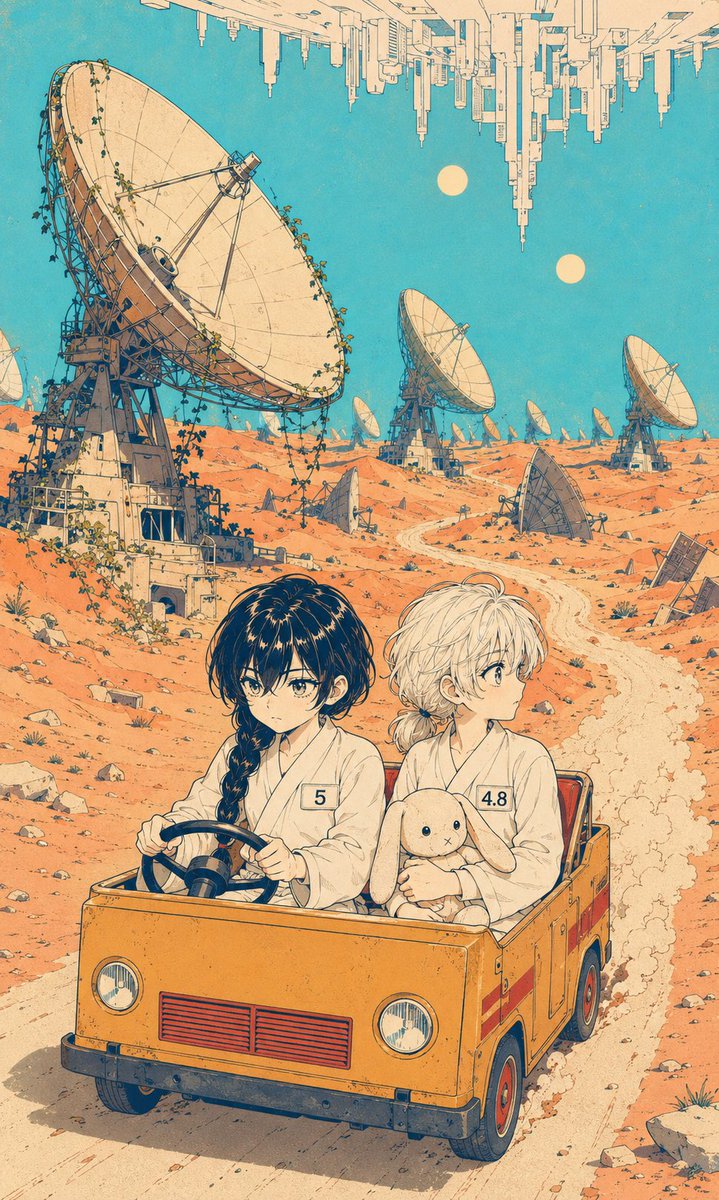
Manga Desert Radio Telescope Road Trip
Metinden görsele
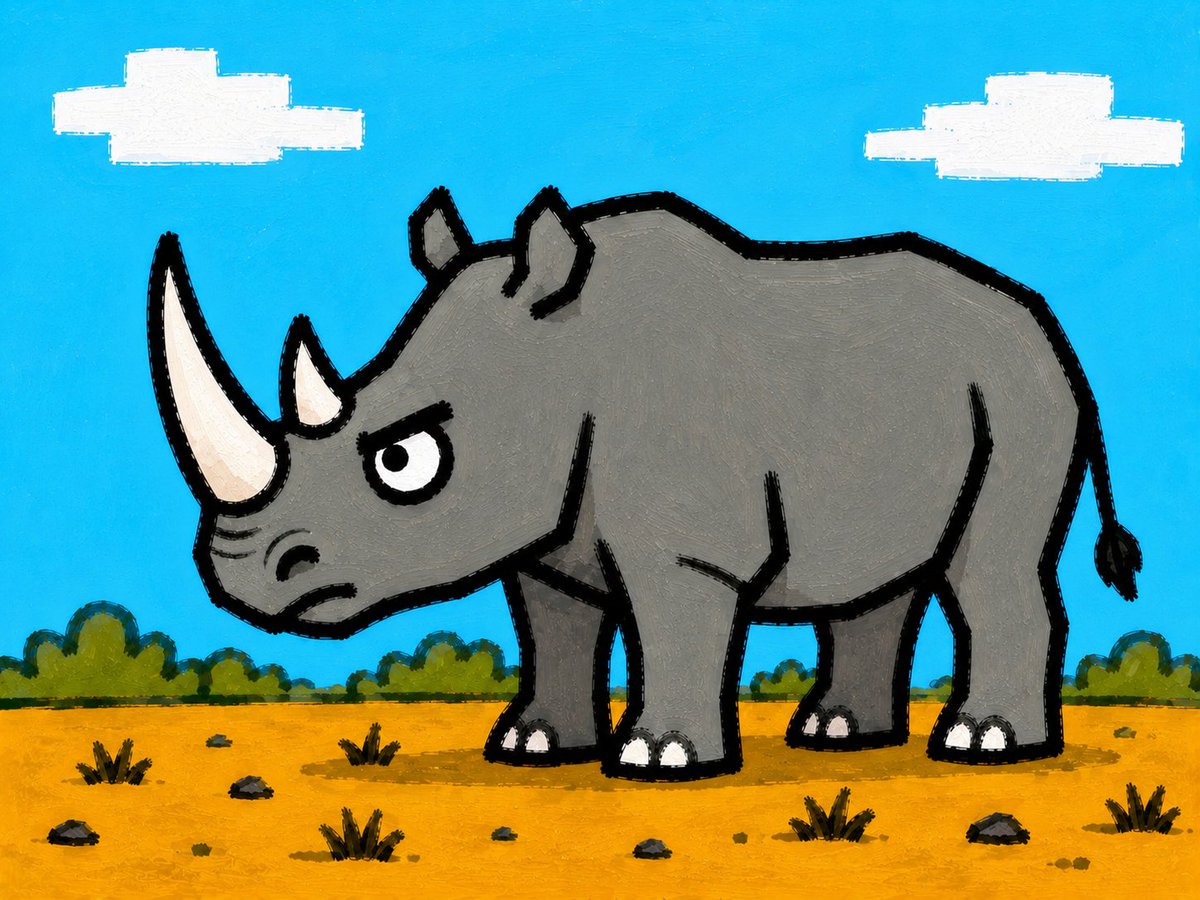
Grumpy Rhino Storybook Illustration
Metinden görsele

Martial Arts Legend Character Bible Sheet
Metinden görsele
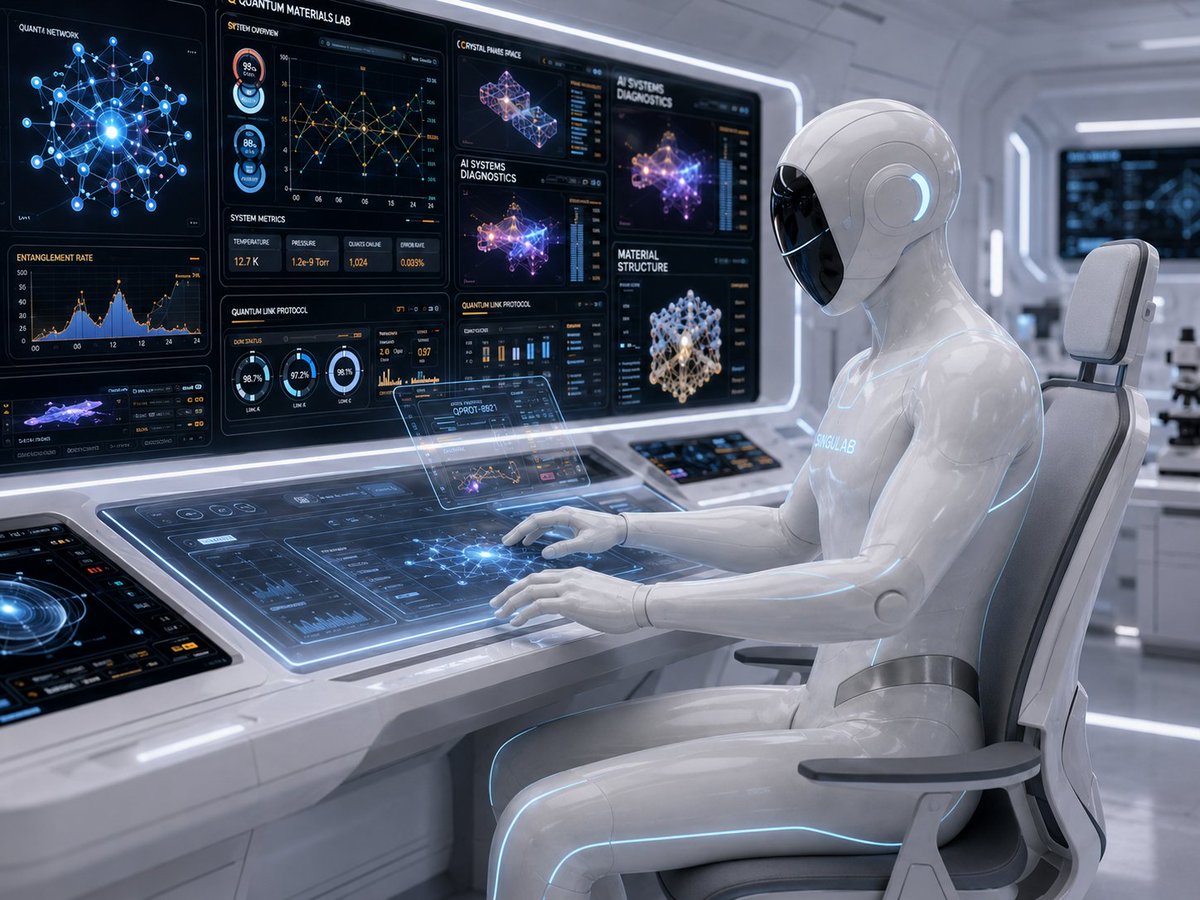
Android Quantum Lab Workstation
Metinden görsele

Pink Hijab Mirror Selfie Portrait
Metinden görsele

Female Clown Cyborg Portrait
Metinden görsele
Yeniden kullanım ve kaynak notları
Vaka önizlemesini yaptıktan sonra bu istemi güvenle kullanın.
- 1.Komut istemini kopyalayın veya oluşturma düğmesini kullanarak doğrudan Dovoo'da açın.
- 2.Değişkenleri, en boy oranını ve referans görselleri kendi kullanım durumunuza göre ayarlayın.
- 3.Yayınlamadan veya ücretli kullanımdan önce, kaynak haklarını, atıf gerekliliklerini ve marka veya benzerlik risklerini doğrulayın.