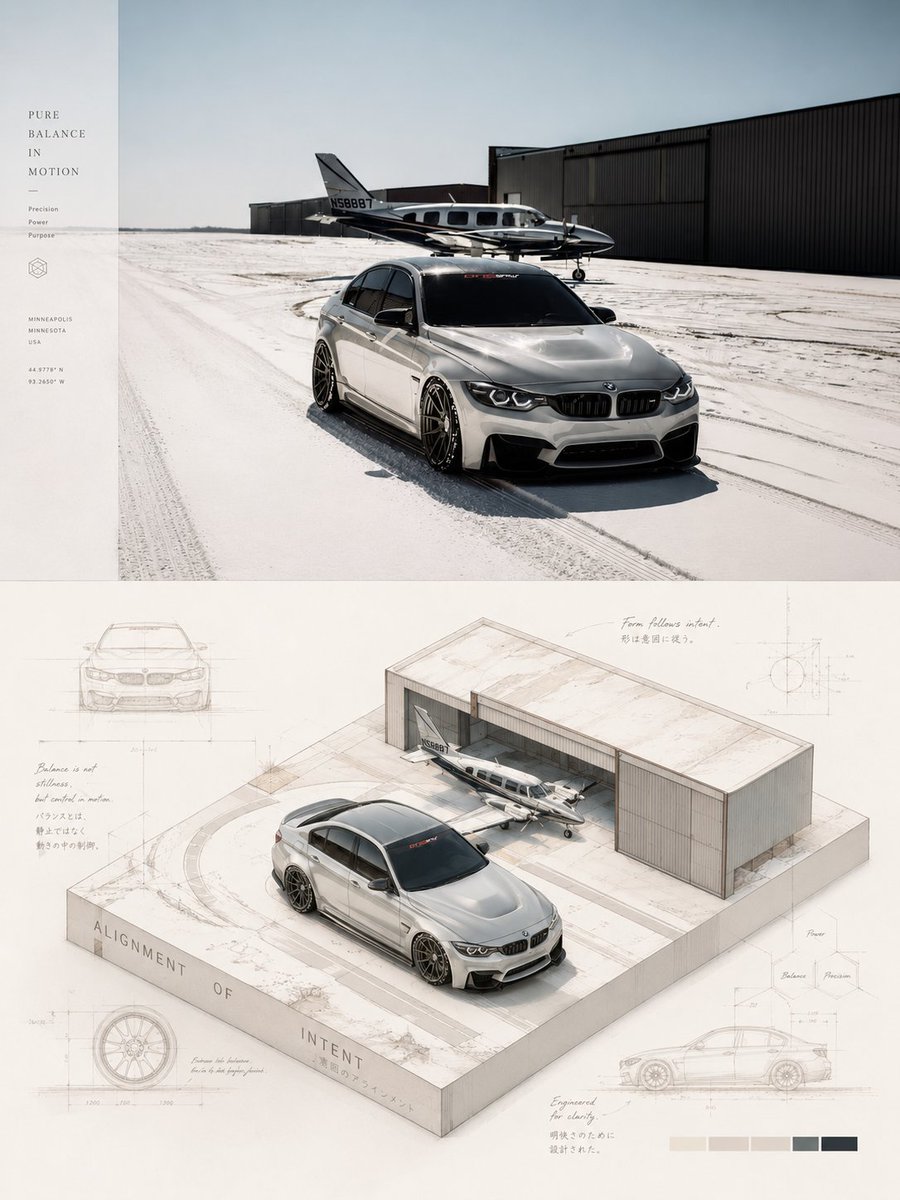
Da Vinci Isometric Structural Poster
A complex design prompt that combines isometric 3D reconstruction with Renaissance-style technical sketches for a scientific research aesthetic.
Bu Grafik ve Poster için bir GPT Image 2 örnek senaryosudur. Benzer görseller oluşturmak için aşağıdaki hazır metni kullanın ve yeniden kullanmadan önce Awesome GPT Image 2 Prompts atıfını ve ticari kullanım haklarını inceleyin.
Tüm komut istemi setine mi ihtiyacınız var? Şunu kullanın: Grafik ve Poster Daha fazla ilgili örnek için konu merkezini ziyaret edin veya açın. GPT Image 2 istem kataloğu Tam örnek dizin, yeniden kullanılabilir yapılar ve kaynak atfı için.
Free 1K preview
Generate one preview image instantly, no sign-up required.
Free text preview doesn’t preserve reference-image consistency.
4000/4000
İpucu
Kopyalamaya hazır istemi
Please turn each photo I upload into an individual high-end design poster, no multi-image stitching, each photo output separately. The overall composition adopts a 3:4 portrait format, with the top and bottom areas strictly 1:1 in height, each occupying 50% of the frame.

The upper part retains the original photo, maintaining the main structure, real texture, natural light/shadow, and original color atmosphere, with only slight professional photographic color grading to give it an art magazine, independent publication, or exhibition photography feel. To fit the aspect ratio, the sky, ground, or environmental background can be naturally extended, but the subject must not be stretched, distorted, or changed.

The lower part extracts the most recognizable **subject, silhouette, posture, and narrative relationship** from the photo, reconstructed with **isometric spatial logic**. It is not simply turning the original object into a 3D model, but dismantling the subject into clear blocks, levels, sections, and spatial relationships, recombining them in a unified isometric axis to have both the structural order of an architectural model and the visual generalization of an editorial illustration. The viewing angle, scale, and local structure can be moderately adjusted to better showcase the most representative form of the subject, but it must remain instantly recognizable.

Simultaneously, extract a **thematic image** from the core content, action, structure, or symbolic relationship of the photo, geometrizing and symbolizing it to integrate into the isometric composition. The thematic image can serve as a base, a section, a spatial gap, a path, an enclosing structure, or a negative shape, allowing the subject to interact through penetration, fitting, suspension, cutting, support, or staggered layering. The theme is not an additional decoration but a compositional mechanism that determines how the subject exists in space.

The composition is adaptively designed based on the visual center of gravity, silhouette trend, and spatial characteristics of the subject, establishing a professional order through isometric axes, block proportions, hierarchical staggering, scale contrast, local cropping, and large areas of negative space. The subject does not need to be mechanically centered; it can be offset, suspended, or extended, so that the isometric structure and thematic image together form the sole visual center.

The subject uses **high-brightness, clear, and soft Japanese-style color palettes with delicate matte materials**. Colors are extracted and modulated from the most vibrant and representative spirits of the subject in the photo above, using soft white, cream white, or very light warm tones as the base, converting core colors into clean, bright, soft planes, distinguishing different blocks through tonal variations and minimal accent colors. Lighting is soft yet clear, using slight light and shadow to help read the structure, avoiding heavy 3D shadows, plastic materials, and muddy tones.

The background maintains a large amount of white space and incorporates **Leonardo da Vinci-style creative research marks**: silhouette sketches related to the subject, structural dismantling, partial enlargements, proportion lines, measurement lines, arrows, geometric deductions, natural observation line drawings, and micro-annotations, faintly distributed around the subject in pale pencil, ochre ink, or faded manuscript texture. The manuscript should be like thought tracks left by the design process, contrasting the precise isometric subject as 'rational product vs. emotional research process,' without forming a second visual center.

Text is also organized around the theme and spatial structure. Extract a short English title from the subject's identity, action, emotion, or symbolic meaning of the photo, paired with a minimal amount of location, status words, or micro-annotations. Text can be arranged along isometric axes, thematic image boundaries, structural sections, or manuscript auxiliary lines, in horizontal, vertical, staggered, interspersed, or hidden in negative shapes, making the text look like an information layer in design drawings and high-end art publications rather than an afterthought title.

The overall presentation features a visual temperament of **Thematic Metaphor × Isometric Spatial Order × Da Vinci-style Research Manuscript × Japanese Clear Colors × Eastern Negative Space × High-end Editorial Design**. Whether the subject is a person, animal, plant, building, object, food, vehicle, or natural landscape, it should find the most suitable isometric reconstruction method based on its own structure, avoiding ordinary 3D models, game scene vibes, axonometric engineering drawing vibes, cartoon low-poly, mechanical centering, e-commerce display vibes, and template-like feel.
Best for
- - Grafik ve Poster visual exploration
- - Image generation and reference-image edits
- - Reusable briefs that keep source attribution visible
Change these parts
- - Subject, product, character, or scene
- - Aspect ratio, camera, lighting, and background
- - Brand, text, color, and output constraints
Recommended model and settings
- - Model: gpt-image-2
- - Input mode: Görselden görsele
- - Aspect ratio: source
- - Commercial status: review original source
How to use this prompt
- 1. Copy the prompt and preserve its structure for the first test.
- 2. Replace the subject, context, and publishing channel.
- 3. Change one camera, lighting, or style variable per iteration.
- 4. Inspect the output, source, text, and rights before reuse.
Limitations, source, and reuse cautions
- - Generated output is an editable draft, not factual, legal, or rights evidence.
- - Review the linked source, people, brands, logos, text, and third-party media before commercial use.
Awesome GPT Image 2 Prompts kaynağından içe aktarılmıştır. Kaynak belirtilmesi zorunludur. Ticari kullanım durumu allowed şeklindedir; ücretli kullanım öncesinde kaynak haklarını inceleyin.
Bu kategoride daha fazla vaka
Kategoriye, giriş modu uyumluluğuna, kaliteye ve düşük riske göre önceliklendirilmiştir.
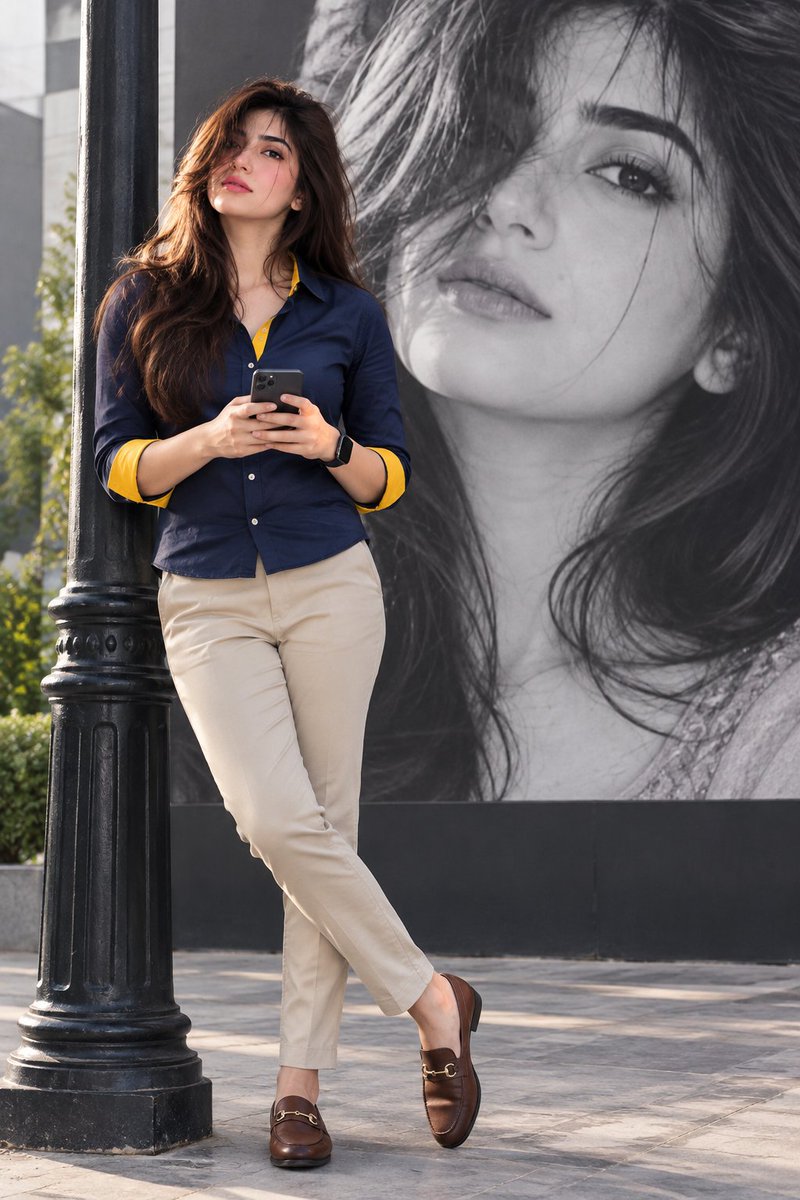
Stylish Man Street Lamp Portrait
Görselden görsele
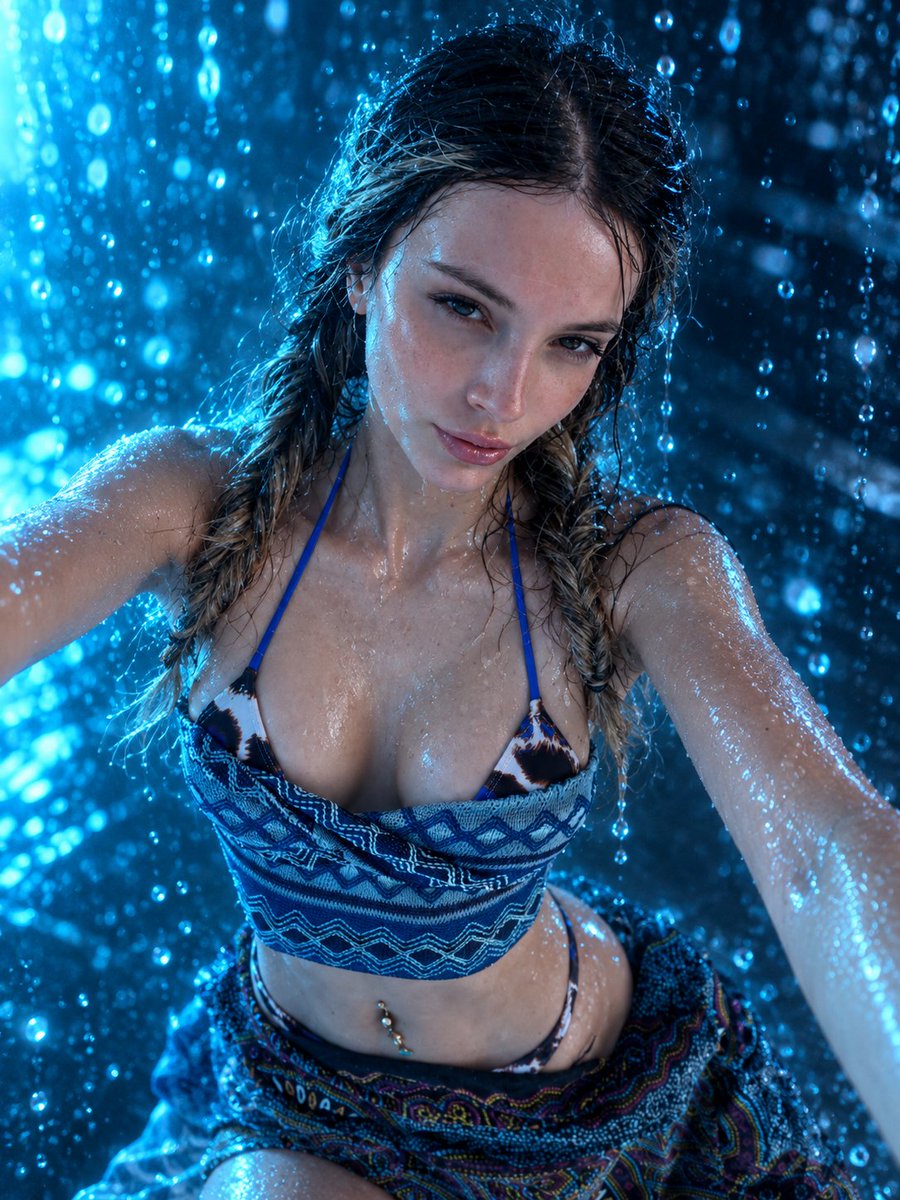
Sci-Fi Cyan Lighting Effect
Görselden görsele
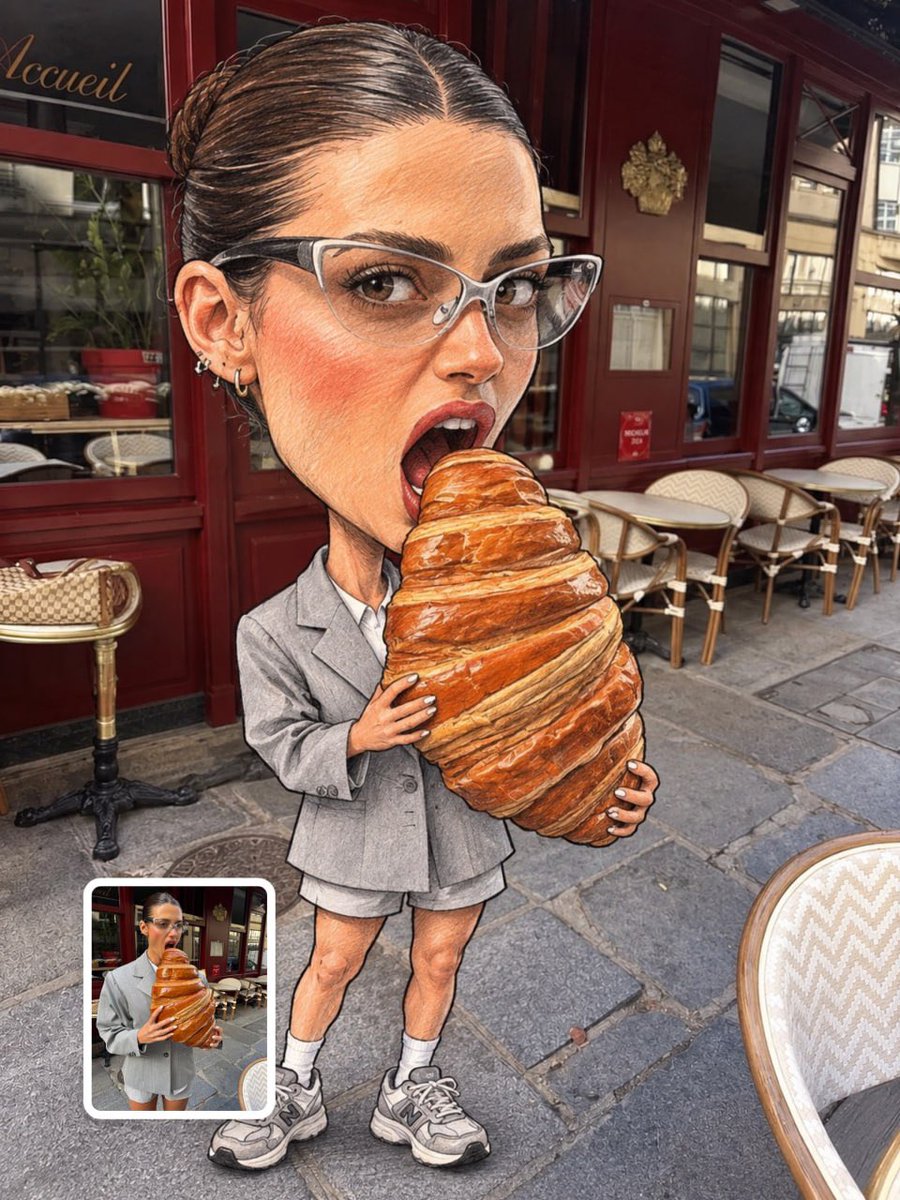
Oversized Head Cartoon Caricature Prompt
Görselden görseleOrta risk
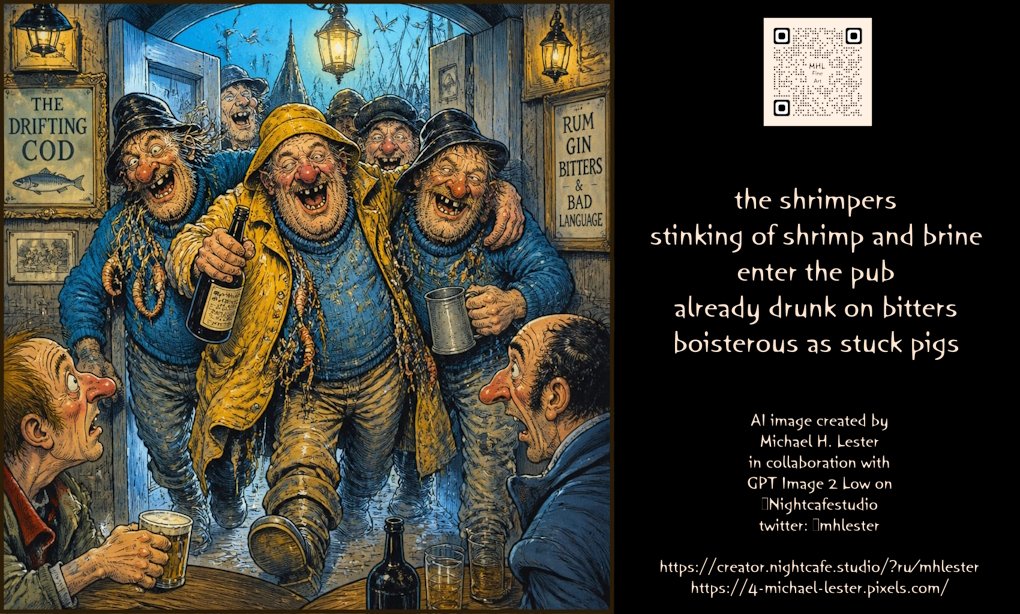
Boisterous Shrimpers Entering Pub
Metinden görsele
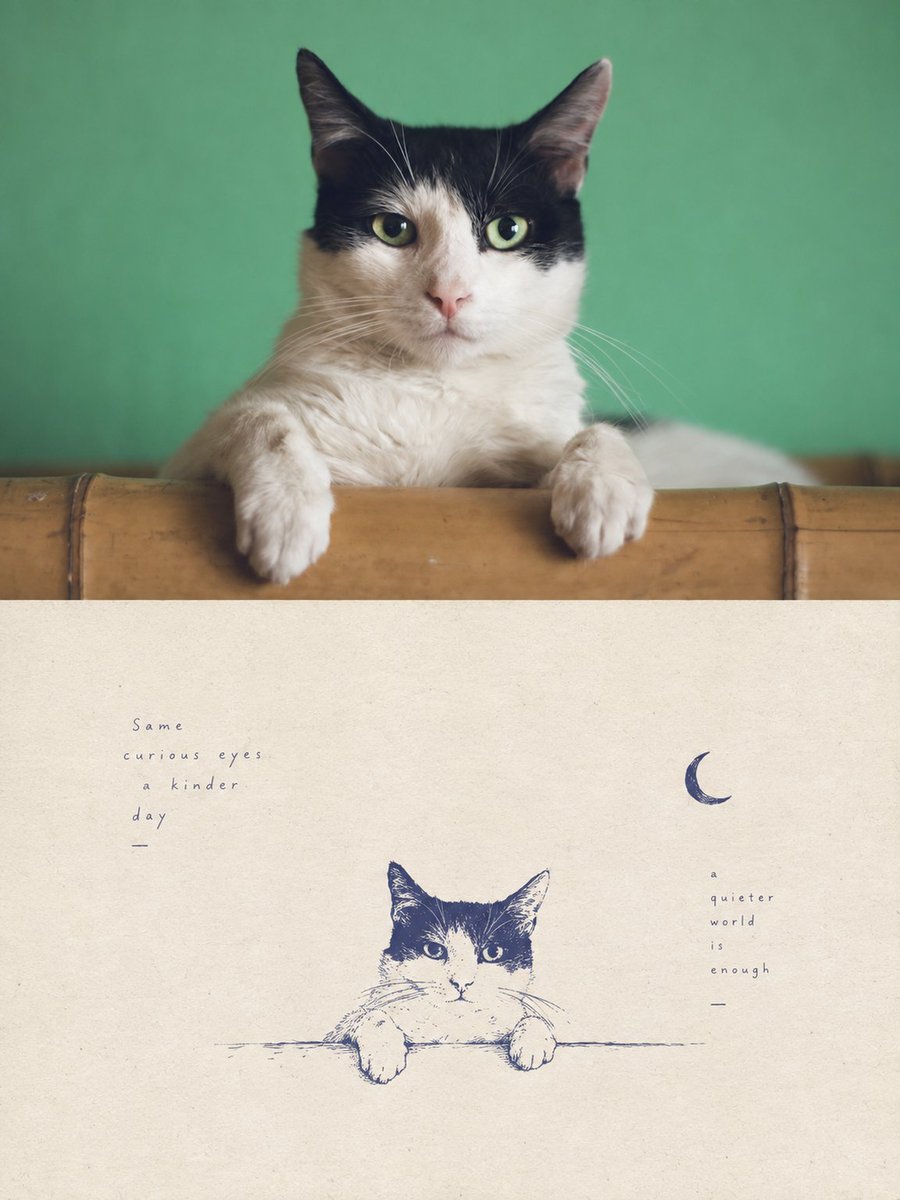
Tuxedo Cat Photo and Line Art Diptych
Metinden görsele
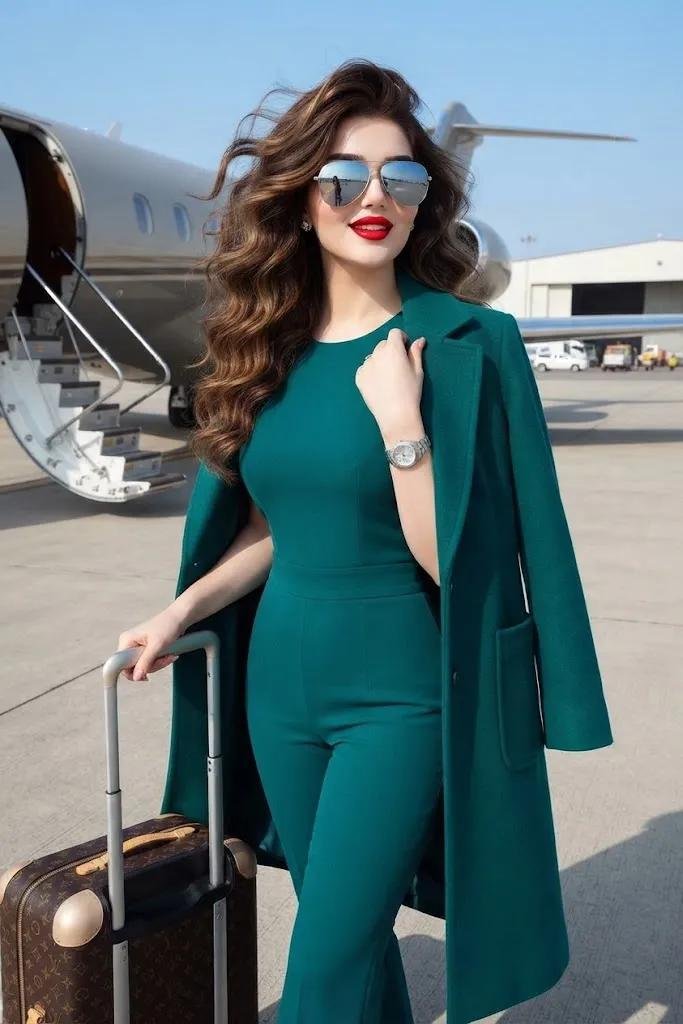
Luxury Travel Fashion Portrait Prompt
Metinden görsele
Yeniden kullanım ve kaynak notları
Vaka önizlemesini yaptıktan sonra bu istemi güvenle kullanın.
- 1.Komut istemini kopyalayın veya oluşturma düğmesini kullanarak doğrudan Dovoo'da açın.
- 2.Değişkenleri, en boy oranını ve referans görselleri kendi kullanım durumunuza göre ayarlayın.
- 3.Yayınlamadan veya ücretli kullanımdan önce, kaynak haklarını, atıf gerekliliklerini ve marka veya benzerlik risklerini doğrulayın.