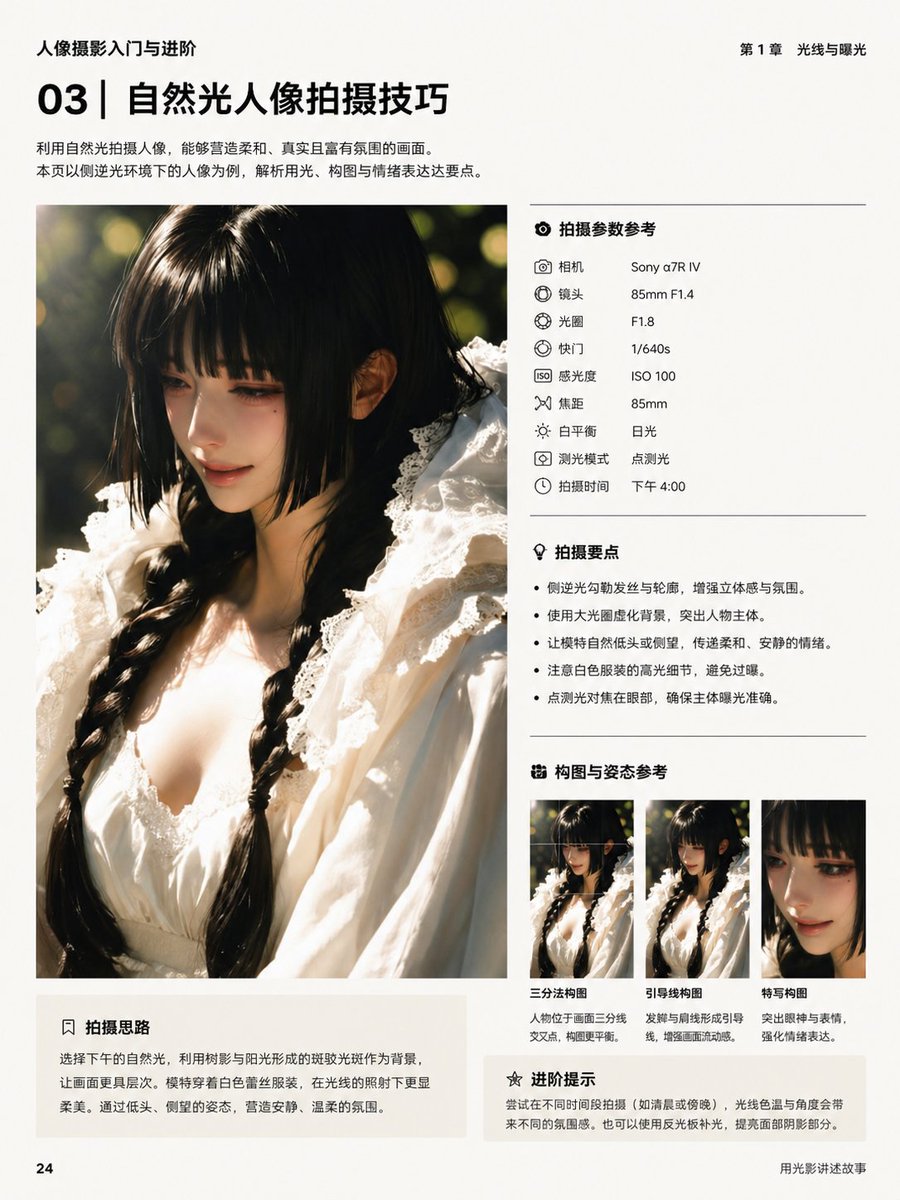
Çin Fotoğraf Kitabı Düzeni
Portre fotoğrafçılığı eğitimi için hazırlanmış, dergi tarzı veya öğretici sayfa düzeni tasarımları oluşturmak için kullanışlı, özenle hazırlanmış bir Çince editoryal kitap sayfası.
Bu Grafik ve Poster için bir GPT Image 2 örnek senaryosudur. Benzer görseller oluşturmak için aşağıdaki hazır metni kullanın ve yeniden kullanmadan önce Awesome GPT Image 2 Prompts atıfını ve ticari kullanım haklarını inceleyin.
Tüm komut istemi setine mi ihtiyacınız var? Şunu kullanın: Grafik ve Poster Daha fazla ilgili örnek için konu merkezini ziyaret edin veya açın. GPT Image 2 istem kataloğu Tam örnek dizin, yeniden kullanılabilir yapılar ve kaynak atfı için.
Free 1K preview
Generate one preview image instantly, no sign-up required.
4000/4000
İpucu
Kopyalamaya hazır istemi
{
  "bottom_left_box": {
    "body": "Choose afternoon natural light, utilizing the dappled light created by tree shadows and sunlight as a background to add more layers to the image. The model wears a white lace outfit, appearing even softer and more delicate under the light. Through poses like looking down and glancing sideways, create a quiet and gentle atmosphere.",
    "position": "bottom left under main image",
    "title": "Shooting Ideas"
  },
  "genre": "photography tutorial layout",
  "language": "Chinese",
  "main_image": {
    "background": "dark green outdoor foliage with sunlit bokeh",
    "face": "Show every face clearly with natural, detailed facial features",
    "framing": "vertical crop from chest to top of head",
    "lighting": "strong side backlight with golden rim light on hair and shoulders, soft warm highlights, shallow depth of field, circular bokeh background",
    "position": "left column",
    "subject": "close-up portrait of a young woman with long black twin braids, wearing a white lace dress with ruffled collar and delicate trim, shot in warm late-afternoon natural light"
  },
  "page": {
    "background": "off-white matte paper",
    "footer_right": "Telling Stories with Light and Shadow",
    "header_left": "Introduction to and advancement in portrait photography.",
    "header_right": "Chapter 1: Light and Exposure",
    "page_number": "24",
    "size": "portrait book page"
  },
  "right_column": {
    "sections": [
      {
        "count": 9,
        "items": [
          {
            "label": "Camera",
            "value": "Sony α7R IV"
          },
          {
            "label": "Lens",
            "value": "85mm F1.4"
          },
          {
            "label": "Aperture",
            "value": "F1.8"
          },
          {
            "label": "Shutter",
            "value": "1/640s"
          },
          {
            "label": "ISO",
            "value": "ISO 100"
          },
          {
            "label": "Focal Length",
            "value": "85mm"
          },
          {
            "label": "White balance",
            "value": "Daylight"
          },
          {
            "label": "Metering mode",
            "value": "Spot metering"
          },
          {
            "label": "Shooting time",
            "value": "4:00 PM"
          }
        ],
        "position": "upper right",
        "title": "Shooting Parameter Reference"
      },
      {
        "count": 4,
        "items": [
          "Use backlighting to outline hair and contours, enhancing three-dimensionality and atmosphere.",
          "Use a large aperture to blur the background and highlight the subject.",
          "Have the model naturally lower their head or look to the side to convey a soft and quiet mood.",
          "Spot metering and focusing on the face ensures accurate subject exposure."
        ],
        "position": "mid right",
        "title": "Shooting Points"
      },
      {
        "count": 3,
        "items": [
          {
            "description": "Positioning the subject at the intersection of the rule of thirds lines creates a more balanced composition.",
            "label": "Rule of thirds composition"
          },
          {
            "description": "The braid and shoulder line create guiding lines, enhancing the flow of the image.",
            "label": "Leading lines composition"
          },
          {
            "description": "Emphasize the eyes and expression to strengthen emotional expression.",
            "label": "Close-up composition"
          }
        ],
        "position": "lower right",
        "title": "Composition and pose reference"
      },
      {
        "count": 1,
        "items": [
          "Try shooting at different times of day (such as morning or evening). The color temperature and angle of the light will create different atmospheres. You can also use a reflector to fill in the light and improve the highlights and shadows on the face."
        ],
        "position": "bottom right",
        "title": "Advanced Tips"
      }
    ]
  },
  "style": {
    "color_palette": "warm cream, black, soft gray, golden sunlight, deep green, white fabric",
    "grid": "large image on left, structured information panels on right, subtle divider lines between sections",
    "overall": "clean premium editorial book design, minimalist Chinese typography, modern photography education layout",
    "typography": "bold sans-serif chapter number and headline, smaller regular body text, neat aligned labels and values, monochrome black text"
  },
  "title_block": {
    "headline": "Natural Light Portrait Photography Techniques",
    "position": "top left",
    "section_number": "03",
    "subtext": "Using natural light to photograph portraits can create soft, realistic, and atmospheric images. This page takes portraits shot in sidelight as an example to analyze three key points: lighting, composition, and emotional expression."
  },
  "type": "book interior editorial page"
}
Best for
- - Grafik ve Poster visual exploration
- - Image generation and reference-image edits
- - Reusable briefs that keep source attribution visible
Change these parts
- - Subject, product, character, or scene
- - Aspect ratio, camera, lighting, and background
- - Brand, text, color, and output constraints
Recommended model and settings
- - Model: gpt-image-2
- - Input mode: Metinden görsele
- - Aspect ratio: source
- - Commercial status: review original source
How to use this prompt
- 1. Copy the prompt and preserve its structure for the first test.
- 2. Replace the subject, context, and publishing channel.
- 3. Change one camera, lighting, or style variable per iteration.
- 4. Inspect the output, source, text, and rights before reuse.
Limitations, source, and reuse cautions
- - Generated output is an editable draft, not factual, legal, or rights evidence.
- - Review the linked source, people, brands, logos, text, and third-party media before commercial use.
Awesome GPT Image 2 Prompts kaynağından içe aktarılmıştır. Kaynak belirtilmesi zorunludur. Ticari kullanım durumu allowed şeklindedir; ücretli kullanım öncesinde kaynak haklarını inceleyin.
Bu kategoride daha fazla vaka
Kategoriye, giriş modu uyumluluğuna, kaliteye ve düşük riske göre önceliklendirilmiştir.
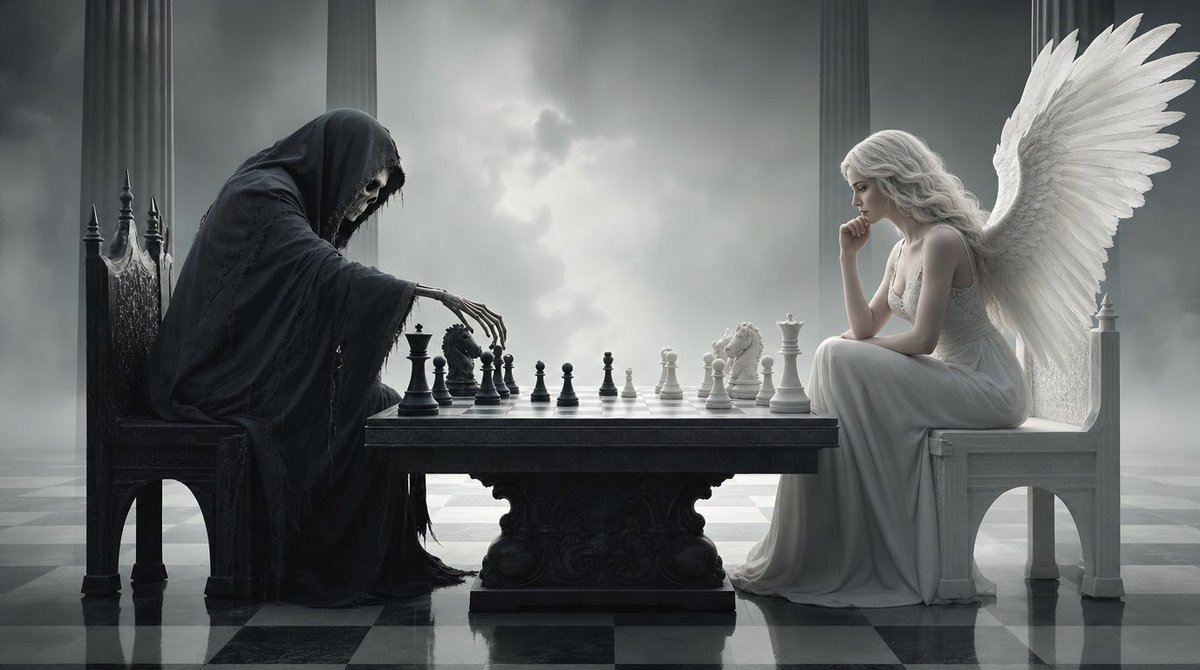
Surreal 3D Chess Match Artwork
Metinden görsele
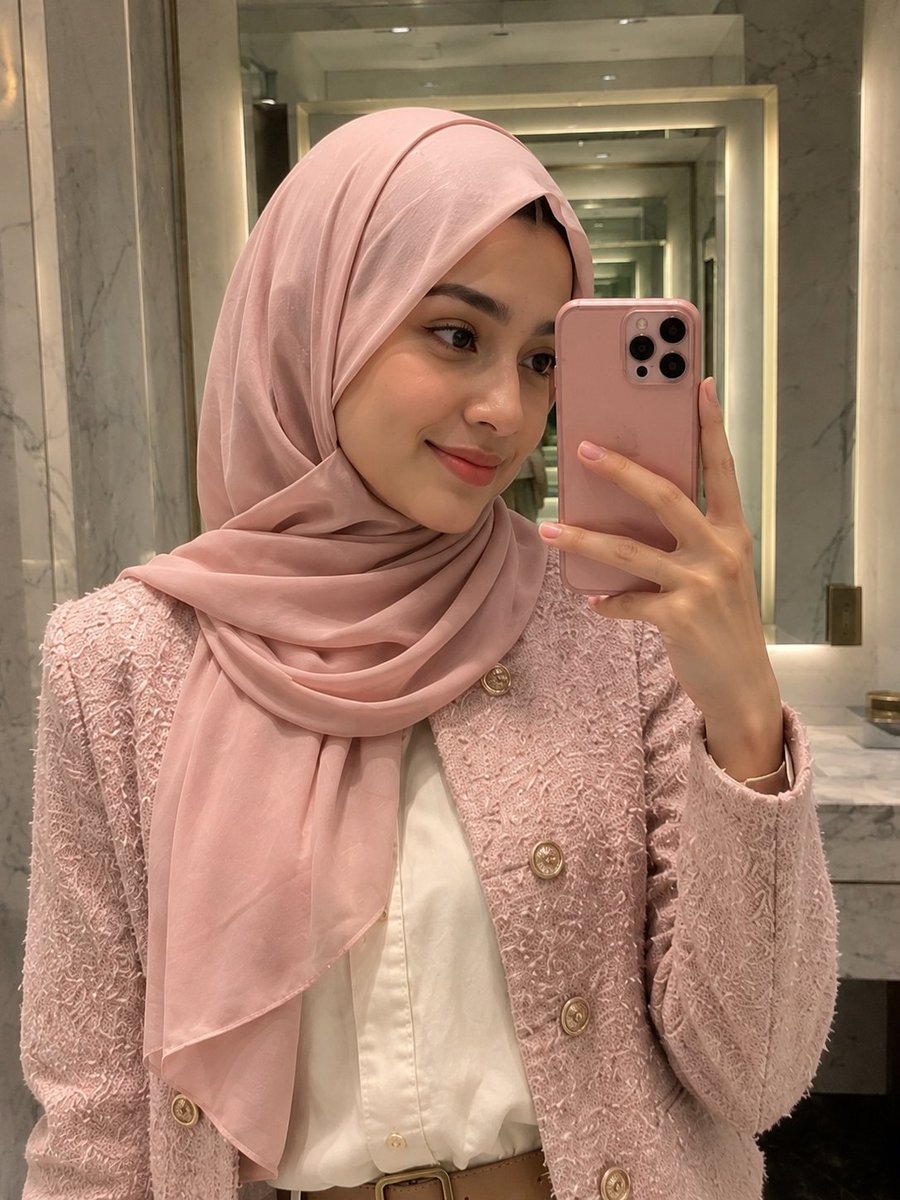
Pink Hijab Mirror Selfie Portrait
Metinden görsele
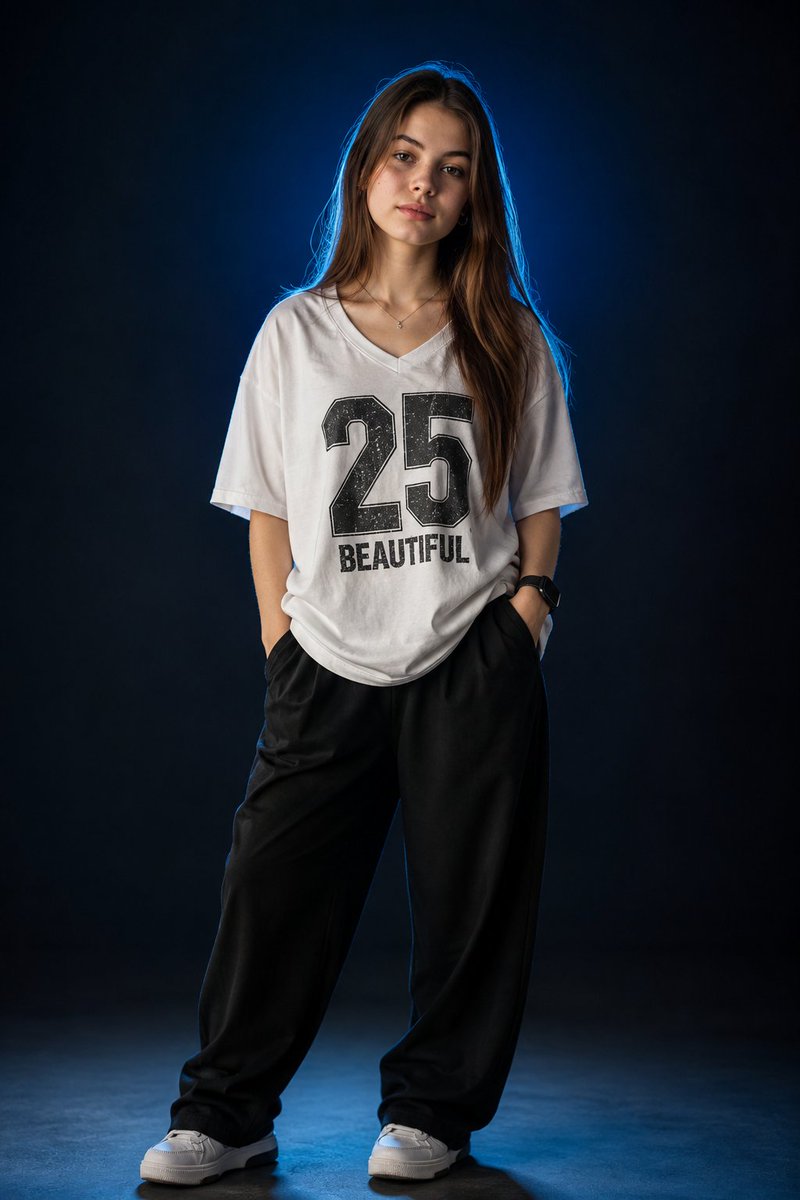
Fashion Studio Portrait with Blue Rim Lighting
Metinden görsele
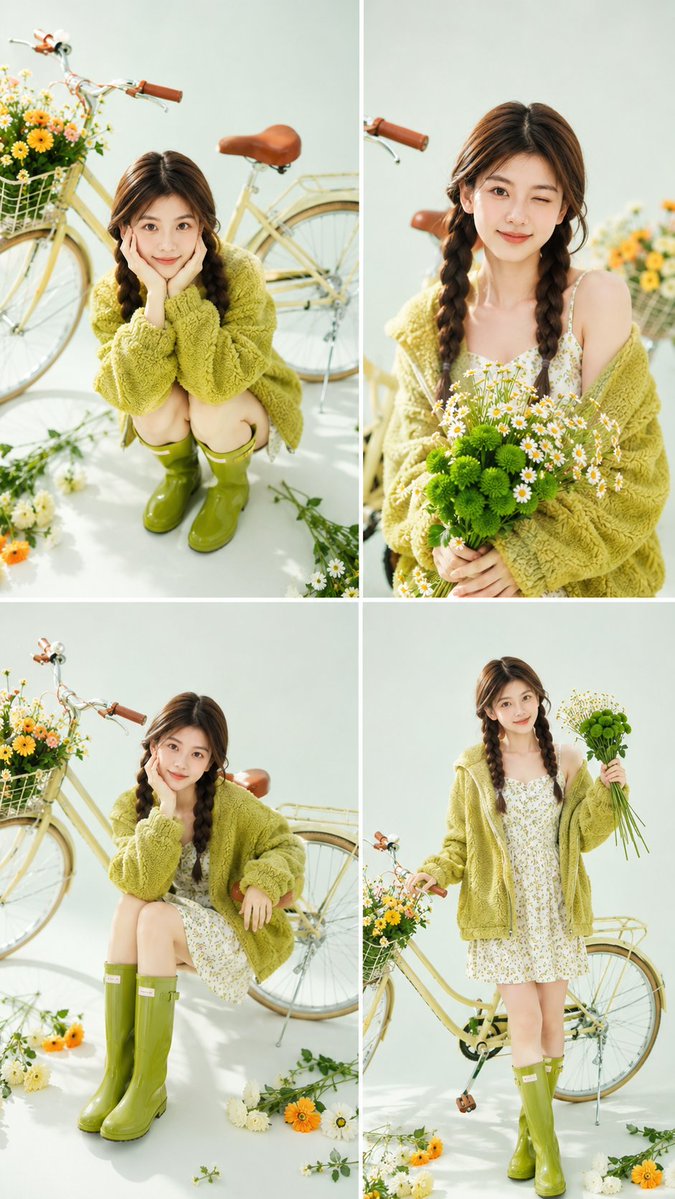
Spring Editorial Fashion Collage
Metinden görsele
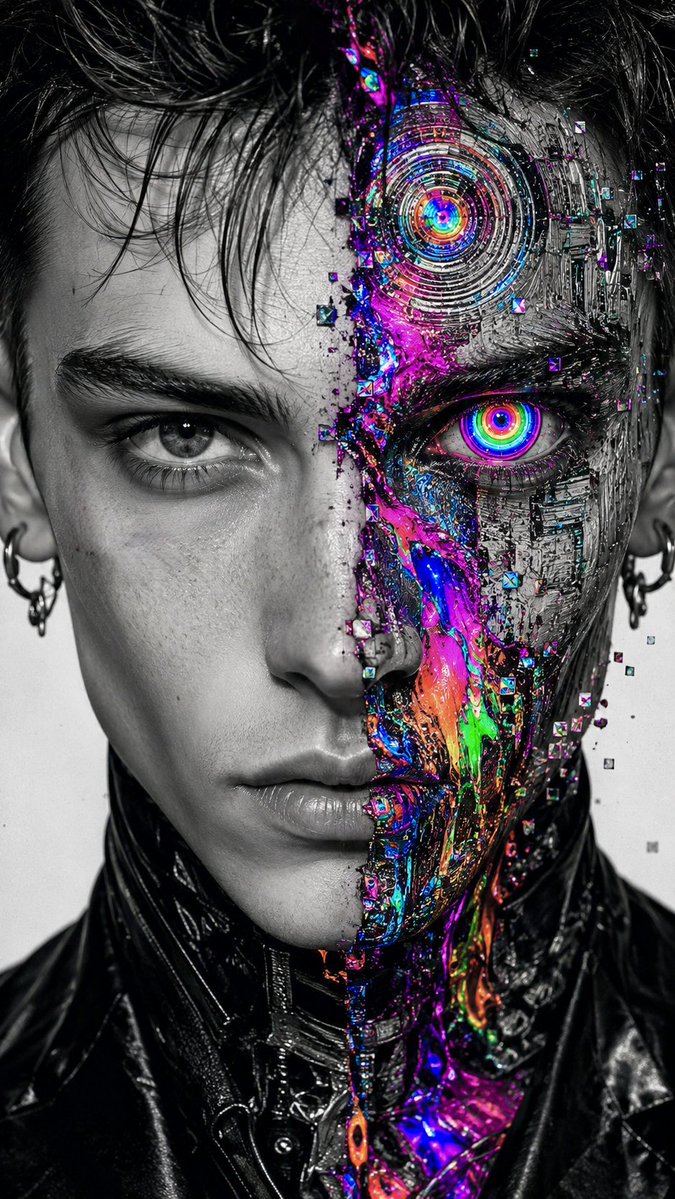
Glitch Aesthetic Surreal Portrait
Metinden görsele
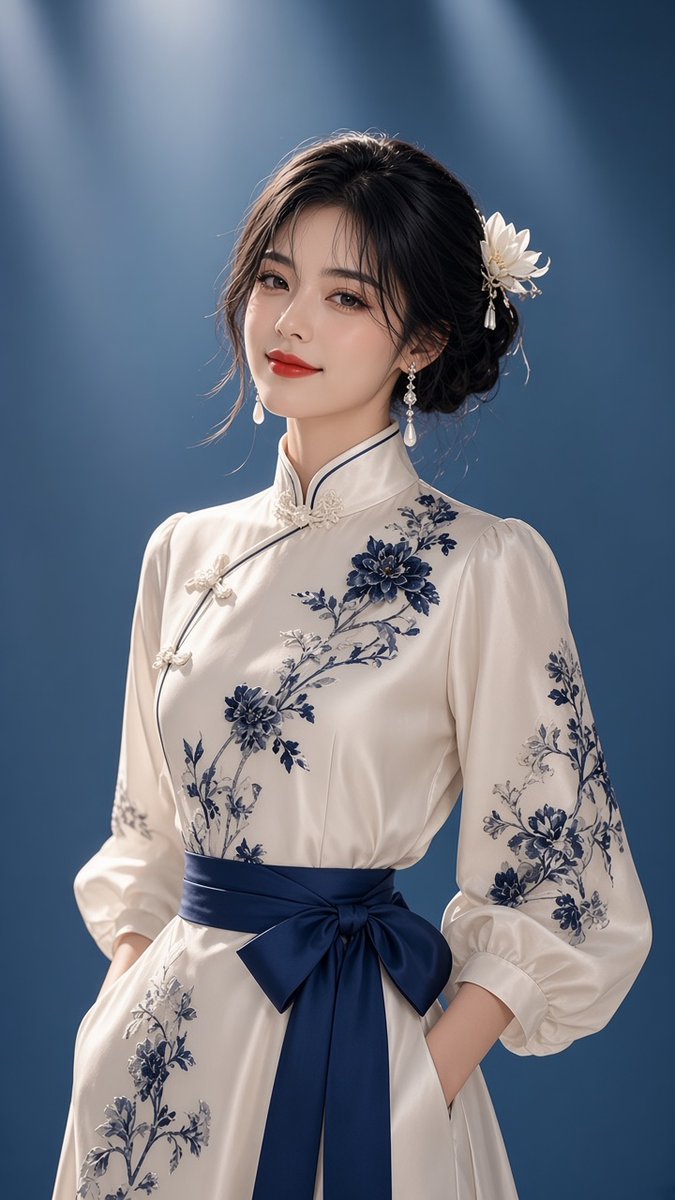
New Chinese-Style Editorial Portrait
Metinden görsele
Yeniden kullanım ve kaynak notları
Vaka önizlemesini yaptıktan sonra bu istemi güvenle kullanın.
- 1.Komut istemini kopyalayın veya oluşturma düğmesini kullanarak doğrudan Dovoo'da açın.
- 2.Değişkenleri, en boy oranını ve referans görselleri kendi kullanım durumunuza göre ayarlayın.
- 3.Yayınlamadan veya ücretli kullanımdan önce, kaynak haklarını, atıf gerekliliklerini ve marka veya benzerlik risklerini doğrulayın.