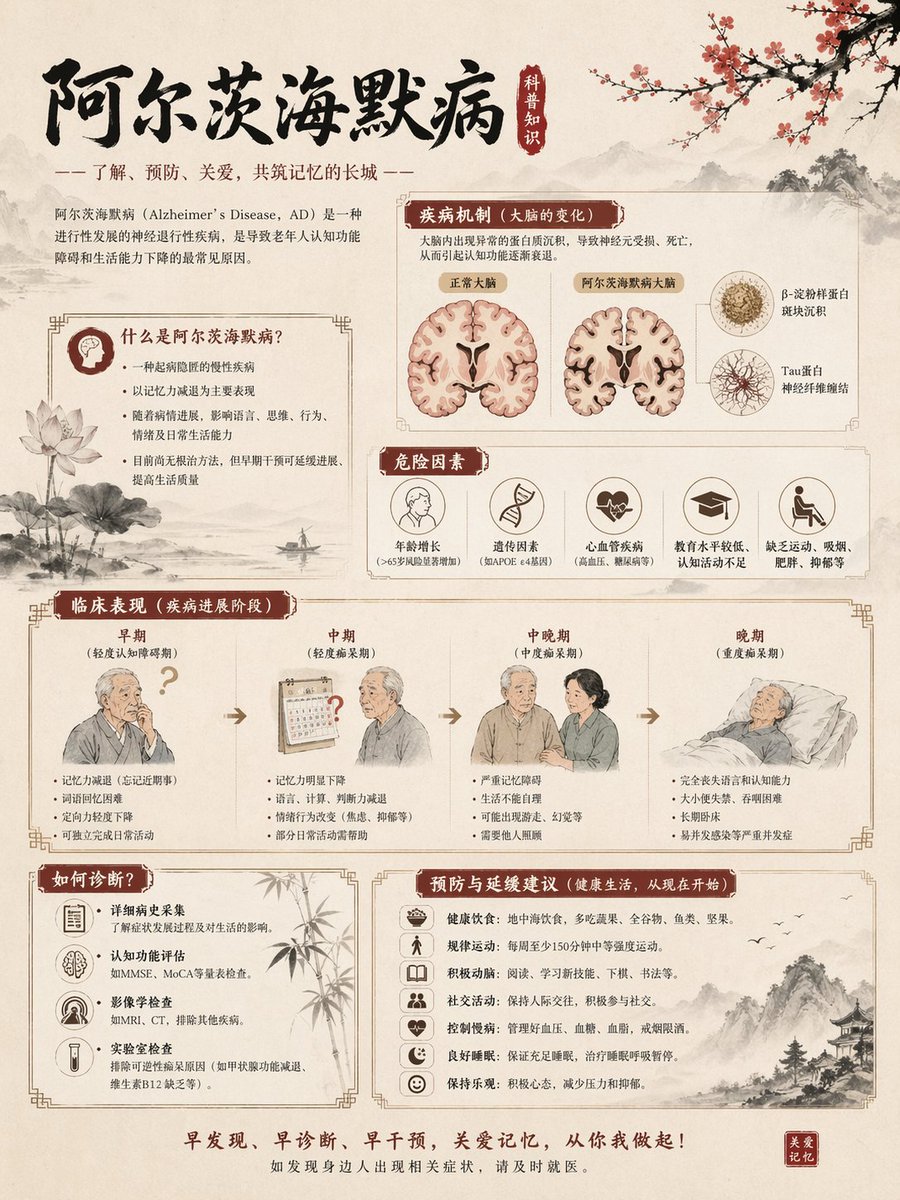
อินโฟกราฟิกเกี่ยวกับการสร้างความตระหนักรู้เรื่องโรคอัลไซเมอร์ในประเทศจีน
โปสเตอร์ข้อมูลทางการแพทย์สไตล์จีนดั้งเดิมที่อธิบายเกี่ยวกับโรคอัลไซเมอร์ ออกแบบมาเพื่อใช้ในการให้ความรู้ด้านสาธารณสุข การรณรงค์สร้างความตระหนัก และการเปรียบเทียบในสื่อสังคมออนไลน์
นี่คือตัวอย่างข้อความแจ้งเตือน GPT Image 2 สำหรับ กราฟิกและโปสเตอร์ ใช้ข้อความแจ้งเตือนที่พร้อมใช้งานด้านล่างเพื่อสร้างภาพที่คล้ายกัน และตรวจสอบการอ้างอิง Awesome GPT Image 2 Prompts รวมถึงสิทธิ์ในการใช้งานเชิงพาณิชย์ก่อนนำไปใช้ซ้ำ
ต้องการชุดข้อความแจ้งเตือนทั้งหมดหรือไม่? ใช้... กราฟิกและโปสเตอร์ ศูนย์รวมหัวข้อสำหรับตัวอย่างที่เกี่ยวข้องเพิ่มเติม หรือเปิดดูได้เลย GPT Image 2 แคตตาล็อกพร้อมท์ สำหรับดัชนีตัวอย่างฉบับเต็ม โครงสร้างที่นำกลับมาใช้ใหม่ได้ และการอ้างอิงแหล่งที่มา
Free 1K preview
Generate one preview image instantly, no sign-up required.
4000/4000
พรอมป์
ข้อความแจ้งเตือนพร้อมสำหรับการคัดลอก
{
  "type": "traditional Chinese medical infographic poster",
  "topic": "Alzheimer's Disease",
  "style": {
    "overall": "elegant health education poster in Chinese ink-wash and vintage parchment style",
    "palette": "warm beige background, dark brown text, muted red title banners, soft gray ink landscape accents",
    "rendering": "clean infographic mixed with hand-painted watercolor illustration and light line-art icons",
    "mood": "serious, informative, compassionate"
  },
  "canvas": {
    "orientation": "portrait",
    "composition": "single-page poster with header, multiple boxed information panels, and footer slogan"
  },
  "text": {
    "main_title": "Alzheimer's Disease",
    "subtitle": "— Understanding, Prevention, and Care, Building a Great Wall of Memory Together —",
    "body_language": "Simplified Chinese",
    "footer_slogan": "Early detection, early diagnosis, and early intervention. Care for memory starts with you and me!",
    "footer_note": "If you notice relevant symptoms in those around you, please seek medical attention promptly."
  },
  "decorative_elements": {
    "count": 6,
    "items": [
      "plum blossom branch across the upper right corner",
      "misty mountain landscape in the background",
      "lotus flowers and leaves at lower left",
      "small boat on water near left-center bottom",
      "bamboo illustration beside the diagnosis section",
      "distant mountains and pavilion at lower right with flying birds"
    ]
  },
  "layout": {
    "sections": [
      {
        "title": "What is Alzheimer's disease?",
        "position": "upper left",
        "count": 4,
        "labels": [
          "A chronic illness with an insidious onset.",
          "Mainly manifested by memory decline.",
          "As the condition progresses, it affects language, thinking, behavior, emotions, and the ability to perform daily activities.",
          "Currently, there is no cure, but early intervention can slow the progression and improve quality of life."
        ]
      },
      {
        "title": "Disease mechanisms (changes in the brain)",
        "position": "upper right",
        "count": 4,
        "labels": [
          "Abnormal protein deposits appear in the brain, leading to neuronal damage and death, resulting in a gradual decline in cognitive function.",
          "Normal brain",
          "Brain of an Alzheimer's patient",
          "Deposits of β-amyloid plaques and Tau protein neurofibrillary tangles"
        ]
      },
      {
        "title": "Risk factors",
        "position": "middle right",
        "count": 5,
        "labels": [
          "Age increase (risk increases significantly > 65 years old)",
          "Genetic factors (such as APOE ε4 gene)",
          "Cardiovascular diseases (hypertension, diabetes, etc.)",
          "Lower education level, insufficient cognitive activity",
          "Lack of exercise, smoking, obesity, depression, etc."
        ]
      },
      {
        "title": "Clinical manifestations (disease progression stages)",
        "position": "middle to lower center",
        "count": 4,
        "labels": [
          "Early stage (mild cognitive impairment)",
          "Mid-stage (mild dementia)",
          "Mid-to-late stage (moderate dementia)",
          "Late stage (severe dementia)"
        ]
      },
      {
        "title": "How to diagnose?",
        "position": "lower left",
        "count": 4,
        "labels": [
          "Detailed medical history taking",
          "Cognitive function assessment",
          "Imaging examination",
          "Laboratory tests"
        ]
      },
      {
        "title": "Prevention and delay suggestions (healthy living, starting now)",
        "position": "lower right",
        "count": 7,
        "labels": [
          "Healthy diet: Mediterranean diet, eat plenty of vegetables and fruits, whole grains, fish, and nuts.",
          "Regular exercise: at least 150 minutes of moderate-intensity exercise per week.",
          "Stay mentally active: reading, learning new skills, playing chess, calligraphy, etc.",
          "Social activities: Maintain social connections and actively participate in social events.",
          "Manage chronic diseases: Control blood pressure, blood sugar, and cholesterol levels, and quit smoking and limit alcohol consumption.",
          "Good sleep: Ensure adequate sleep and treat sleep apnea.",
          "Stay optimistic: Maintain a positive attitude and reduce stress and depression."
        ]
      }
    ],
    "centerpiece": "a large multi-panel educational layout with red section headers and thin ornamental borders"
  },
  "illustrations": {
    "count": 14,
    "items": [
      "2 cross-sectional brain diagrams comparing healthy and Alzheimer’s brains",
      "2 circular pathology insets showing amyloid plaque and tau tangle",
      "5 round risk-factor icons",
      "4 patient-stage illustrations showing progression from mild confusion to bedridden late stage",
      "1 clipboard icon in diagnosis section plus supporting medical-style icons"
    ]
  },
  "typography": {
    "headline": "large expressive black brush-calligraphy title",
    "section_headers": "white Chinese text on dark red brushstroke banners",
    "body": "neat printed Chinese serif text with moderate spacing"
  },
  "quality": "high-resolution, balanced editorial composition, polished healthcare infographic suitable for social media sharing, public education, or clinic awareness poster"
}
Best for
- - กราฟิกและโปสเตอร์ visual exploration
- - Image generation and reference-image edits
- - Reusable briefs that keep source attribution visible
Change these parts
- - Subject, product, character, or scene
- - Aspect ratio, camera, lighting, and background
- - Brand, text, color, and output constraints
Recommended model and settings
- - Model: gpt-image-2
- - Input mode: ข้อความเป็นรูปภาพ
- - Aspect ratio: source
- - Commercial status: review original source
How to use this prompt
- 1. Copy the prompt and preserve its structure for the first test.
- 2. Replace the subject, context, and publishing channel.
- 3. Change one camera, lighting, or style variable per iteration.
- 4. Inspect the output, source, text, and rights before reuse.
Limitations, source, and reuse cautions
- - Generated output is an editable draft, not factual, legal, or rights evidence.
- - Review the linked source, people, brands, logos, text, and third-party media before commercial use.
นำเข้าจาก Awesome GPT Image 2 Prompts จำเป็นต้องระบุแหล่งที่มา สถานะการใช้งานเชิงพาณิชย์คือ allowed โปรดตรวจสอบสิทธิ์แหล่งที่มาก่อนใช้งานแบบเสียค่าใช้จ่าย
กรณีเพิ่มเติมในหมวดหมู่นี้
จัดลำดับความสำคัญตามหมวดหมู่ ความเข้ากันได้กับโหมดการป้อนข้อมูล คุณภาพ และความเสี่ยงที่ต่ำกว่า
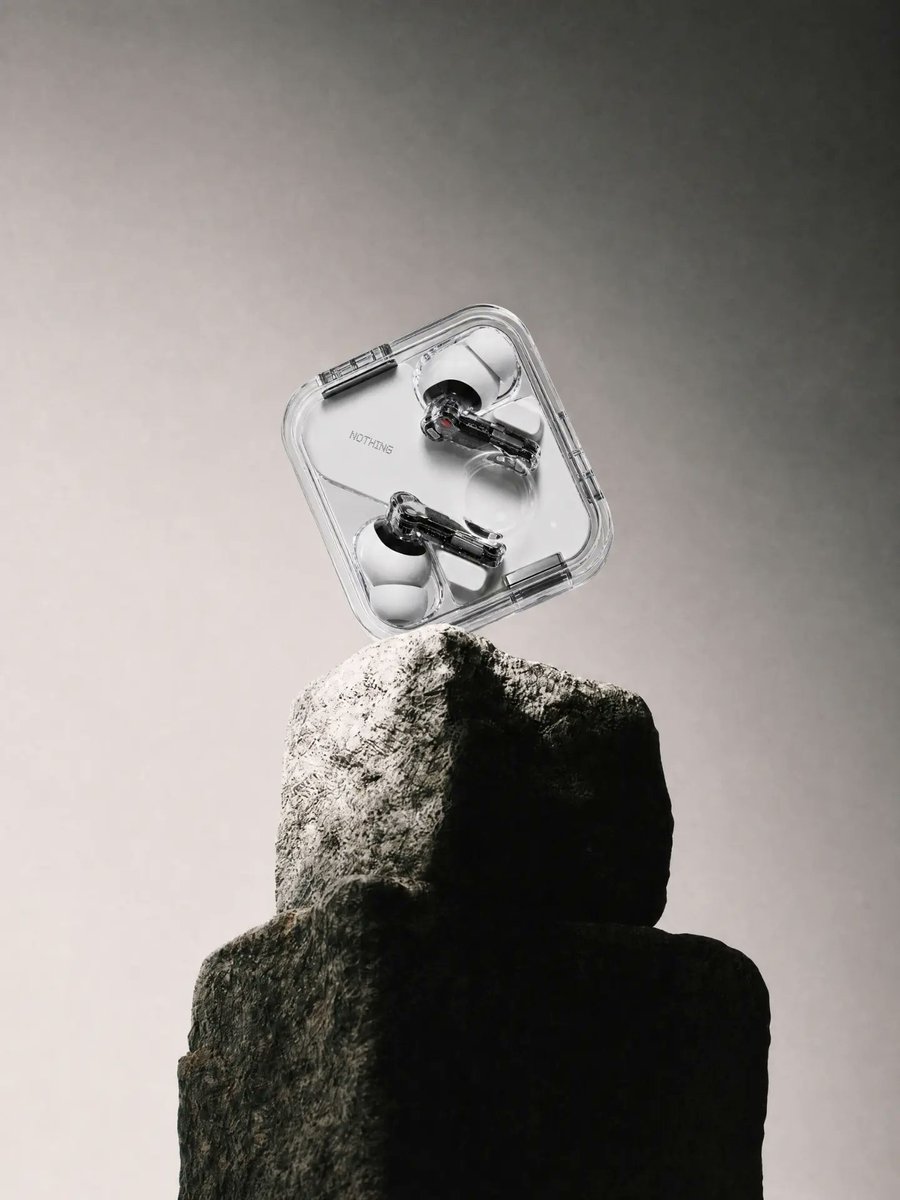
Transparent Earbuds on Stone Pedestal
ข้อความเป็นรูปภาพ
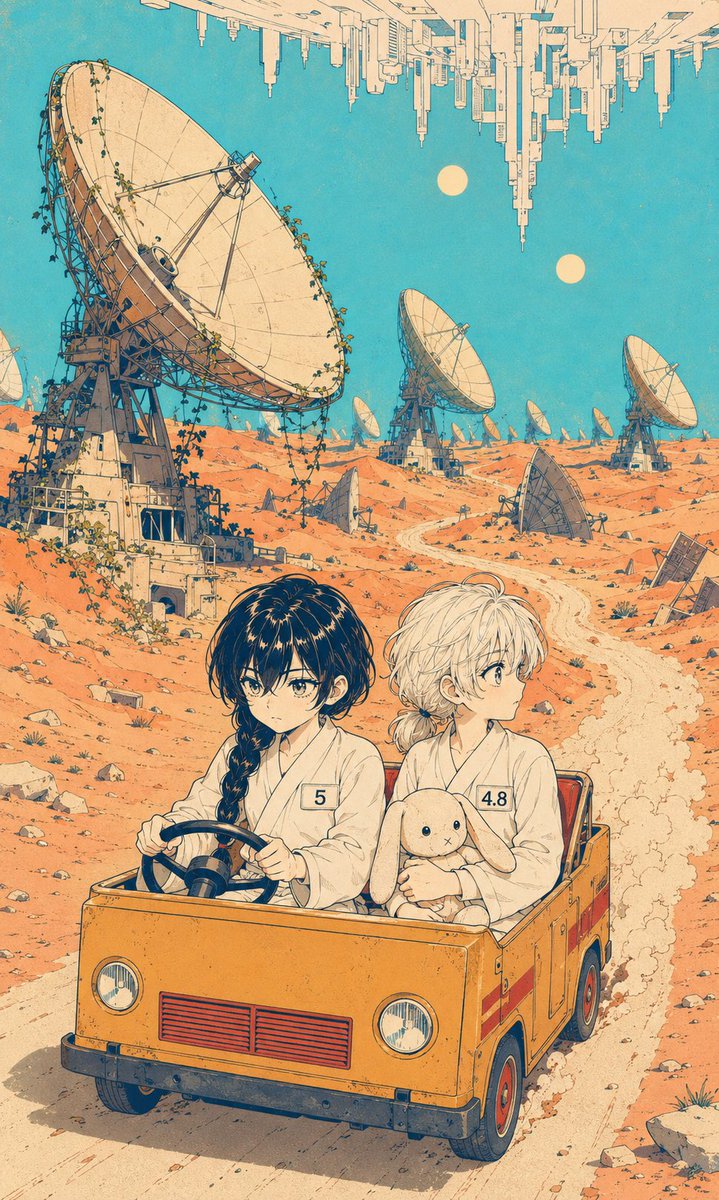
Manga Desert Radio Telescope Road Trip
ข้อความเป็นรูปภาพ

Female Clown Cyborg Portrait
ข้อความเป็นรูปภาพ

Imperial Research Bunker on Volcanic Planet
ข้อความเป็นรูปภาพ

Greyscale Puzzle Portrait with Color Accent
ข้อความเป็นรูปภาพ

Pink Hijab Mirror Selfie Portrait
ข้อความเป็นรูปภาพ
หมายเหตุเกี่ยวกับการนำกลับมาใช้ใหม่และแหล่งที่มา
ใช้ข้อความแจ้งเตือนนี้อย่างปลอดภัยหลังจากดูตัวอย่างกรณีแล้ว
- 1.คัดลอกข้อความแจ้งเตือน หรือเปิดโดยตรงใน Dovoo โดยใช้ปุ่มสร้างข้อความ
- 2.ปรับตัวแปร อัตราส่วนภาพ และภาพอ้างอิงให้เหมาะสมกับกรณีการใช้งานของคุณ
- 3.ก่อนเผยแพร่หรือใช้งานโดยเสียค่าใช้จ่าย โปรดตรวจสอบสิทธิ์ในแหล่งที่มา ข้อกำหนดการอ้างอิง และความเสี่ยงด้านแบรนด์หรือภาพลักษณ์