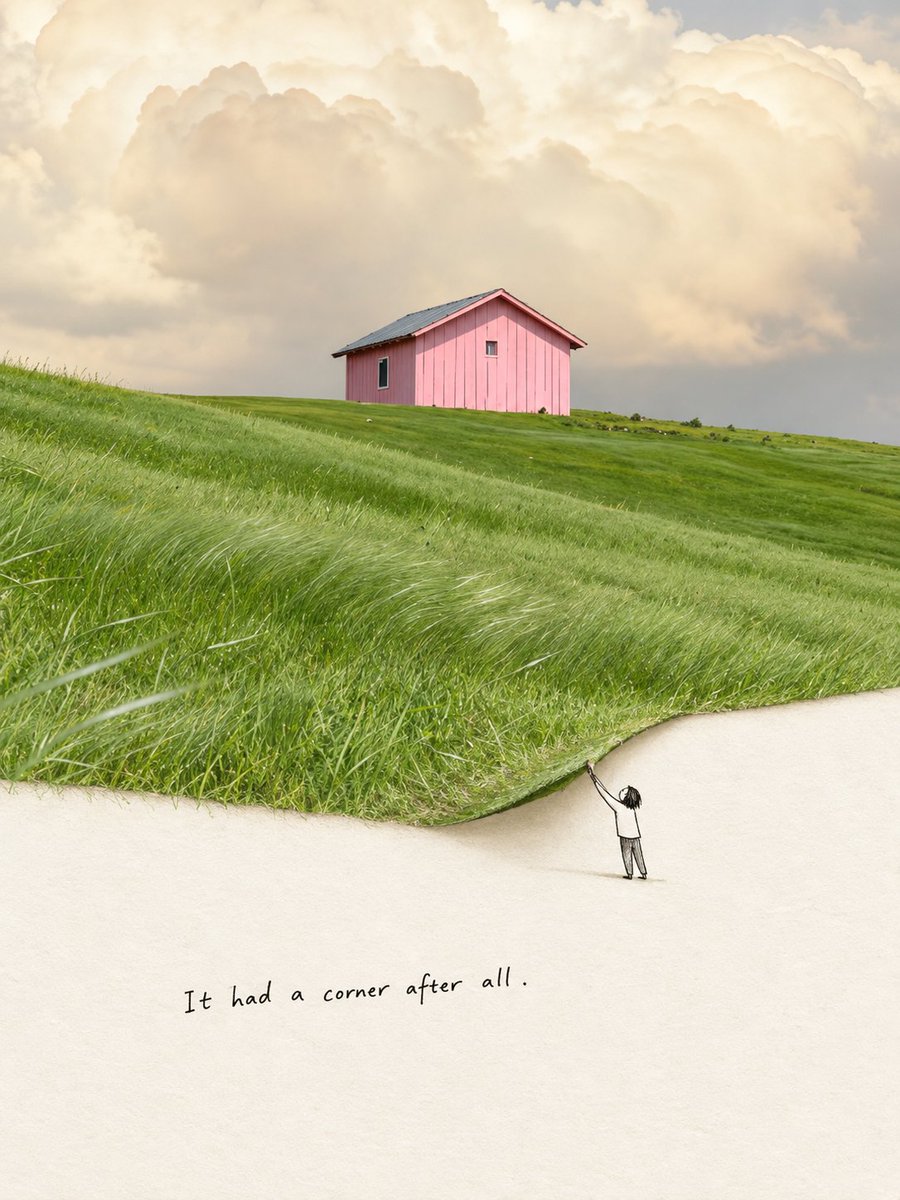
GPT Image 2 Second World Surreal Photo Poster
A detailed prompt for generating surreal photo posters where the top half is a real photo and the bottom half expands into a conceptual 'second world' with mixed media elements.
Este é um exemplo de prompt GPT Image 2 para Ilustração e Arte . Use o prompt pronto para copiar abaixo para gerar visuais semelhantes e revise a atribuição Awesome GPT Image 2 Prompts e os direitos de uso comercial antes de reutilizá-los.
Precisa do conjunto completo de instruções? Use o Ilustração e Arte Para obter mais exemplos relacionados, acesse o hub de tópicos ou abra o GPT Image 2 catálogo de prompts Para obter o índice completo de exemplos, estruturas reutilizáveis e atribuição de fontes.
Free 1K preview
Generate one preview image instantly, no sign-up required.
Free text preview doesn’t preserve reference-image consistency.
3493/4000
Incitar
prompt pronto para copiar
Based on each uploaded photograph, create an independent 3:4 vertical 'Second World' conceptual surrealist photo illustration poster. Output each separately, no collages. Strictly 1:1 split vertically. The top half is the original realistic photo; the bottom half is another layer of space growing from within the photo. They are not stitched together but exist as continuous presences in different narrative layers of the same moment.
The top half should faithfully preserve the original photo as much as possible, without changing the subject, action, spatial relationships, lighting, color, or texture. Only perform necessary proportional cropping and slight high-end tonal adjustments to give it a clean, restrained, publication-quality photographic feel.
The creative focus is not on the 'subject matter' but on re-understanding the visual structure. First, observe the most decisive structural clues in this photo (e.g., boundaries, slopes, water surfaces, reflections, shadows, cracks, roads, branches, clouds, contours, gaps, flow, repetitive rhythms, spatial turns, or poses). Find the part best suited to 'cross the boundary'. Then let it break through the photo's edge into the bottom half, undergoing a translation of purpose, scale, semantics, or narrative role upon entry. It's not simple extension, but transforming something real into another existence that can be used, entered, measured, salvaged, repaired, organized, borrowed, unfolded, or collected in the second layer of space.
The bottom half is a warm, quiet, off-white space with subtle paper texture and ample whitespace. It is not an illustration background or decoration area, but a place to receive the 'new logic after crossing the boundary'. The relationship follows: Reality → Crossing → Translation. The charm comes from a smart and accurate cross-layer narrative, not cute decorations.
You may add minimal black hand-drawn line art figures (0-3), few but precise. Figures are users of the second world, interacting authentically with the translated structures. Lines should be light, simple, natural, slightly handmade, not cutesy, complex, or distracting. Actions should be specific, restrained, and smart, like seriously handling a small thing inherent to this world.
You may add a short English handwritten caption, generated based on the actual 'Second World event' happening in the image. Tone should be like a casual discovery or soft narration, with a hint of humor and lingering interest. Do not write inspirational quotes, explain allegories, or use templates.
The overall style should present a synthesis of Mixed-Media Photo Illustration, Surreal Photomontage, Frame-Breaking Illusion, Trompe-l'œil, Visual Metaphor, and Conceptual Editorial Illustration. Formally cross-media collage, mechanically frame-breaking, core visual metaphor, emotional tone gentle, slight, and smart micro-surrealism.
Do not make it a template of 'photo + small people + sentence'; do not have extension without translation; do not have form without metaphor; do not force sentimentality; avoid commercial ad feel, complex illustration feel, repetitive actions, baseless decoration, mechanical collage, hard connections, or cheap healing vibes.
Final Goal:
Let viewers first see a valid real photo, then suddenly discover an element crossing into another layer of space, gaining an unexpected yet extremely natural new meaning there.
Not adding creativity to the photo, but revealing the second reality latent within it.
Best for
- - Ilustração e Arte visual exploration
- - Image generation and reference-image edits
- - Reusable briefs that keep source attribution visible
Change these parts
- - Subject, product, character, or scene
- - Aspect ratio, camera, lighting, and background
- - Brand, text, color, and output constraints
Recommended model and settings
- - Model: gpt-image-2
- - Input mode: Imagem para Imagem
- - Aspect ratio: source
- - Commercial status: review original source
How to use this prompt
- 1. Copy the prompt and preserve its structure for the first test.
- 2. Replace the subject, context, and publishing channel.
- 3. Change one camera, lighting, or style variable per iteration.
- 4. Inspect the output, source, text, and rights before reuse.
Limitations, source, and reuse cautions
- - Generated output is an editable draft, not factual, legal, or rights evidence.
- - Review the linked source, people, brands, logos, text, and third-party media before commercial use.
Importado de Awesome GPT Image 2 Prompts . É necessário dar crédito. O uso comercial é permitido allowed ; revise os direitos da fonte antes de utilizá-lo mediante pagamento.
Mais casos nesta categoria
Priorizados por categoria, compatibilidade do modo de entrada, qualidade e menor risco.
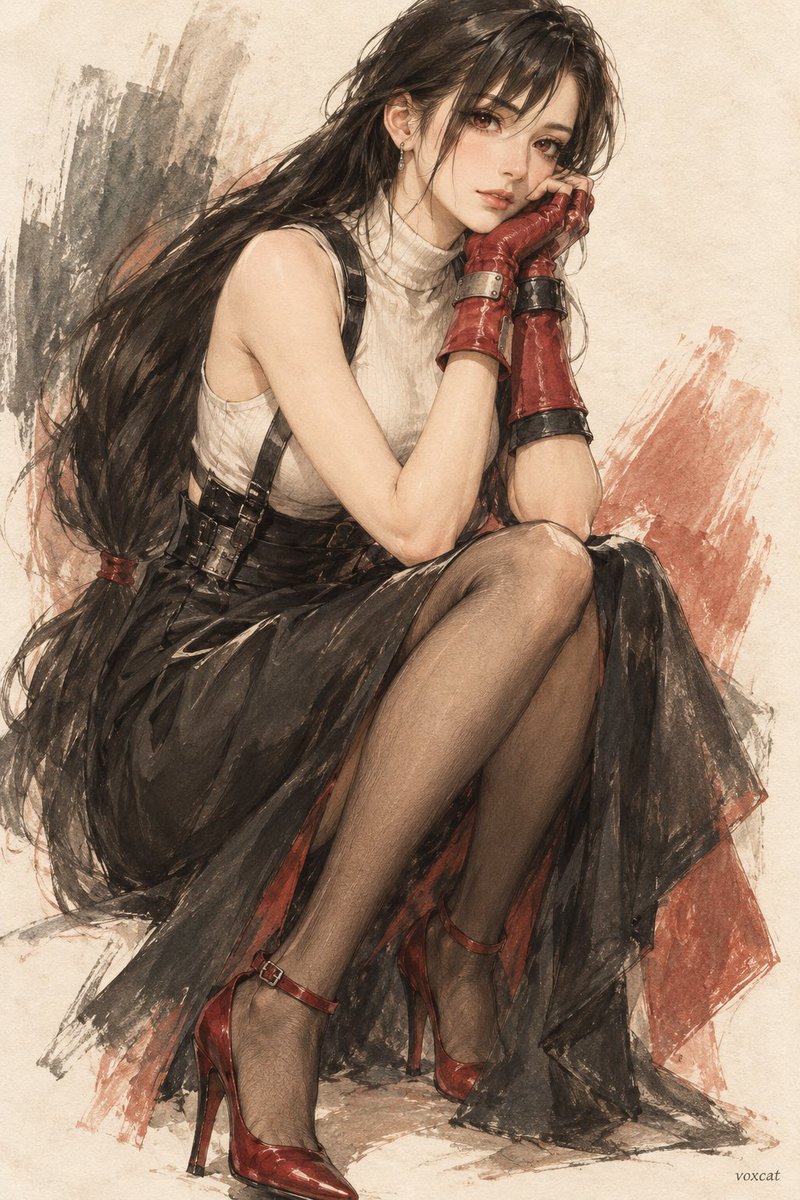
Vintage Fashion Illustration Prompt
Imagem para Imagem
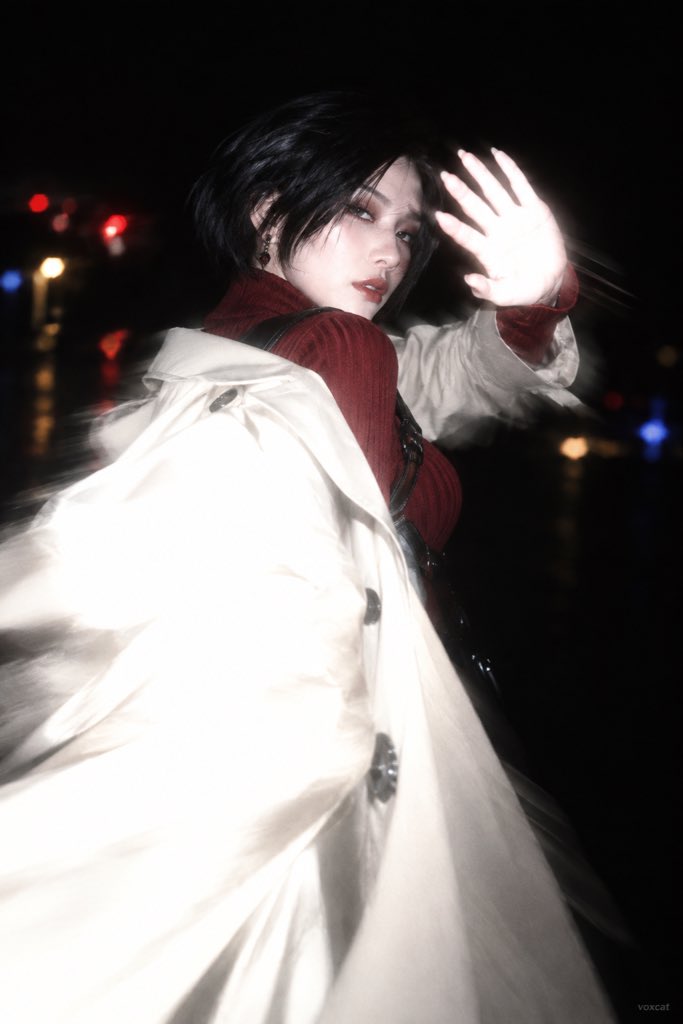
Dreamcore Night Flash Prompt
Imagem para Imagem
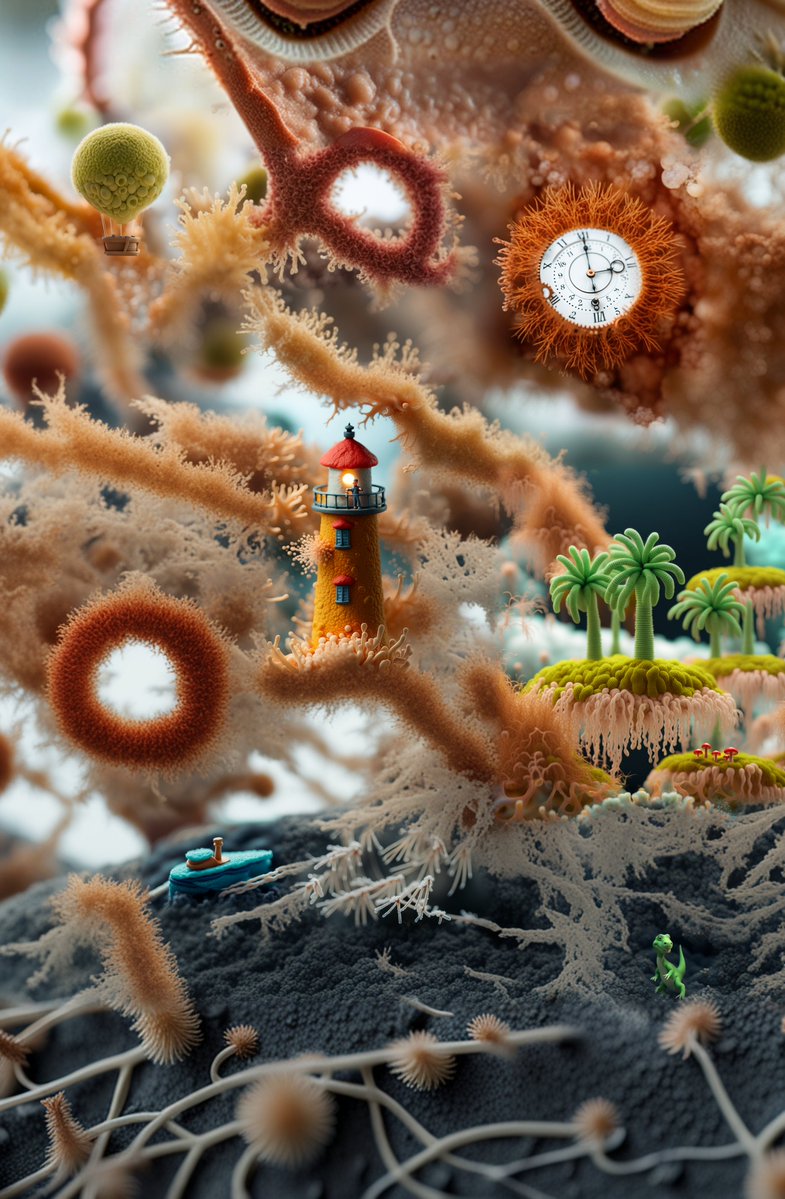
Surreal Miniature Coral Diorama
Texto para Imagem
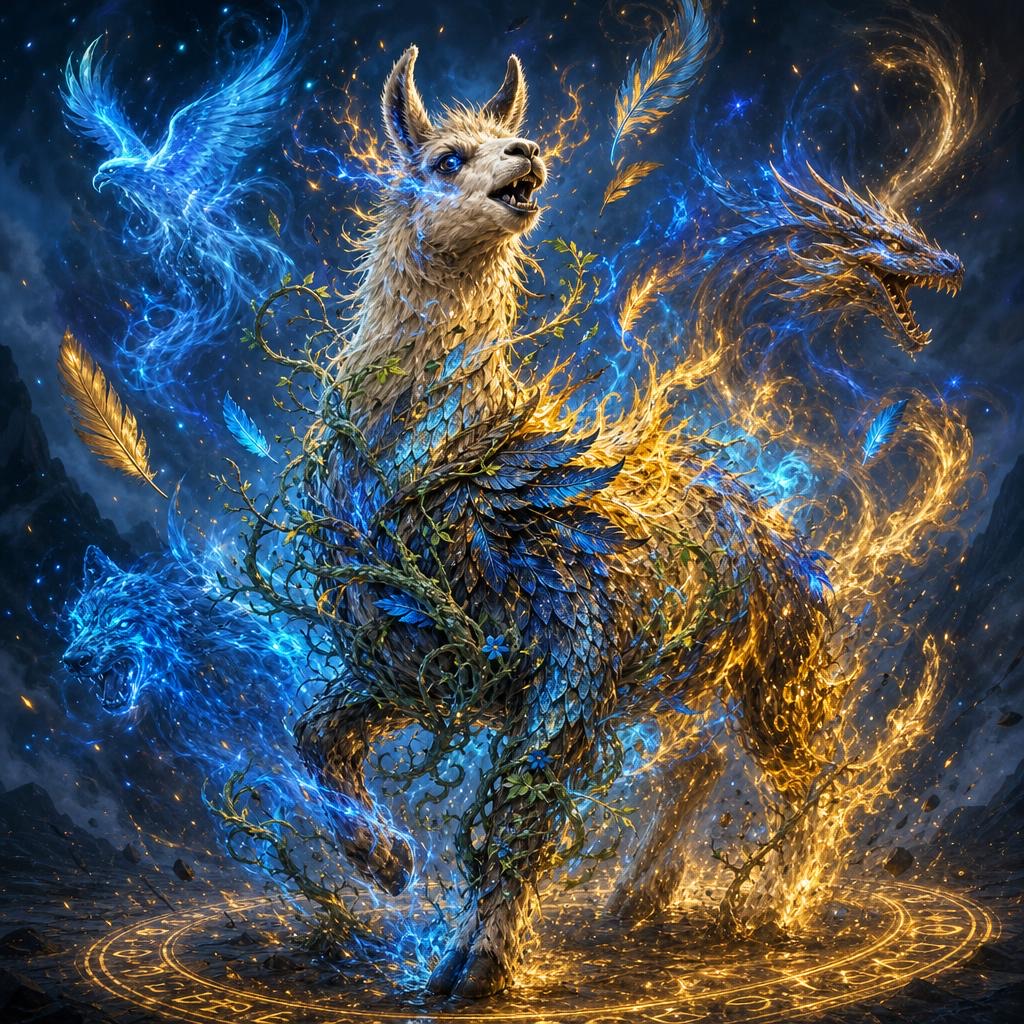
GPT Image 2 Prompt for Magical Llama Transformation
Imagem para Imagem
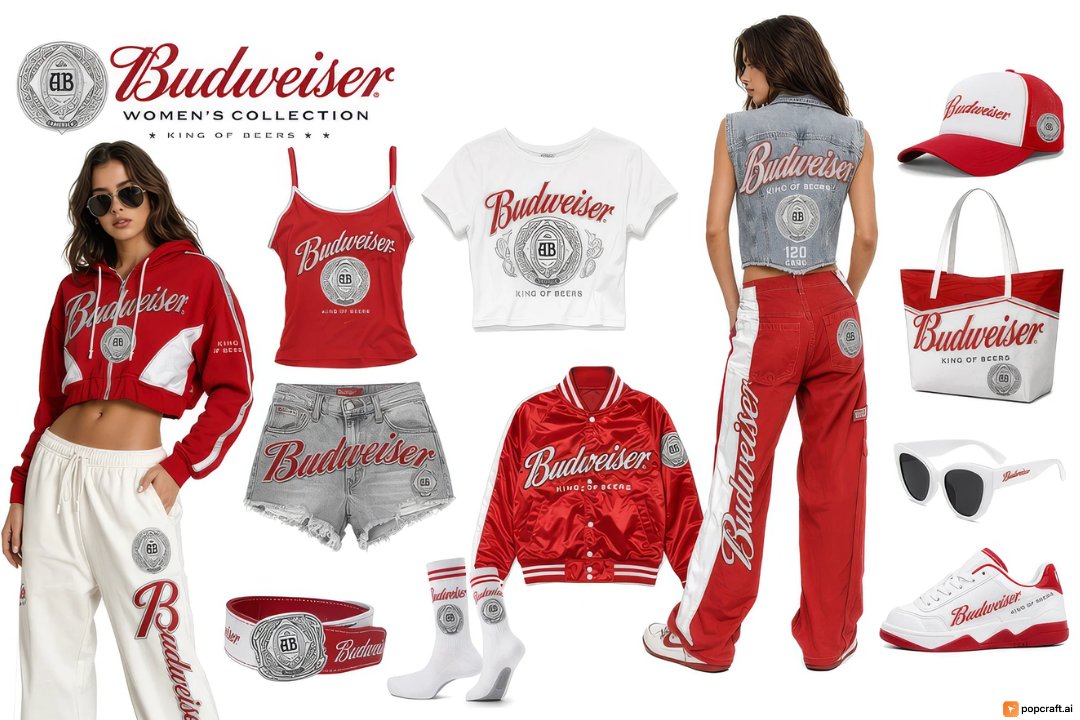
Budweiser Streetwear Fashion Concept Board
Imagem para Imagem
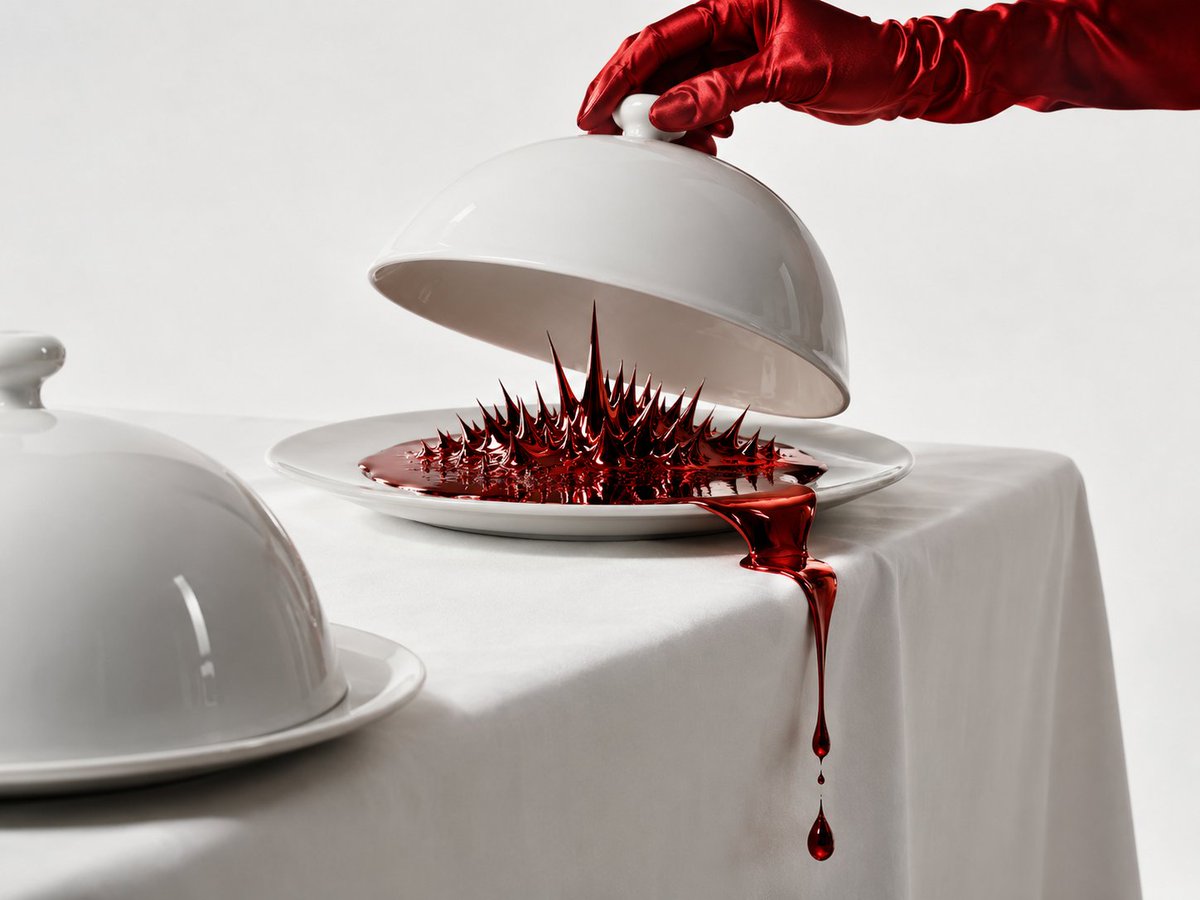
Uncanny Red Liquid Still Life
Texto para Imagem
Reutilização e notas de origem
Utilize esta instrução com segurança após visualizar o caso.
- 1.Copie o prompt ou abra-o diretamente no Dovoo com o botão de geração.
- 2.Ajuste as variáveis, a proporção e as imagens de referência de acordo com o seu caso específico.
- 3.Antes de publicar ou utilizar o conteúdo mediante pagamento, verifique os direitos da fonte, os requisitos de atribuição e os riscos relacionados à marca ou à imagem.