
Manuscrito de infográfico sobre conceito filosófico
Um enunciado altamente detalhado e complexo para um infográfico concebido como um antigo manuscrito mitológico, explicando as diferenças entre o confucionismo, o taoísmo e o budismo.
Este é um exemplo de prompt GPT Image 2 para Gráfico e pôster . Use o prompt pronto para copiar abaixo para gerar visuais semelhantes e revise a atribuição Awesome GPT Image 2 Prompts e os direitos de uso comercial antes de reutilizá-los.
Precisa do conjunto completo de instruções? Use o Gráfico e pôster Para obter mais exemplos relacionados, acesse o hub de tópicos ou abra o GPT Image 2 catálogo de prompts Para obter o índice completo de exemplos, estruturas reutilizáveis e atribuição de fontes.
Free 1K preview
Generate one preview image instantly, no sign-up required.
2712/4000
Incitar
prompt pronto para copiar
A breathtaking and extremely complex conceptual world-building infographic masterpiece of the "{argument name="theme" default="fundamental differences between Confucianism, Taoism, and Buddhism"}", overall designed as an ancient Eastern classical mythological manuscript. Background: pure white retro textured canvas, light beige aged parchment base color, with slight frayed edges and water stain effects. Core layout: The central visual adopts a grand "vertical egg-shaped layered structure", with Buddhism, Taoism, and Confucianism layers from top to bottom. Edge details: four corners adorned with fine microscopic illustrations themed on ancient observation notes, ritual implements, and runes. Color: low-saturation sage green, light gold, and off-white as main tones, generally light and soft without piercing high-saturation colors. Details: architectural lines, landscape brushwork techniques, lotus patterns, and cloud layers are clearly visible and rendered with extreme detail. Seamless fusion: Natural transitions between the three layers via clouds and flowing water, seamlessly connecting Buddhist light, Taoist Taiji clouds, and Confucian scholarly atmosphere. Style: {argument name="art style" default="classical ink line art + low-saturation digital watercolor"}, with a light Chinese style ancient book manuscript texture. Text annotations: Pure traditional Chinese characters in a mottled ancient Song font, each annotation containing a short title + a line of poetic description, connected to details by dark gold hairline leads with no repetitive pointing. Aspect ratio: 3:4 vertical independent complete unit. Title Area (top): `Confucianism, Buddhism, Taoism: Fundamental Differences`. Central layered annotations: Top layer 'Buddhism': `Buddhism`, `Relationship between self and self`, `No-self, governing the heart, letting go`. Middle layer 'Taoism': `Taoism`, `Relationship between self and all things`, `Non-action, governing the body, keeping an open mind`. Bottom layer 'Confucianism': `Confucianism`, `Relationship between people`, `No-ego, governing the world, taking responsibility`. Side auxiliary annotations: Left: `Purity: clear heart and bright mind, severing afflictions`; `Stillness: following nature, returning to the original heart`; `Reverence: awe of responsibility, active engagement with the world`. Right: `60+ years refining the heart: looking past gains and losses, returning to the inner self`; `35-55 years being human: balance of tension and relaxation, following laws`; `7-35 years doing things: forging ahead with determination, building a career`. Bottom summary: `The balance between being in the world and being out of it is a high-level wisdom of life`.Variáveis de prompt
Marcadores de posição editáveis para argumentos encontrados no prompt, com seus valores padrão.
Variável
theme
Padrão
fundamental differences between Confucianism, Taoism, and Buddhism
Variável
art style
Padrão
classical ink line art + low-saturation digital watercolor
Best for
- - Gráfico e pôster visual exploration
- - Image generation and reference-image edits
- - Reusable briefs that keep source attribution visible
Change these parts
- - Subject, product, character, or scene
- - Aspect ratio, camera, lighting, and background
- - Brand, text, color, and output constraints
Recommended model and settings
- - Model: gpt-image-2
- - Input mode: Texto para Imagem
- - Aspect ratio: source
- - Commercial status: review original source
How to use this prompt
- 1. Copy the prompt and preserve its structure for the first test.
- 2. Replace the subject, context, and publishing channel.
- 3. Change one camera, lighting, or style variable per iteration.
- 4. Inspect the output, source, text, and rights before reuse.
Limitations, source, and reuse cautions
- - Generated output is an editable draft, not factual, legal, or rights evidence.
- - Review the linked source, people, brands, logos, text, and third-party media before commercial use.
Importado de Awesome GPT Image 2 Prompts . É necessário dar crédito. O uso comercial é permitido allowed ; revise os direitos da fonte antes de utilizá-lo mediante pagamento.
Mais casos nesta categoria
Priorizados por categoria, compatibilidade do modo de entrada, qualidade e menor risco.
Martial Arts Legend Character Bible Sheet
Texto para Imagem
Grumpy Rhino Storybook Illustration
Texto para Imagem
Manga Desert Radio Telescope Road Trip
Texto para Imagem

Surreal 3D Chess Match Artwork
Texto para Imagem
Pink Hijab Mirror Selfie Portrait
Texto para Imagem
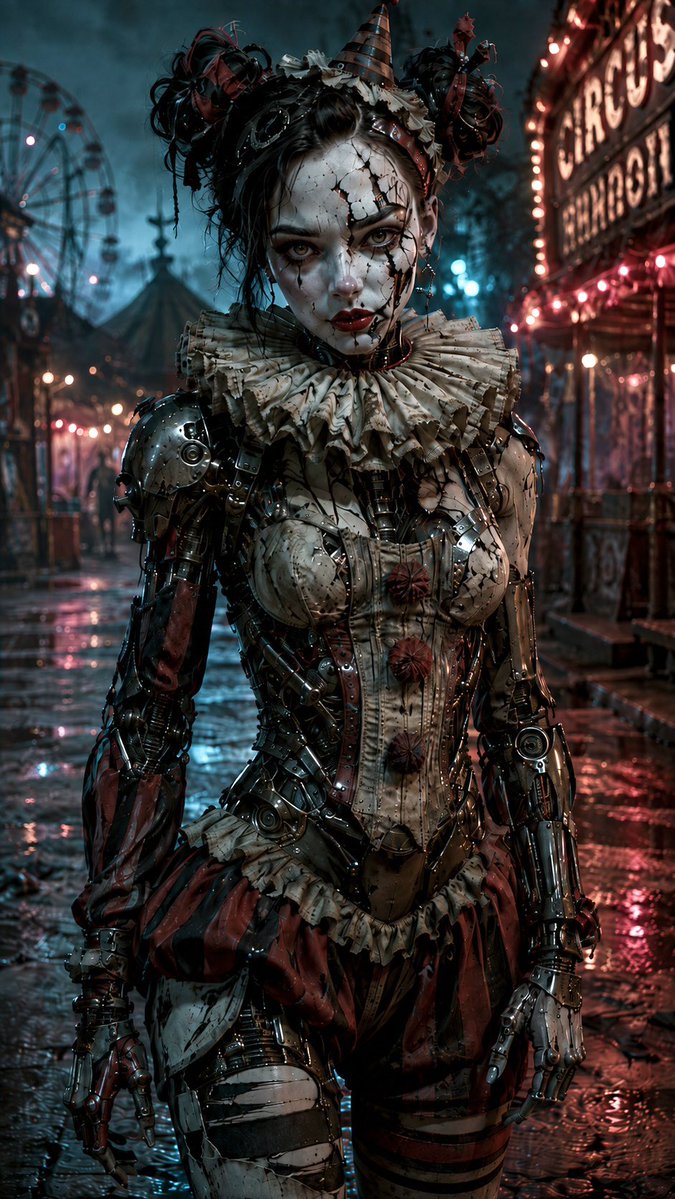
Female Clown Cyborg Portrait
Texto para Imagem
Reutilização e notas de origem
Utilize esta instrução com segurança após visualizar o caso.
- 1.Copie o prompt ou abra-o diretamente no Dovoo com o botão de geração.
- 2.Ajuste as variáveis, a proporção e as imagens de referência de acordo com o seu caso específico.
- 3.Antes de publicar ou utilizar o conteúdo mediante pagamento, verifique os direitos da fonte, os requisitos de atribuição e os riscos relacionados à marca ou à imagem.