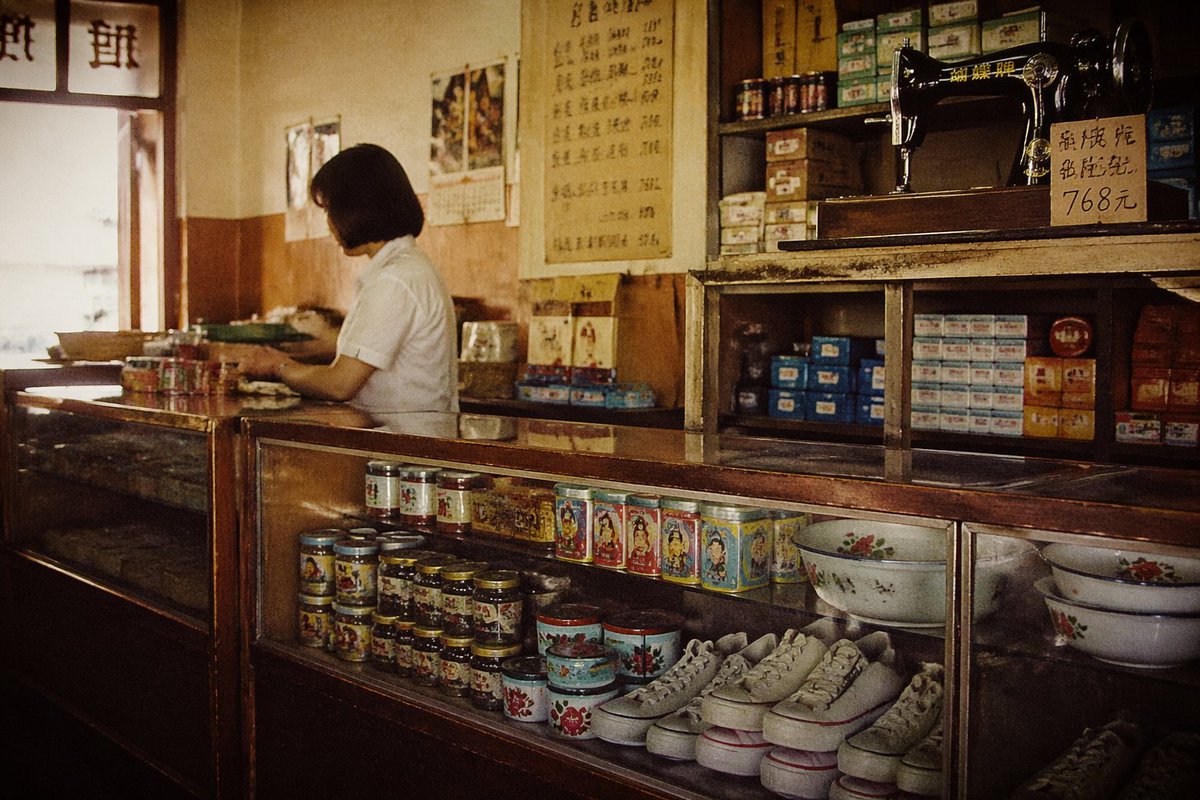
Wnętrze zabytkowego chińskiego sklepu ogólnego
To polecenie generuje ciepłe, nostalgiczne zdjęcie w stylu dokumentalnym przedstawiające wnętrze starego chińskiego sklepiku na rogu, przydatne w scenach retro i obrazach z epoki filmowej.
To jest przykładowy przykład GPT Image 2 dla Wnętrza i architektura . Skorzystaj z poniższego przykładu gotowego do skopiowania, aby wygenerować podobne materiały wizualne i sprawdź atrybucję Awesome GPT Image 2 Prompts oraz prawa do użytku komercyjnego przed ponownym wykorzystaniem.
Potrzebujesz pełnego zestawu podpowiedzi? Użyj Wnętrza i architektura aby uzyskać więcej powiązanych przykładów, odwiedź centrum tematyczne lub otwórz GPT Image 2 szybki katalog aby zobaczyć pełny przykładowy indeks, struktury wielokrotnego użytku i informacje o źródle.
Free 1K preview
Generate one preview image instantly, no sign-up required.
1729/4000
Opis
Monit o przygotowanie do kopiowania
A photograph capturing the interior of an old-style Chinese grocery store with a nostalgic cinematic feel, shot from a customer's perspective using a slightly wide-angle composition. The image features warm brown and amber tones, with soft window light streaming in from the left, accompanied by fine film grain, subtle vignetting, and a gentle, hazy retro texture. Behind the long, dark wood and glass counter stands a shopkeeper – a woman with a short black bob, wearing a plain white short-sleeved shirt, facing sideways towards the camera and busy at work on the counter. The store atmosphere is authentic, simple, and full of life, evoking a sense of being transported to the late 1970s to 1990s. On the upper right shelf sits a black vintage sewing machine, next to a handwritten Chinese price tag reading “768元”. The shelves behind it are stacked with various small, colorful product boxes and tin cans. On the wall hangs 1 large vertical handwritten Chinese price list and 2 old paper calendars or posters. The foreground glass cabinet displays many old-fashioned packaged goods: piles of colorful tin cans and glass bottles, several rectangular illustrated tin cans, 2 patterned enamel washbasins, and multiple pairs of plain white canvas shoes arranged in a row on the bottom shelf. The left side of the image reveals a bright, framed window and more counter clutter, creating a strong contrast between sunlight and the dim interior. Emphasize a realistic documentary photography style, richly textured wood, aged surfaces, vintage packaging design, a peaceful everyday atmosphere, and a composition that guides the eye from the shopkeeper in the left-center to the sewing machine and shelves in the upper right corner.
Best for
- - Wnętrza i architektura visual exploration
- - Image generation and reference-image edits
- - Reusable briefs that keep source attribution visible
Change these parts
- - Subject, product, character, or scene
- - Aspect ratio, camera, lighting, and background
- - Brand, text, color, and output constraints
Recommended model and settings
- - Model: gpt-image-2
- - Input mode: Tekst na obraz
- - Aspect ratio: source
- - Commercial status: review original source
How to use this prompt
- 1. Copy the prompt and preserve its structure for the first test.
- 2. Replace the subject, context, and publishing channel.
- 3. Change one camera, lighting, or style variable per iteration.
- 4. Inspect the output, source, text, and rights before reuse.
Limitations, source, and reuse cautions
- - Generated output is an editable draft, not factual, legal, or rights evidence.
- - Review the linked source, people, brands, logos, text, and third-party media before commercial use.
Zaimportowano z Awesome GPT Image 2 Prompts . Wymagane jest podanie źródła. Status do użytku komercyjnego to allowed ; przed płatnym użyciem sprawdź prawa autorskie do źródła.
Więcej przypadków w tej kategorii
Priorytety według kategorii, zgodności trybu wprowadzania, jakości i niższego ryzyka.



Ponowne wykorzystanie i źródło notatek
Użyj tego monitu bezpiecznie po zapoznaniu się ze sprawą.
- 1.Skopiuj monit lub otwórz go bezpośrednio w Dovoo za pomocą przycisku generowania.
- 2.Dostosuj zmienne, proporcje obrazu i obrazy referencyjne do własnego przypadku użycia.
- 3.Przed publikacją lub płatnym wykorzystaniem należy sprawdzić prawa autorskie do źródła, wymogi dotyczące atrybucji oraz ryzyko związane z marką lub podobizną.