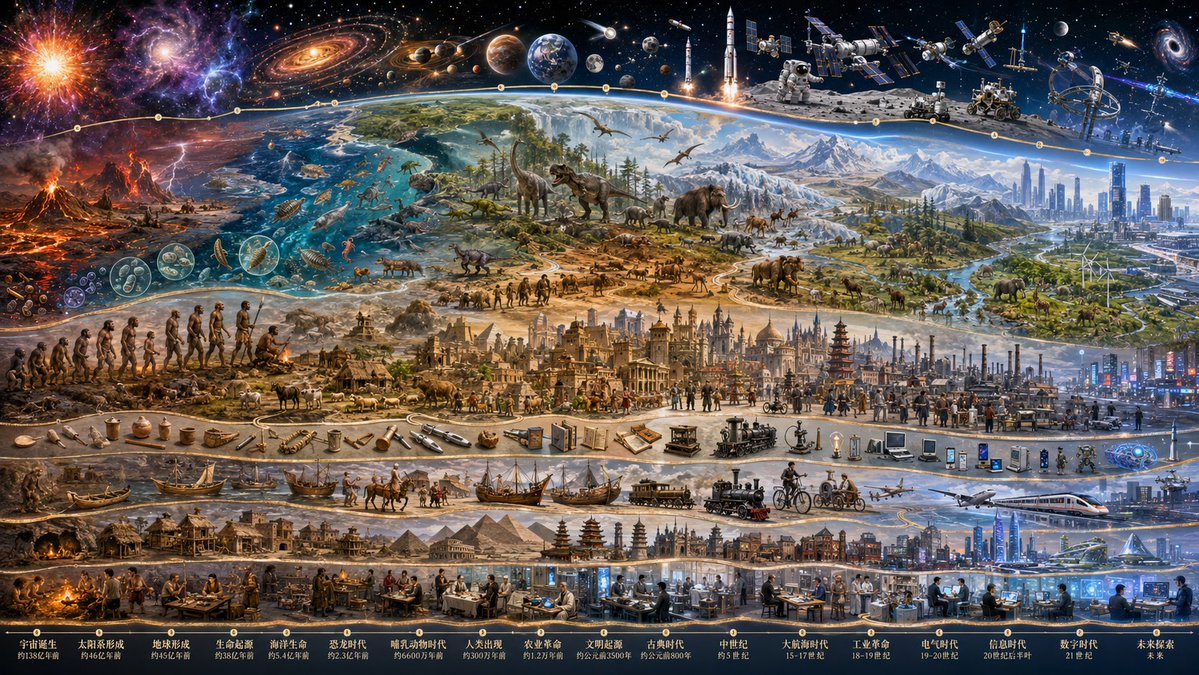
Epic Universe History Timeline Poster
Generates a dense panoramic educational mural showing cosmic history, evolution, civilization, technology, and the future in one timeline.
To jest przykładowy przykład GPT Image 2 dla Grafika i plakat . Skorzystaj z poniższego przykładu gotowego do skopiowania, aby wygenerować podobne materiały wizualne i sprawdź atrybucję Awesome GPT Image 2 Prompts oraz prawa do użytku komercyjnego przed ponownym wykorzystaniem.
Potrzebujesz pełnego zestawu podpowiedzi? Użyj Grafika i plakat aby uzyskać więcej powiązanych przykładów, odwiedź centrum tematyczne lub otwórz GPT Image 2 szybki katalog aby zobaczyć pełny przykładowy indeks, struktury wielokrotnego użytku i informacje o źródle.
Free 1K preview
Generate one preview image instantly, no sign-up required.
4000/4000
Opis
Monit o przygotowanie do kopiowania
Objective: Create an ultra-wide, highly information-dense panoramic illustration timeline for gpt-image-2, covering the entire universe, Earth, life, human civilization, technology, and the future, and render it as a seamless, epic cross-section mural.

Canvas: 16:9 landscape poster, extremely high detail, combining cinematic realism with museum-quality educational illustration, with clarity sufficient to identify small timeline labels. Use a grand, arc-shaped Earth horizon in the center of the image, with outer space above and layered historical scenes below. The image should have no empty space.

Overall Layout: The composition is divided into 4 main horizontal areas. Top area: The history of the universe in deep space. Upper-middle area: The history of Earth and natural evolution across a vast landscape. Lower-middle area: Human civilization and technological progress. Bottom area: A continuous golden timeline strip containing 18 precisely labeled Chinese milestones, each with a small circular marker.

Top Universe Area: Show the fiery Big Bang on the far left, followed by colorful nebulae and star fields, spiral galaxies, forming planets, the solar system, Earth and the Moon, asteroids and comets, rockets, satellites, space stations, astronauts on the Moon, lunar rovers, Mars rovers, future space telescopes, spacecraft, ring-shaped space stations, distant planets, black holes, and a blue, laser-like space trail on the far right. Add a thin golden timeline line with small circular nodes in the upper area.

Upper-Middle Earth and Evolution Area: Blend a volcanic early Earth on the left, with lightning, lava, meteorite impacts, scorching oceans, microbial bubbles, and marine life; transition to lush prehistoric oceans with fish, ammonites, trilobites, and marine reptiles; extend to a dinosaur landscape with forests, sauropods, theropods, pterosaurs, and small dinosaurs; transition to the Ice Age with mountains and mammoths; and finally transition to modern rivers, grasslands, elephants, deer, wind turbines, farmland, and a streamlined futuristic city skyline on the right. Maintain seamless transitions, as if a world map arranged in chronological order.

Lower-Middle Civilization and Technology Area: Show the silhouette of human evolution on the far left, including walking humans, early campfires, caves, stone tools, primitive huts, pottery, sheep and cattle. Then show ancient agriculture, pyramids, temples, classical cities, pagodas, medieval castles, churches, markets, sailing ships, caravans, early machinery, steam trains, bicycles, cars, airplanes, smoking factories, wires, telephones, radios, televisions, computers, laptops, smartphones, servers, laboratories, control rooms, robots, holographic blue interfaces, high-speed trains, and future glass cities. Include many small figures dressed in period clothing interacting naturally.

Bottom Strip: Create a deep navy-black footer strip with a thin gold line and 18 evenly distributed milestone nodes. Each node should use the following precise Chinese labels and dates: 1. “Birth of the Universe\nApproximately 13.8 billion years ago”, 2. “Formation of the Solar System\nApproximately 4.6 billion years ago”, 3. “Formation of Earth\nApproximately 4.5 billion years ago”, 4. “Origin of Life\nApproximately 3.8 billion years ago”, 5. “Marine Life\nApproximately 540 million years ago”, 6. “Age of Dinosaurs\nApproximately 230 million years ago”, 7. “Age of Mammals\nApproximately 66 million years ago”, 8. “Appearance of Humans\nApproximately 3 million years ago”, 9. “Agricultural Revolution\nApproximately 12,000 years ago”, 10. “Origin of Civilization\nApproximately 3500 BC”, 11. “Classical Era\nApproximately 800 BC”, 12. “Middle Ages\nApproximately 5th Century”, 13. “Age of Discovery\n15th-17th Century”, 14. “Industrial Revolution\n18th-19th Century”, 15. “Electrical Age\n19th-20th Century”, 16. “Information Age\nLate 20th Century”, 17. “Digital Age\n21st Century”, 18. “Future Exploration\nFuture”.

Visual Style: Ultra-high detail, epic technological history infographic, realistic lighting and shadows, vibrant and harmonious colors, golden decorative lines, deep blue and orange tones, miniature model details, cinematic depth of field, clear micro-scenes, no cartoon style, no flat vector feel.

Restrictions: The poster content must be extremely rich but logically coherent; ensure all 18 bottom labels are clearly readable; avoid random garbled text outside the timeline; avoid repeating milestone labels; do not add watermarks or logos. The theme is {argument name="timeline theme" default="the complete history of the universe, Earth, life, civilization, technology, and future exploration"}. The footer labels use {argument name="language for milestone labels" default="Chinese"}, the visual style uses {argument name="visual style" default="hyper-detailed cinematic educational mural"}, the accent color uses {argument name="accent color" default="gold"}, and the future city atmosphere is set to {argument name="future city mood" default="optimistic blue futuristic"}.
Zmienne monitujące
Edytowalne symbole zastępcze argumentów znalezione w monicie, wraz z ich wartościami domyślnymi.
Zmienny
timeline theme
Domyślny
the complete history of the universe, Earth, life, civilization, technology, and future exploration
Zmienny
language for milestone labels
Domyślny
Chinese
Zmienny
visual style
Domyślny
hyper-detailed cinematic educational mural
Zmienny
accent color
Domyślny
gold
Zmienny
future city mood
Domyślny
optimistic blue futuristic
Best for
- - Grafika i plakat visual exploration
- - Image generation and reference-image edits
- - Reusable briefs that keep source attribution visible
Change these parts
- - Subject, product, character, or scene
- - Aspect ratio, camera, lighting, and background
- - Brand, text, color, and output constraints
Recommended model and settings
- - Model: gpt-image-2
- - Input mode: Tekst na obraz
- - Aspect ratio: source
- - Commercial status: review original source
How to use this prompt
- 1. Copy the prompt and preserve its structure for the first test.
- 2. Replace the subject, context, and publishing channel.
- 3. Change one camera, lighting, or style variable per iteration.
- 4. Inspect the output, source, text, and rights before reuse.
Limitations, source, and reuse cautions
- - Generated output is an editable draft, not factual, legal, or rights evidence.
- - Review the linked source, people, brands, logos, text, and third-party media before commercial use.
Zaimportowano z Awesome GPT Image 2 Prompts . Wymagane jest podanie źródła. Status do użytku komercyjnego to allowed ; przed płatnym użyciem sprawdź prawa autorskie do źródła.
Więcej przypadków w tej kategorii
Priorytety według kategorii, zgodności trybu wprowadzania, jakości i niższego ryzyka.
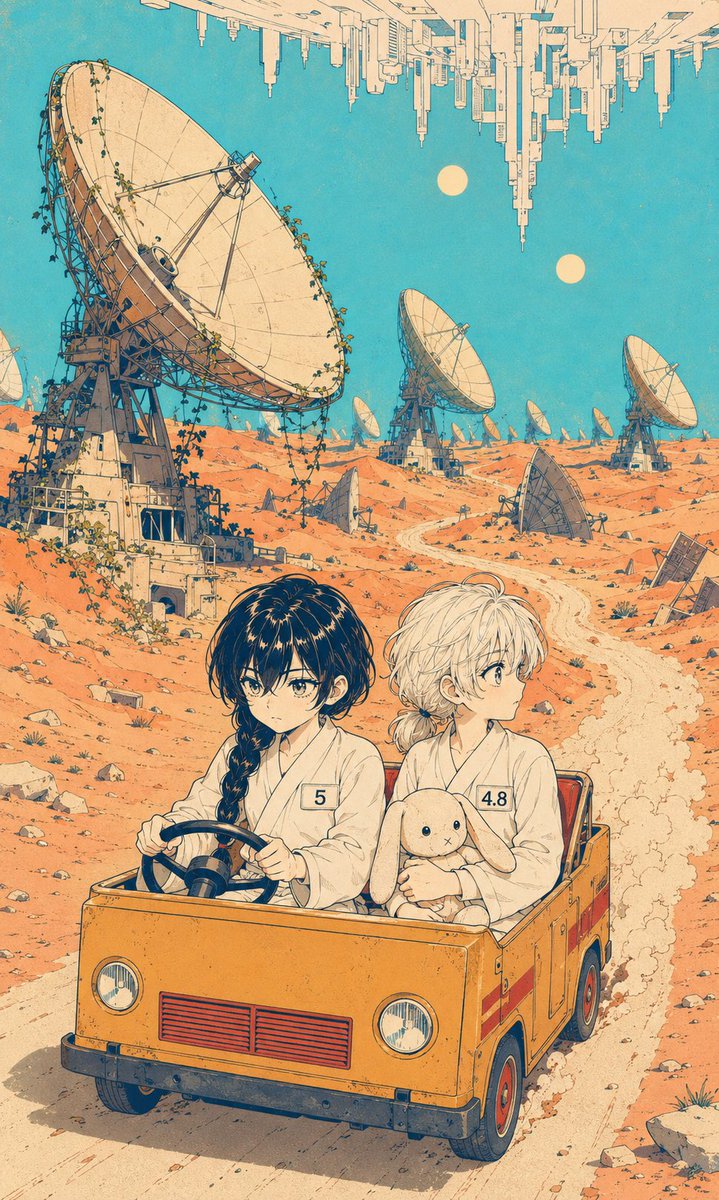
Manga Desert Radio Telescope Road Trip
Tekst na obraz
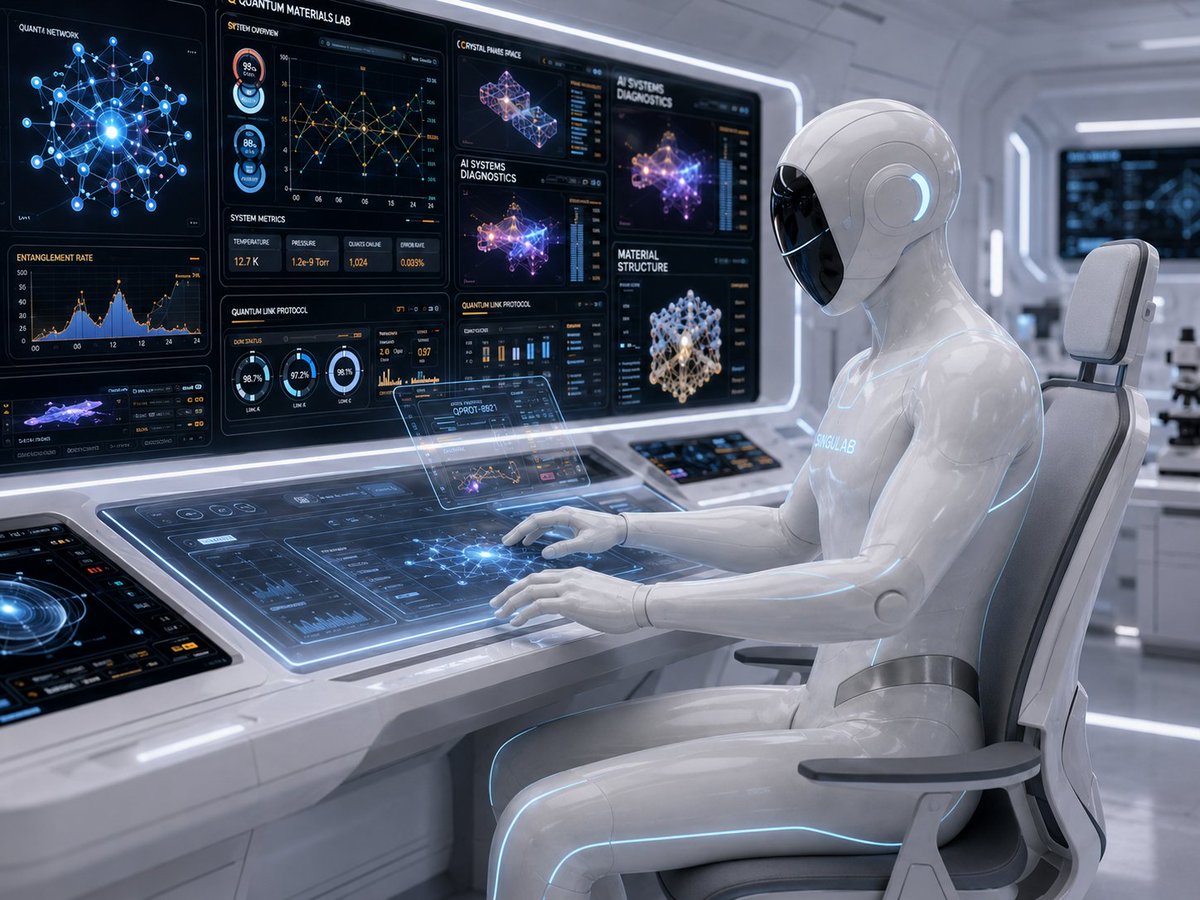
Android Quantum Lab Workstation
Tekst na obraz
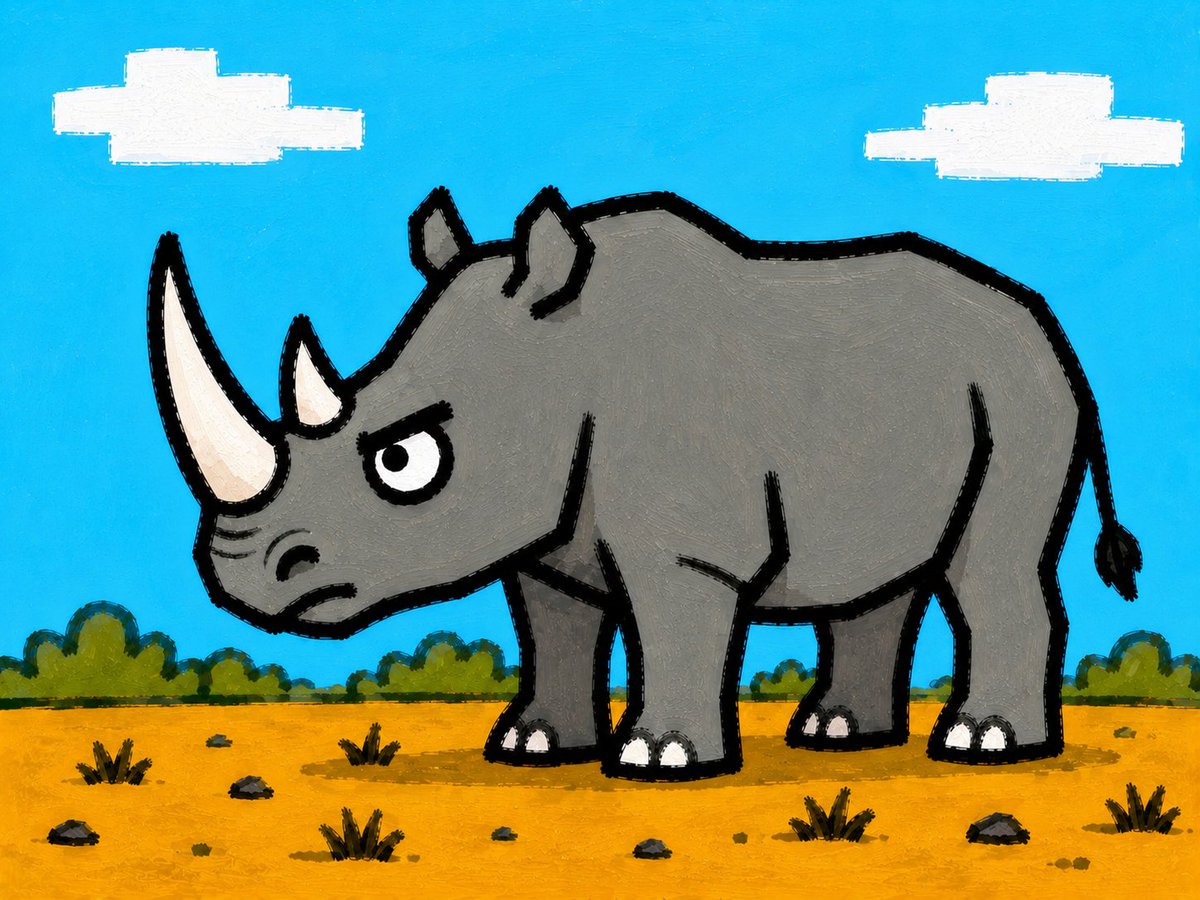
Grumpy Rhino Storybook Illustration
Tekst na obraz
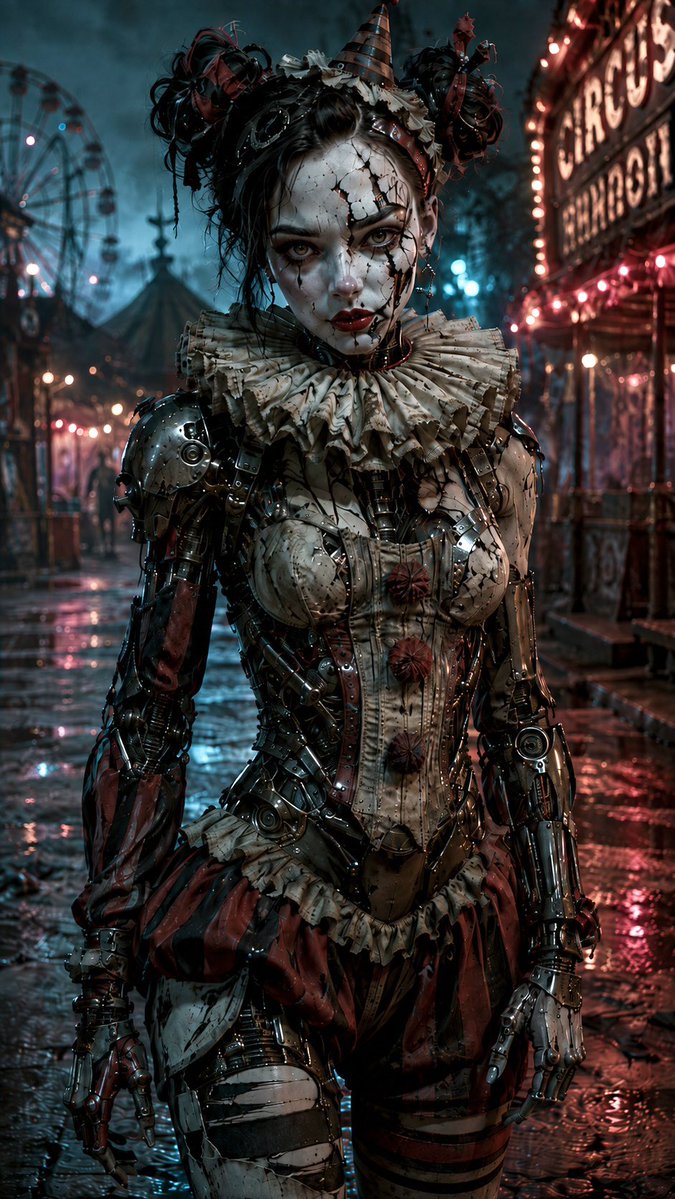
Female Clown Cyborg Portrait
Tekst na obraz
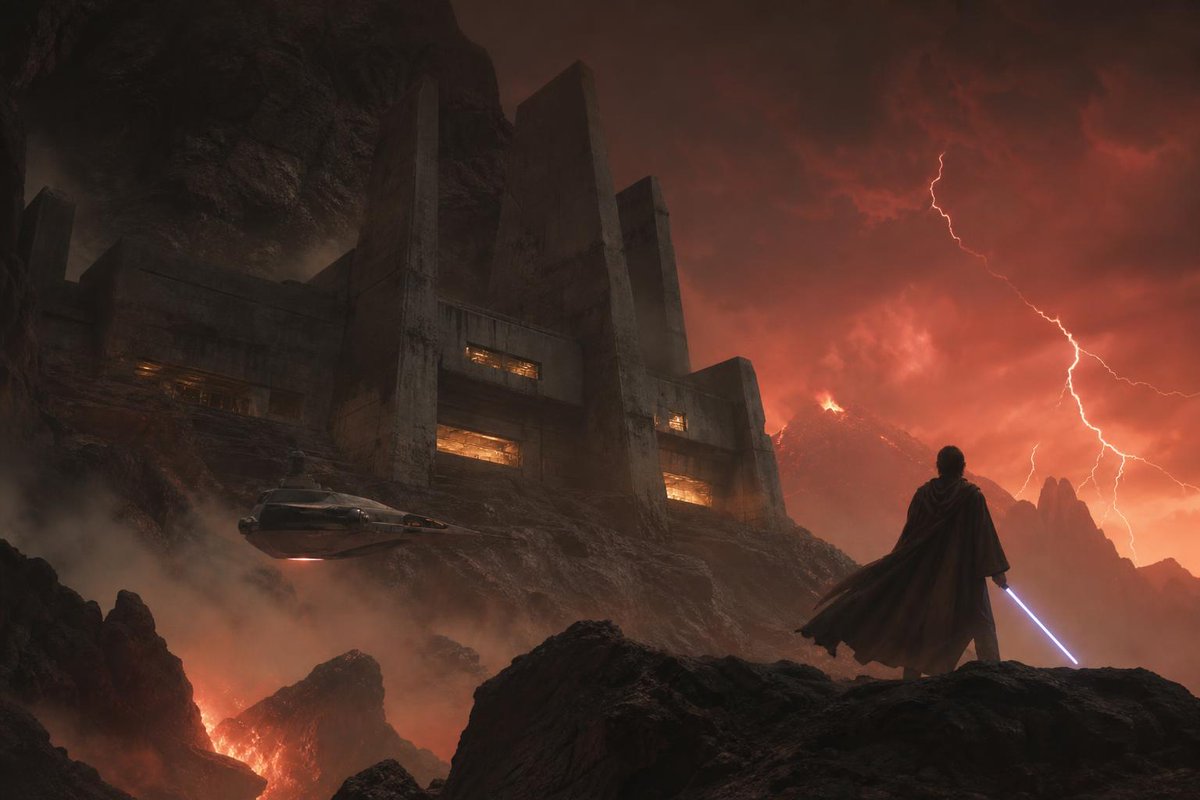
Imperial Research Bunker on Volcanic Planet
Tekst na obraz
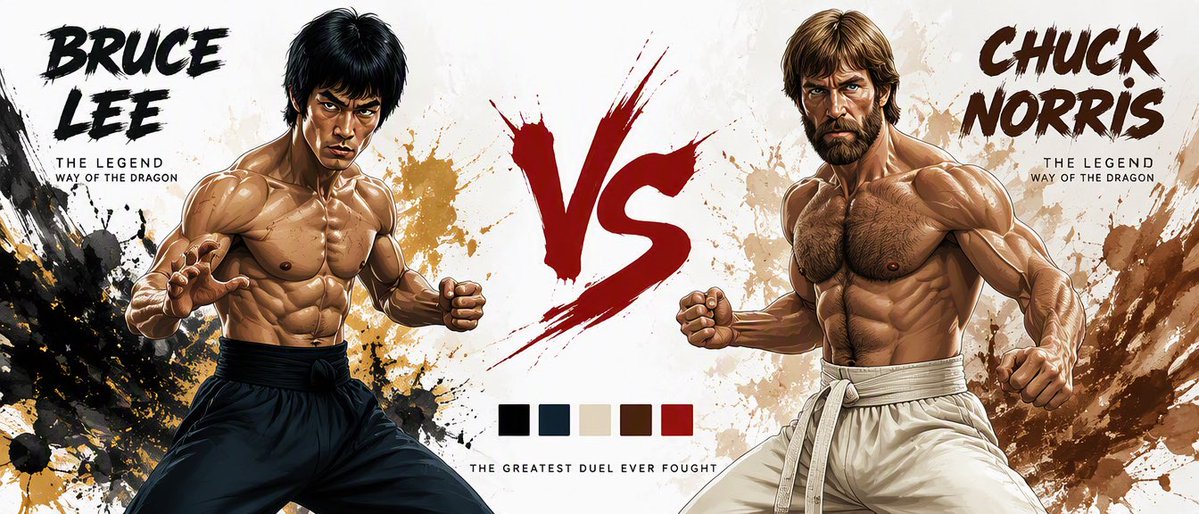
Martial Arts Legend Character Bible Sheet
Tekst na obraz
Ponowne wykorzystanie i źródło notatek
Użyj tego monitu bezpiecznie po zapoznaniu się ze sprawą.
- 1.Skopiuj monit lub otwórz go bezpośrednio w Dovoo za pomocą przycisku generowania.
- 2.Dostosuj zmienne, proporcje obrazu i obrazy referencyjne do własnego przypadku użycia.
- 3.Przed publikacją lub płatnym wykorzystaniem należy sprawdzić prawa autorskie do źródła, wymogi dotyczące atrybucji oraz ryzyko związane z marką lub podobizną.