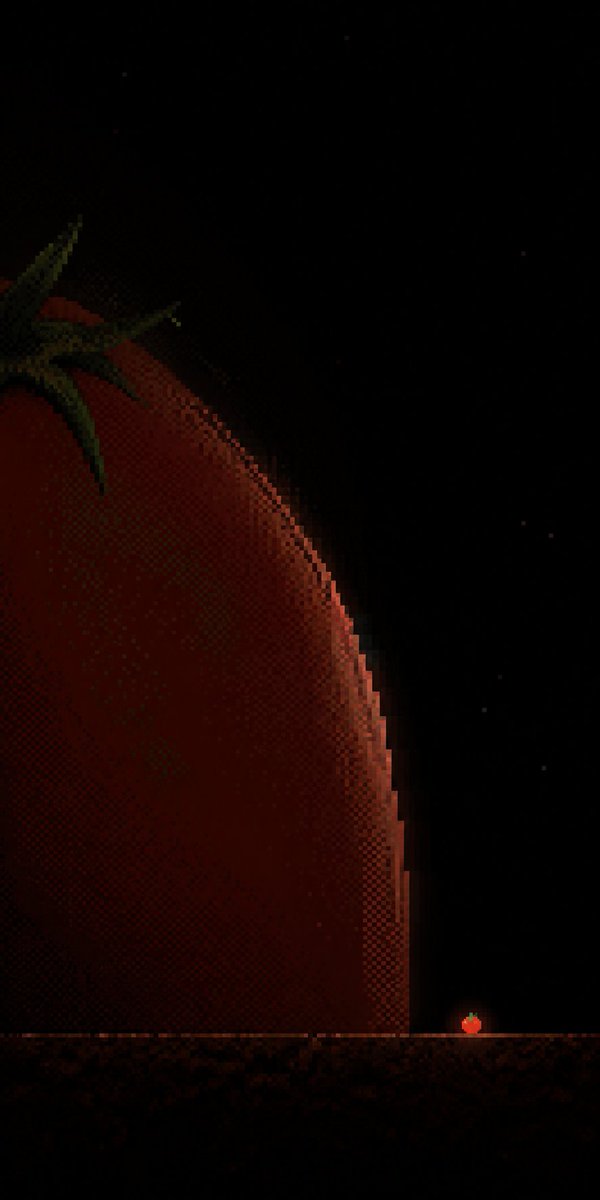
Tiny Tomato in Dark Pixel Void
Generates a vertical minimalist pixel-art poster with a huge cropped tomato and a tiny glowing tomato focal point for atmospheric visual storytelling.
To jest przykładowy przykład GPT Image 2 dla Ilustracja i sztuka . Skorzystaj z poniższego przykładu gotowego do skopiowania, aby wygenerować podobne materiały wizualne i sprawdź atrybucję Awesome GPT Image 2 Prompts oraz prawa do użytku komercyjnego przed ponownym wykorzystaniem.
Potrzebujesz pełnego zestawu podpowiedzi? Użyj Ilustracja i sztuka aby uzyskać więcej powiązanych przykładów, odwiedź centrum tematyczne lub otwórz GPT Image 2 szybki katalog aby zobaczyć pełny przykładowy indeks, struktury wielokrotnego użytku i informacje o źródle.
Free 1K preview
Generate one preview image instantly, no sign-up required.
1398/4000
Opis
Monit o przygotowanie do kopiowania
Create a vertical 9:16 minimalist pixel-art poster about {argument name="subject" default="a tomato"} in a near-black void. The canvas is mostly empty black space with extremely low brightness and a quiet cinematic mood. On the far left, show one enormous cropped tomato form entering from the edge, only its right curved rim visible as a huge dark red arc occupying the lower-left half of the frame; its body is rendered with coarse dithering, muted crimson and brown shadows, and a thin warm orange rim light along the edge. At the upper-left corner of the giant fruit, include exactly 5 dark green pointed calyx leaves, partially cropped and barely lit. Near the bottom, place one thin horizontal ground ledge or platform line spanning the full width, colored dim rusty brown with pixel noise. Just above this line near the lower-right area, place one tiny glowing tomato icon as the core focal point, with a red-orange body, a small green top, and a soft warm halo, emphasizing the scale difference between the tiny signal and the massive cropped structure. Include exactly 8 faint star-like pixel specks scattered in the black background, all very subtle. Use {argument name="color palette" default="near-black, deep crimson, burnt orange, dark olive green"}, retro 8-bit / 16-bit pixel art, heavy halftone dithering, blocky jagged edges, high negative space, no text, no border, no watermark.Zmienne monitujące
Edytowalne symbole zastępcze argumentów znalezione w monicie, wraz z ich wartościami domyślnymi.
Zmienny
subject
Domyślny
a tomato
Zmienny
color palette
Domyślny
near-black, deep crimson, burnt orange, dark olive green
Best for
- - Ilustracja i sztuka visual exploration
- - Image generation and reference-image edits
- - Reusable briefs that keep source attribution visible
Change these parts
- - Subject, product, character, or scene
- - Aspect ratio, camera, lighting, and background
- - Brand, text, color, and output constraints
Recommended model and settings
- - Model: gpt-image-2
- - Input mode: Tekst na obraz
- - Aspect ratio: source
- - Commercial status: review original source
How to use this prompt
- 1. Copy the prompt and preserve its structure for the first test.
- 2. Replace the subject, context, and publishing channel.
- 3. Change one camera, lighting, or style variable per iteration.
- 4. Inspect the output, source, text, and rights before reuse.
Limitations, source, and reuse cautions
- - Generated output is an editable draft, not factual, legal, or rights evidence.
- - Review the linked source, people, brands, logos, text, and third-party media before commercial use.
Zaimportowano z Awesome GPT Image 2 Prompts . Wymagane jest podanie źródła. Status do użytku komercyjnego to allowed ; przed płatnym użyciem sprawdź prawa autorskie do źródła.
Więcej przypadków w tej kategorii
Priorytety według kategorii, zgodności trybu wprowadzania, jakości i niższego ryzyka.
Ponowne wykorzystanie i źródło notatek
Użyj tego monitu bezpiecznie po zapoznaniu się ze sprawą.
- 1.Skopiuj monit lub otwórz go bezpośrednio w Dovoo za pomocą przycisku generowania.
- 2.Dostosuj zmienne, proporcje obrazu i obrazy referencyjne do własnego przypadku użycia.
- 3.Przed publikacją lub płatnym wykorzystaniem należy sprawdzić prawa autorskie do źródła, wymogi dotyczące atrybucji oraz ryzyko związane z marką lub podobizną.