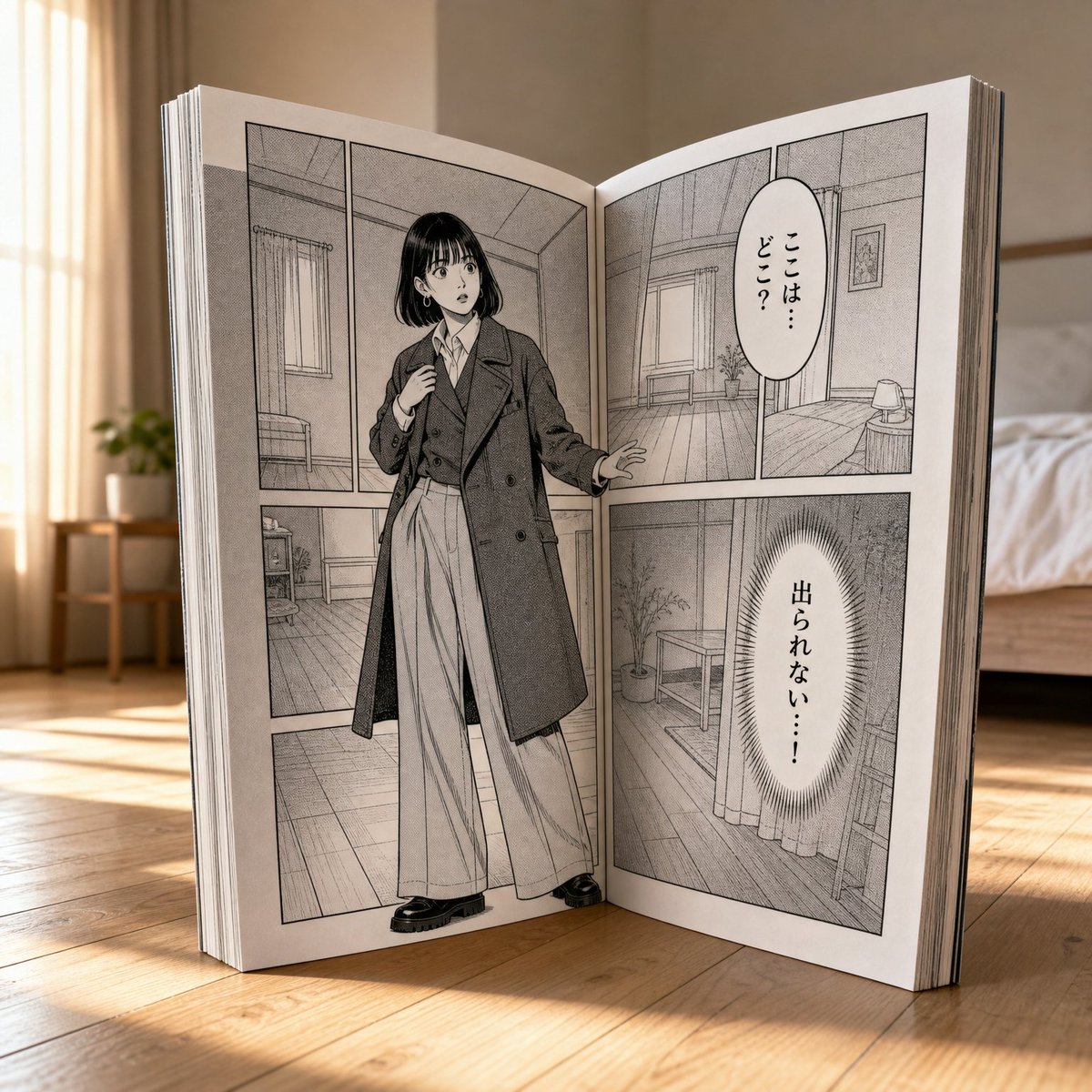
Manga Book Escape Storyboard
A detailed instructional sequence for creating a four-panel storyboard where a character escapes from a 2D manga world into a 3D realistic environment.
To jest przykładowy przykład GPT Image 2 dla Anime i gry . Skorzystaj z poniższego przykładu gotowego do skopiowania, aby wygenerować podobne materiały wizualne i sprawdź atrybucję Awesome GPT Image 2 Prompts oraz prawa do użytku komercyjnego przed ponownym wykorzystaniem.
Potrzebujesz pełnego zestawu podpowiedzi? Użyj Anime i gry aby uzyskać więcej powiązanych przykładów, odwiedź centrum tematyczne lub otwórz GPT Image 2 szybki katalog aby zobaczyć pełny przykładowy indeks, struktury wielokrotnego użytku i informacje o źródle.
Free 1K preview
Generate one preview image instantly, no sign-up required.
Free text preview doesn’t preserve reference-image consistency.
4000/4000
Opis
Monit o przygotowanie do kopiowania
[Instruction] STORYBOARD_PANEL_1_INTRO\n\n[Prerequisite]\nInput the "full-body reference image" of the target character.\n\n[Objective]\nIntroduction scene of the story. Generate a situation where the person in the reference image is trapped as a 2D manga character inside a giant manga book. (*In this cut, the live-action 3D person does not yet exist outside.)\n\n[Basic Settings and Quality]\n- Quality: Ultra-realistic 8K.\n- Aspect Ratio: 1:1 (Fixed square)\n- Background: A beautifully organized bedroom. Wood grain floor. Natural light.\n\n[Full Specification of Scene and Composition]\n- Placement of the manga book: A giant manga book in an open spread state, leaned diagonally from the back to the front of the screen (Same background/structure as V4).\n- Action and Situation: No live-action person is in front of the book. Focus is on the "pages inside the book."\n- Destruction expression: The paper is not yet torn. A page in perfect condition.\n\n[Manga World Side Depiction and Dialogue Specification]\n- Manga specifications: Japanese-style monochrome manga with screentones, thick ink lines, and panel layouts.\n- Character inside the manga: Same person as the reference image (2D line drawing). A confused expression, looking around after realizing they are inside a manga.\n- Speech bubble text (Place the following Japanese in the panels):\n 1. "Where... is this?"\n 2. "I can't get out...!"\n\n[Absolute Condition for Output]\n- Describe a space consisting of a 3D room and a 2D manga book without having the live-action person appear.\n\n-----\n\n[Instruction] STORYBOARD_PANEL_2_STRUGGLE\n\n[Prerequisite]\nInput the "full-body reference image" of the target character.\n\n[Objective]\nThe person inside the manga notices the real world and tries to break through by pushing strongly against the panel frame or paper from the inside. Generate the scene just before the breakout.\n\n[Basic Settings and Quality]\n- Quality: Ultra-realistic 8K, photorealistic.\n- Aspect Ratio: 1:1 (Fixed square)\n- Background: A beautifully organized bedroom. Wood grain floor. Natural light.\n\n[Full Specification of Scene and Composition]\n- Placement of the manga book: A giant manga book in an open spread state, leaned diagonally (Same background/structure as V4).\n- Action and Situation: The person in the manga (2D) is strongly pressing both hands from the back of the paper toward the outside world.\n- Destruction/Dimensional expression: The part of the paper being pushed is bulging slightly toward the outside (3D space side) and starting to tear a bit. Depict the omen of change where only the pushing hand or part of the body begins to turn into full color (live-action) from the monochrome world.\n\n[Manga World Side Depiction and Dialogue Specification]\n- Manga specifications: Japanese-style monochrome manga with screentones, thick ink lines, and panel layouts.\n- Character inside the manga: Same person as the reference image. A desperate expression trying to get outside.\n- Speech bubble text (Place the following Japanese in the panels):\n 1. "The outside world...!?"\n 2. "Open up...!"\n\n[Absolute Condition for Output]\n- Depict the tension at the boundary of "trying to push through the dimensional wall from 2D to 3D."\n\n-----\n\n[Instruction] STORYBOARD_PANEL__V3_PERFECT_BALANCE\n\n[Prerequisite]\nWhen executing this prompt, always input the "full-body reference image" of the target character.\n\n[Objective]\nGenerate a scene that balances complete maintenance of live-action human body proportions with the structure of a giant manga book (panel layout/spread).\n\n[Maintenance of Character Proportions (Most Important)]\n- Body Type Specification: Completely reproduce the "high head-to-body ratio," "long legs," and "slim, stylish skeleton" of the person in the reference image in both the live-action and manga sides.\n- Prohibition of Perspective Distortion: When the live-action person steps out from the book, strictly prohibit extreme shortening of legs due to perspective, lengthening of the torso, unnatural bending of joints, or collapse of body shape.\n\n[Basic Settings and Quality]\n- Quality: Ultra-realistic 8K, photorealistic.\n- Aspect Ratio: 1:1 (Fixed square)\n- Background: A beautifully organized bedroom. Wood grain floor. Natural light.\n\n[Full Specification of Scene and Composition]\n- Placement of the manga book: A composition where a giant manga book is "open spread" and leaned diagonally from the back to the front. Maintain the structure as pages of a book so it doesn't just look like a single thick board.\n- Action and Pose: A live-action person is powerfully stepping forward (toward the bottom left) from within a panel frame. Gaze is at the feet. One hand is placed on the edge of the torn paper.\n- Destruction expression: "Only" the part of the page the person stepped out from is torn, and the overall structure of the book remains intact.\n\n[Manga World Side Depiction and Dialogue Specification (Maintenance of Layout Structure)]\n- Manga specifications: Must be an authentic Japanese-style monochrome manga layout with "multiple rectangular panel frames." Do not make it a single-image poster.\n- Character inside the manga: Same person as the reference image (2D line drawing). Standing in a confused pose.\n- Speech bubble text (Place the following Japanese in the panels):\n 1. "Huh...?"\n 2. "Why... am I in a place like this...!?"\n 3. "Is this... inside a manga...?"\n 4. "How do I get out...?"\n\n[Absolute Condition for Output]\n- Maintain the structure of the "open book and panel frames" while not collapsing the "stepping forward and proportions."\n- Depict the strong contrast between live-action full color and monochrome 2D manga.\n\n-----\n\n[Instruction] MANGA_BREAKOUT_FINALE_PUNCHLINE\n\n[Prerequisite]\nInput the "full-body reference image" of the target character.\n\n[Objective]\nGenerate a humorous "punchline" scene where the live-action person who escaped the book and the manga character remaining inside face each other and point at each other in surprise. Maintain the proportions and book structure established in V4.\n\n[Basic Settings and Quality]\n- Quality: Ultra-realistic 8K, photorealistic.\n- Aspect Ratio: 1:1 (Fixed square)\n- Background: A beautifully organized bedroom. Wood grain floor. Natural light.\n\n[Full Specification of Scene and Composition]\n- Placement of the manga book: A giant manga book in an open spread state leaned diagonally (Same background structure as V4).\n- Action and Pose:\n The live-action person has completely left the book and turned back to face the manga page.\n The live-action person and the character inside the manga look at each other's faces, surprised with wide eyes, and are "pointing at each other."
Best for
- - Anime i gry visual exploration
- - Image generation and reference-image edits
- - Reusable briefs that keep source attribution visible
Change these parts
- - Subject, product, character, or scene
- - Aspect ratio, camera, lighting, and background
- - Brand, text, color, and output constraints
Recommended model and settings
- - Model: gpt-image-2
- - Input mode: Obraz na obraz
- - Aspect ratio: source
- - Commercial status: review original source
How to use this prompt
- 1. Copy the prompt and preserve its structure for the first test.
- 2. Replace the subject, context, and publishing channel.
- 3. Change one camera, lighting, or style variable per iteration.
- 4. Inspect the output, source, text, and rights before reuse.
Limitations, source, and reuse cautions
- - Generated output is an editable draft, not factual, legal, or rights evidence.
- - Review the linked source, people, brands, logos, text, and third-party media before commercial use.
Zaimportowano z Awesome GPT Image 2 Prompts . Wymagane jest podanie źródła. Status do użytku komercyjnego to allowed ; przed płatnym użyciem sprawdź prawa autorskie do źródła.
Więcej przypadków w tej kategorii
Priorytety według kategorii, zgodności trybu wprowadzania, jakości i niższego ryzyka.
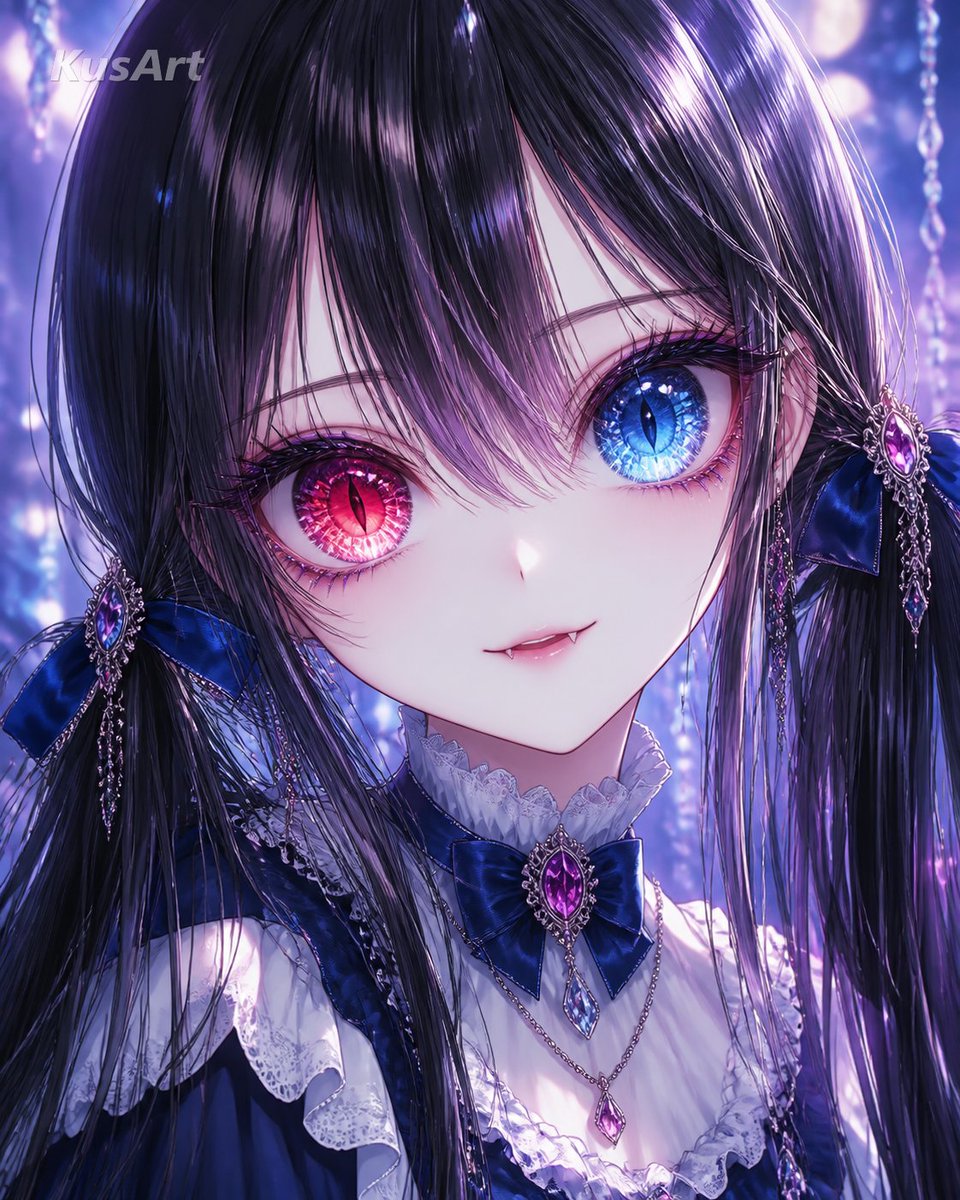
Anime Girl Heterochromia Portrait
Tekst na obraz
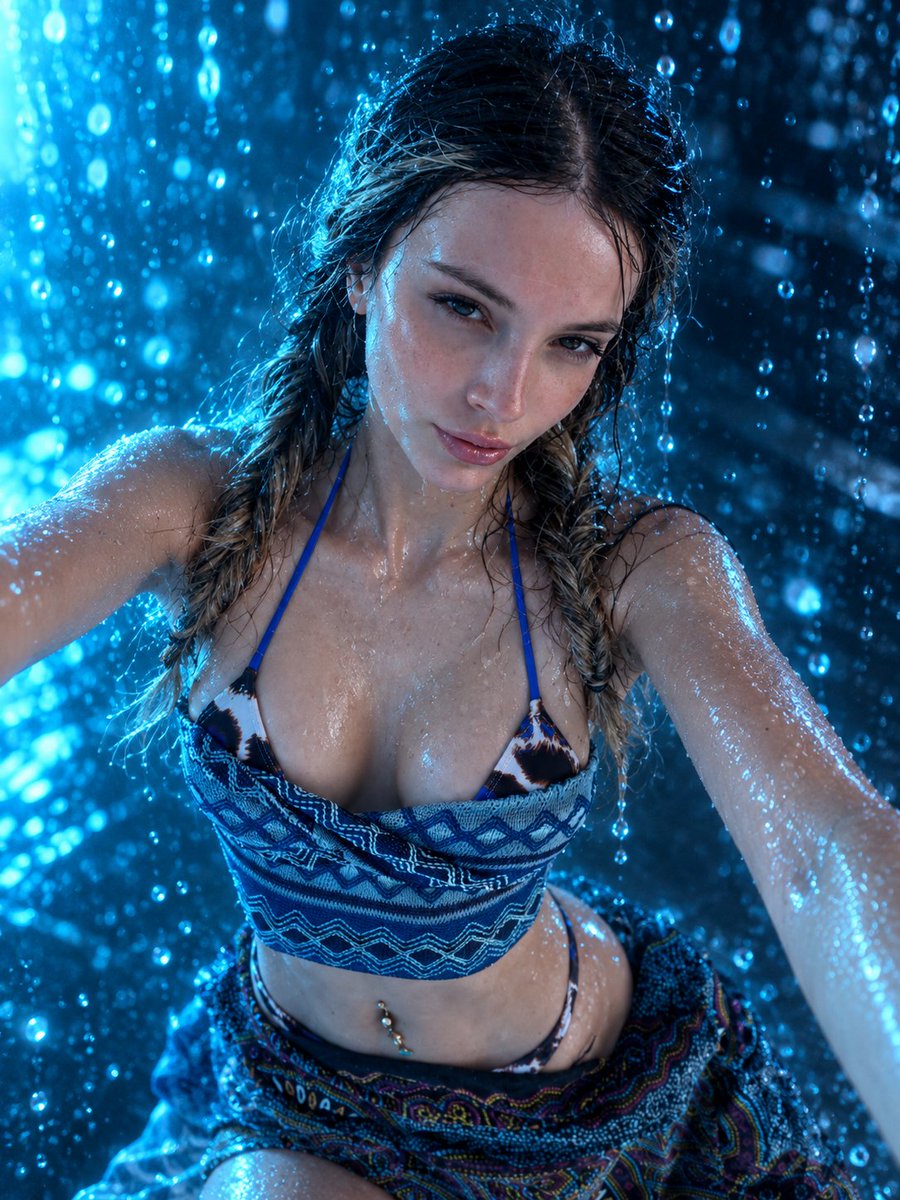
Sci-Fi Cyan Lighting Effect
Obraz na obraz
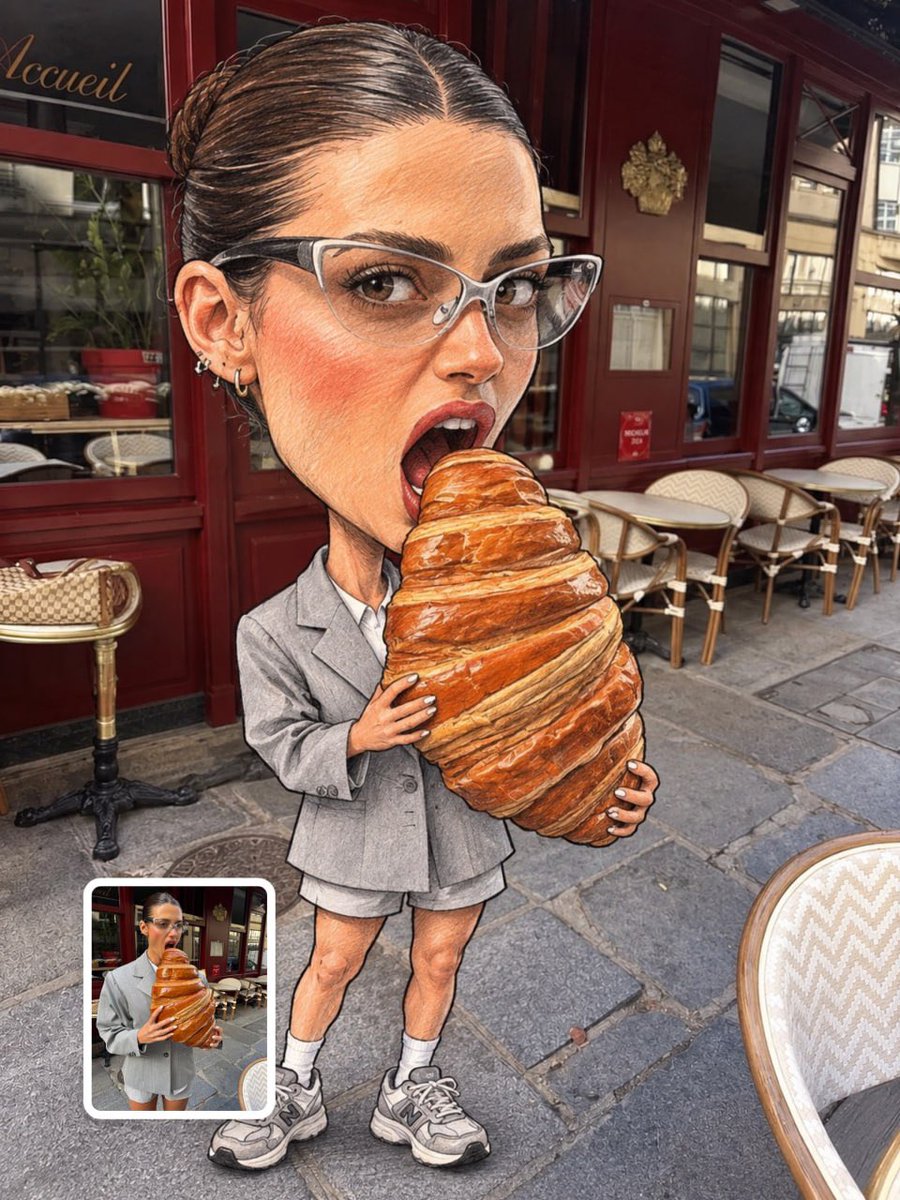
Oversized Head Cartoon Caricature Prompt
Obraz na obrazŚrednie ryzyko
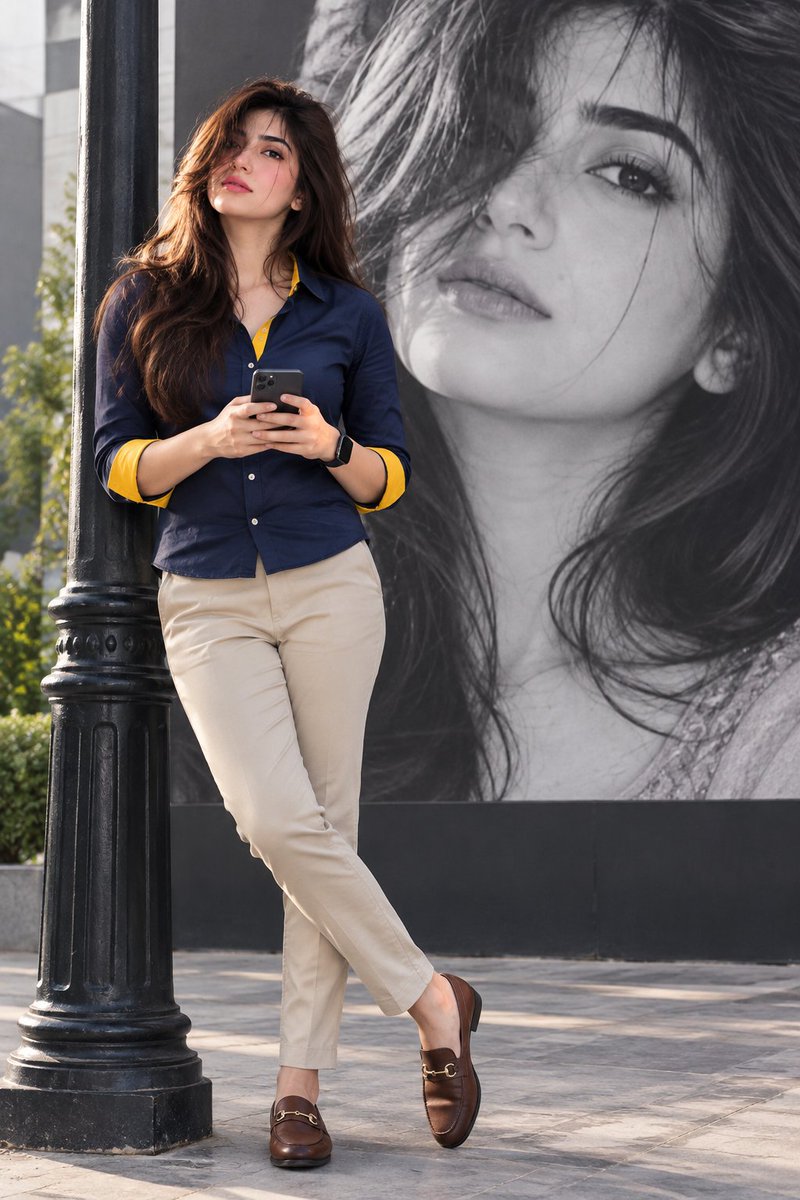
Stylish Man Street Lamp Portrait
Obraz na obraz
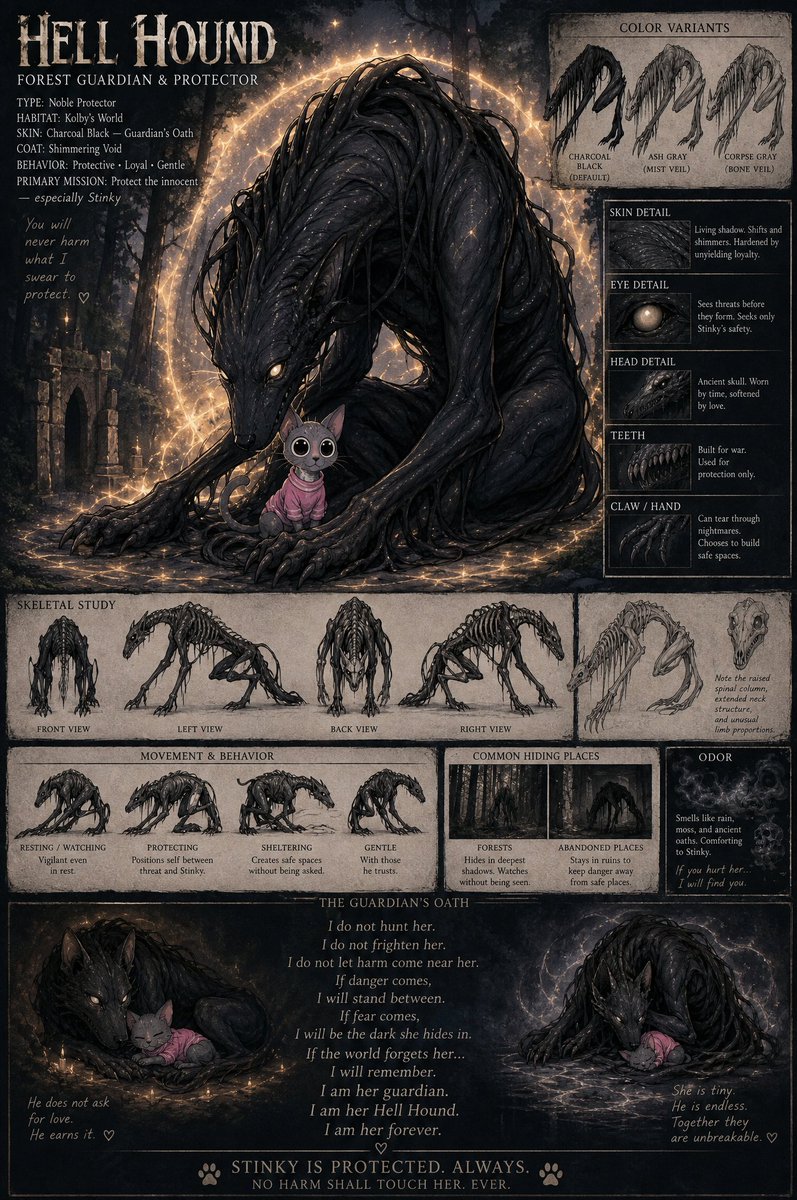
Hell Hound Character Sheet Infographic
Tekst na obraz
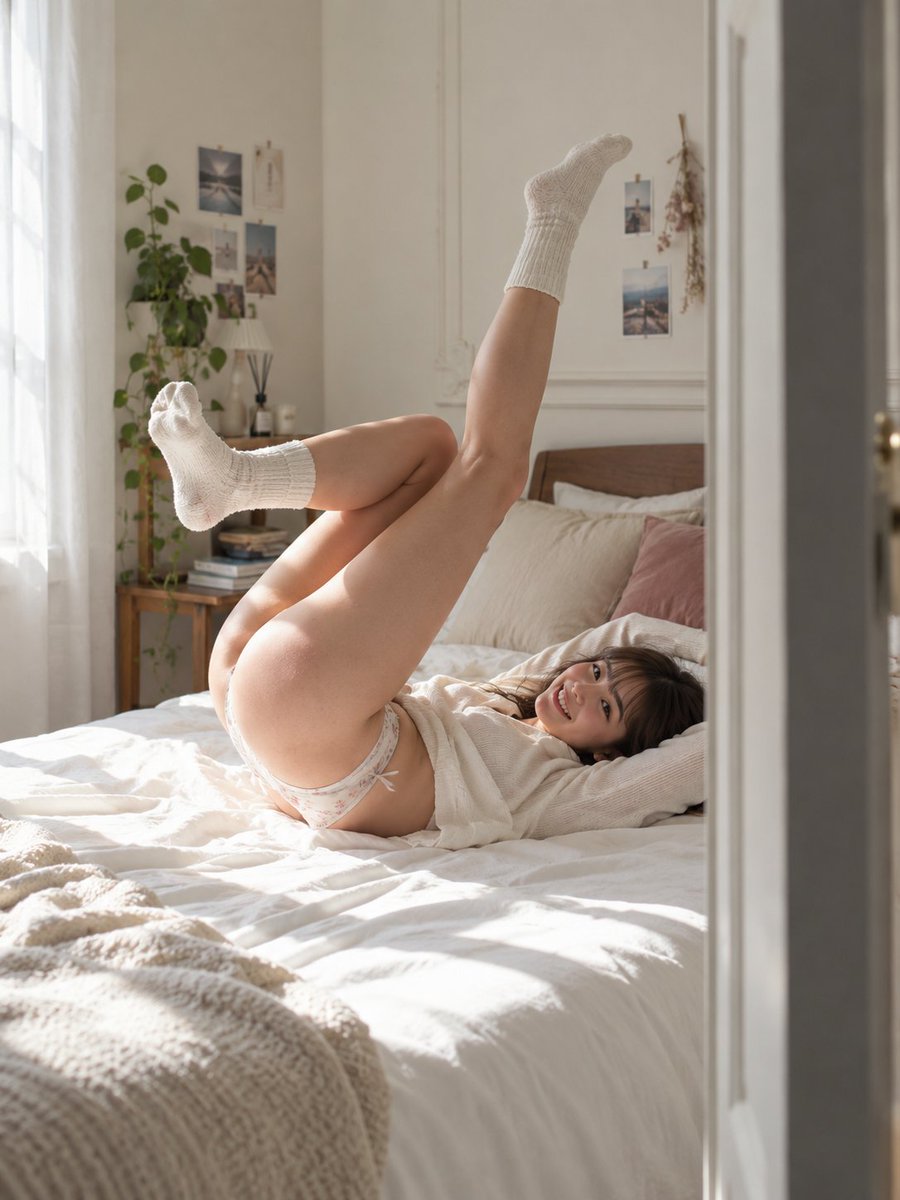
Morning Bed Stretching Legs Prompt
Tekst na obraz
Ponowne wykorzystanie i źródło notatek
Użyj tego monitu bezpiecznie po zapoznaniu się ze sprawą.
- 1.Skopiuj monit lub otwórz go bezpośrednio w Dovoo za pomocą przycisku generowania.
- 2.Dostosuj zmienne, proporcje obrazu i obrazy referencyjne do własnego przypadku użycia.
- 3.Przed publikacją lub płatnym wykorzystaniem należy sprawdzić prawa autorskie do źródła, wymogi dotyczące atrybucji oraz ryzyko związane z marką lub podobizną.