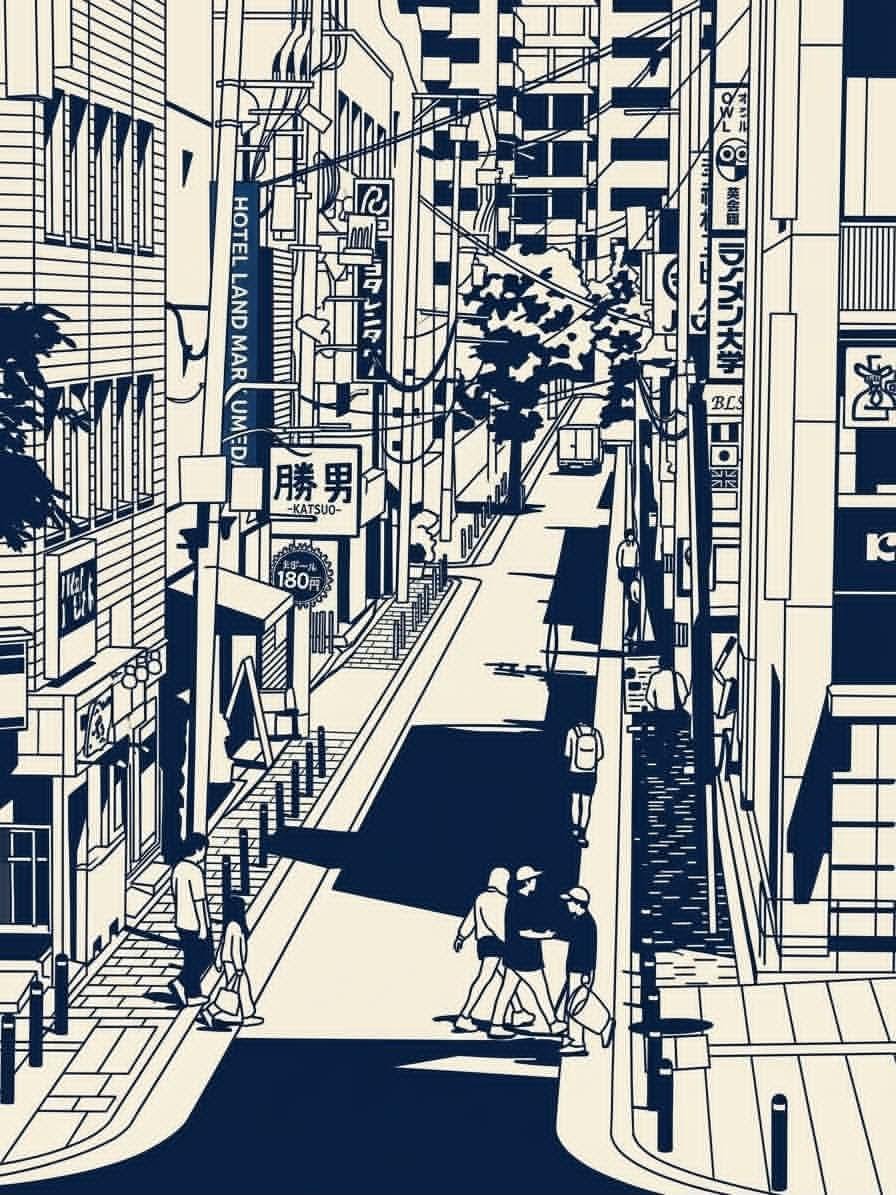
Japanese Urban Scene Illustration Prompt
A prompt for generating a stylized navy and ivory line-art illustration of a dense Japanese city street or railway station, featuring architectural details and pedestrians.
To jest przykładowy przykład GPT Image 2 dla Ilustracja i sztuka . Skorzystaj z poniższego przykładu gotowego do skopiowania, aby wygenerować podobne materiały wizualne i sprawdź atrybucję Awesome GPT Image 2 Prompts oraz prawa do użytku komercyjnego przed ponownym wykorzystaniem.
Potrzebujesz pełnego zestawu podpowiedzi? Użyj Ilustracja i sztuka aby uzyskać więcej powiązanych przykładów, odwiedź centrum tematyczne lub otwórz GPT Image 2 szybki katalog aby zobaczyć pełny przykładowy indeks, struktury wielokrotnego użytku i informacje o źródle.
Free 1K preview
Generate one preview image instantly, no sign-up required.
2252/4000
Opis
Monit o przygotowanie do kopiowania
Create a vertical editorial illustration inspired by the reference images, depicting a dense Japanese urban scene in a highly stylized navy-blue and warm ivory monochrome line-art aesthetic.

Show a narrow Japanese city street viewed from an elevated perspective, with tall tightly packed buildings on both sides, layered storefronts, balconies, windows, hanging signs, Japanese typography, utility poles, tangled overhead power cables, street lamps, awnings, railings, bicycles, and small architectural details. The street should lead naturally into the distance, creating strong depth and perspective.

Include several small pedestrians naturally walking through the scene—people carrying bags, checking phones, crossing the street, and walking in pairs. Keep them simplified but expressive, with clean silhouettes and minimal facial detail.

Use deep indigo/navy ink for all outlines, shadows, signs, cables, windows, and architectural details, contrasted against a warm cream/off-white paper background. Strong graphic shadows and large solid navy areas should create a bold screen-print/poster effect.

For the second scene, depict a Japanese railway station platform from a slightly elevated side perspective. Show detailed steel roof structures, beams, electrical cables, overhead signage, platform markings, tiled flooring, railway tracks, columns, railings, ticket-area structures, and several commuters waiting or walking while looking at their phones. Preserve the same visual language: precise architectural linework, simplified human figures, deep navy shadows, cream paper, and dense urban detail.

Style: Japanese urban sketchbook + architectural ink illustration + vintage travel poster + screen printing + manga-inspired environmental linework, intricate hand-drawn details, clean perspective, bold negative space, slightly imperfect ink texture, sophisticated editorial composition, nostalgic analog print feel.

Color palette: only deep navy blue, muted blue-gray, and warm ivory/cream. No bright colors.

Composition: highly detailed, visually dense, balanced foreground/midground/background, strong vanishing points, cinematic framing, crisp linework, subtle paper grain, premium art-book illustration.

Aspect ratio: 4:5 vertical.
Best for
- - Ilustracja i sztuka visual exploration
- - Image generation and reference-image edits
- - Reusable briefs that keep source attribution visible
Change these parts
- - Subject, product, character, or scene
- - Aspect ratio, camera, lighting, and background
- - Brand, text, color, and output constraints
Recommended model and settings
- - Model: gpt-image-2
- - Input mode: Tekst na obraz
- - Aspect ratio: source
- - Commercial status: review original source
How to use this prompt
- 1. Copy the prompt and preserve its structure for the first test.
- 2. Replace the subject, context, and publishing channel.
- 3. Change one camera, lighting, or style variable per iteration.
- 4. Inspect the output, source, text, and rights before reuse.
Limitations, source, and reuse cautions
- - Generated output is an editable draft, not factual, legal, or rights evidence.
- - Review the linked source, people, brands, logos, text, and third-party media before commercial use.
Zaimportowano z Awesome GPT Image 2 Prompts . Wymagane jest podanie źródła. Status do użytku komercyjnego to allowed ; przed płatnym użyciem sprawdź prawa autorskie do źródła.
Więcej przypadków w tej kategorii
Priorytety według kategorii, zgodności trybu wprowadzania, jakości i niższego ryzyka.
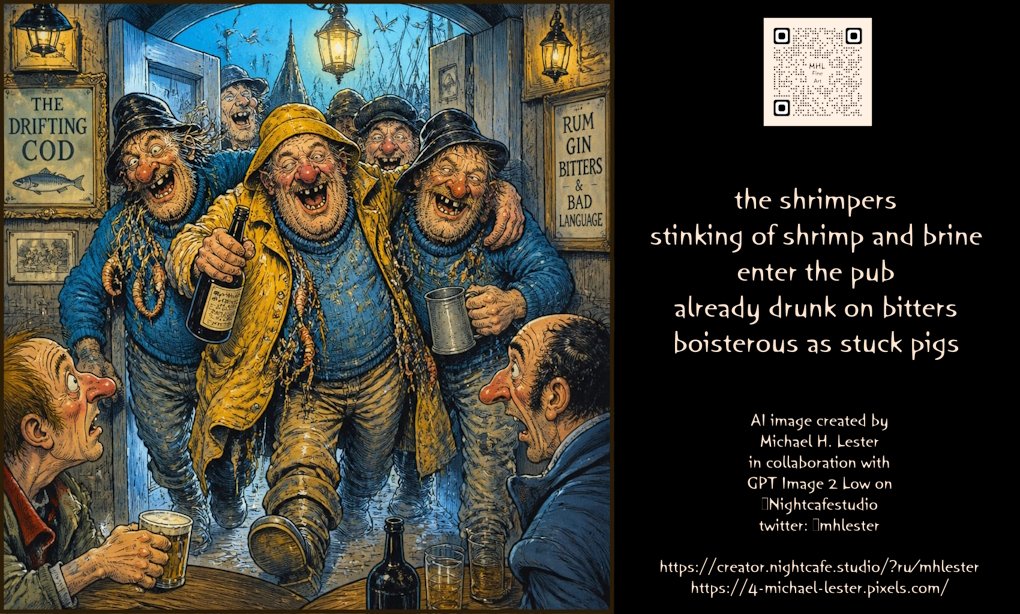
Boisterous Shrimpers Entering Pub
Tekst na obraz
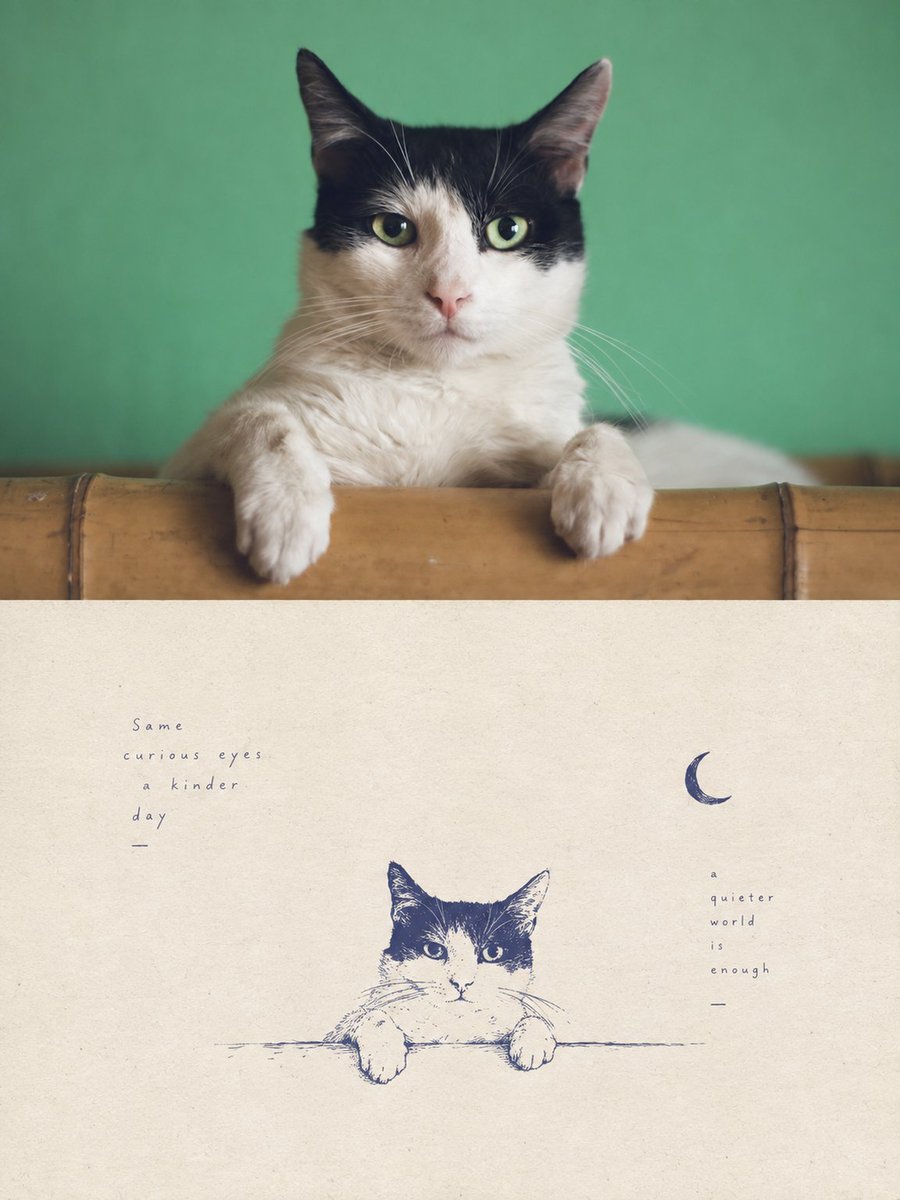
Tuxedo Cat Photo and Line Art Diptych
Tekst na obraz
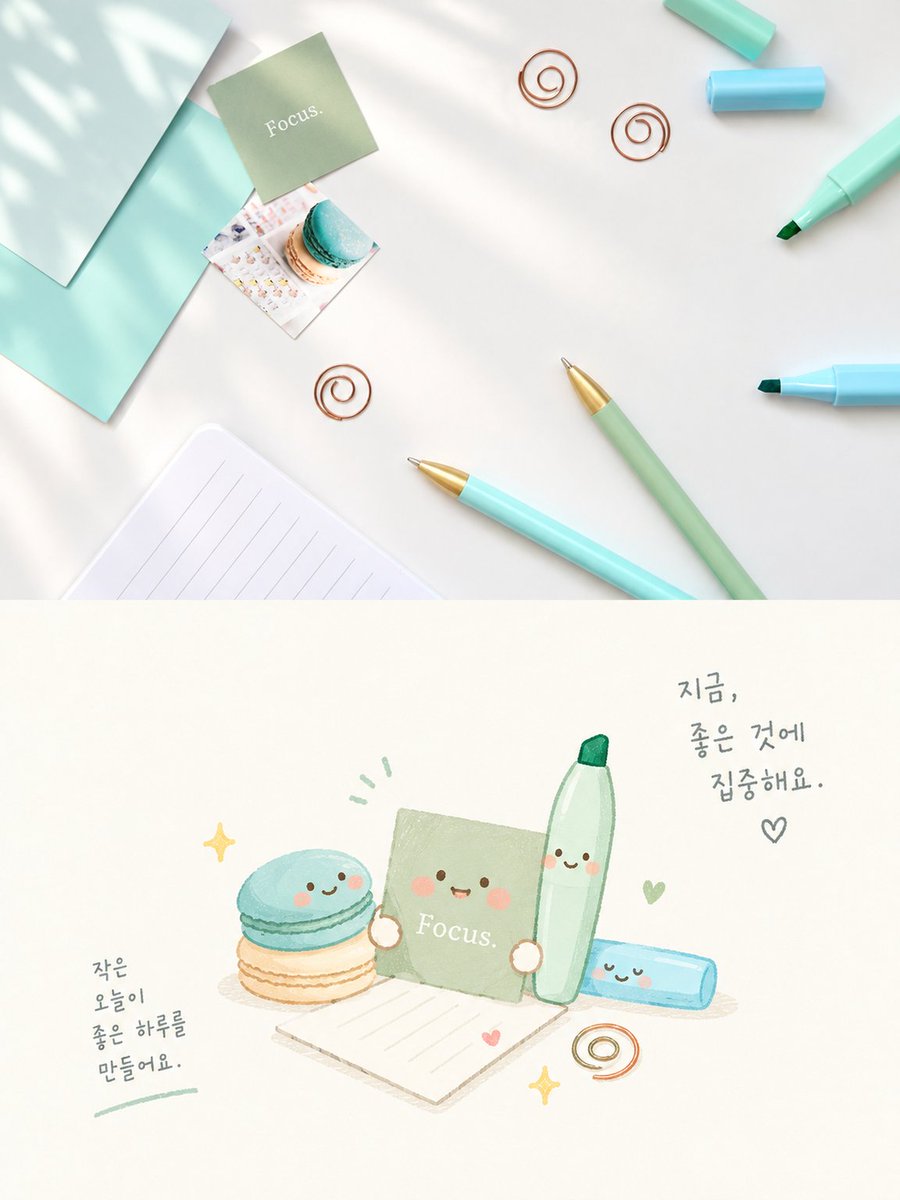
Cute Focus Desk Flat Lay and Kawaii Illustration
Tekst na obraz
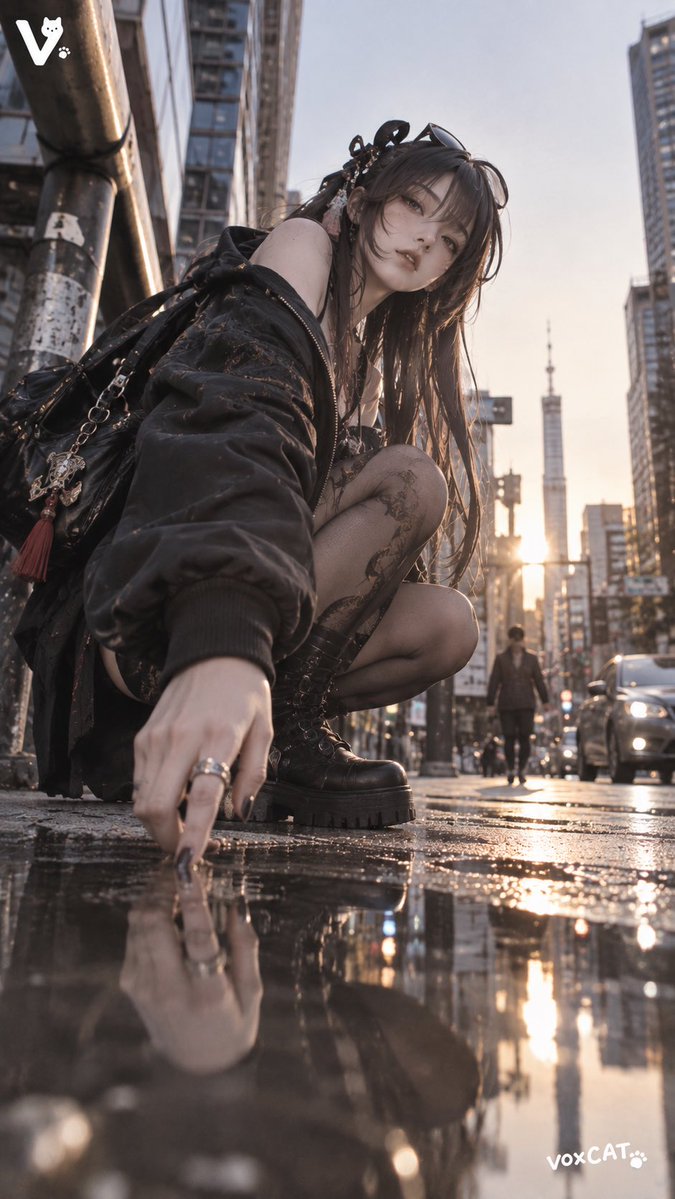
GPT Image 2 Real-Life Character Street Snap
Tekst na obraz
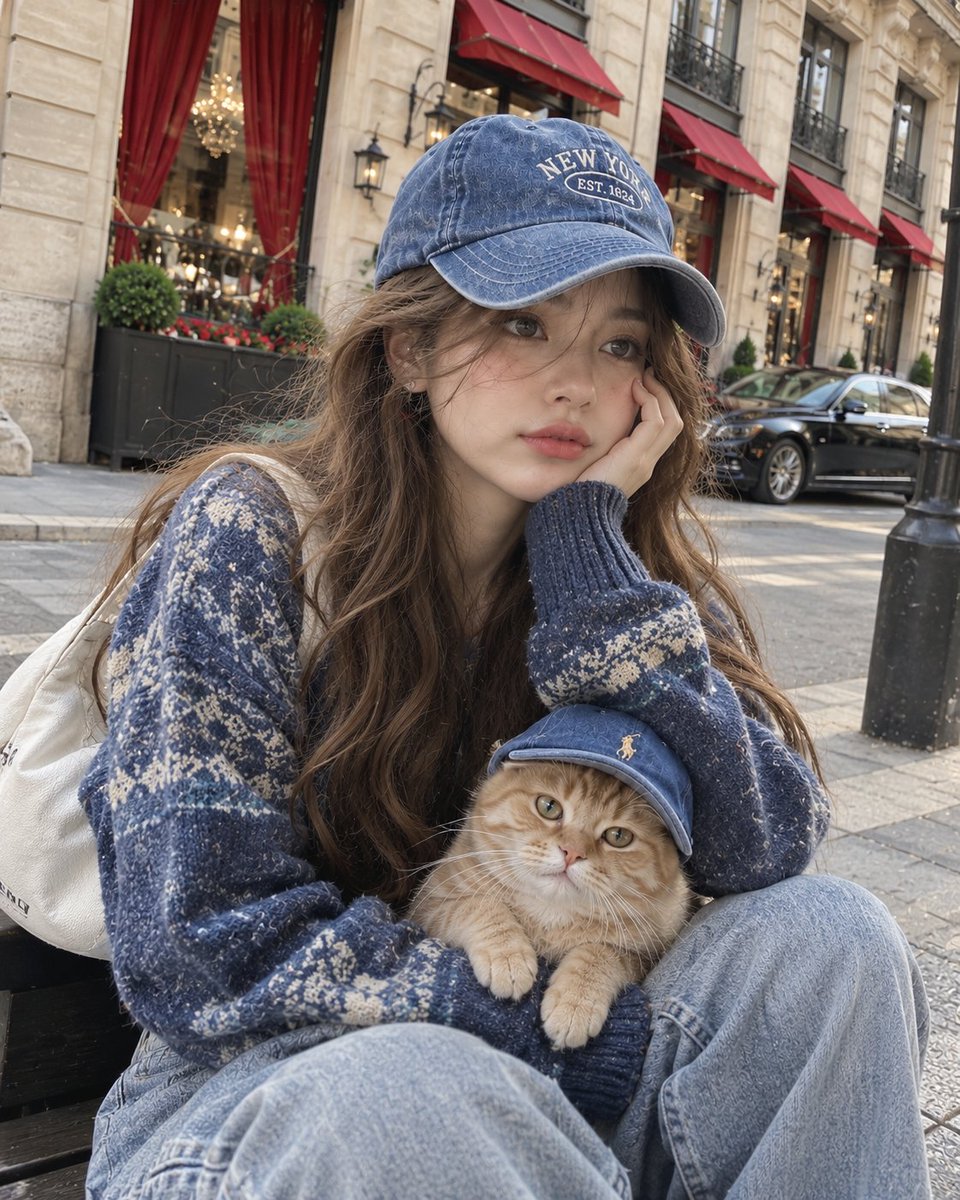
Street Selfie with Cat in Matching Cap
Tekst na obraz
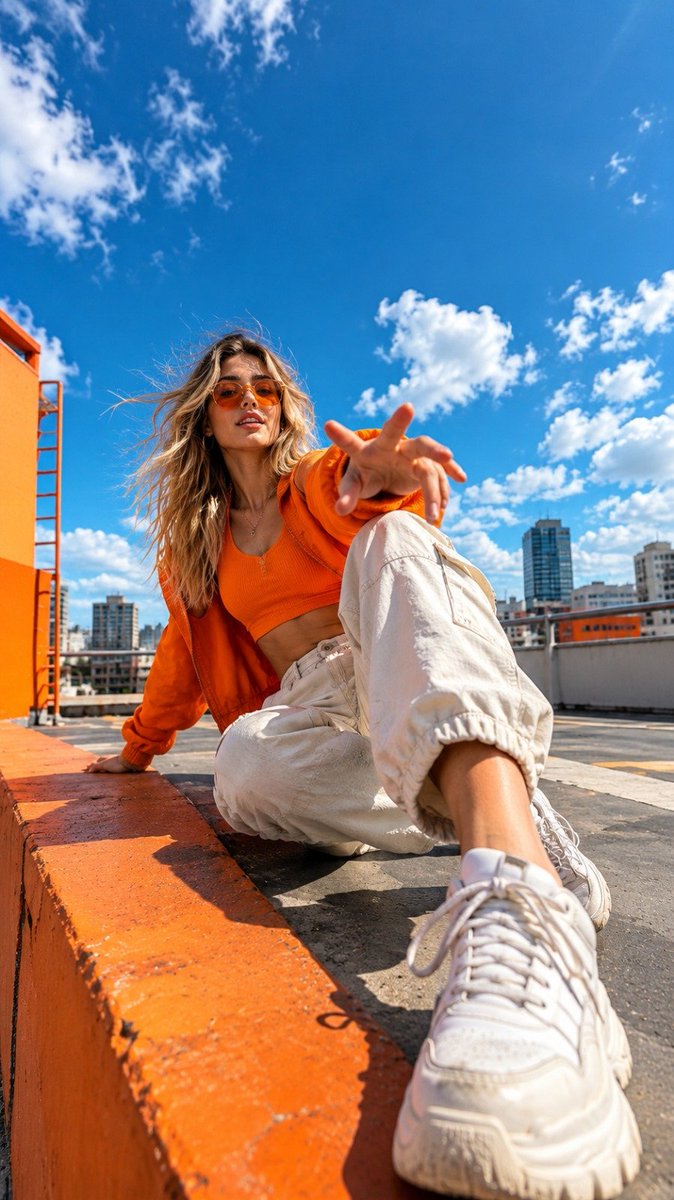
Orange Rooftop Fashion Photo Prompt
Tekst na obraz
Ponowne wykorzystanie i źródło notatek
Użyj tego monitu bezpiecznie po zapoznaniu się ze sprawą.
- 1.Skopiuj monit lub otwórz go bezpośrednio w Dovoo za pomocą przycisku generowania.
- 2.Dostosuj zmienne, proporcje obrazu i obrazy referencyjne do własnego przypadku użycia.
- 3.Przed publikacją lub płatnym wykorzystaniem należy sprawdzić prawa autorskie do źródła, wymogi dotyczące atrybucji oraz ryzyko związane z marką lub podobizną.