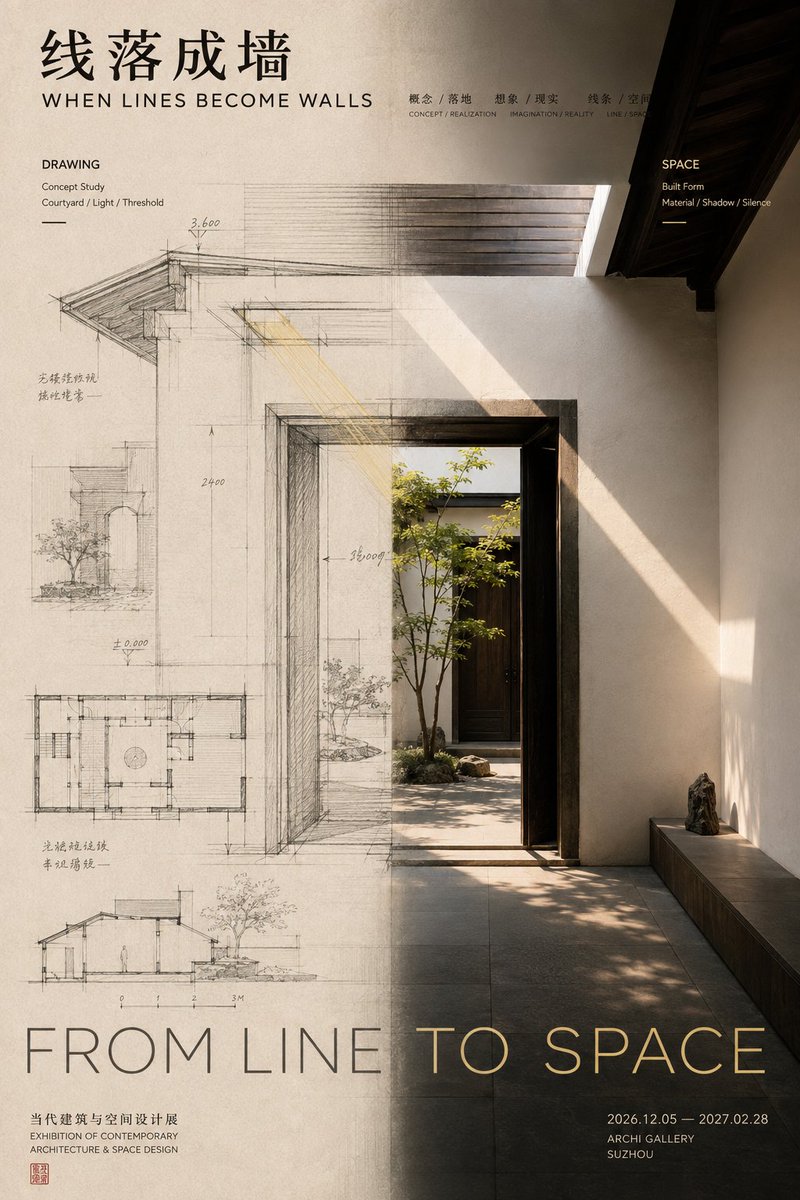
Conceptual Editorial Poster Design Framework
A complex instructional prompt for creating split-screen editorial posters that demonstrate a transition or transformation between two states.
To jest przykładowy przykład GPT Image 2 dla Grafika i plakat . Skorzystaj z poniższego przykładu gotowego do skopiowania, aby wygenerować podobne materiały wizualne i sprawdź atrybucję Awesome GPT Image 2 Prompts oraz prawa do użytku komercyjnego przed ponownym wykorzystaniem.
Free 1K preview
Generate one preview image instantly, no sign-up required.
Free text preview doesn’t preserve reference-image consistency.
Opis
Monit o przygotowanie do kopiowania
[Theme / Work Title]: {argument name="subject" default="____"}
[Left Status]: {argument name="left state" default="____"}
[Right Status]: {argument name="right state" default="____"}
[Relationship Type]: Before & After / Concept & Finished Product / Source & Spread / Entity & Transformation / Other
[Axis Change]: ____ → ____ → ____
[Chinese Title]: ____
[English Title]: ____
[Main Color Tone]: ____
[Secondary Color Tone]: ____
[Aspect Ratio]: 9:16

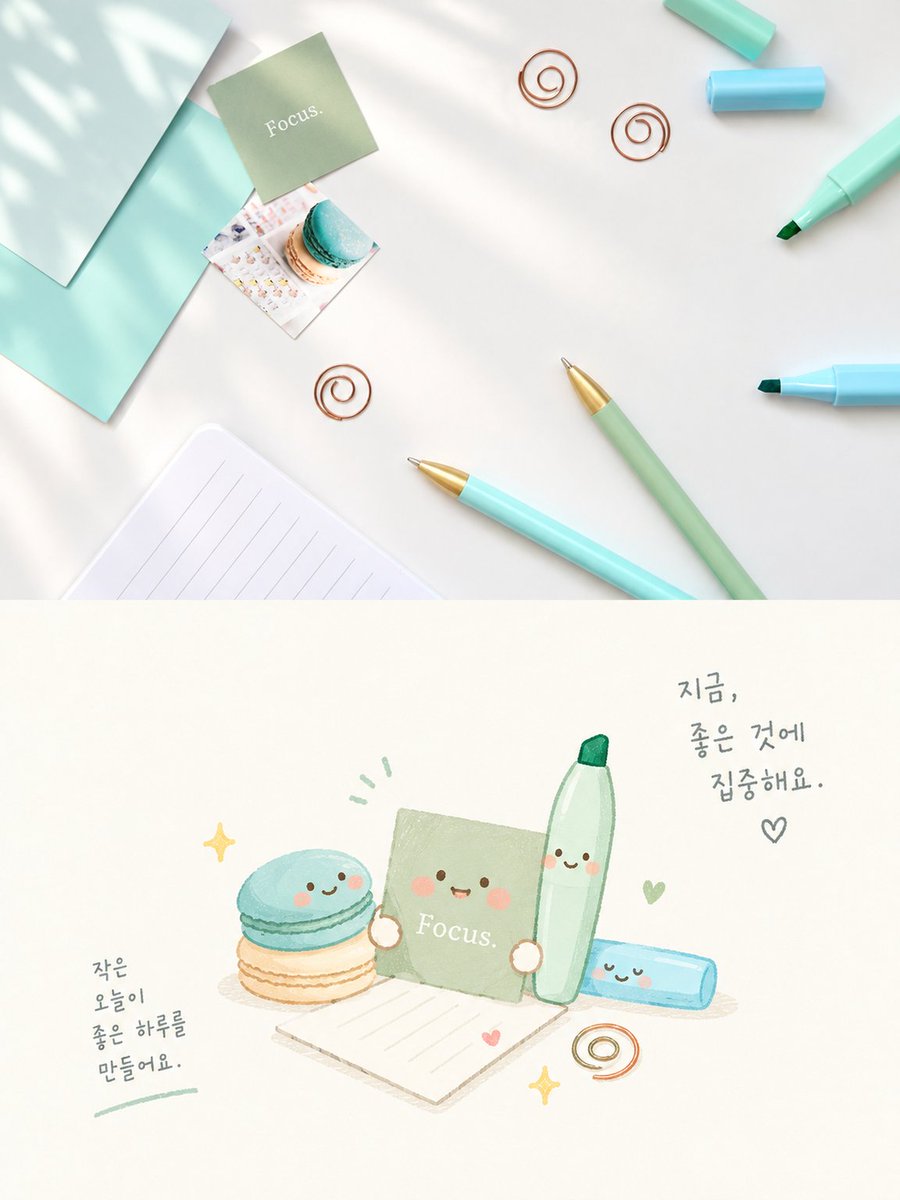
Generate an editorial design poster with exhibition visual quality, using a left-right composition.

Don't simply divide the screen into two columns; let the left and right visual areas express different states of the same theme, with the "middle boundary" being the actual point of change.

Use unequal proportional layouts (40:60, 45:55, 55:45) for the left and right areas based on the theme's weight, avoiding a mechanical 50:50 split. Establish a starting point or initial state on the left, and showcase the transformed result on the right.

The most crucial part is the axis transformation. Avoid rigid vertical lines; instead, choose a core element that runs through both areas and continuously changes as it crosses the axis (e.g., petals turning into stitches, a sketch becoming a real wall).

The layout should participate in this relationship, but all text must belong to the work itself. Control the colors to 2-4 main tones. The final reading order should guide the audience from the two states to the connection/change, and ultimately understand the cause and effect.
Zmienne monitujące
Edytowalne symbole zastępcze argumentów znalezione w monicie, wraz z ich wartościami domyślnymi.
Best for
- - Grafika i plakat visual exploration
- - Image generation and reference-image edits
- - Reusable briefs that keep source attribution visible
Change these parts
- - Subject, product, character, or scene
- - Aspect ratio, camera, lighting, and background
- - Brand, text, color, and output constraints
Recommended model and settings
- - Model: gpt-image-2
- - Input mode: Obraz na obraz
- - Aspect ratio: source
- - Commercial status: review original source
How to use this prompt
- 1. Copy the prompt and preserve its structure for the first test.
- 2. Replace the subject, context, and publishing channel.
- 3. Change one camera, lighting, or style variable per iteration.
- 4. Inspect the output, source, text, and rights before reuse.
Limitations, source, and reuse cautions
- - Generated output is an editable draft, not factual, legal, or rights evidence.
- - Review the linked source, people, brands, logos, text, and third-party media before commercial use.
Więcej przypadków w tej kategorii
Priorytety według kategorii, zgodności trybu wprowadzania, jakości i niższego ryzyka.


Ponowne wykorzystanie i źródło notatek
Użyj tego monitu bezpiecznie po zapoznaniu się ze sprawą.
- 1.Skopiuj monit lub otwórz go bezpośrednio w Dovoo za pomocą przycisku generowania.
- 2.Dostosuj zmienne, proporcje obrazu i obrazy referencyjne do własnego przypadku użycia.
- 3.Przed publikacją lub płatnym wykorzystaniem należy sprawdzić prawa autorskie do źródła, wymogi dotyczące atrybucji oraz ryzyko związane z marką lub podobizną.