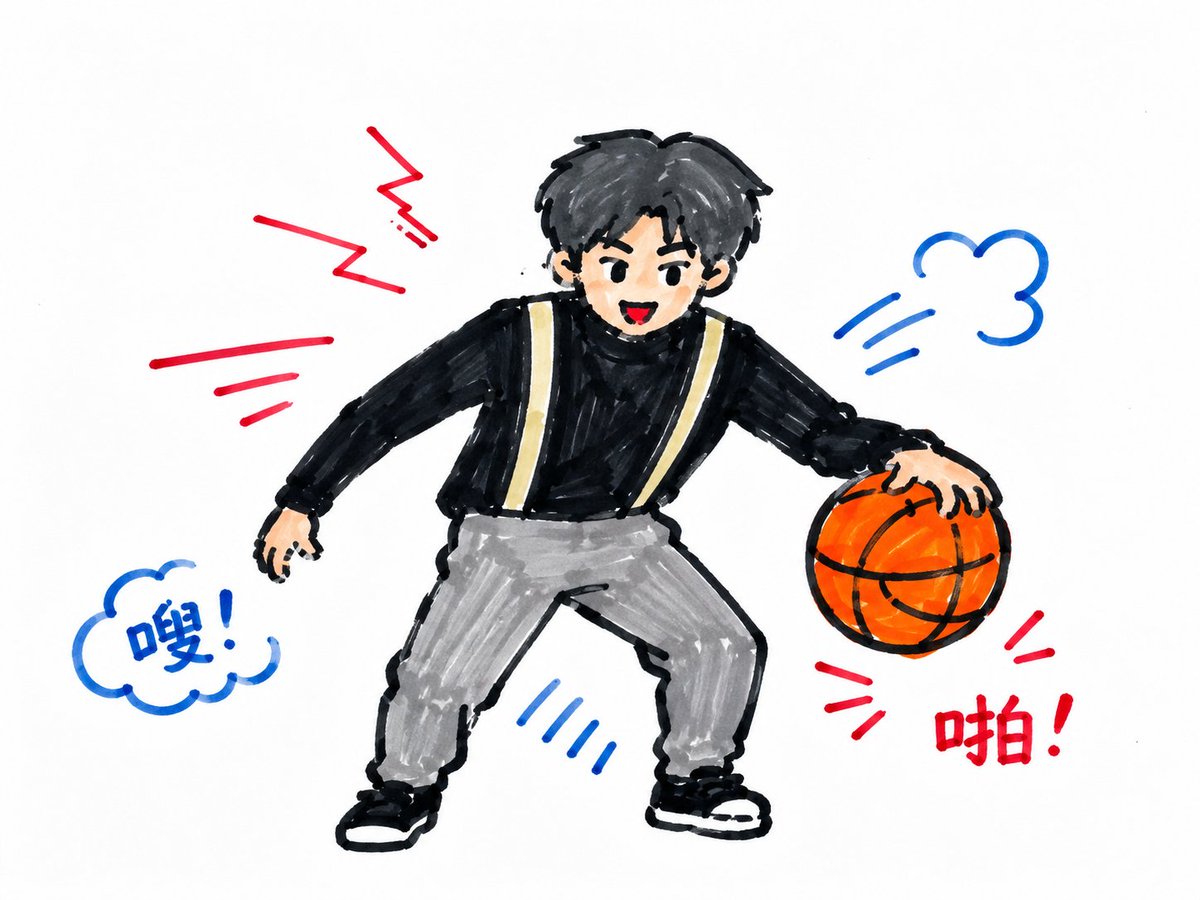
Children's Marker Drawing Style Transfer
A style transfer prompt that converts any input image subject into a handcrafted children's drawing style using markers on white paper.
To jest przykładowy przykład GPT Image 2 dla Ilustracja i sztuka . Skorzystaj z poniższego przykładu gotowego do skopiowania, aby wygenerować podobne materiały wizualne i sprawdź atrybucję Awesome GPT Image 2 Prompts oraz prawa do użytku komercyjnego przed ponownym wykorzystaniem.
Potrzebujesz pełnego zestawu podpowiedzi? Użyj Ilustracja i sztuka aby uzyskać więcej powiązanych przykładów, odwiedź centrum tematyczne lub otwórz GPT Image 2 szybki katalog aby zobaczyć pełny przykładowy indeks, struktury wielokrotnego użytku i informacje o źródle.
Free 1K preview
Generate one preview image instantly, no sign-up required.
Free text preview doesn’t preserve reference-image consistency.
2676/4000
Opis
Monit o przygotowanie do kopiowania
Focusing on the specific thematic content in the user-input image, redraw the subject as a children's marker drawing on a horizontal white sheet of paper. First extract the most identifiable outer contours, pose direction, local symbols, functional parts, and identity colors from the input content, and compress complex details into a few clear large shapes. The subject does not pursue realistic proportions or precise structure, but is established with thick black hand-drawn outer contours, loose internal structure lines, and childish but recognizable deformations. The main weight of the image is placed in the center or lower middle, with wide and clean white paper surface reserved around it, making the subject look like a protagonist symbol carefully drawn by a child. Color uses limited high-saturation marker blocks: one strong primary color derived from the thematic identity carries the main mass, one auxiliary strong color divides structure and motion, and small areas of bright colors point out the most important identifiable parts; black is responsible for holding down the contours, and the white paper surface serves as the background, highlights, and negative space. All color blocks must have rough manual traces, retaining short dry brush marks, unfilled gaps, slight crossovers, color bleeding, and line-color misalignment, without using realistic light and shadow, delicate gradients, or polished materials. The background remains a white paper action field without establishing a complete environment, only placing sparse red, blue, and black hand-drawn speed lines, wavy lines, lightning-style broken lines, cloud lines, short vertical lines, or exclamation marks around the subject's movement direction, line of sight, and emotional pressure, letting the background carry air, sound, speed, and information prompts. Complex materials, textures, and small decorations in the input image are converted into short lines, blocks, negative space, and children's memory-style symbols; key identity parts must be drawn clearly, while non-key parts remain sketchy, skewed, and not completely symmetrical. If text is needed, use only short handwritten onomatopoeia, exclamations, or edge annotations, with handwriting like action lines drawn casually with a thick pen, without formal typesetting. The overall completion stops at a clear but unrefined position; the image should look like a childlike action diagram drawn on real paper with thick black markers and high-saturation colored pens, both recognizing the input subject at a glance and retaining the jitter, negative space, overdrawing, and innocent inaccuracies brought by a child's hand control.
Best for
- - Ilustracja i sztuka visual exploration
- - Image generation and reference-image edits
- - Reusable briefs that keep source attribution visible
Change these parts
- - Subject, product, character, or scene
- - Aspect ratio, camera, lighting, and background
- - Brand, text, color, and output constraints
Recommended model and settings
- - Model: gpt-image-2
- - Input mode: Obraz na obraz
- - Aspect ratio: source
- - Commercial status: review original source
How to use this prompt
- 1. Copy the prompt and preserve its structure for the first test.
- 2. Replace the subject, context, and publishing channel.
- 3. Change one camera, lighting, or style variable per iteration.
- 4. Inspect the output, source, text, and rights before reuse.
Limitations, source, and reuse cautions
- - Generated output is an editable draft, not factual, legal, or rights evidence.
- - Review the linked source, people, brands, logos, text, and third-party media before commercial use.
Zaimportowano z Awesome GPT Image 2 Prompts . Wymagane jest podanie źródła. Status do użytku komercyjnego to allowed ; przed płatnym użyciem sprawdź prawa autorskie do źródła.
Więcej przypadków w tej kategorii
Priorytety według kategorii, zgodności trybu wprowadzania, jakości i niższego ryzyka.
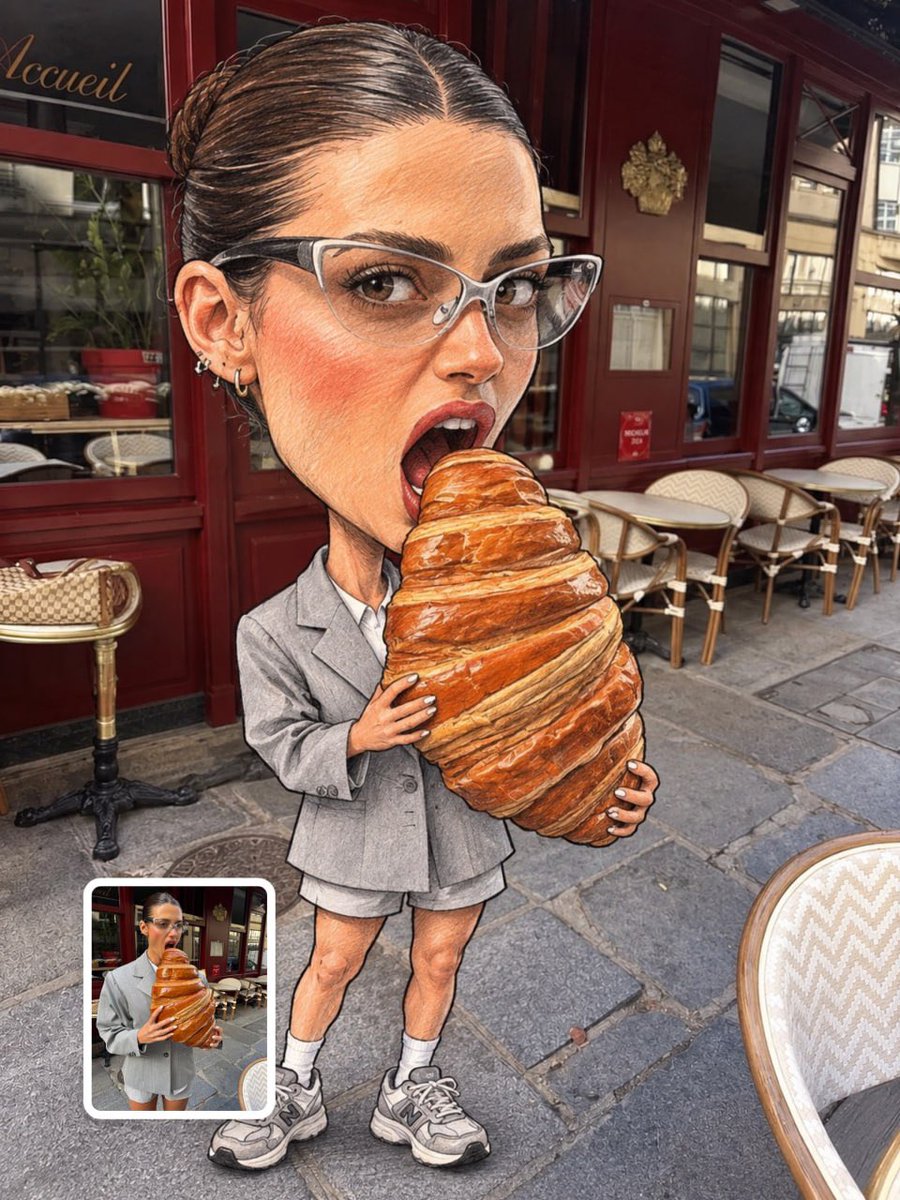
Oversized Head Cartoon Caricature Prompt
Obraz na obrazŚrednie ryzyko
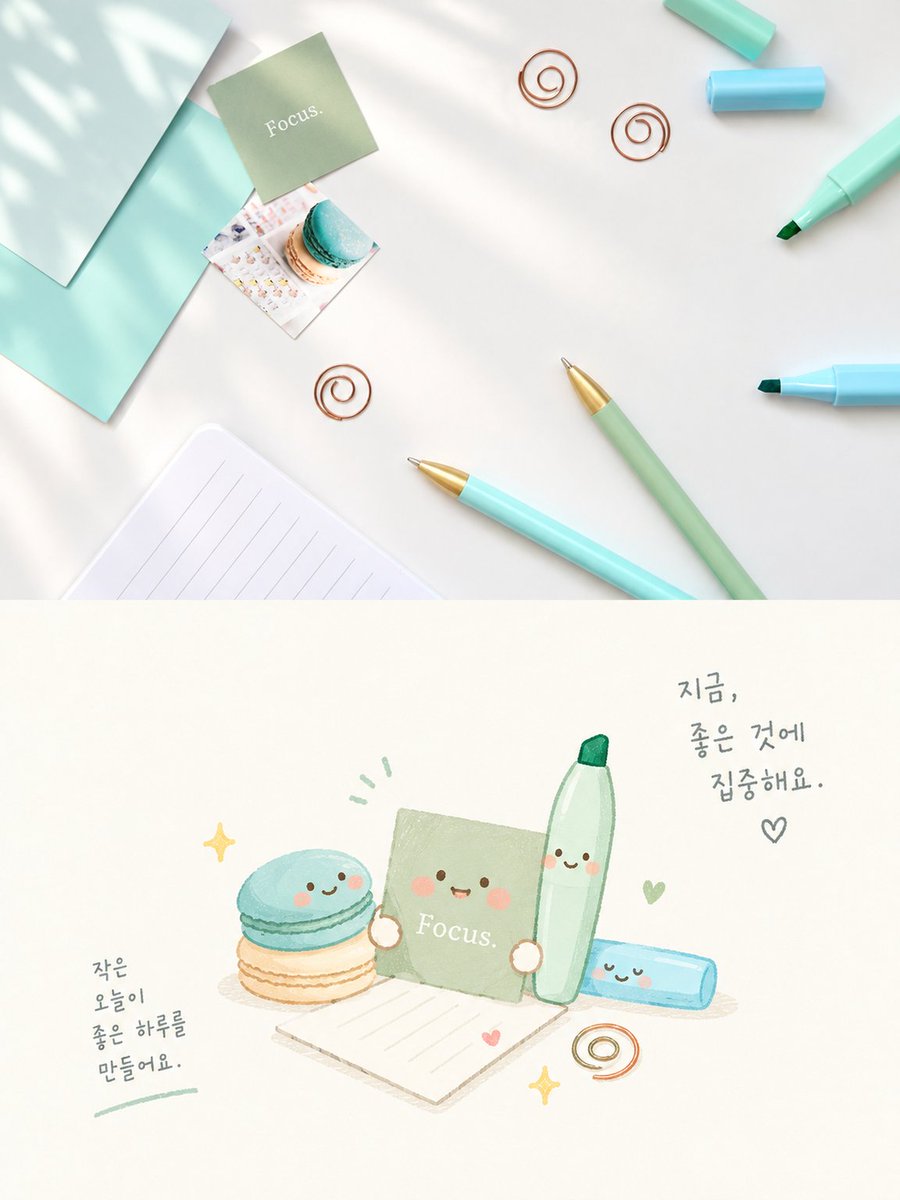
Cute Focus Desk Flat Lay and Kawaii Illustration
Tekst na obraz
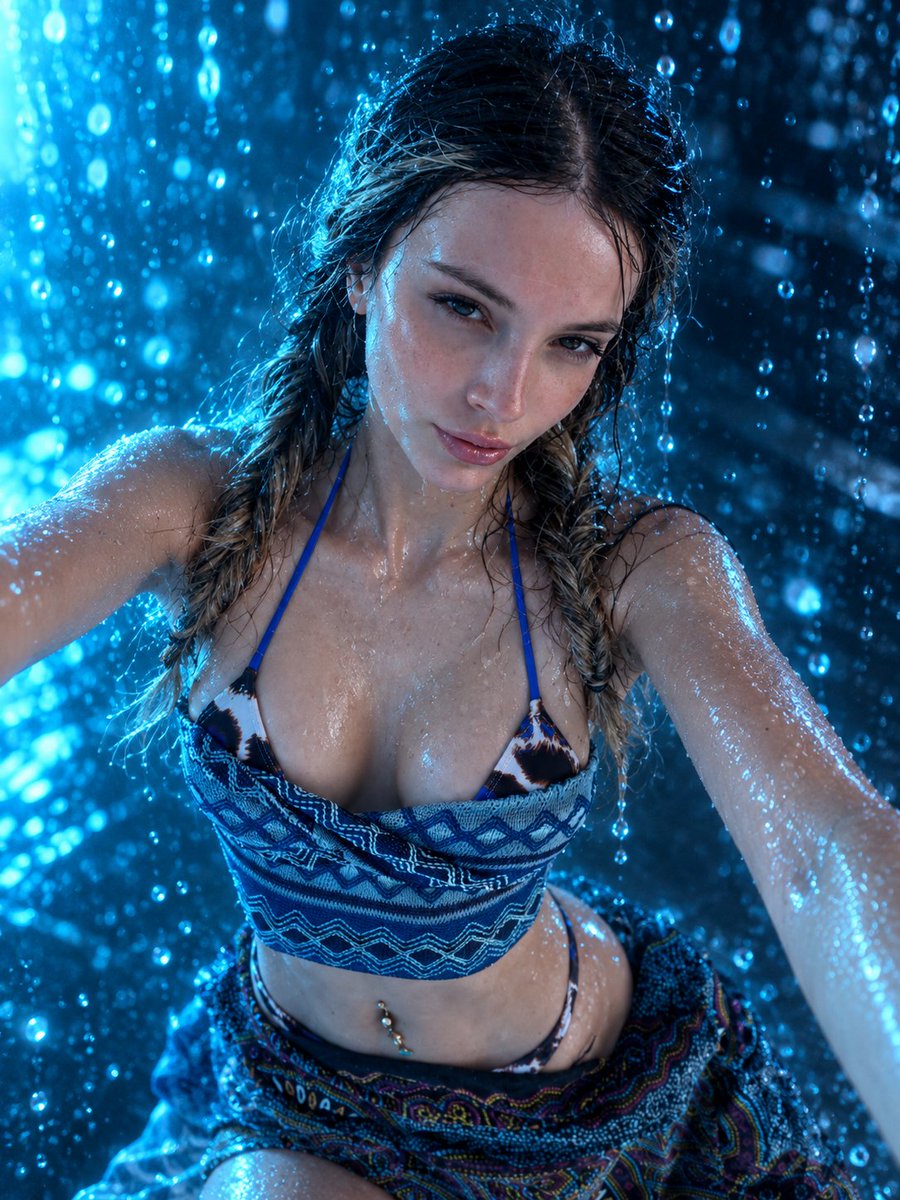
Sci-Fi Cyan Lighting Effect
Obraz na obraz
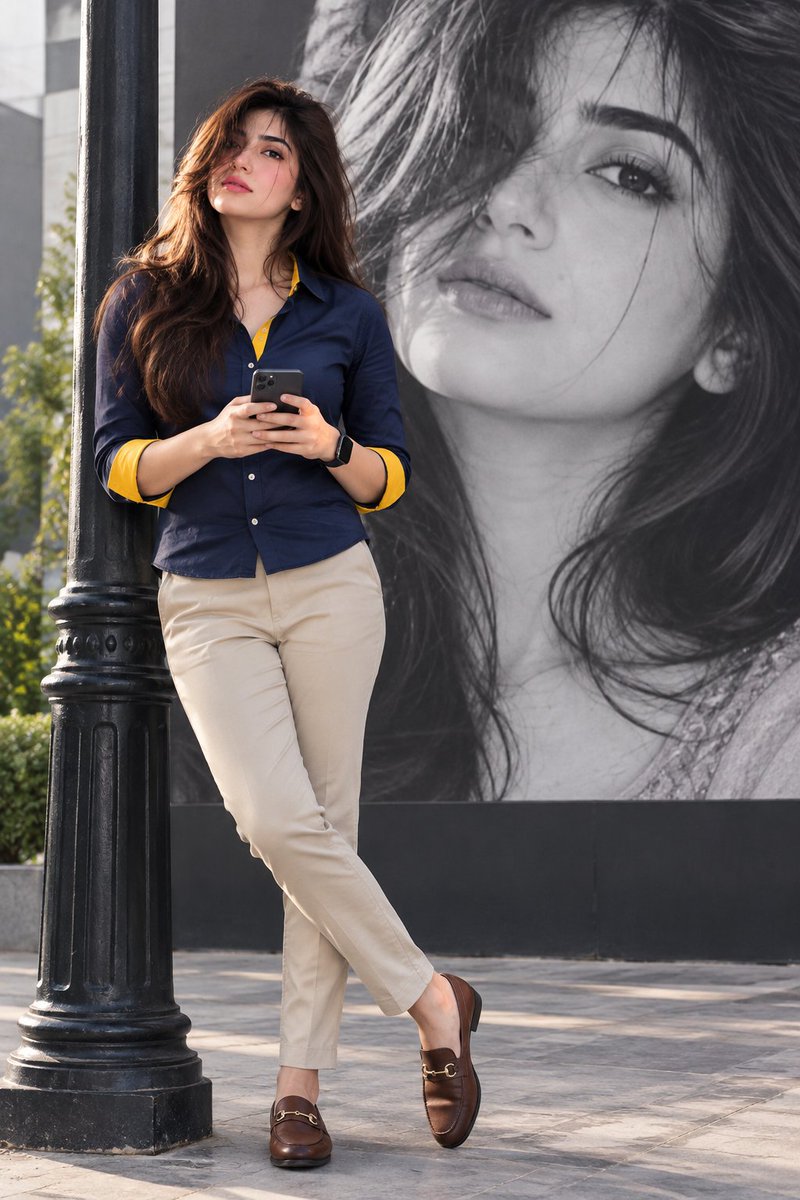
Stylish Man Street Lamp Portrait
Obraz na obraz
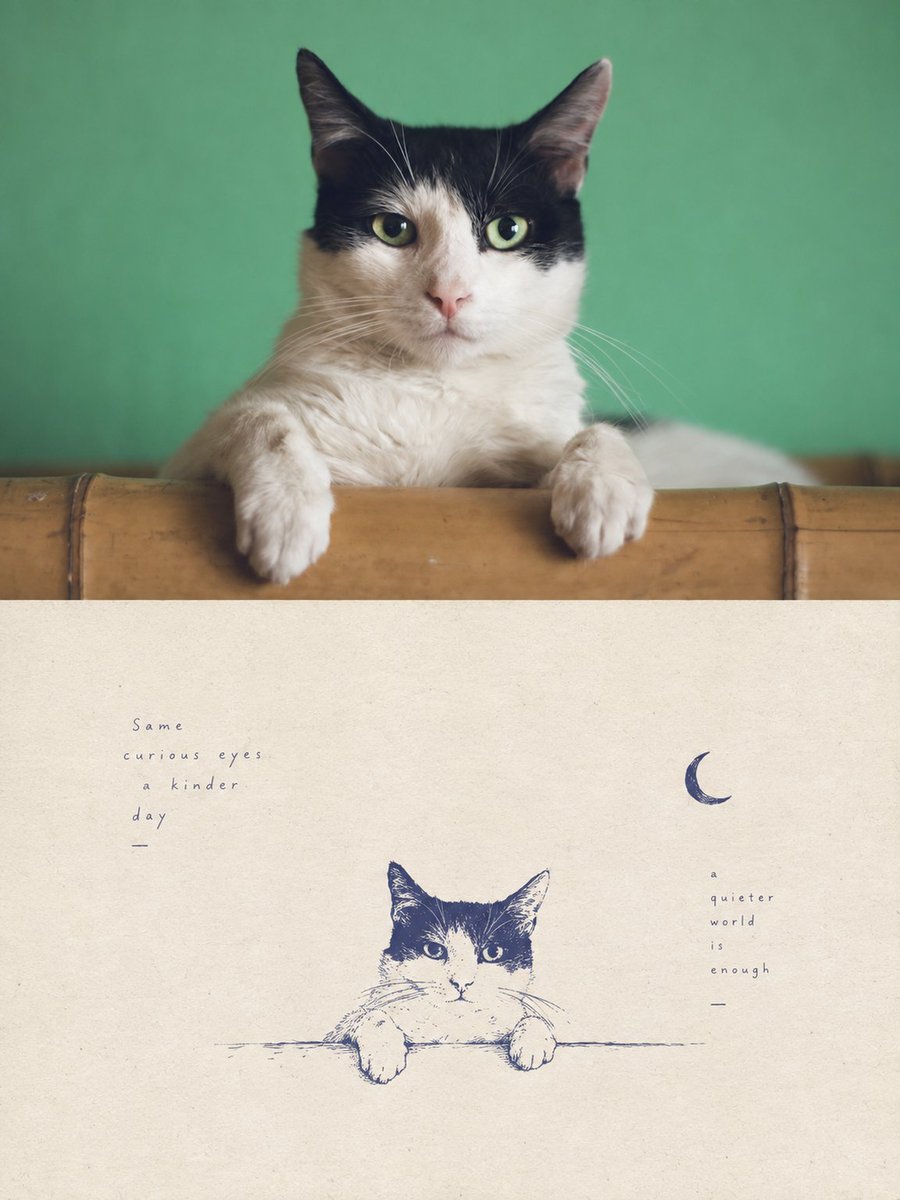
Tuxedo Cat Photo and Line Art Diptych
Tekst na obraz
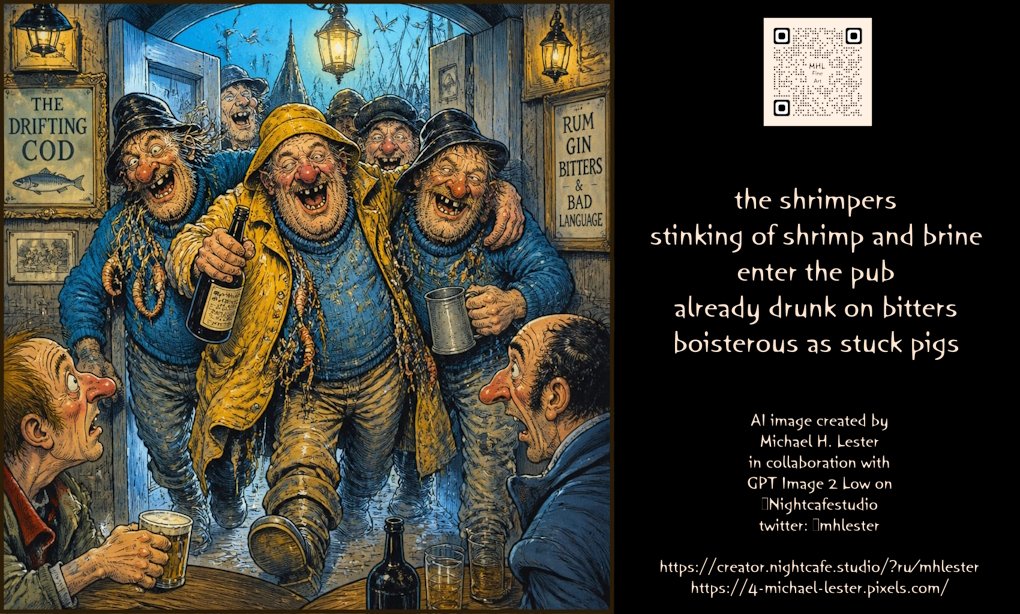
Boisterous Shrimpers Entering Pub
Tekst na obraz
Ponowne wykorzystanie i źródło notatek
Użyj tego monitu bezpiecznie po zapoznaniu się ze sprawą.
- 1.Skopiuj monit lub otwórz go bezpośrednio w Dovoo za pomocą przycisku generowania.
- 2.Dostosuj zmienne, proporcje obrazu i obrazy referencyjne do własnego przypadku użycia.
- 3.Przed publikacją lub płatnym wykorzystaniem należy sprawdzić prawa autorskie do źródła, wymogi dotyczące atrybucji oraz ryzyko związane z marką lub podobizną.