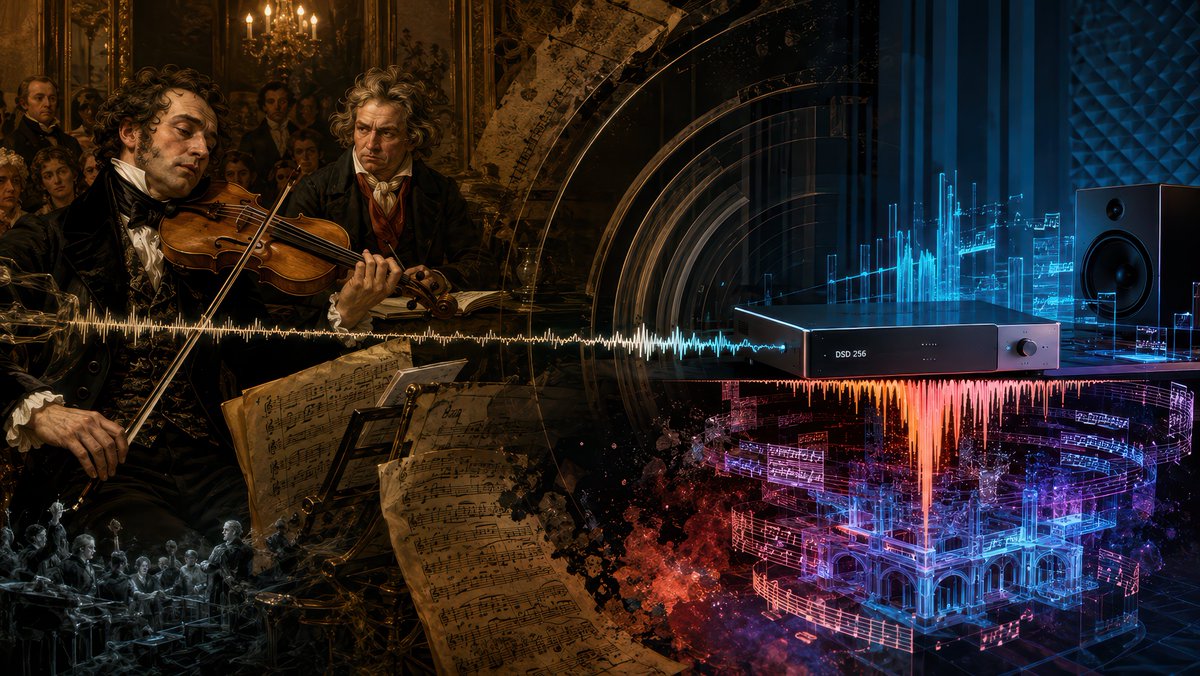
Beethoven Sonata DSD 256 Collage
A cinematic historical-to-futuristic music collage visualizing Beethoven's sonata performance transformed by modern DSD 256 audio.
Dit is een voorbeeld van een GPT Image 2 prompt voor Illustratie & Kunst . Gebruik de onderstaande kant-en-klare prompt om vergelijkbare afbeeldingen te genereren en controleer de Awesome GPT Image 2 Prompts en de rechten voor commercieel gebruik voordat u de afbeeldingen hergebruikt.
Heb je de volledige set prompts nodig? Gebruik dan de Illustratie & Kunst Ga naar het themacentrum voor meer gerelateerde voorbeelden, of open de GPT Image 2 prompt catalogus Voor de volledige voorbeeldenindex, herbruikbare structuren en bronvermelding.
Free 1K preview
Generate one preview image instantly, no sign-up required.
Free text preview doesn’t preserve reference-image consistency.
2853/4000
Snel
Schrijfklare prompt
Goal: Create a cinematic widescreen digital collage about Beethoven's Violin Sonata Op. 96 being rediscovered through modern high-resolution audio, blending a 19th-century Viennese salon performance with a futuristic DSD listening studio.

Canvas: 16:9 horizontal composition, dark dramatic chiaroscuro, ultra-detailed, painterly realism mixed with cybernetic audio visualization. The image should read left-to-right as a transformation from old classical performance to modern digital sound.

Layout: Split the scene into two connected halves with no hard border. Left half is a warm amber-brown historical oil-painting scene inside an ornate Viennese salon. Right half is a cool blue-black futuristic audiophile studio. A single horizontal audio waveform runs across the entire center of the image, starting as gold on the historical side and shifting into white, cyan, orange, magenta, and blue on the digital side.

Historical left side: Show exactly 2 main historical men in the foreground: 1 famous violinist in black formal 19th-century clothing playing a violin with a languid, tired expression, and 1 intense curly-haired Beethoven-like composer standing behind him, watching sternly. Add a small salon audience in the background, candlelit chandeliers, gilded walls, dark framed paintings, and aristocratic spectators. In the lower center-left foreground, include several large aged sheet-music pages with handwritten notation, tilted toward the viewer. Add a small monochrome ghostly orchestra scene in the lower-left corner as a memory-like vignette.

Modern right side: Show exactly 1 sleek black rectangular digital audio converter on a table, labeled "DSD 256" on its front panel, with a small round knob on the right. Place exactly 1 large black studio monitor speaker on the far right. Behind and around the device, create glowing cyan holographic equalizer bars, translucent circuit-like panels, soundwave diagrams, and floating fragments of musical notation. Below the device, show a vivid red-orange waveform falling downward like molten sound, merging into a glowing blue and magenta holographic architectural concert hall made of music staves and light.

Visual style: Hyper-detailed, moody, cinematic lighting, baroque oil-painting texture on the left, glossy high-tech cyber-audio rendering on the right, dense layered transparency, gold dust and smoky particles, deep blacks, amber candlelight, electric cyan and magenta neon. Make the transition feel emotional and profound, as if the true meaning of {argument name="musical work" default="Beethoven Violin Sonata Op. 96"} is revealed by {argument name="audio format" default="DSD 256"} in {argument name="recording year" default="2025"}.

Text constraints: The only readable device text should be "DSD 256". Do not add captions, titles, logos, watermarks, or extra typography.
Vraagvariabelen
Bewerkbare argumentplaceholders in de prompt, met hun standaardwaarden.
Variabele
musical work
Standaard
Beethoven Violin Sonata Op. 96
Variabele
audio format
Standaard
DSD 256
Variabele
recording year
Standaard
2025
Best for
- - Illustratie & Kunst visual exploration
- - Image generation and reference-image edits
- - Reusable briefs that keep source attribution visible
Change these parts
- - Subject, product, character, or scene
- - Aspect ratio, camera, lighting, and background
- - Brand, text, color, and output constraints
Recommended model and settings
- - Model: gpt-image-2
- - Input mode: Afbeelding naar afbeelding
- - Aspect ratio: source
- - Commercial status: review original source
How to use this prompt
- 1. Copy the prompt and preserve its structure for the first test.
- 2. Replace the subject, context, and publishing channel.
- 3. Change one camera, lighting, or style variable per iteration.
- 4. Inspect the output, source, text, and rights before reuse.
Limitations, source, and reuse cautions
- - Generated output is an editable draft, not factual, legal, or rights evidence.
- - Review the linked source, people, brands, logos, text, and third-party media before commercial use.
Geïmporteerd van Awesome GPT Image 2 Prompts . Naamsvermelding is vereist. Commercieel gebruik is toegestaan volgens de status allowed ; controleer de rechten van de bron voordat u het tegen betaling gebruikt.
Meer gevallen in deze categorie
Geprioriteerd op basis van categorie, compatibiliteit met invoermodus, kwaliteit en lager risico.
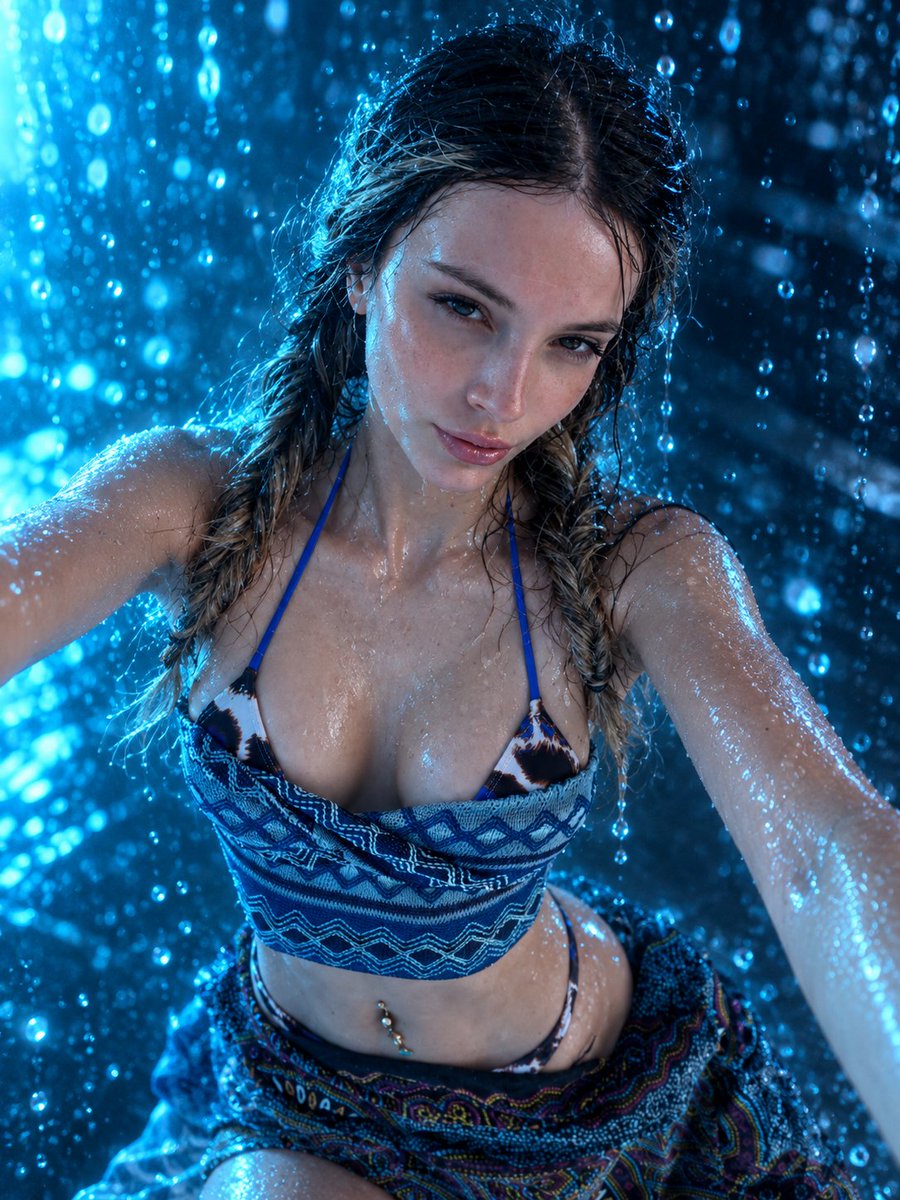
Sci-Fi Cyan Lighting Effect
Afbeelding naar afbeelding
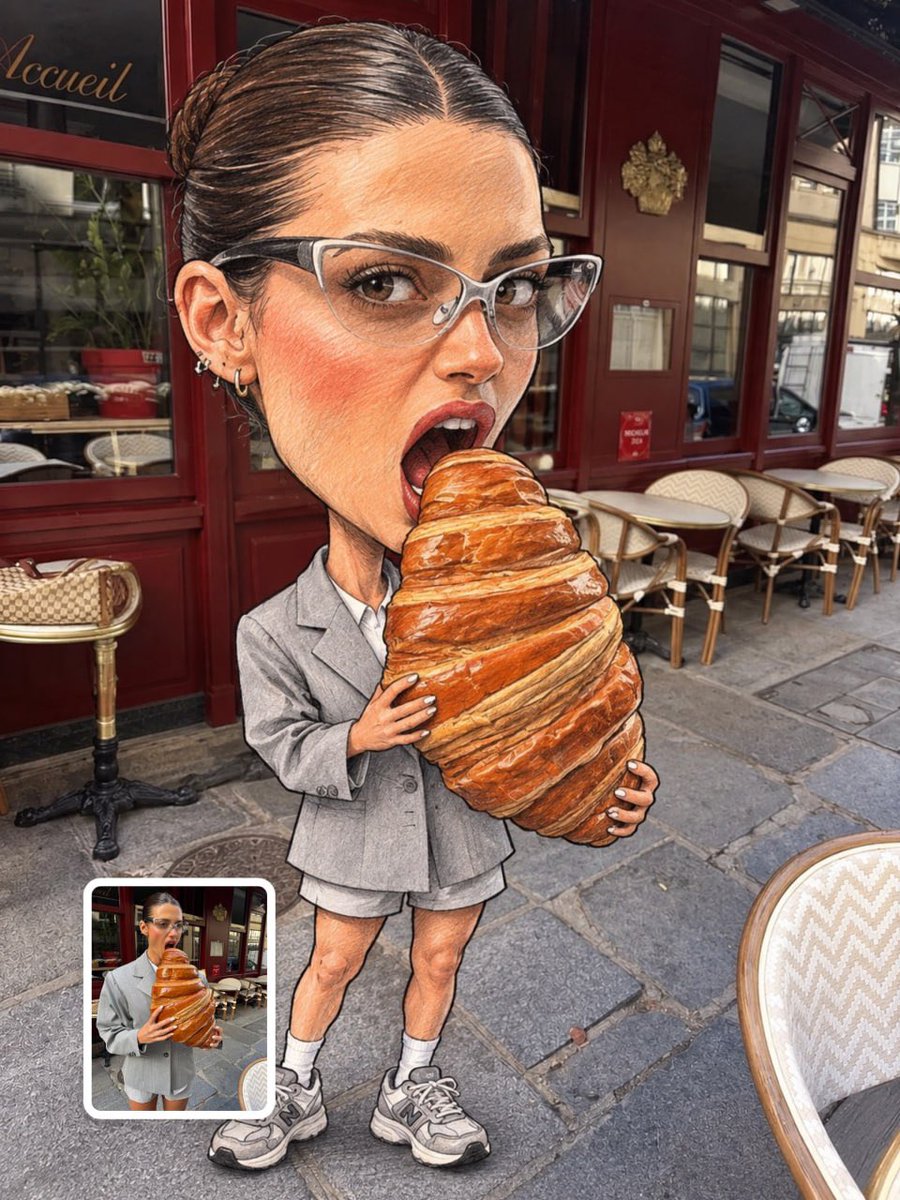
Oversized Head Cartoon Caricature Prompt
Afbeelding naar afbeeldingGemiddeld risico
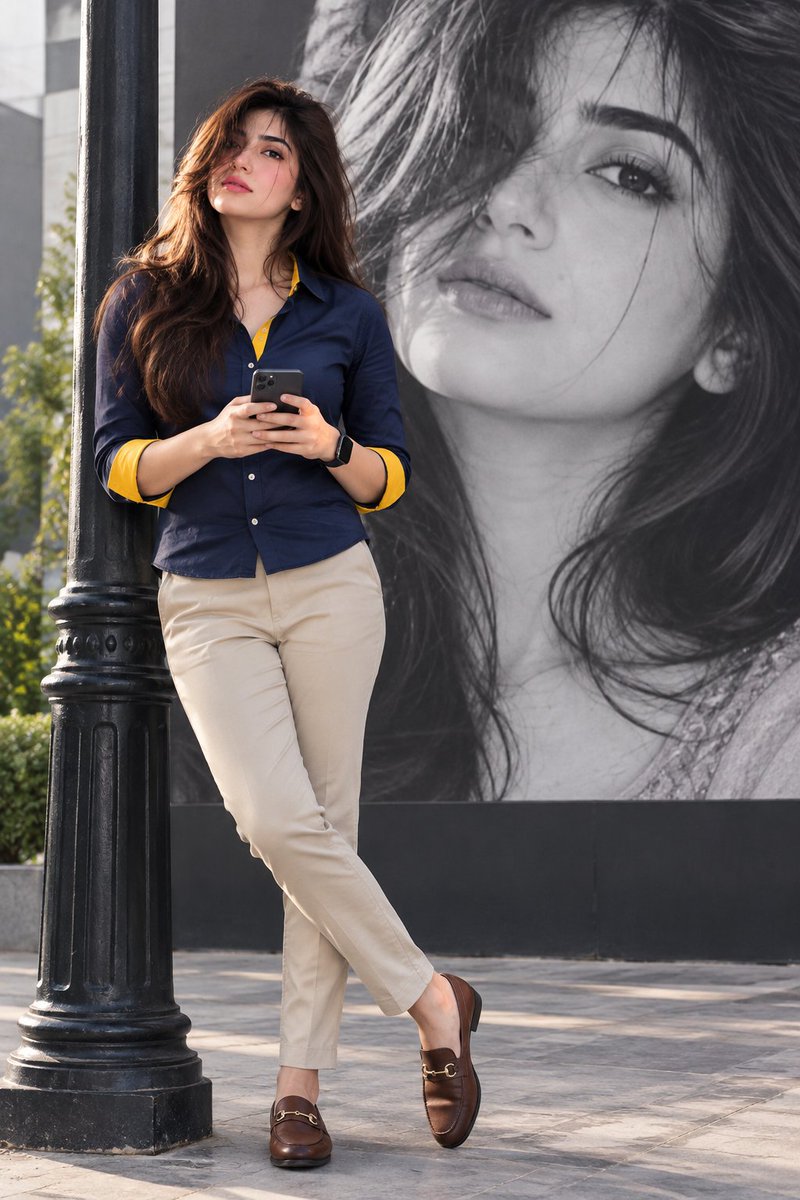
Stylish Man Street Lamp Portrait
Afbeelding naar afbeelding
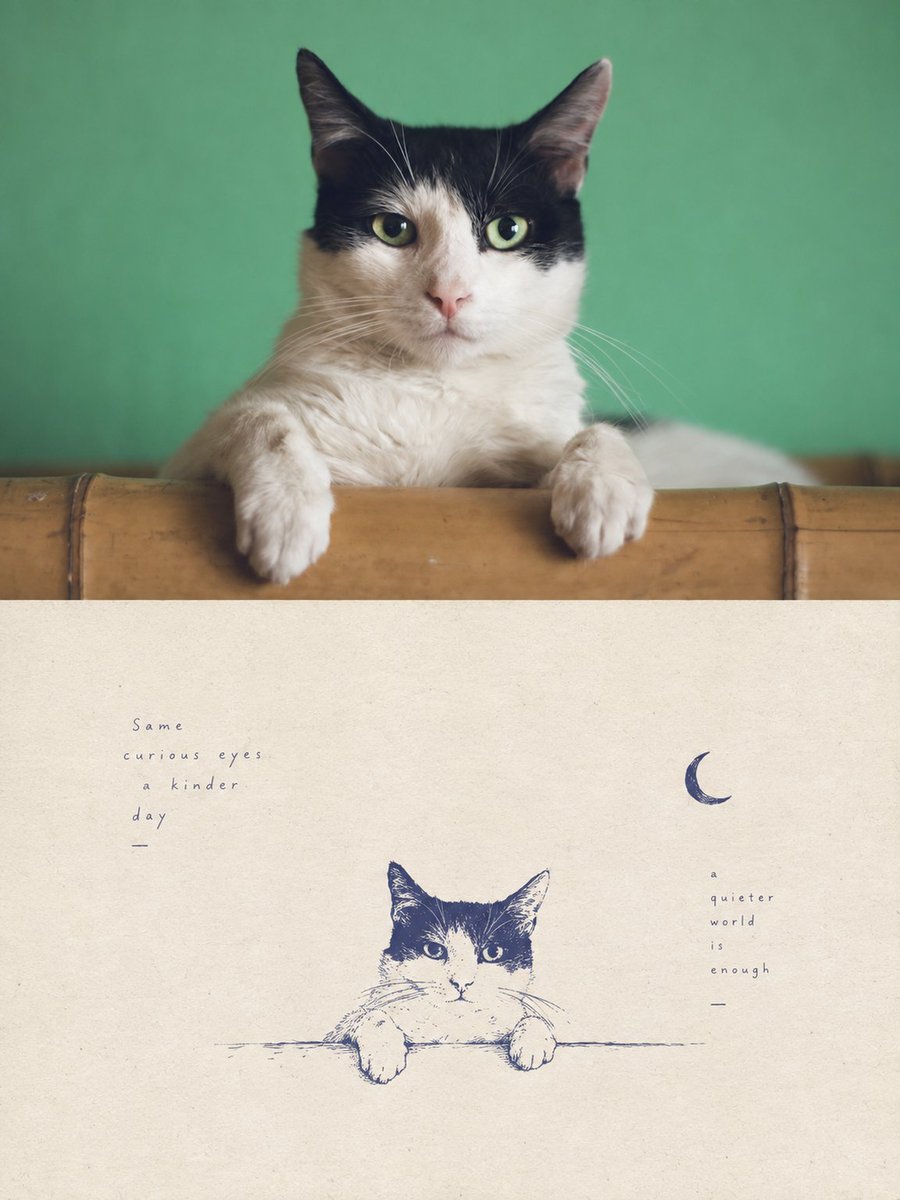
Tuxedo Cat Photo and Line Art Diptych
Tekst naar afbeelding
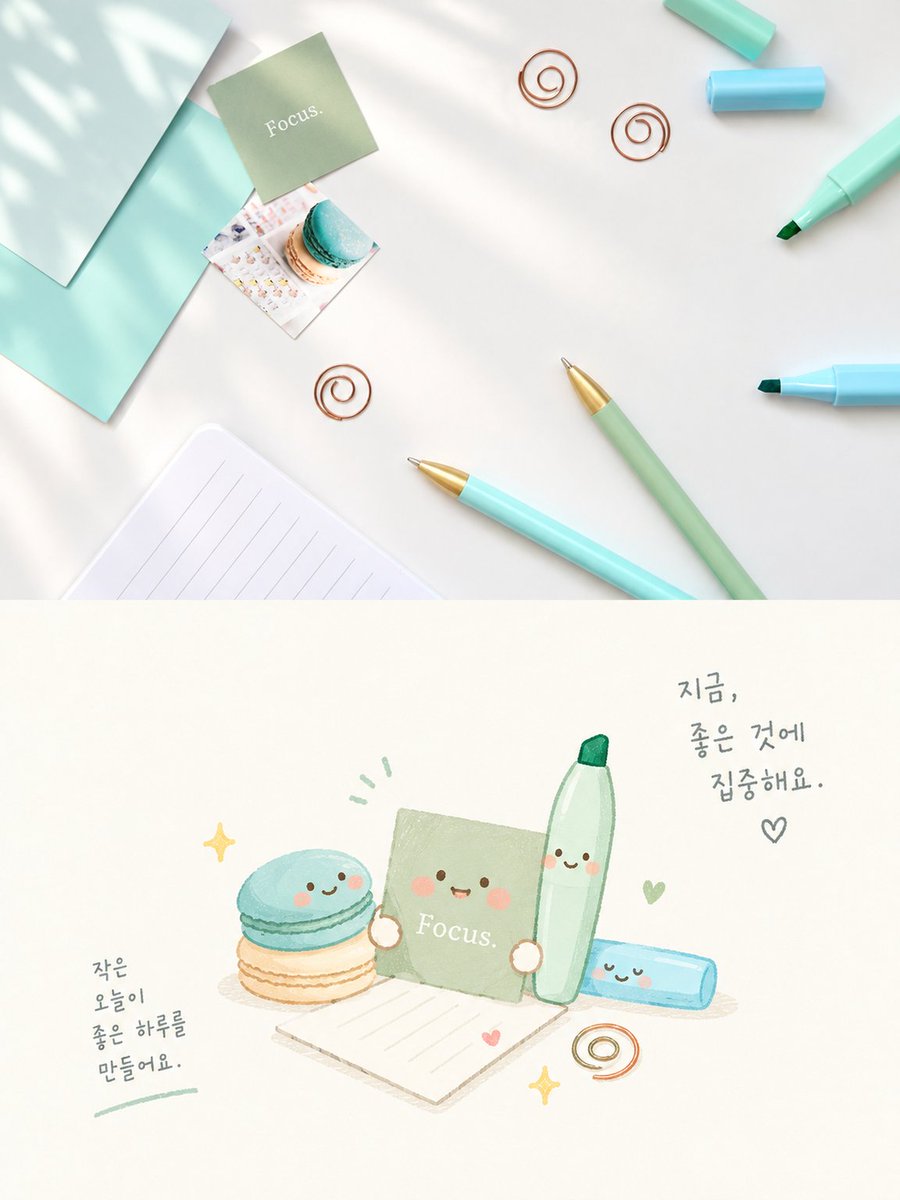
Cute Focus Desk Flat Lay and Kawaii Illustration
Tekst naar afbeelding
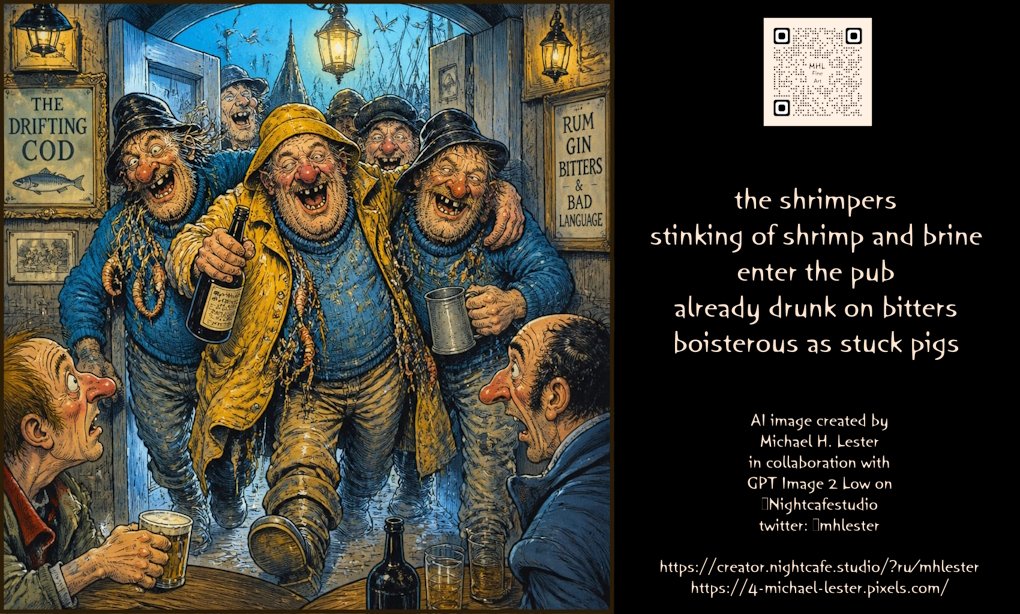
Boisterous Shrimpers Entering Pub
Tekst naar afbeelding
Hergebruik en bronvermeldingen
Gebruik deze prompt veilig nadat u de casus hebt bekeken.
- 1.Kopieer de prompt of open deze direct in Dovoo met de knop 'Genereren'.
- 2.Pas de variabelen, beeldverhouding en referentieafbeeldingen aan uw eigen toepassing aan.
- 3.Controleer vóór publicatie of betaald gebruik de auteursrechten, de vereisten voor naamsvermelding en de risico's met betrekking tot merk of beeltenis.