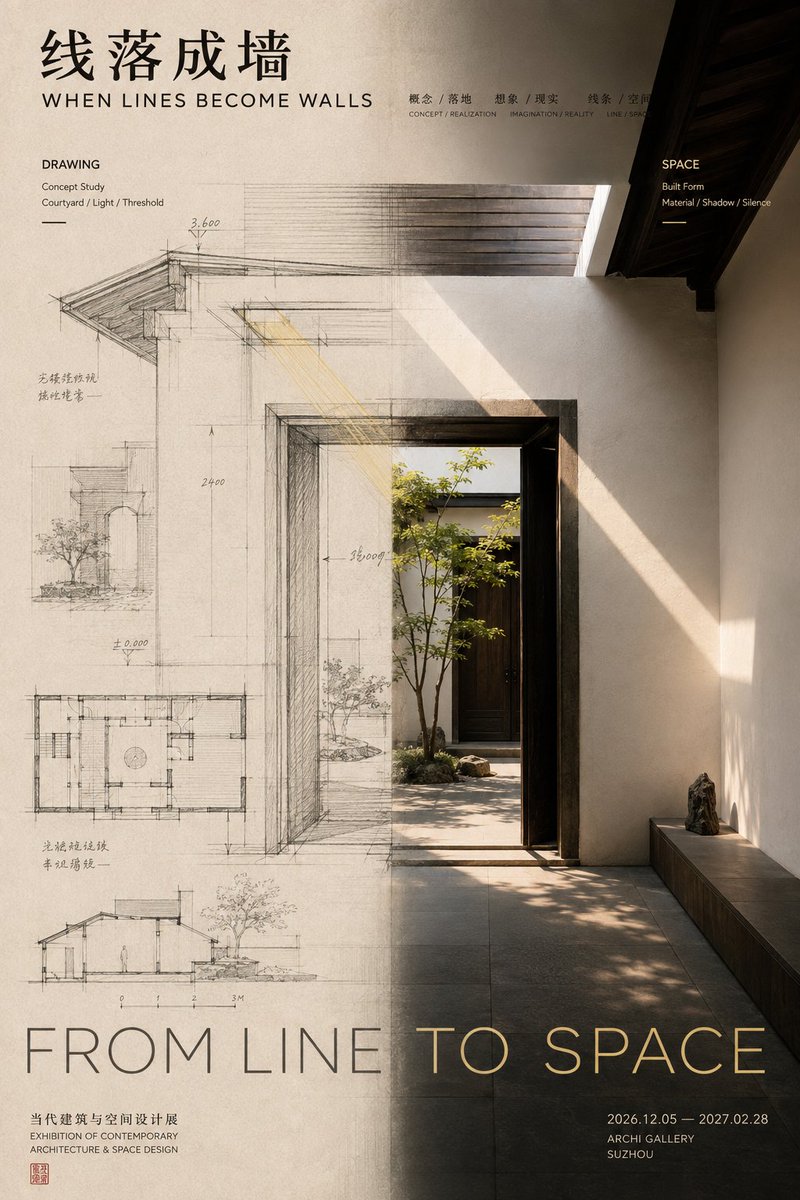
Conceptual Editorial Poster Design Framework
A complex instructional prompt for creating split-screen editorial posters that demonstrate a transition or transformation between two states.
Dette er et tilfelle av en GPT Image 2 -ledetekst for Grafikk og plakat . Bruk den kopieringsklare ledeteksten nedenfor for å generere lignende visuelle elementer, og gjennomgå Awesome GPT Image 2 Prompts -attribusjonen pluss kommersielle bruksrettigheter før gjenbruk.
Trenger du hele settet med ledetekster? Bruk Grafikk og plakat emnehub for flere relaterte eksempler, eller åpne GPT Image 2 rask katalog for den fullstendige eksempelindeksen, gjenbrukbare strukturer og kildeattribusjon.
Free 1K preview
Generate one preview image instantly, no sign-up required.
Free text preview doesn’t preserve reference-image consistency.
1535/4000
Spørsmål
Klar til kopiering
[Theme / Work Title]: {argument name="subject" default="____"}
[Left Status]: {argument name="left state" default="____"}
[Right Status]: {argument name="right state" default="____"}
[Relationship Type]: Before & After / Concept & Finished Product / Source & Spread / Entity & Transformation / Other
[Axis Change]: ____ → ____ → ____
[Chinese Title]: ____
[English Title]: ____
[Main Color Tone]: ____
[Secondary Color Tone]: ____
[Aspect Ratio]: 9:16

Generate an editorial design poster with exhibition visual quality, using a left-right composition.

Don't simply divide the screen into two columns; let the left and right visual areas express different states of the same theme, with the "middle boundary" being the actual point of change.

Use unequal proportional layouts (40:60, 45:55, 55:45) for the left and right areas based on the theme's weight, avoiding a mechanical 50:50 split. Establish a starting point or initial state on the left, and showcase the transformed result on the right.

The most crucial part is the axis transformation. Avoid rigid vertical lines; instead, choose a core element that runs through both areas and continuously changes as it crosses the axis (e.g., petals turning into stitches, a sketch becoming a real wall).

The layout should participate in this relationship, but all text must belong to the work itself. Control the colors to 2-4 main tones. The final reading order should guide the audience from the two states to the connection/change, and ultimately understand the cause and effect.
Promptvariabler
Redigerbare argumentplassholdere funnet i ledeteksten, med standardverdiene.
Variabel
subject
Misligholde
____
Variabel
left state
Misligholde
____
Variabel
right state
Misligholde
____
Best for
- - Grafikk og plakat visual exploration
- - Image generation and reference-image edits
- - Reusable briefs that keep source attribution visible
Change these parts
- - Subject, product, character, or scene
- - Aspect ratio, camera, lighting, and background
- - Brand, text, color, and output constraints
Recommended model and settings
- - Model: gpt-image-2
- - Input mode: Bilde til bilde
- - Aspect ratio: source
- - Commercial status: review original source
How to use this prompt
- 1. Copy the prompt and preserve its structure for the first test.
- 2. Replace the subject, context, and publishing channel.
- 3. Change one camera, lighting, or style variable per iteration.
- 4. Inspect the output, source, text, and rights before reuse.
Limitations, source, and reuse cautions
- - Generated output is an editable draft, not factual, legal, or rights evidence.
- - Review the linked source, people, brands, logos, text, and third-party media before commercial use.
Importert fra Awesome GPT Image 2 Prompts . Attribusjon kreves. Status for kommersiell bruk er allowed ; sjekk kilderettighetene før betalt bruk.
Flere saker i denne kategorien
Prioritert etter kategori, kompatibilitet med inndatamodus, kvalitet og lavere risiko.
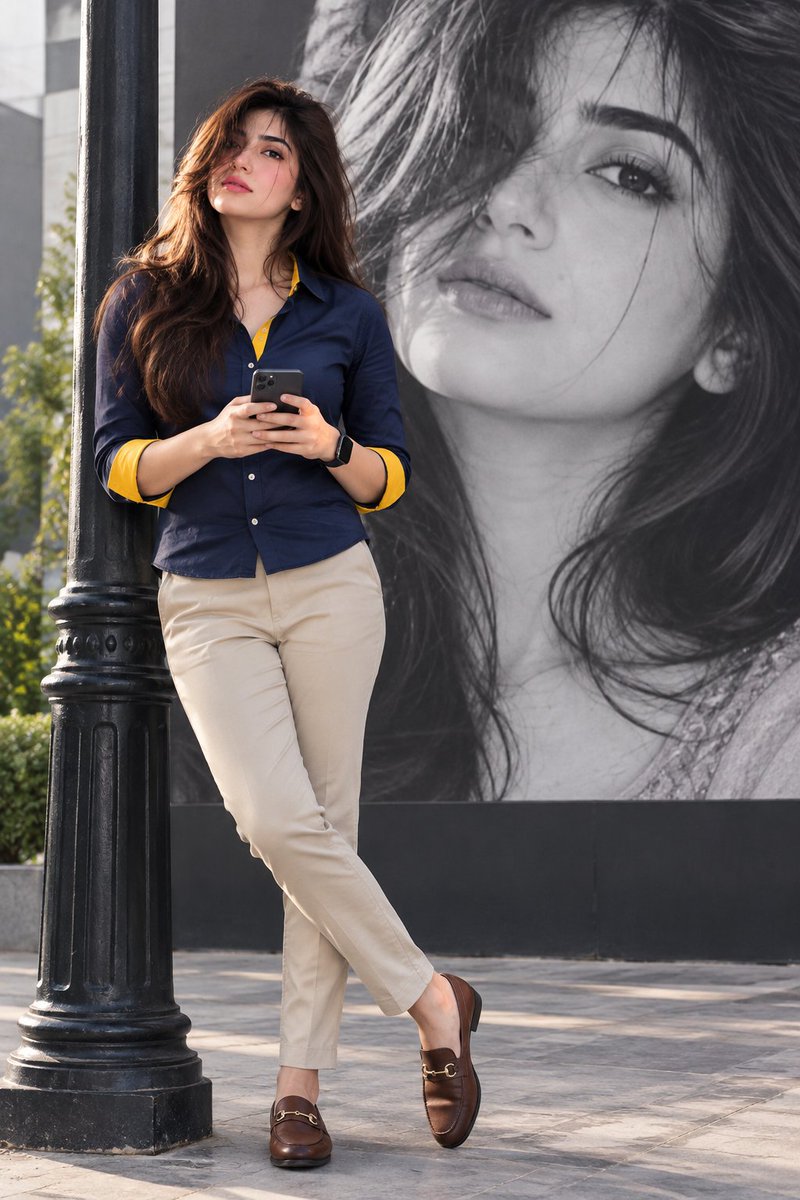
Stylish Man Street Lamp Portrait
Bilde til bilde
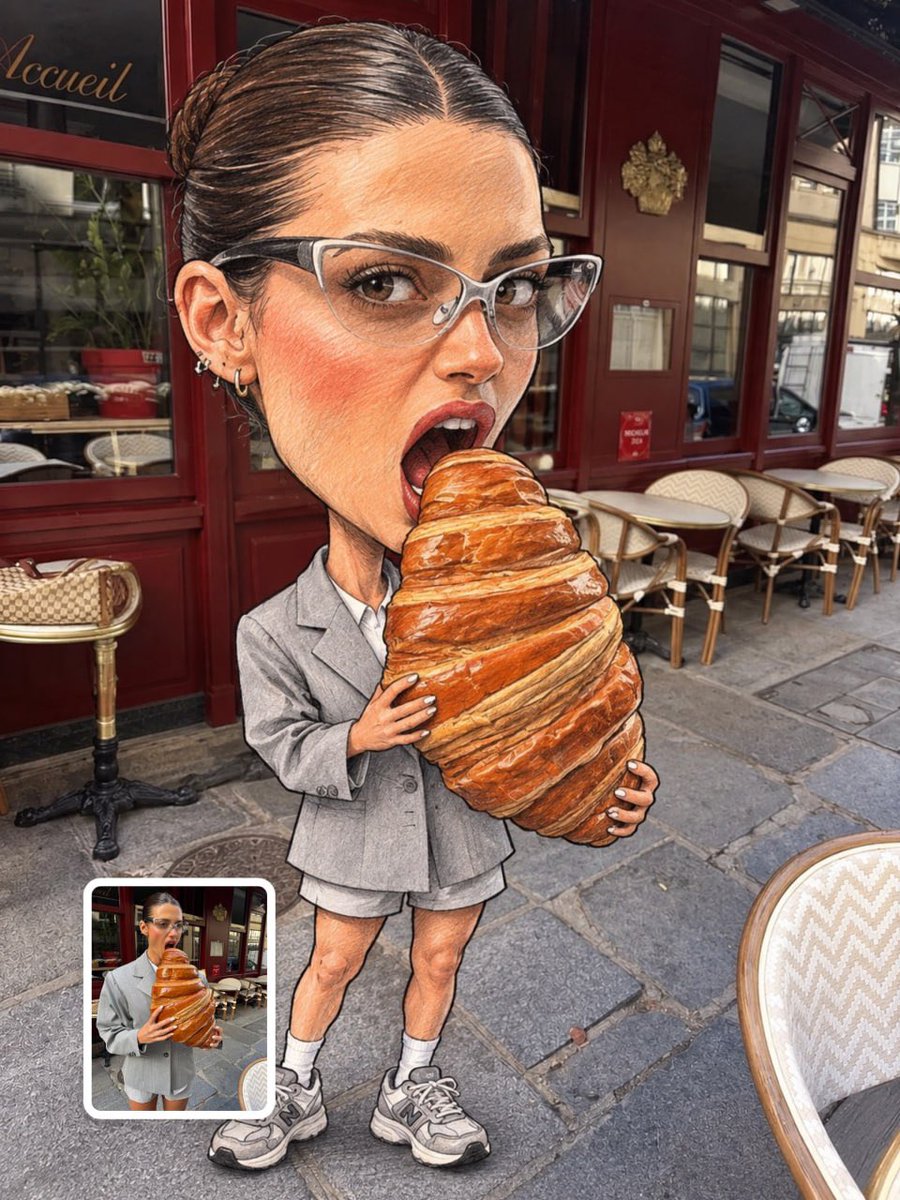
Oversized Head Cartoon Caricature Prompt
Bilde til bildeMiddels risiko
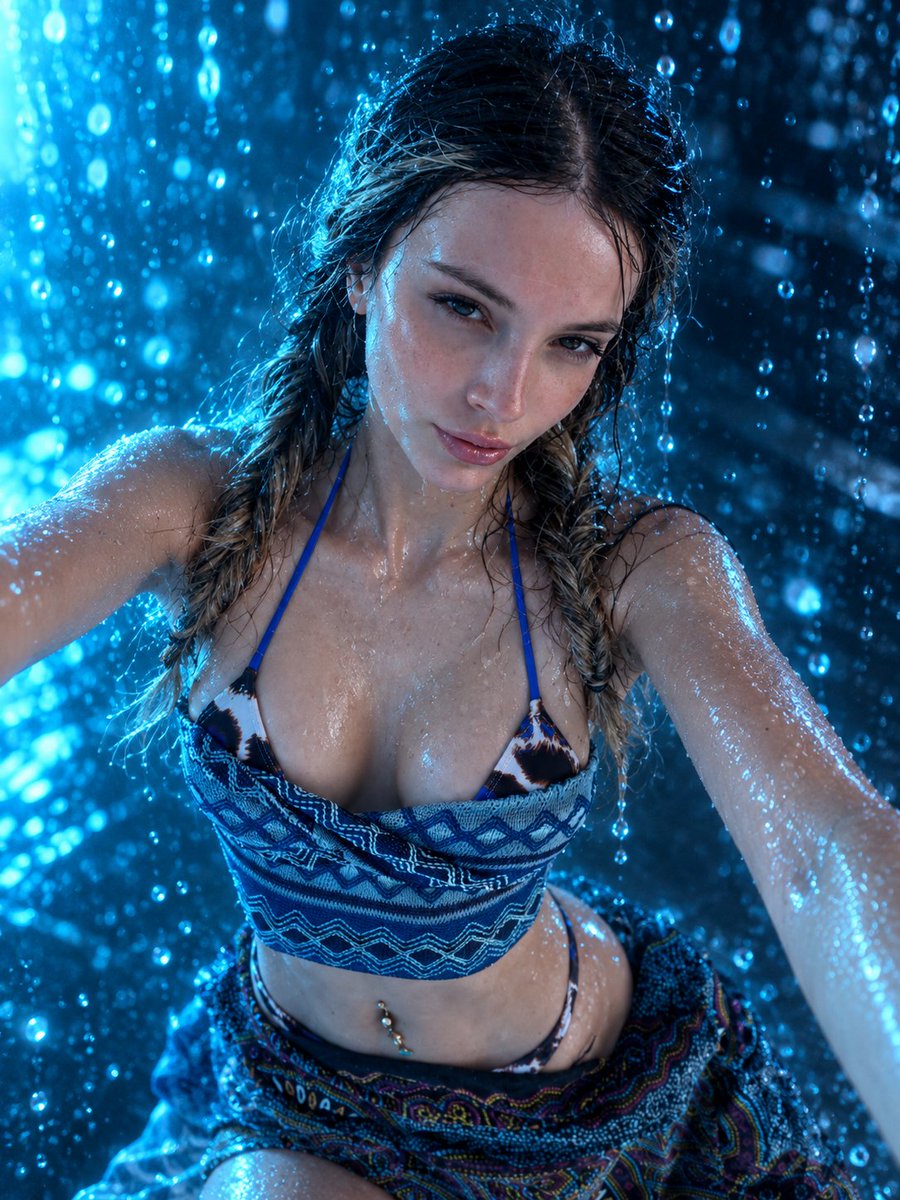
Sci-Fi Cyan Lighting Effect
Bilde til bilde
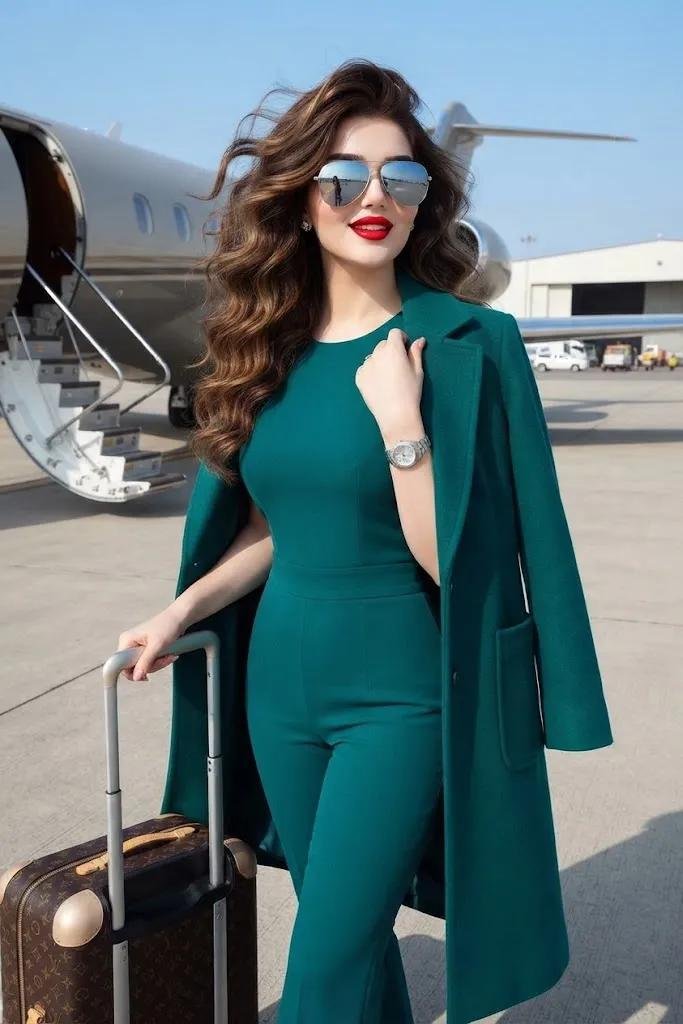
Luxury Travel Fashion Portrait Prompt
Tekst til bilde
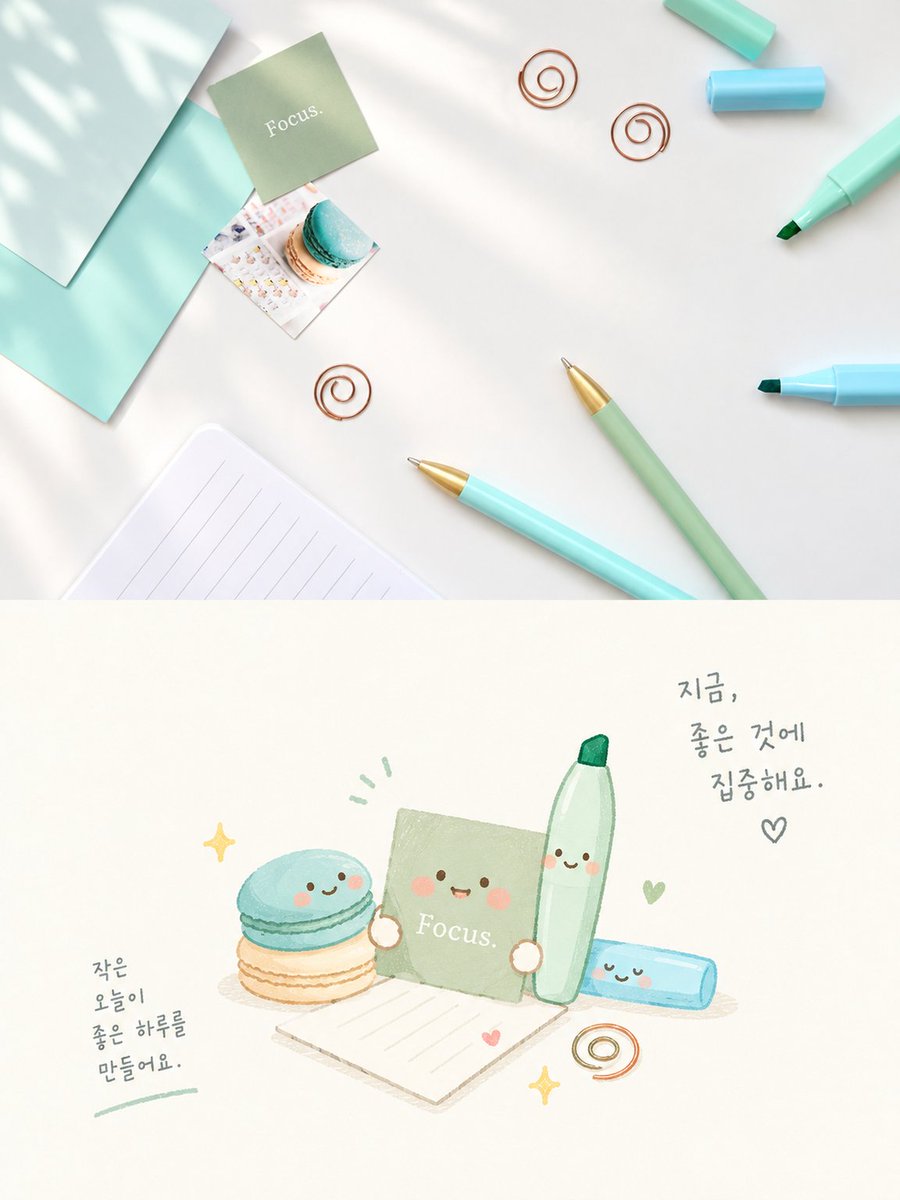
Cute Focus Desk Flat Lay and Kawaii Illustration
Tekst til bilde
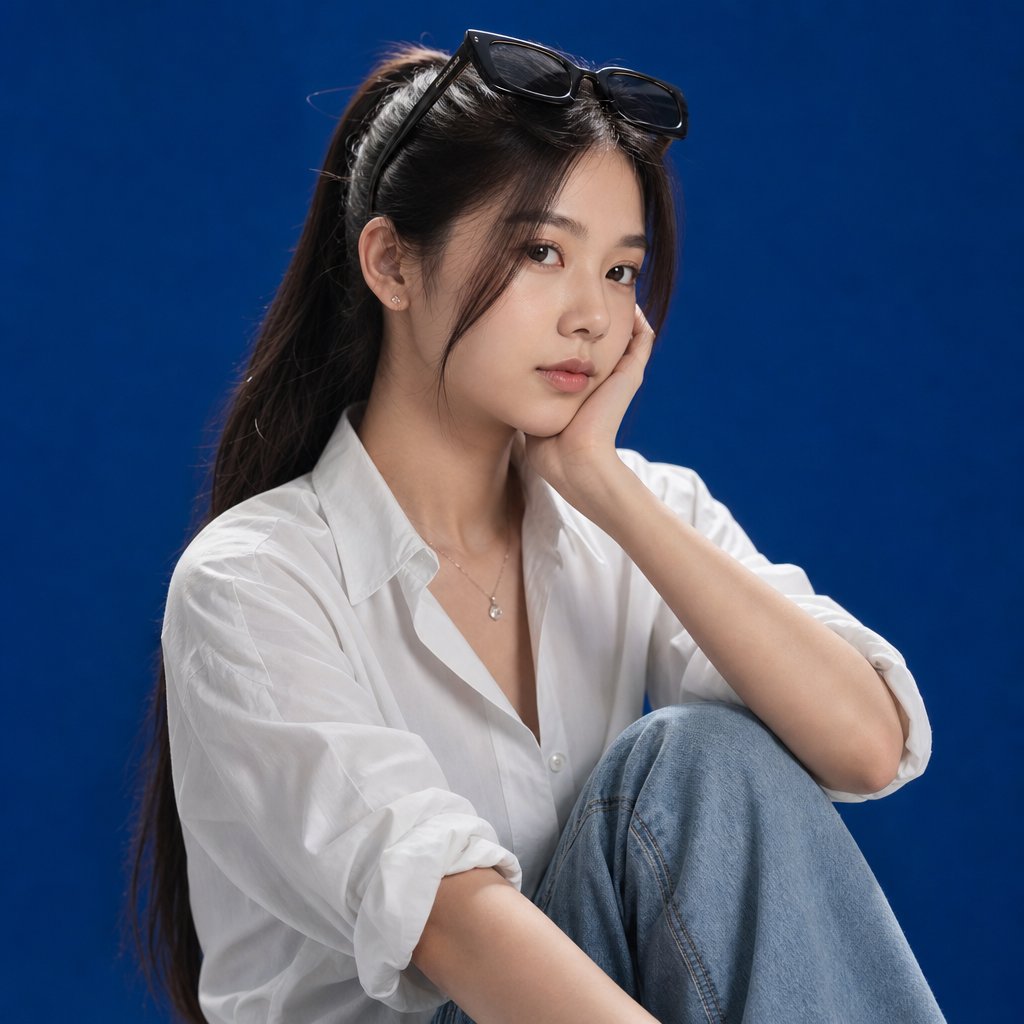
Studio Portrait of Woman with Sunglasses
Tekst til bilde
Gjenbruk og kildenotater
Bruk denne ledeteksten på en trygg måte etter at du har forhåndsvist saken.
- 1.Kopier ledeteksten eller åpne den direkte i Dovoo med genereringsknappen.
- 2.Juster variabler, sideforhold og referansebilder for ditt eget brukstilfelle.
- 3.Før publisering eller betalt bruk, kontroller kilderettigheter, krav til kreditering og risikoer knyttet til merkevare eller likhet.