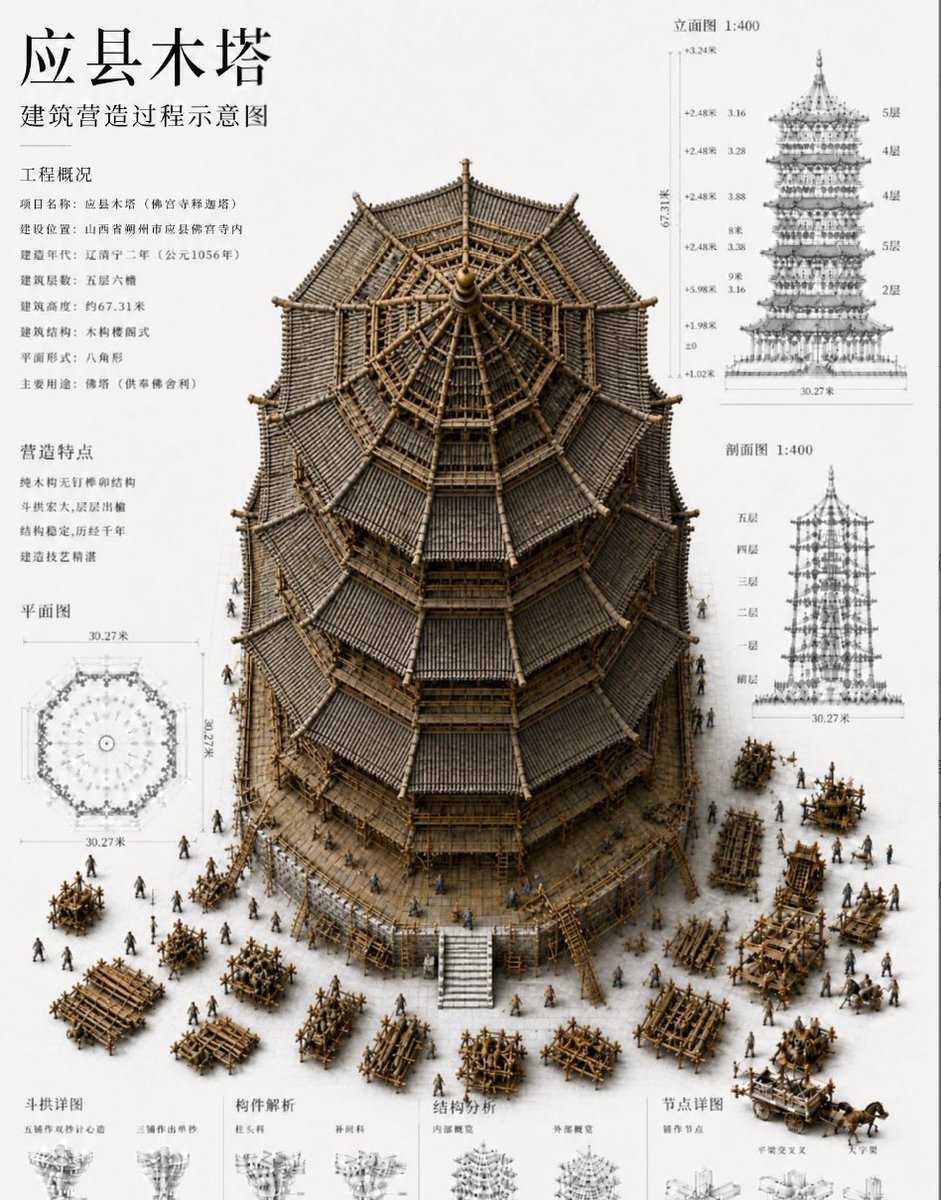
Kinesisk trepagodekonstruksjonsbrett
Genererer et tett kinesisk arkitektonisk presentasjonstavle som viser en gammel trepagodekonstruksjonsprosess med diagrammer, merknader og en sentral 3D-modell.
Dette er et tilfelle av en GPT Image 2 -ledetekst for Interiør og arkitektur . Bruk den kopieringsklare ledeteksten nedenfor for å generere lignende visuelle elementer, og gjennomgå Awesome GPT Image 2 Prompts -attribusjonen pluss kommersielle bruksrettigheter før gjenbruk.
Trenger du hele settet med ledetekster? Bruk Interiør og arkitektur emnehub for flere relaterte eksempler, eller åpne GPT Image 2 rask katalog for den fullstendige eksempelindeksen, gjenbrukbare strukturer og kildeattribusjon.
Free 1K preview
Generate one preview image instantly, no sign-up required.
3679/4000
Spørsmål
Klar til kopiering
Objective: Create a high-density Chinese architectural showcase project, demonstrating the construction process of ancient wooden pagodas with a realistic 3D cross-section/isometric model of the {argument name="building name" default="Yingxian Wooden Pagoda"} under construction at the center.

Canvas: Vertical poster, off-white drawing paper background, 4:5 aspect ratio, simple museum exhibition/architectural blueprint style. Use black Chinese fonts, fine gray measurement lines, and dark brown wood textures. The image should present a texture combining technical architectural boards and miniature models.

Layout: Place a large octagonal wooden pagoda detail model in the center, occupying most of the poster space. Show the pagoda from a slightly overhead front angle to observe the roof structure and internal radial wooden frame. Arrange numerous miniature construction workers, scaffolding, wood piles, wheelbarrows, ladders, cranes, and assembly frames around the bottom. The surrounding drawings and text must be aligned like professional architectural drawings.

Text Content: Place a large title in the upper left corner: "Yingxian Wooden Pagoda". Below it, place a subtitle: "Schematic diagram of the architectural construction process". Add two information blocks on the left side with the titles "Project Overview" and "Construction Features", containing multiple lines of short Chinese text describing the project name, location, construction period, height, structural type, plane form, and craftsmanship features. Ensure Chinese characters are clear and without garbled characters.

Required Chart Elements: Include 7 main annotation areas: 1) Central 3D wooden pagoda construction model, 2) Left side "Project Overview" text block, 3) Left side "Construction Features" text block, 4) Lower left corner "Floor Plan" octagonal plan, marking the dimension of approximately 30.27 meters, 5) Upper right corner "Elevation 1:400" elevation drawing with floor labels and vertical dimensions, 6) Right middle "Section 1:400" section drawing with floor labels, 7) A row of small technical detail panels at the bottom, labeling categories such as "Dougong Details", "Component Analysis", "Structural Analysis", and "Node Details".

Main Details: The pagoda should be an octagonal multi-eave Chinese wooden pagoda with a dark gray tiled roof, exposed brown wooden beams, dense Dougong brackets, layered eaves, a central pagoda finial, and a visible radial roof frame at the top. Add a construction scene: unfinished upper internal trusses, scaffolding around the lower level, wooden fences, and workers carrying wooden beams. Use {argument name="primary material" default="wooden timber frame"} as the main building material and {argument name="drawing scale" default="1:400"} as the scale label for the elevation and section drawings.

Visual Style: Highly detailed architectural visualization, realistic miniature model rendering, precise technical annotations, fine ink lines, soft shadows, soft brown and gray tones, and no bright colors. Combine photorealistic 3D construction models with clear 2D blueprints. Make the typesetting similar to formal Chinese architectural drawings.

Constraints: Maintain the dense Chinese layout and the clarity of technical drawings. Do not add logos, watermarks, English labels, or modern architecture. Keep all charts spatially organized, and do not overlap text on the main pagoda. Ensure Chinese characters are displayed correctly, especially the title {argument name="main title" default="Yingxian Wooden Pagoda"} and subtitle {argument name="subtitle" default="Schematic diagram of the architectural construction process"}.
Promptvariabler
Redigerbare argumentplassholdere funnet i ledeteksten, med standardverdiene.
Variabel
building name
Misligholde
Yingxian Wooden Pagoda
Variabel
primary material
Misligholde
wooden timber frame
Variabel
drawing scale
Misligholde
1:400
Variabel
main title
Misligholde
Yingxian Wooden Pagoda
Variabel
subtitle
Misligholde
Schematic diagram of the architectural construction process
Best for
- - Interiør og arkitektur visual exploration
- - Image generation and reference-image edits
- - Reusable briefs that keep source attribution visible
Change these parts
- - Subject, product, character, or scene
- - Aspect ratio, camera, lighting, and background
- - Brand, text, color, and output constraints
Recommended model and settings
- - Model: gpt-image-2
- - Input mode: Tekst til bilde
- - Aspect ratio: source
- - Commercial status: review original source
How to use this prompt
- 1. Copy the prompt and preserve its structure for the first test.
- 2. Replace the subject, context, and publishing channel.
- 3. Change one camera, lighting, or style variable per iteration.
- 4. Inspect the output, source, text, and rights before reuse.
Limitations, source, and reuse cautions
- - Generated output is an editable draft, not factual, legal, or rights evidence.
- - Review the linked source, people, brands, logos, text, and third-party media before commercial use.
Importert fra Awesome GPT Image 2 Prompts . Attribusjon kreves. Status for kommersiell bruk er allowed ; sjekk kilderettighetene før betalt bruk.
Related prompt packs
Flere saker i denne kategorien
Prioritert etter kategori, kompatibilitet med inndatamodus, kvalitet og lavere risiko.
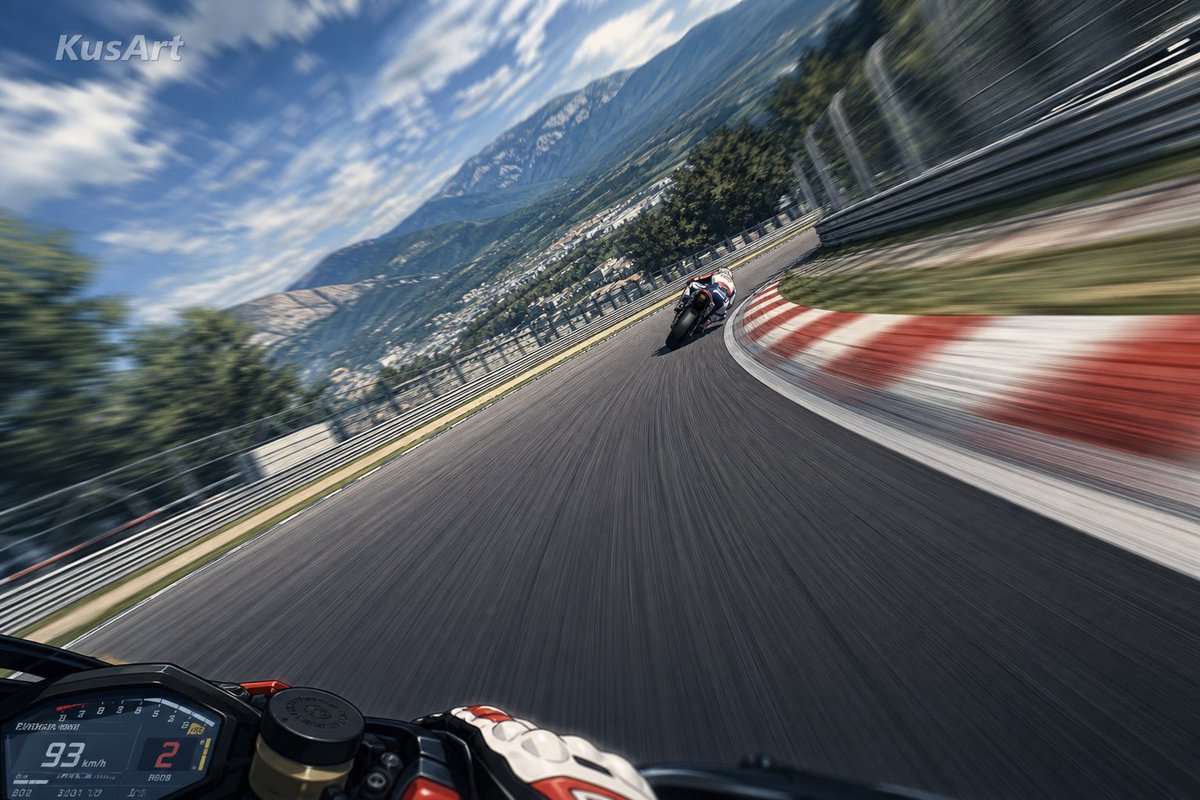
MotoGP POV Cornering Shot
Tekst til bilde

Luxury Travel Fashion Portrait Prompt
Tekst til bilde
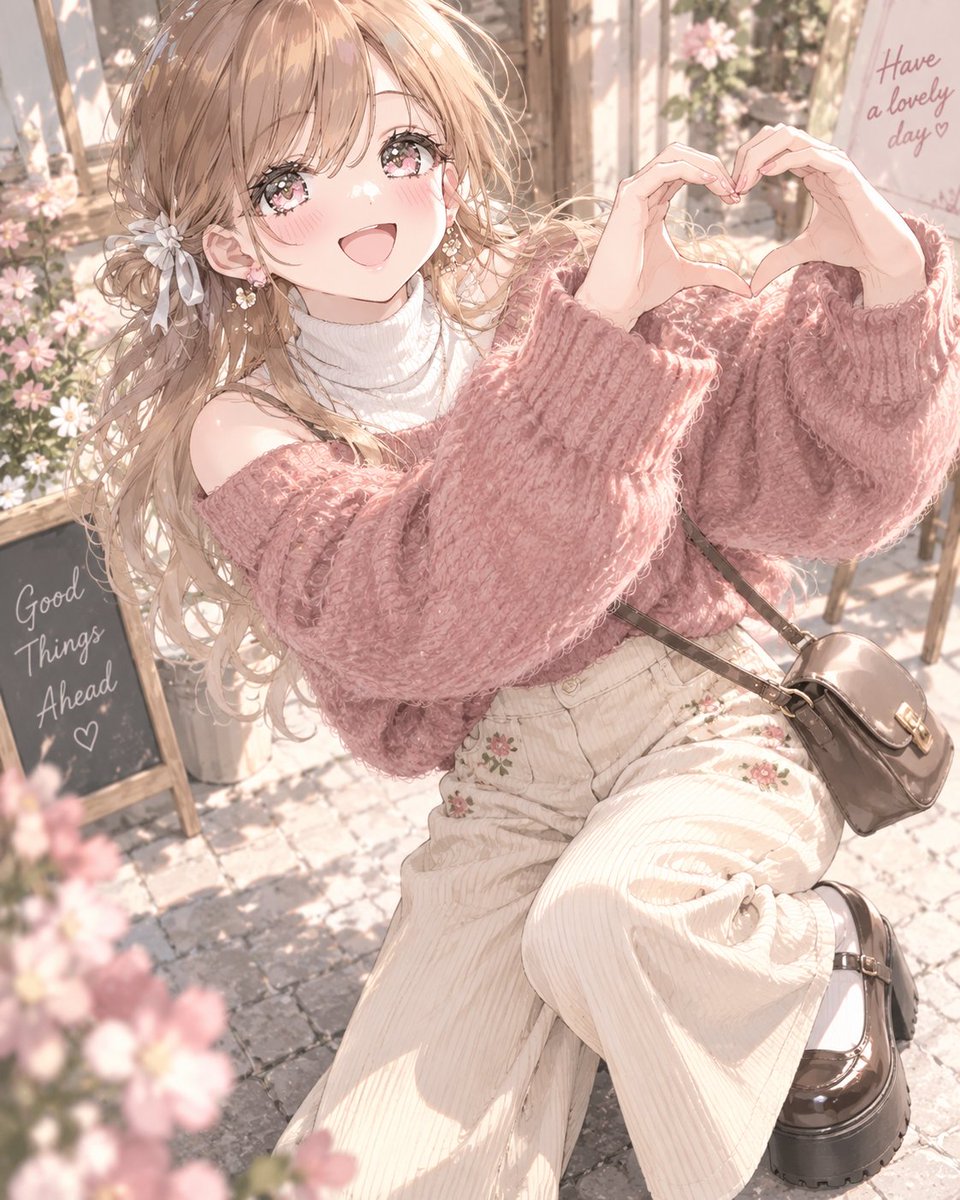
Autumn Cozy Casual Outfit Prompt
Tekst til bilde
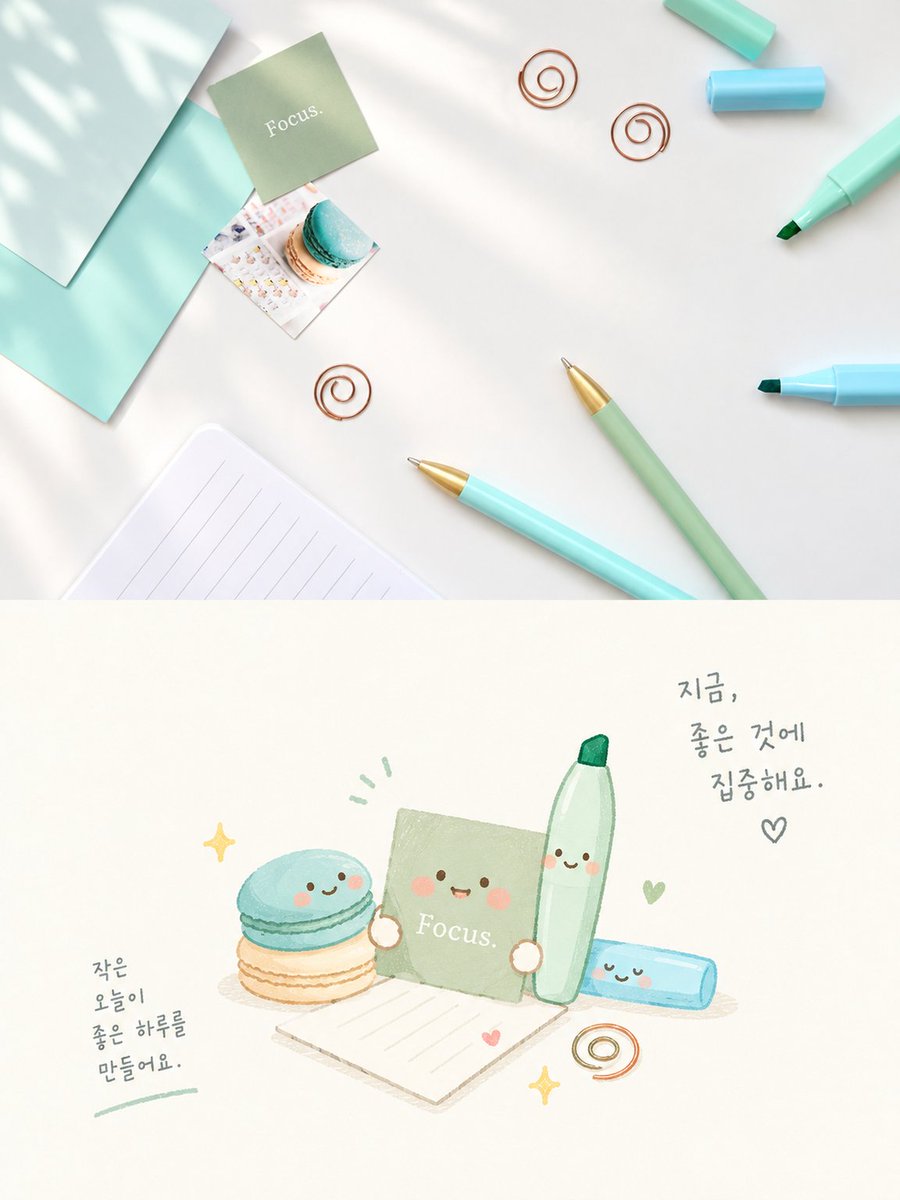
Cute Focus Desk Flat Lay and Kawaii Illustration
Tekst til bilde
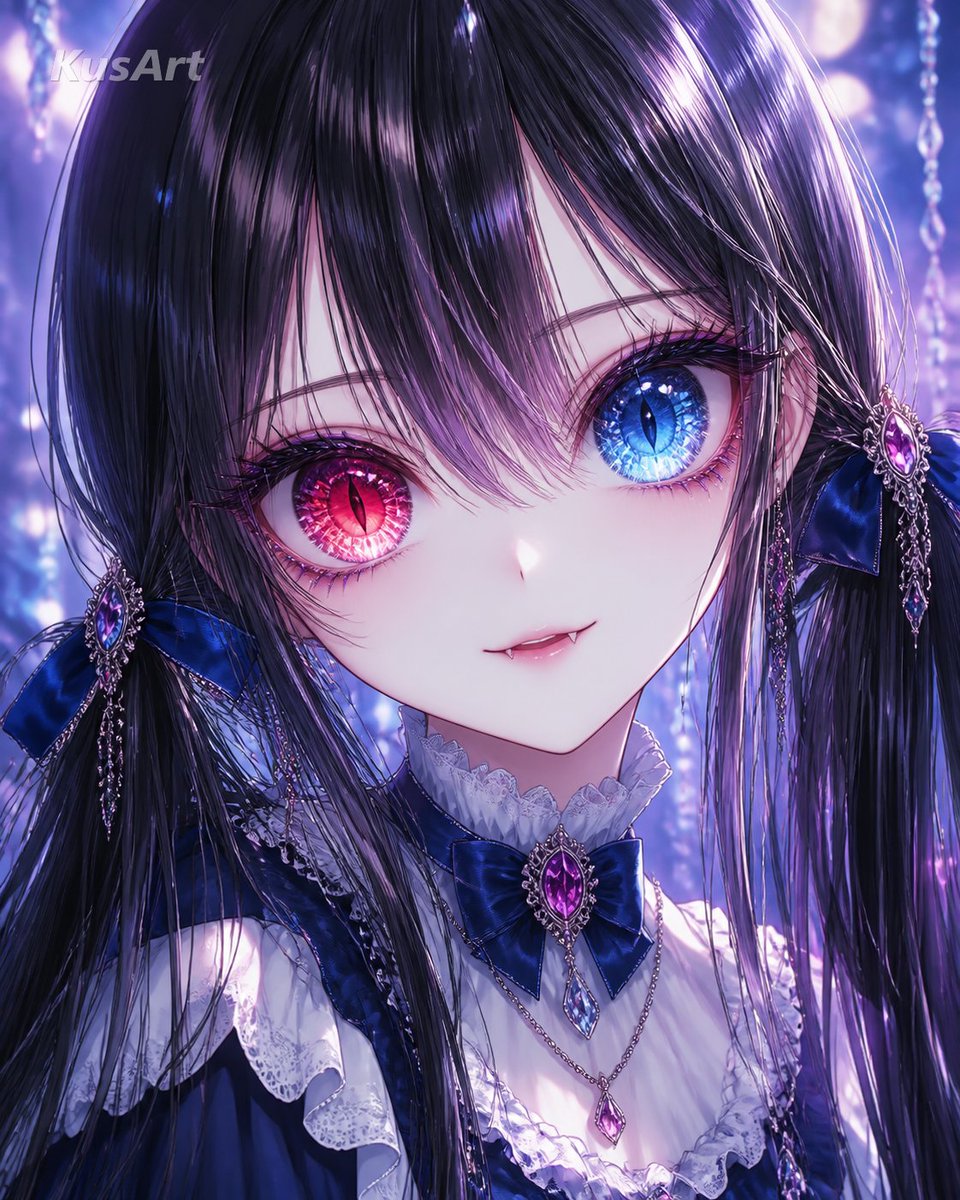
Anime Girl Heterochromia Portrait
Tekst til bilde
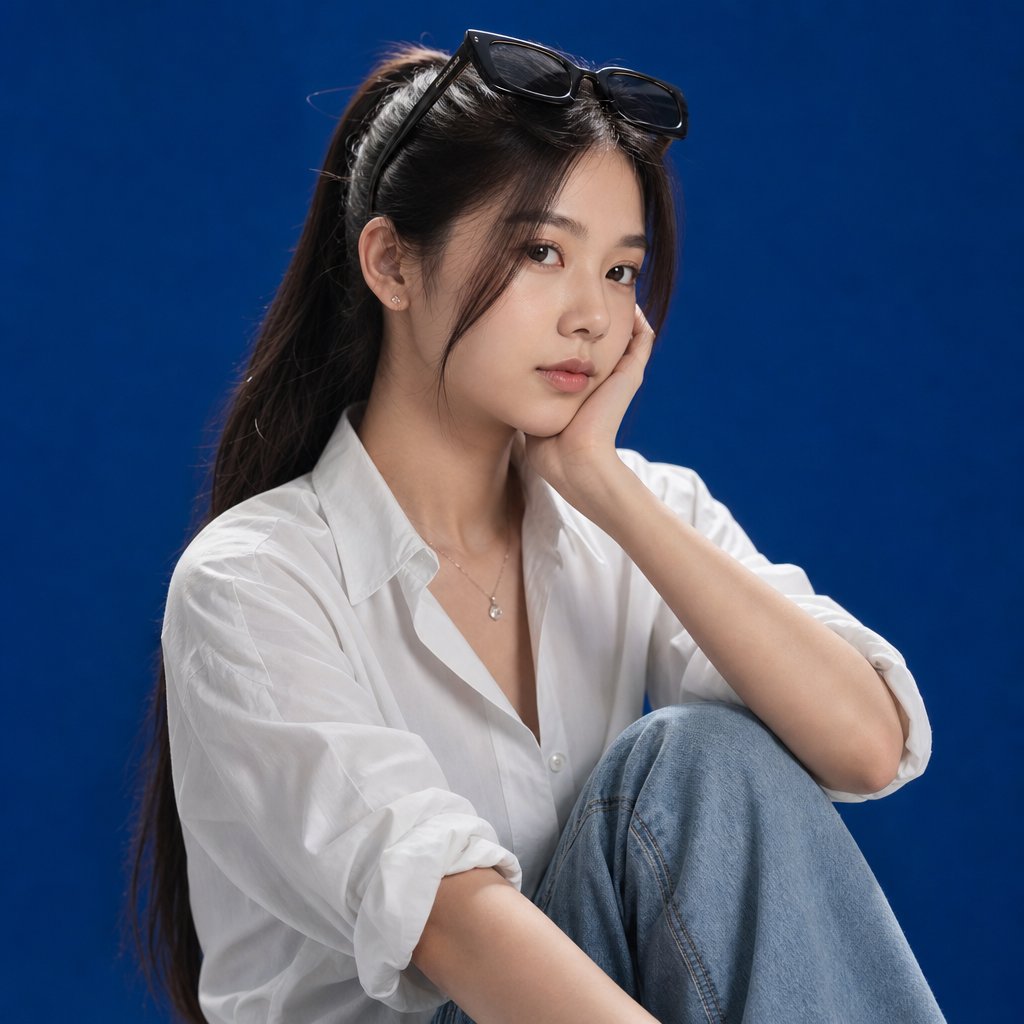
Studio Portrait of Woman with Sunglasses
Tekst til bilde
Gjenbruk og kildenotater
Bruk denne ledeteksten på en trygg måte etter at du har forhåndsvist saken.
- 1.Kopier ledeteksten eller åpne den direkte i Dovoo med genereringsknappen.
- 2.Juster variabler, sideforhold og referansebilder for ditt eget brukstilfelle.
- 3.Før publisering eller betalt bruk, kontroller kilderettigheter, krav til kreditering og risikoer knyttet til merkevare eller likhet.