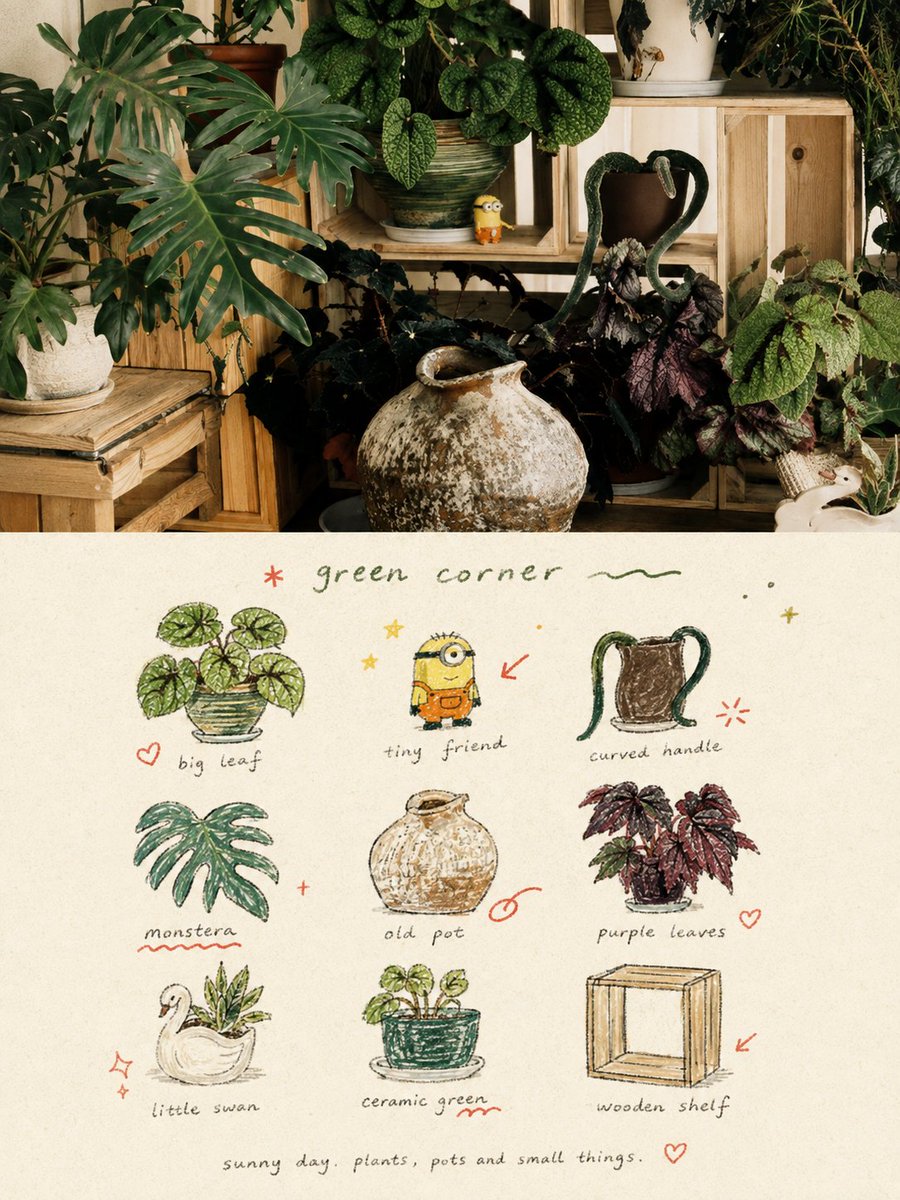
Hand-Drawn Doodle Grid Poster
A creative prompt for transforming uploaded photos into a split-layout poster featuring the original image on top and a hand-drawn 3x3 doodle grid on the bottom.
これはグラフィック&ポスター向けのGPT Image 2プロンプトケースです。以下のコピー可能なプロンプトを使用して同様のビジュアルを生成し、再利用する前にAwesome GPT Image 2 Prompts帰属表示と商用利用権を確認してください。
プロンプトセット全体が必要ですか? グラフィック&ポスター 関連する例をもっと見るにはトピックハブを開くか、 GPT Image 2 プロンプトカタログ 完全な例の索引、再利用可能な構造、および出典の明記については、こちらをご覧ください。
このプロンプトは、複数の参照画像に対応するように設計されています。プロンプトと利用可能なプレビュー画像を表示した状態でDovooを開き、生成前に残りの参照画像をDovooに追加してください。
Free 1K preview
Generate one preview image instantly, no sign-up required.
Free text preview doesn’t preserve reference-image consistency.
4000/4000
プロンプト
コピー準備完了プロンプト
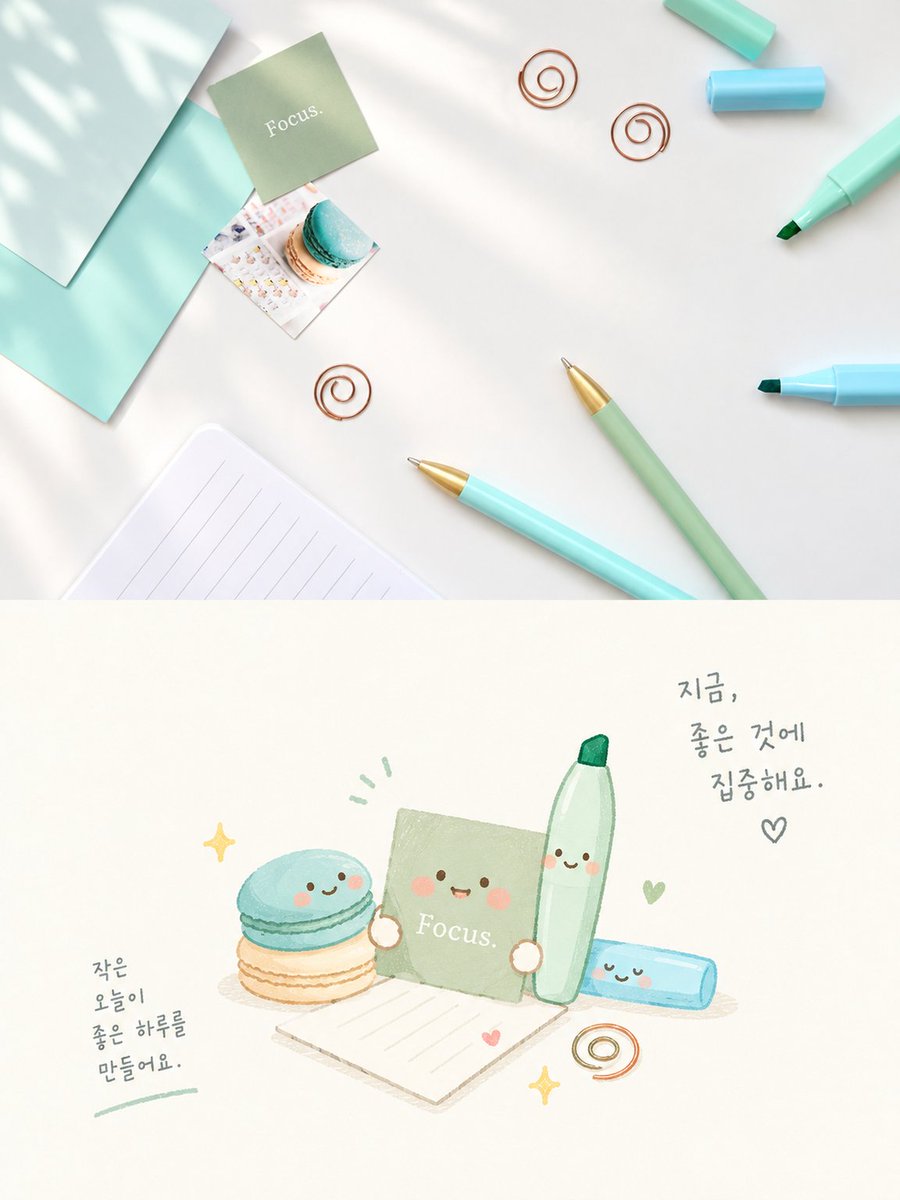
Please transform each photo I upload into an individual high-end design poster, outputting each photo separately without stitching multiple images. The overall composition uses a 3:4 vertical format, with the top and bottom sections strictly 1:1 in height, each occupying 50% of the screen. The upper part retains the original photo, maintaining the subject's identity, structure, posture, realistic texture, natural light and shadow, and original color atmosphere, with only slight professional color grading to give it the texture of an art magazine, independent publication, or exhibition image. The environment background can be naturally extended to fit the frame, but the subject must not be stretched, distorted, or changed. The lower part extracts the most recognizable subjects, local elements, action clues, object details, and narrative relationships from the photo, reconstructing them into a visual system of 3x3 modular icon grid + naive hand-drawn doodle illustrations + crayon/colored pencil grainy texture + handwritten text. Do not trace the original image completely or create realistic illustrations; instead, compress complex information into 9 visual units most worth remembering: these can be the subject itself, local features, personal belongings, plants, food, modes of transport, gestures, emotional symbols, or small memory points in the scene. Each unit should be a semantic extension of the same image above, making people feel at a glance that they belong to the same photo's 'memory checklist'. The composition uses an implicit 3x3 loose grid. The nine-square grid serves only as the underlying order and does not need to be drawn too neatly; the position, size, angle, and placement of each icon can be slightly shifted, creating a sense of loose grid / organic grid that is orderly but not mechanical. A short handwritten title can be added at the top, along with a few relaxed wavy lines, stars, or symbols; a tiny handwritten caption can be added at the bottom, making the whole thing look like a page from a private notebook, visual diary, or collection sheet. White space must be sufficient, and the layout should be relaxed, cute, restrained, and not cluttered. The art style uses Naïve Hand-drawn Doodle Illustration: simple forms, a bit naive, with slightly shaky outlines of uneven thickness that are not completely closed, retaining intentional imperfections. The coloring should not be filled too full, allowing paper texture, white particles, and rough edges to be seen. A mixture of thin black outlines, colored pencil/crayon filling, and small local color blocks can be used, not relying on realistic light and shadow but establishing graphic relationships through flat color / spot color. If grid auxiliary lines appear, they should be extremely faint, like pencil drafts lightly drawn, rather than computer-drawn regular tables. The color scheme uses a low-saturation retro candy palette, with warm off-white coarse-textured paper as the base, keeping colors soft, light, friendly, and high-end. It can refine and translate colors from the original image into comprehensive color relationships like sage green, mint green, pastel blue, cobalt blue, cream yellow, dusty pink, strawberry pink, and coral orange: usually with blue-green as the primary color, yellow-pink for object filling, and orange-red for very little emphasis. The overall control is a large area of off-white background, moderate blue-green primary color, small areas of yellow-pink secondary colors, and minimal orange-red accents, making the picture rich but not messy. Add a layer of minimal hand-drawn red annotation elements, such as circles, arrows, hearts, starbursts, small crosses, wavy lines, or emphasis marks, transforming the work from a regular icon page into a more editorial and personal visual diary. However, these annotations must be few and precise, serving only as a second touch, not overpowering the main subjects. The text content and language are not restricted; a few truly meaningful words should be freely generated based on the photo's theme, mood, location, action, or sense of life. Use a light, loose, handwritten font with slight writing pauses and spacing shifts for titles and descriptive text, making the writing look like casual notes naturally written on paper rather than commercial typography titles. The overall text remains sparse, small, with ample white space, forming a natural text-image mix with icons and annotations. The overall presentation gives a visual temperament of being naive, relaxed, retro, healing, light, friendly, and having a sense of editorial design, like a seriously collected private notebook, happiness list, or life observation page. Avoid clean vector feelings, realistic light and shadow, complex textures, heavy shadows, overly neat UI icon feelings, commercial template feelings, and children's cartoonization.
Best for
- - グラフィック&ポスター visual exploration
- - Image generation and reference-image edits
- - Reusable briefs that keep source attribution visible
Change these parts
- - Subject, product, character, or scene
- - Aspect ratio, camera, lighting, and background
- - Brand, text, color, and output constraints
Recommended model and settings
- - Model: gpt-image-2
- - Input mode: マルチイメージからイメージへ
- - Aspect ratio: source
- - Commercial status: review original source
How to use this prompt
- 1. Copy the prompt and preserve its structure for the first test.
- 2. Replace the subject, context, and publishing channel.
- 3. Change one camera, lighting, or style variable per iteration.
- 4. Inspect the output, source, text, and rights before reuse.
Limitations, source, and reuse cautions
- - Generated output is an editable draft, not factual, legal, or rights evidence.
- - Review the linked source, people, brands, logos, text, and third-party media before commercial use.
Awesome GPT Image 2 Promptsからインポートされました。出典の明記が必要です。商用利用の可否はallowedです。有料利用の前に、出典元の権利をご確認ください。
このカテゴリーのその他の事例
カテゴリー、入力モードの互換性、品質、およびリスクの低さに基づいて優先順位付けされています。
再利用と出典に関する注記
ケースを事前に確認してから、このプロンプトを安全に使用してください。
- 1.プロンプトをコピーするか、生成ボタンを使ってDovooで直接開いてください。
- 2.ご自身の用途に合わせて、変数、アスペクト比、および参照画像を調整してください。
- 3.公開または有料利用の前に、情報源の権利、帰属表示の要件、およびブランドまたは肖像権に関するリスクを確認してください。