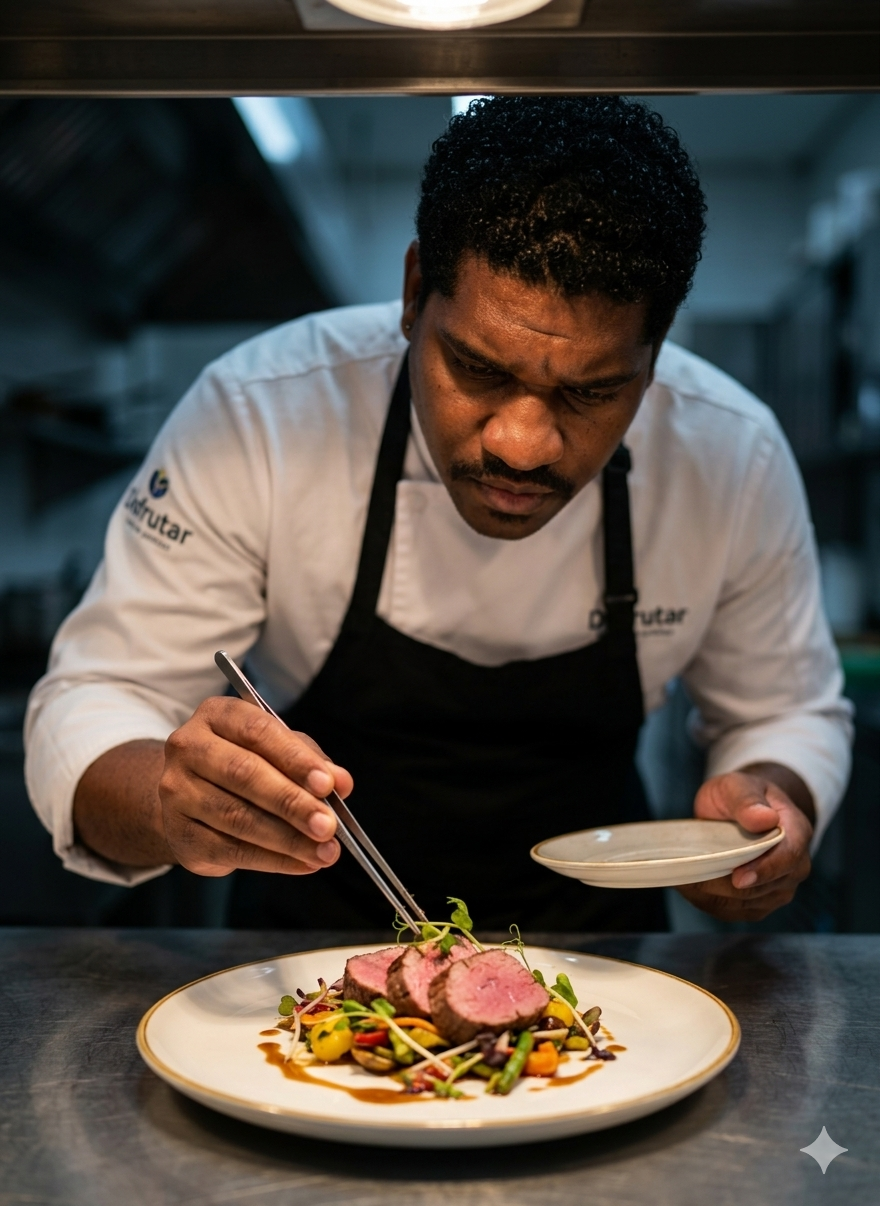
A man stylized as a professional chef.
Source-attributed Nano Banana Pro image prompt from the Awesome Nano Banana Pro Prompts repository with preview image and reuse review notes.
Questo è un esempio di prompt Nano Banana Pro per Portrait Photography . Utilizza il prompt pronto per la copia qui sotto per generare immagini simili e verifica l'attribuzione Awesome Nano Banana Pro Prompts e i diritti di utilizzo commerciale prima del riutilizzo.
Hai bisogno del set completo di prompt? Usa il Portrait Photography hub tematico per ulteriori esempi correlati oppure apri il Nano Banana Pro catalogo rapido per l'indice completo degli esempi, le strutture riutilizzabili e l'attribuzione delle fonti.
Richiesta
prompt pronto per la copia
Create an ultra realistic photo with 8k sharp details, cinematic quality, natural light, soft focus of the man in the attached photo. Copy his face and hair 100%, do not change any of the facial feature.
A man stylized as a professional chef. He is wearing a crisp, white chef's jacket and a black apron tied to his waist. There is a blurry, embroidered logo on the right chest area of the jacket (Disfrutar restaurant logo). He displays intense focus, concentration, and professionalism. His brow is slightly furrowed, and his gaze is directed downward, scrutinizing the dish. He is leaning slightly over the plate, facing the camera. He is holding a small tweezers in his right hand to delicately place a vegetable chip onto the central piece of meat. His left hand is holding a small, empty white side saucer. The scene is a professional, commercial kitchen. This is indicated by the stainless steel countertops, which are standard in such environments. The central focus is the plated gourmet dish. It features a bed of various large sizes of yellow and green vegetables, small red/purple elements, and green shoots. On the top of the vegetables, a perfectly cooked, large, sliced piece of pink beef tenderloin is placed. The dish is placed in a large, white plate, with a distinctive gold rim around the edge. A rich, dark brown sauce or jus is drizzled on the plate beneath the food. A set of silverware (a fork and knife) wrapped in a napkin is visible on the countertop in the foreground. The surface is a stainless steel professional kitchen counter. The lighting is dramatic and highly stylized, often referred to as low-key or moody lighting. The primary light source is directional, likely positioned above and slightly to the front right of the subject, creating strong highlights on his jacket and the food. The overall scene is dimly lit. The background is dark and out of focus (shallow depth of field). You can faintly see the shape of the kitchen environment receding into the darkness. The main plate and the chef's hands are positioned to occupy the lower and central areas of the frame, drawing the eye directly to the action. A very shallow depth of field is used, meaning only the chef's hands and the dish are in sharp focus, while the rest of the image is blurred (bokeh). The colors are dominated by cool blues/greens (from the steel and shadows) contrasted with the warm white of the jacket and the rich, natural colors of the food (pink meat, red/yellow vegetables). The camera is positioned slightly above the plate and eye-level to the chef who is bent over. Negative Prompt: No oil painting. No drawings. No fantasy. No anime. No cartoon. No 3D render. No soft diffused illuminating skintone.
Altri casi in questa categoria
Prioritizzazione in base a categoria, compatibilità della modalità di input, qualità e minor rischio.
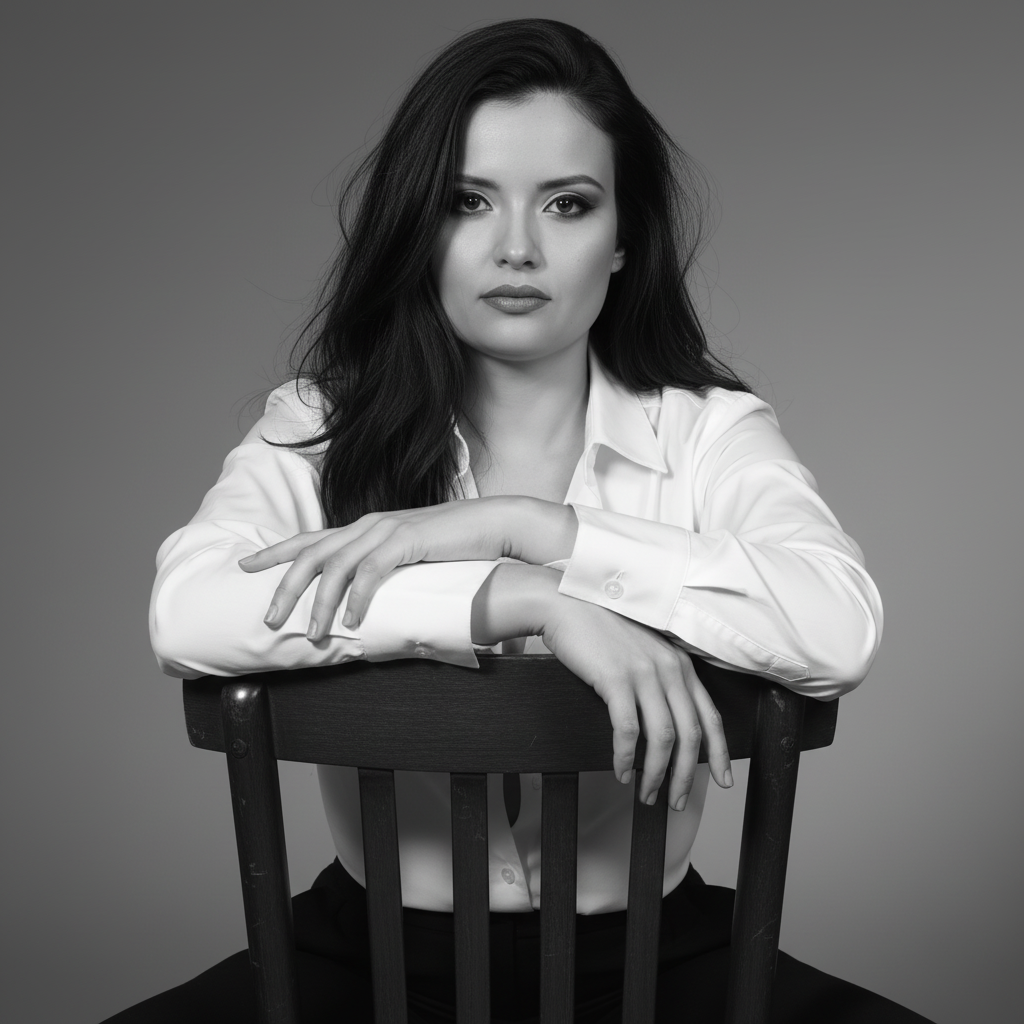
Uno sguardo intimo
Testo in immagine
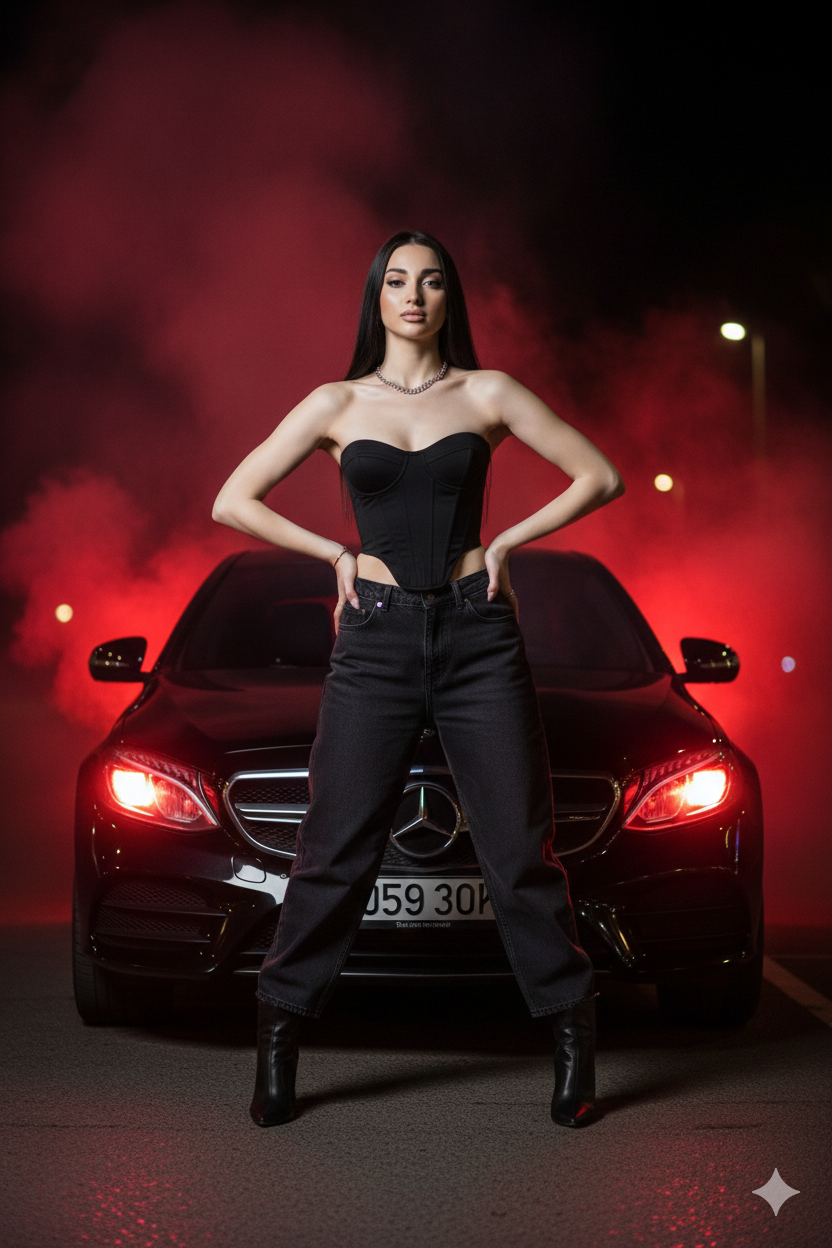
Ragazze e macchine
Testo in immagine
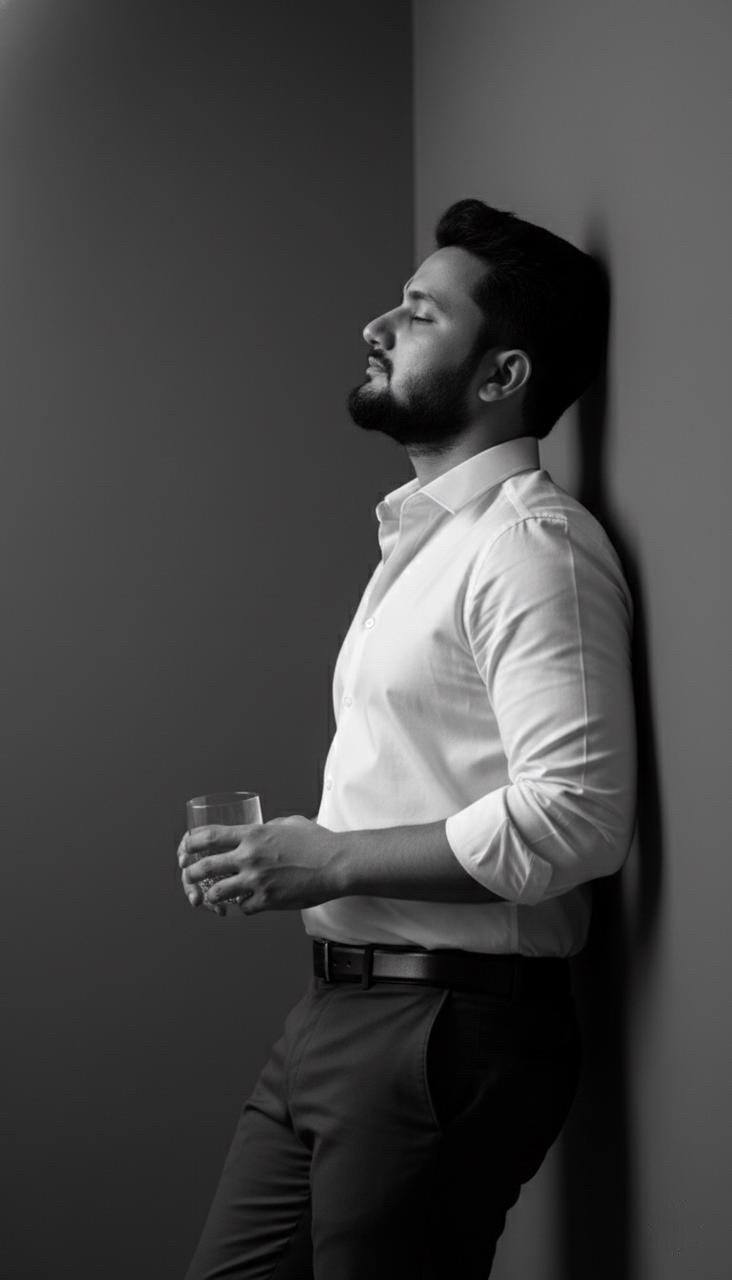
Pensiero
Testo in immagine
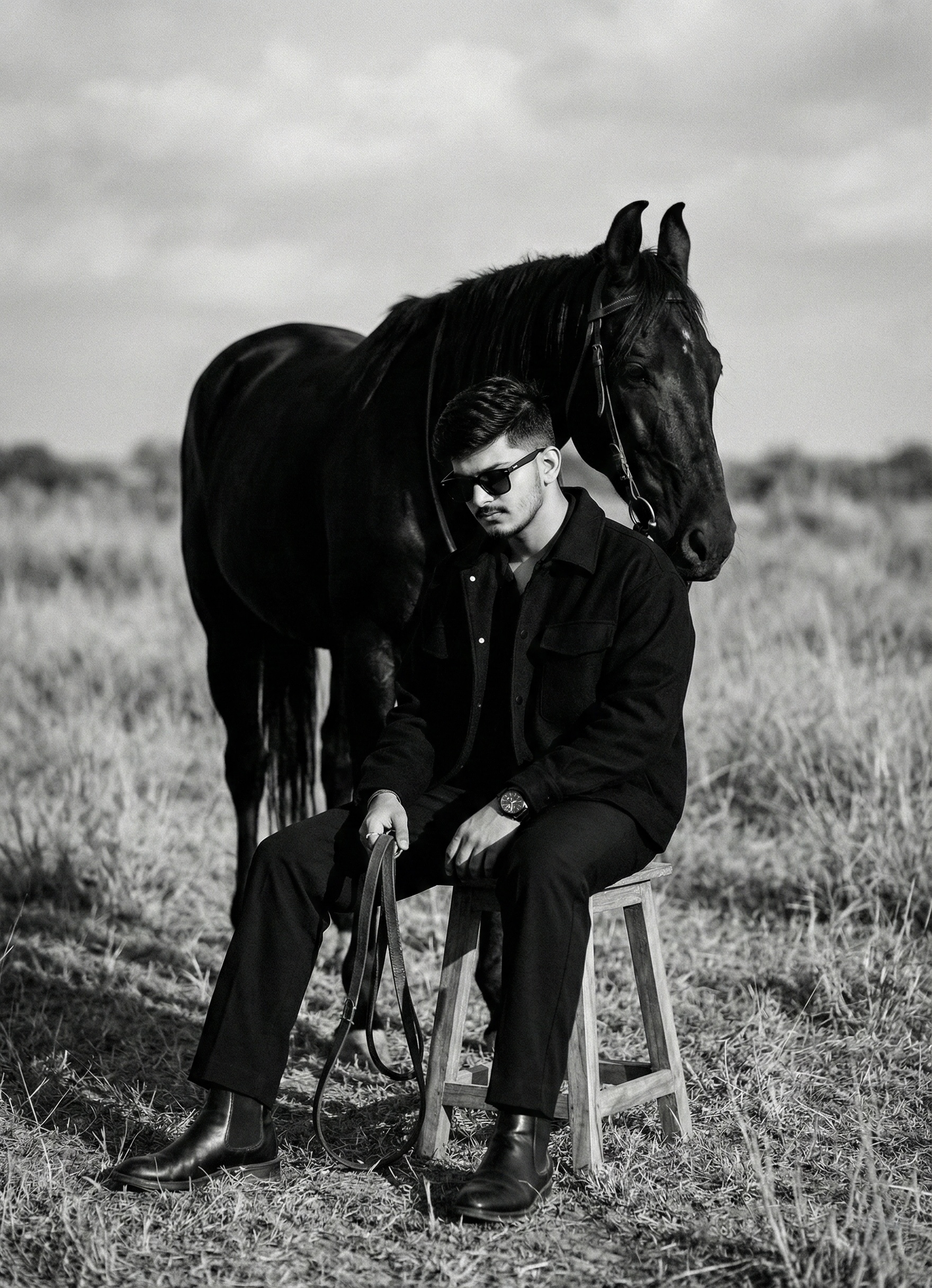
Un titolo classico e poetico che si concentra sul rapporto tra l'uomo e il cavallo.
Testo in immagine

Multiverso
Testo in immagine
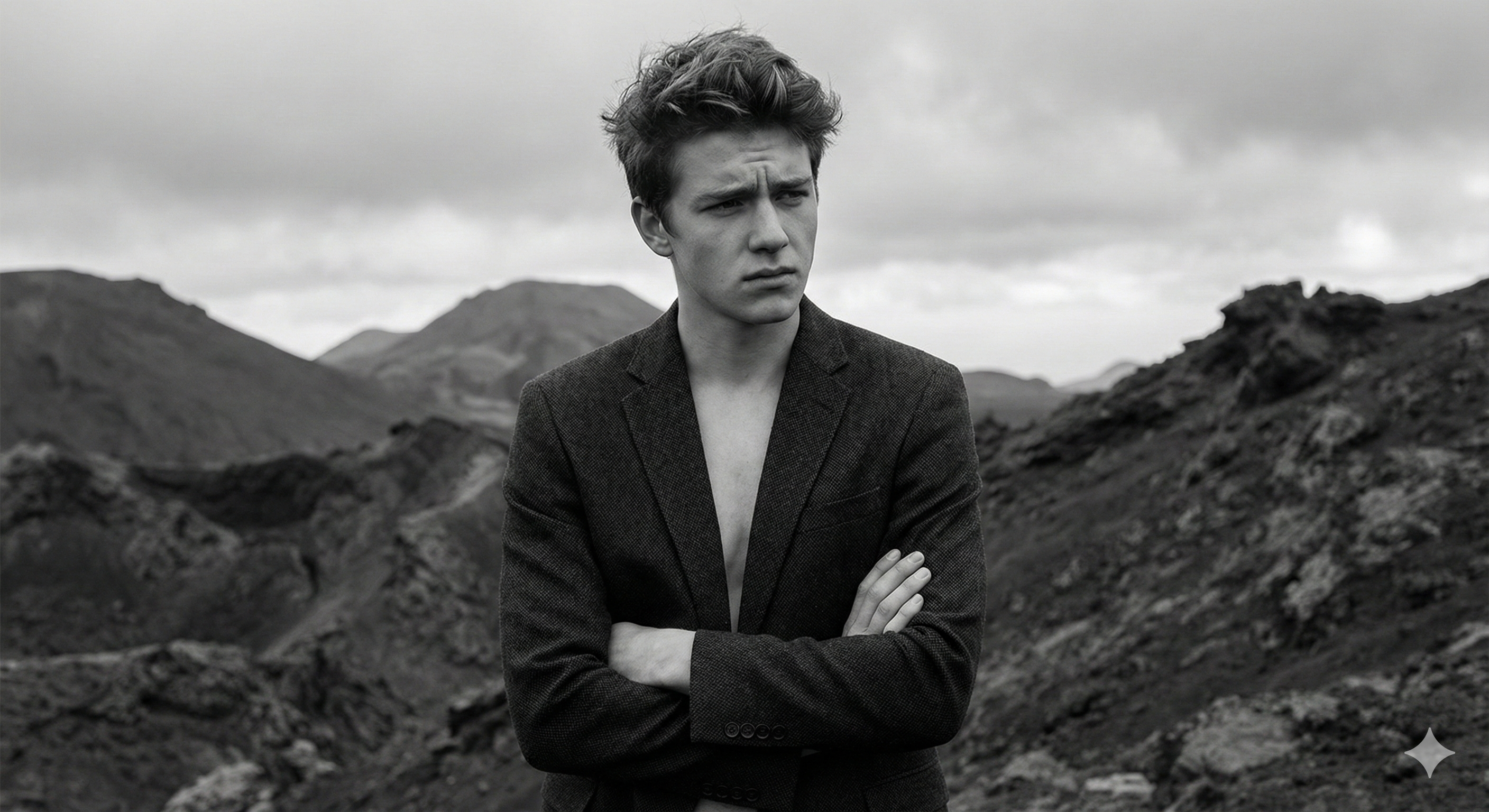
Malinconico, in bianco e nero, contemplativo, ritratto, desolato
Testo in immagine
Note sul riutilizzo e sulla fonte
Utilizza questo prompt in tutta sicurezza dopo aver visualizzato in anteprima il caso.
- 1.Copia il prompt oppure aprilo direttamente in Dovoo tramite il pulsante di generazione.
- 2.Regola le variabili, le proporzioni e le immagini di riferimento in base alle tue esigenze.
- 3.Prima della pubblicazione o dell'utilizzo a pagamento, verificare i diritti di fonte, i requisiti di attribuzione e i rischi relativi al marchio o all'immagine.