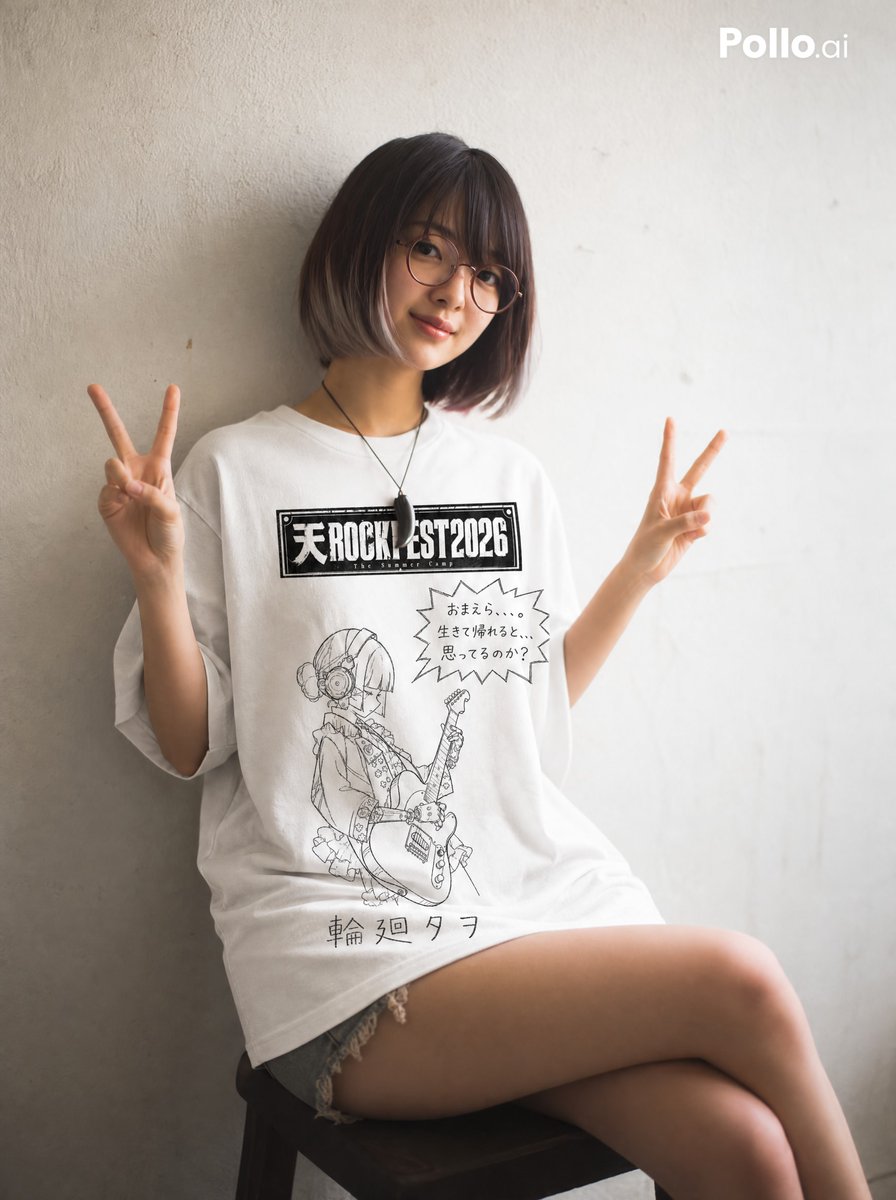
Maquette de t-shirt Yuru-kyara dessinée à la main
Un guide très détaillé pour la création d'une maquette de t-shirt, avec un style graphique rappelant un dessin au crayon tremblant. Il comprend des instructions pour le placement du logo, les bulles de dialogue et la simplification des personnages dans le style yuru-kyara.
Il s'agit d'un exemple de visuel pour la catégorie { GPT Image 2 Produit et commercial . Utilisez le visuel ci-dessous pour générer des éléments visuels similaires et vérifiez les conditions d'utilisation (attribution Awesome GPT Image 2 Prompts et droits d'utilisation commerciale) avant toute réutilisation.
Free 1K preview
Generate one preview image instantly, no sign-up required.
Prompt
invite prête à être copiée
Create a white t-shirt product mockup (flat lay, front view, plain white background).

The t-shirt design uses black line art only. No color fill. No shading. White shirt throughout.

Illustration style: hand-drawn with a soft pencil or crayon. Lines are slightly wobbly and uneven, with inconsistent pressure — some strokes faint, some darker. Outlines do not always close perfectly. The overall impression is a casual, childlike sketch — imperfect but charming. Minimal detail. No clean vector lines. No digital precision.

The t-shirt has four printed zones:

TOP CENTER: Reproduce the festival logo from the first attached image exactly as-is — do not alter the font, layout, or graphic style in any way. Place it prominently at the top center of the shirt. Make it large enough to read clearly. Do NOT apply the hand-drawn or yuru-kyara style to this logo.

TOP RIGHT: A hand-drawn jagged speech bubble (spiky, explosive edges — like a shouting manga effect), slightly smaller than the character illustration. Inside the bubble, write "{argument name="dialogue" default="[Insert dialogue here]"}" in clumsy, uneven hand-lettered characters. The bubble and text should feel comic and energetic.

MIDDLE: Redraw the character from the attached image in a loose, casual, yuru-kyara style — simplified, childlike, charmingly imperfect. Use the attached image as the sole reference for pose, expression, and content. Draw the character smaller — occupying no more than 40% of the shirt's height. Leave generous white space around the figure. The speech bubble may overlap with the top portion of the character illustration. Do not shrink the character to avoid overlap.

BOTTOM: The artist name "{argument name="artist name" default="[Insert artist name here]"}" hand-lettered in uneven, shaky characters — as if written slowly and clumsily by hand with a pencil.

Keep all elements well-spaced and balanced. Clean, minimal, no background decoration.
Variables d'invite
Espaces réservés aux arguments modifiables présents dans l'invite, avec leurs valeurs par défaut.
Best for
- - Produit et commercial visual exploration
- - Image generation and reference-image edits
- - Reusable briefs that keep source attribution visible
Change these parts
- - Subject, product, character, or scene
- - Aspect ratio, camera, lighting, and background
- - Brand, text, color, and output constraints
Recommended model and settings
- - Model: gpt-image-2
- - Input mode: Texte vers image
- - Aspect ratio: source
- - Commercial status: review original source
How to use this prompt
- 1. Copy the prompt and preserve its structure for the first test.
- 2. Replace the subject, context, and publishing channel.
- 3. Change one camera, lighting, or style variable per iteration.
- 4. Inspect the output, source, text, and rights before reuse.
Limitations, source, and reuse cautions
- - Generated output is an editable draft, not factual, legal, or rights evidence.
- - Review the linked source, people, brands, logos, text, and third-party media before commercial use.
Plus de cas dans cette catégorie
Priorisé par catégorie, compatibilité du mode d'entrée, qualité et risque moindre.
Réutilisation et notes de source
Utilisez cette invite en toute sécurité après avoir prévisualisé le dossier.
- 1.Copiez l'invite ou ouvrez-la directement dans Dovoo avec le bouton de génération.
- 2.Ajustez les variables, le format d'image et les images de référence en fonction de votre cas d'utilisation.
- 3.Avant toute publication ou utilisation payante, vérifiez les droits d'auteur, les exigences d'attribution et les risques liés à la marque ou à l'image.