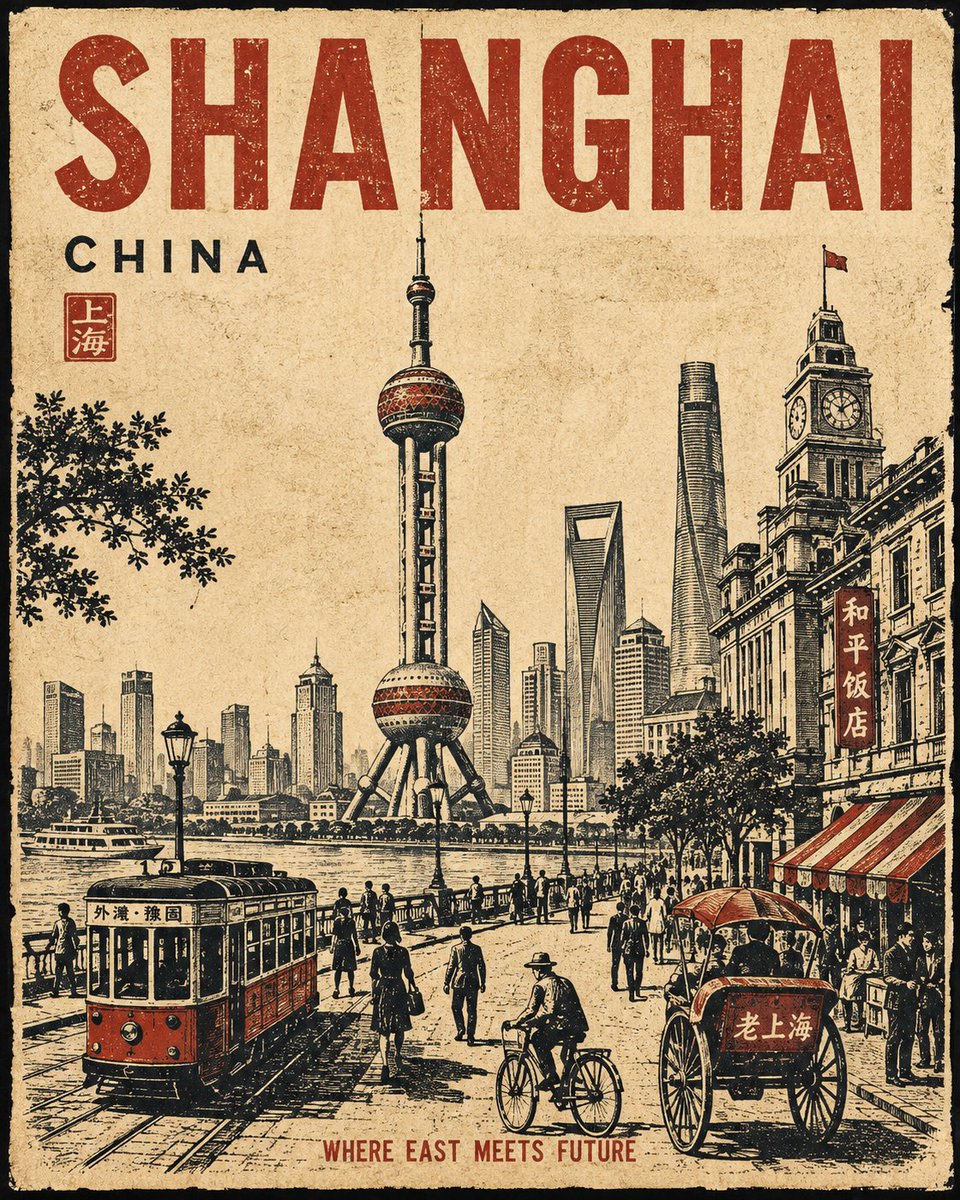
Vintage Travel Poster Series Generator
A detailed system for generating consistent, high-quality vintage linocut travel posters for any city, maintaining strict composition and layout rules.
Este es un ejemplo GPT Image 2 para Diseño gráfico y carteles . Utilice la plantilla lista para copiar que aparece a continuación para generar imágenes similares y revise la atribución de Awesome GPT Image 2 Prompts y los derechos de uso comercial antes de reutilizarla.
¿Necesitas el conjunto completo de indicaciones? Usa el Diseño gráfico y carteles centro de temas para ver más ejemplos relacionados, o abra el GPT Image 2 catálogo de avisos Para ver el índice completo de ejemplos, las estructuras reutilizables y la atribución de fuentes.
Free 1K preview
Generate one preview image instantly, no sign-up required.
3253/4000
Prompt
Mensaje listo para copiar
Create a premium 4:5 vertical vintage travel poster for {argument name="city" default="[CITY]"}, {argument name="country" default="[COUNTRY]"}. Follow the same visual structure, composition, proportions, and artistic treatment in every generation. The result must feel like part of one consistent collectible poster series.

FIXED COMPOSITION
Use a single unified street-level scene, not a collage. Place one dominant central architectural or cultural subject as the visual anchor, occupying approximately 50–60% of the central image area. Integrate 2–4 recognizable {argument name="city" default="[CITY]"} landmarks or architectural details naturally into the same environment, with clear foreground, middle-ground, and background depth. Never make landmarks appear as floating objects or separate illustrations.

Add subtle authentic city-life elements around the main subject: characteristic transportation, streets, buildings, cafés, shops, signs, pedestrians, cyclists, local objects, food, trees, and surrounding landscape. Only include details that genuinely belong to {argument name="city" default="[CITY]"}.

FIXED LAYOUT
Keep generous negative space around the main subject. Maintain a strong visual hierarchy:
CITY NAME → MAIN SUBJECT → SUPPORTING CITY DETAILS → SMALL SECONDARY TEXT.
Do not change the overall placement or scale relationship between these elements between generations.

FIXED MATERIAL & COLOR
Use an aged warm-ivory paper background with visible fibers, subtle stains, faded areas, rough edges, and authentic printed-paper texture. Use only three dominant colors: warm ivory, charcoal/black, and one signature accent color associated with {argument name="city" default="[CITY]"}. The accent color must remain selective and never dominate the entire image.

FIXED ART STYLE
Handmade vintage linocut + screen-print travel poster. Bold carved shapes, strong silhouettes, limited-color printing, rough ink texture, distressed halftone grain, slight ink misregistration, imperfect hand-cut edges, subtle fading, expressive perspective, and sophisticated editorial composition. Keep the artwork intentionally tactile and slightly imperfect.

TYPOGRAPHY
Integrate {argument name="city" default="[CITY]"} as large, bold, hand-printed typography in a consistent prominent position. Add {argument name="city phrase" default="[SHORT CITY PHRASE]"} as smaller secondary text. Typography must look physically printed into the artwork—slightly distressed, imperfect, and naturally integrated. Keep the wording exactly as provided; do not invent additional text.

CITY IDENTITY
The composition must immediately communicate {argument name="city" default="[CITY]"} through its architecture, street atmosphere, transportation, objects, landscape, and cultural details—not merely through famous landmarks. Select details that naturally coexist in one believable scene.

DO NOT
Do not use photorealism, glossy 3D rendering, gradients, excessive colors, modern digital effects, random landmarks, floating objects, tourist-collage layouts, excessive text, or ultra-clean vector graphics. Do not change the established composition, palette, typography hierarchy, or artistic style.

FINAL GOAL
A bold, sophisticated, culturally authentic vintage c
Variables de solicitud
Marcadores de posición de argumentos editables que se encuentran en la solicitud, con sus valores predeterminados.
Variable
city
Por defecto
[CITY]
Variable
country
Por defecto
[COUNTRY]
Variable
city phrase
Por defecto
[SHORT CITY PHRASE]
Best for
- - Diseño gráfico y carteles visual exploration
- - Image generation and reference-image edits
- - Reusable briefs that keep source attribution visible
Change these parts
- - Subject, product, character, or scene
- - Aspect ratio, camera, lighting, and background
- - Brand, text, color, and output constraints
Recommended model and settings
- - Model: gpt-image-2
- - Input mode: Texto a imagen
- - Aspect ratio: source
- - Commercial status: review original source
How to use this prompt
- 1. Copy the prompt and preserve its structure for the first test.
- 2. Replace the subject, context, and publishing channel.
- 3. Change one camera, lighting, or style variable per iteration.
- 4. Inspect the output, source, text, and rights before reuse.
Limitations, source, and reuse cautions
- - Generated output is an editable draft, not factual, legal, or rights evidence.
- - Review the linked source, people, brands, logos, text, and third-party media before commercial use.
Importado de Awesome GPT Image 2 Prompts . Se requiere atribución. El estado de uso comercial es allowed ; revise los derechos de la fuente antes de su uso comercial.
Más casos en esta categoría
Priorizados por categoría, compatibilidad con el modo de entrada, calidad y menor riesgo.
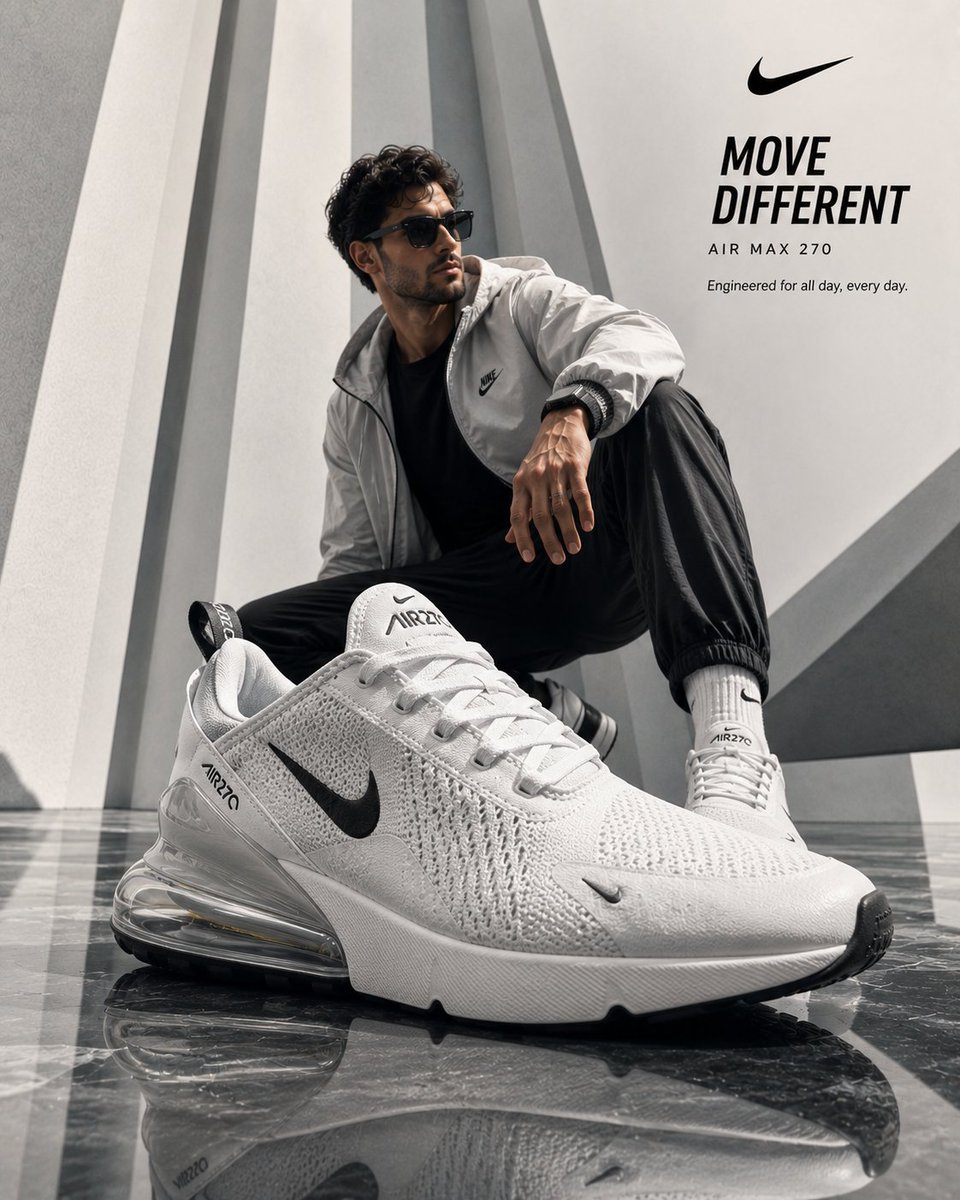
Luxury Brand Campaign Prompt Template
Texto a imagen
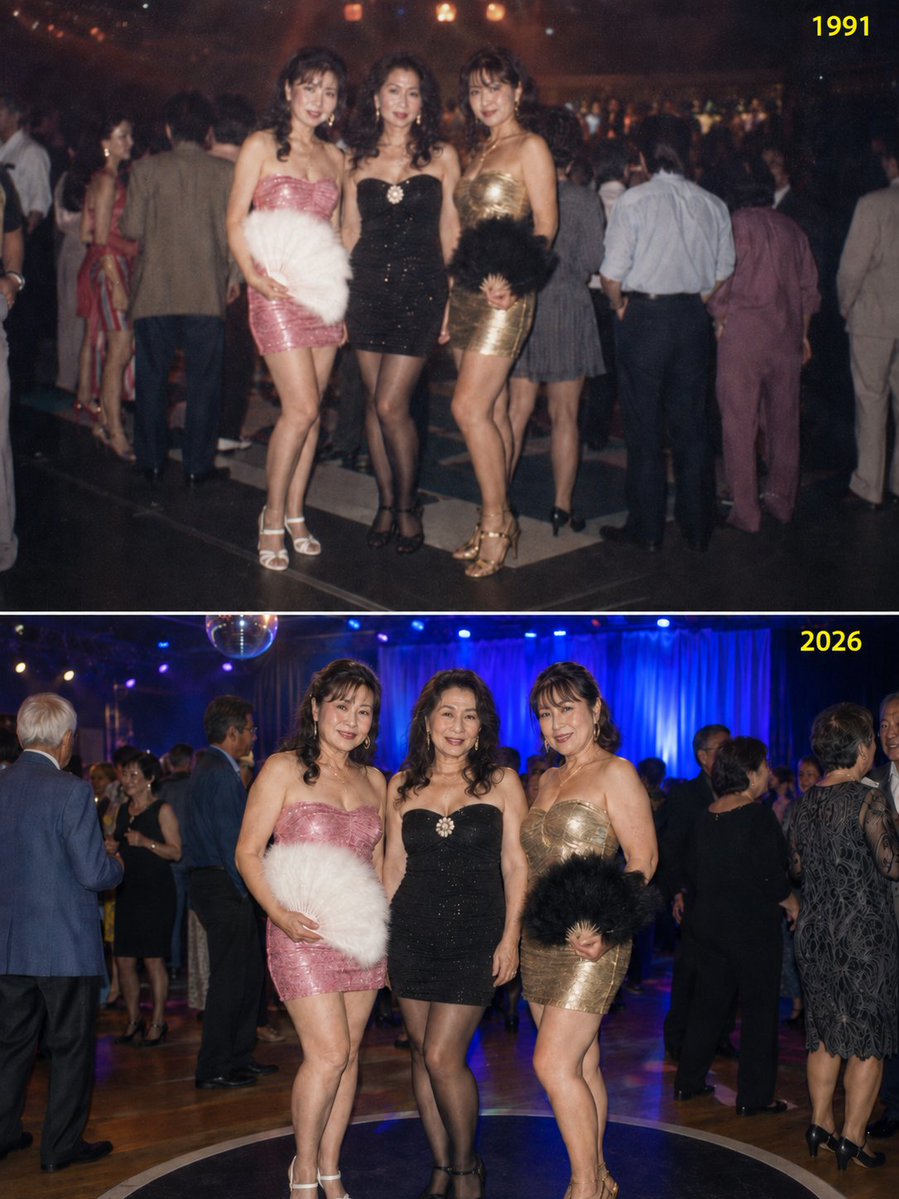
Disco Friends Reunion Comparison
Texto a imagen
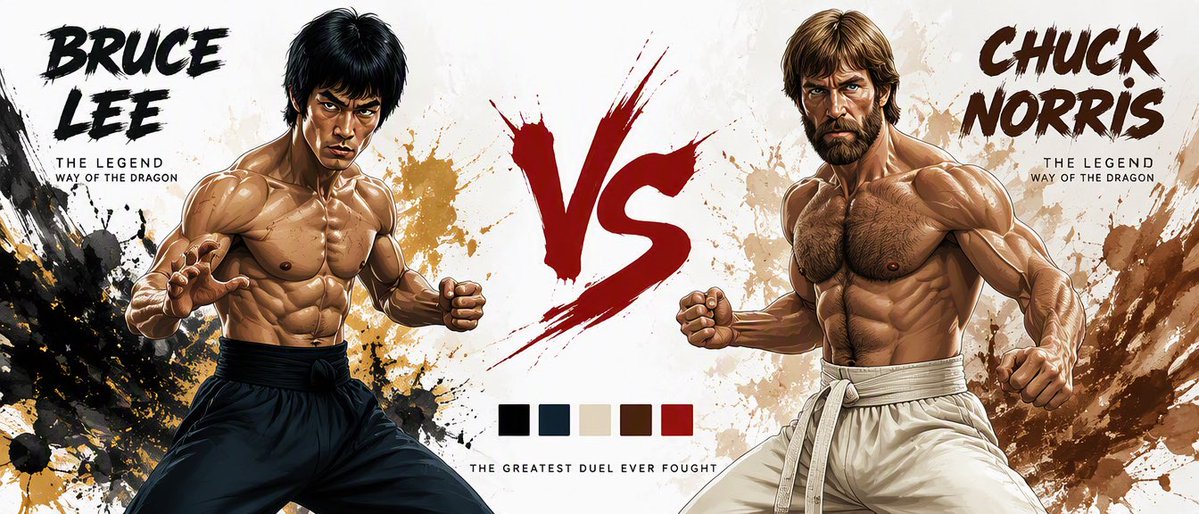
Martial Arts Legend Character Bible Sheet
Texto a imagen
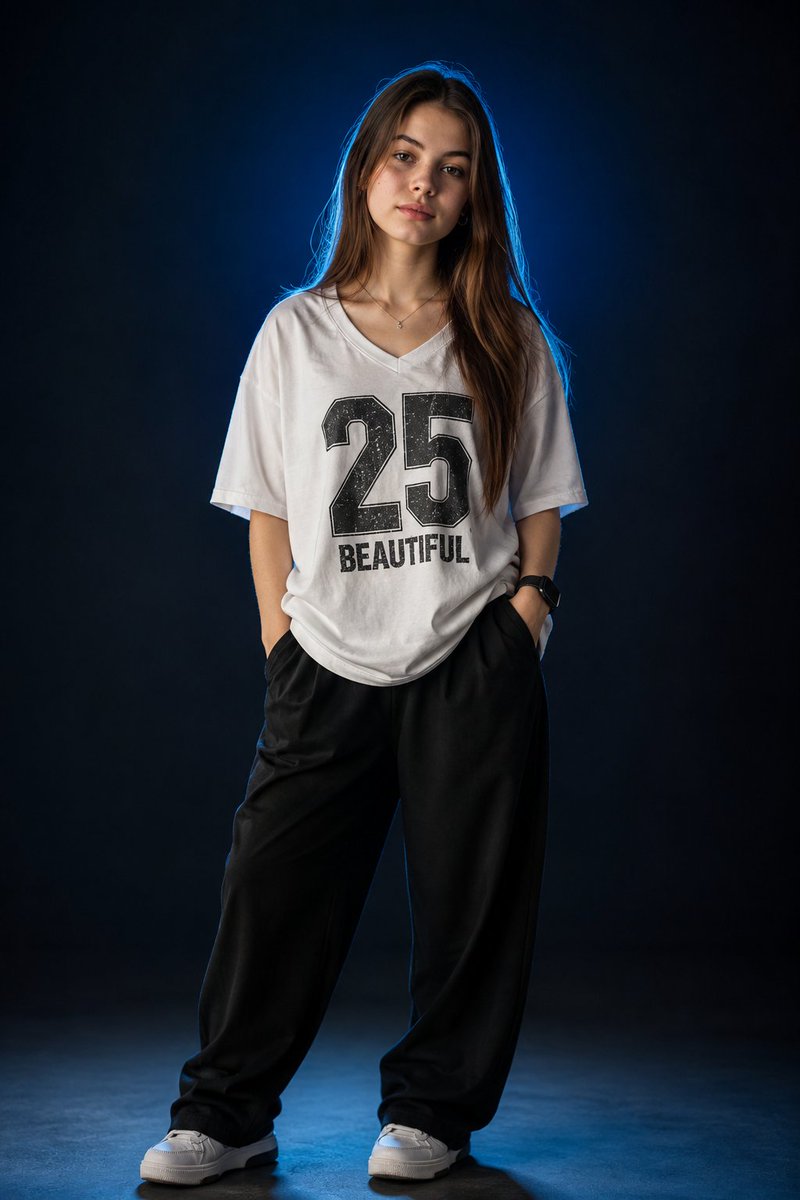
Fashion Studio Portrait with Blue Rim Lighting
Texto a imagen
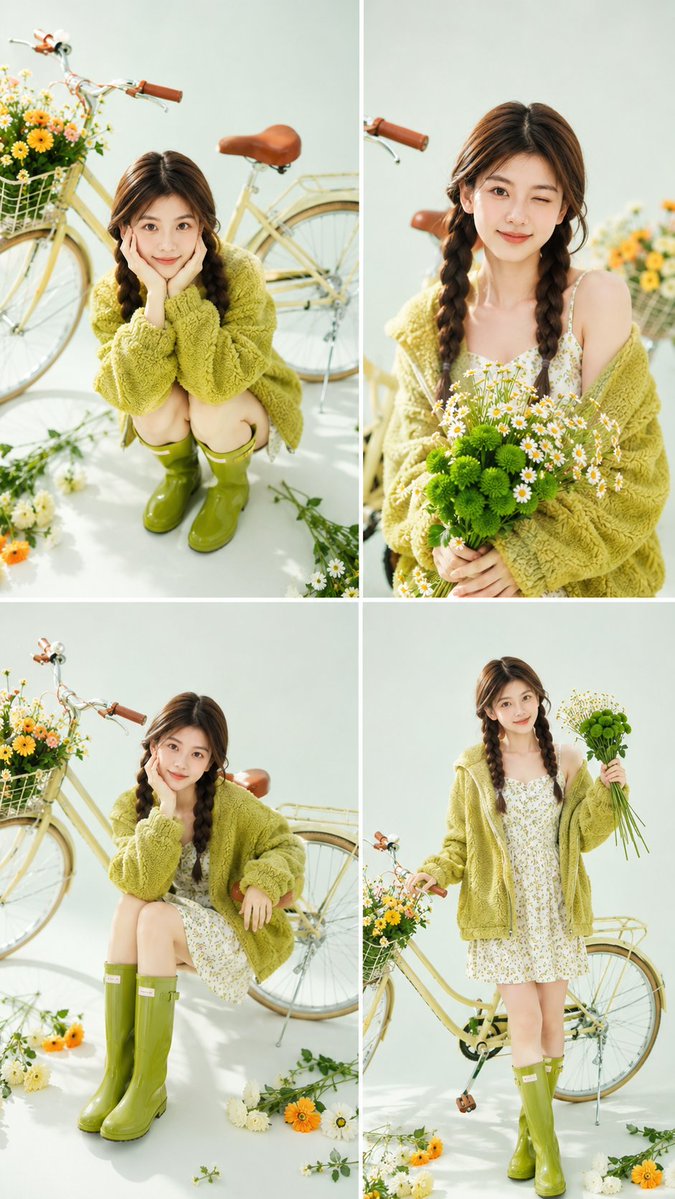
Spring Editorial Fashion Collage
Texto a imagen
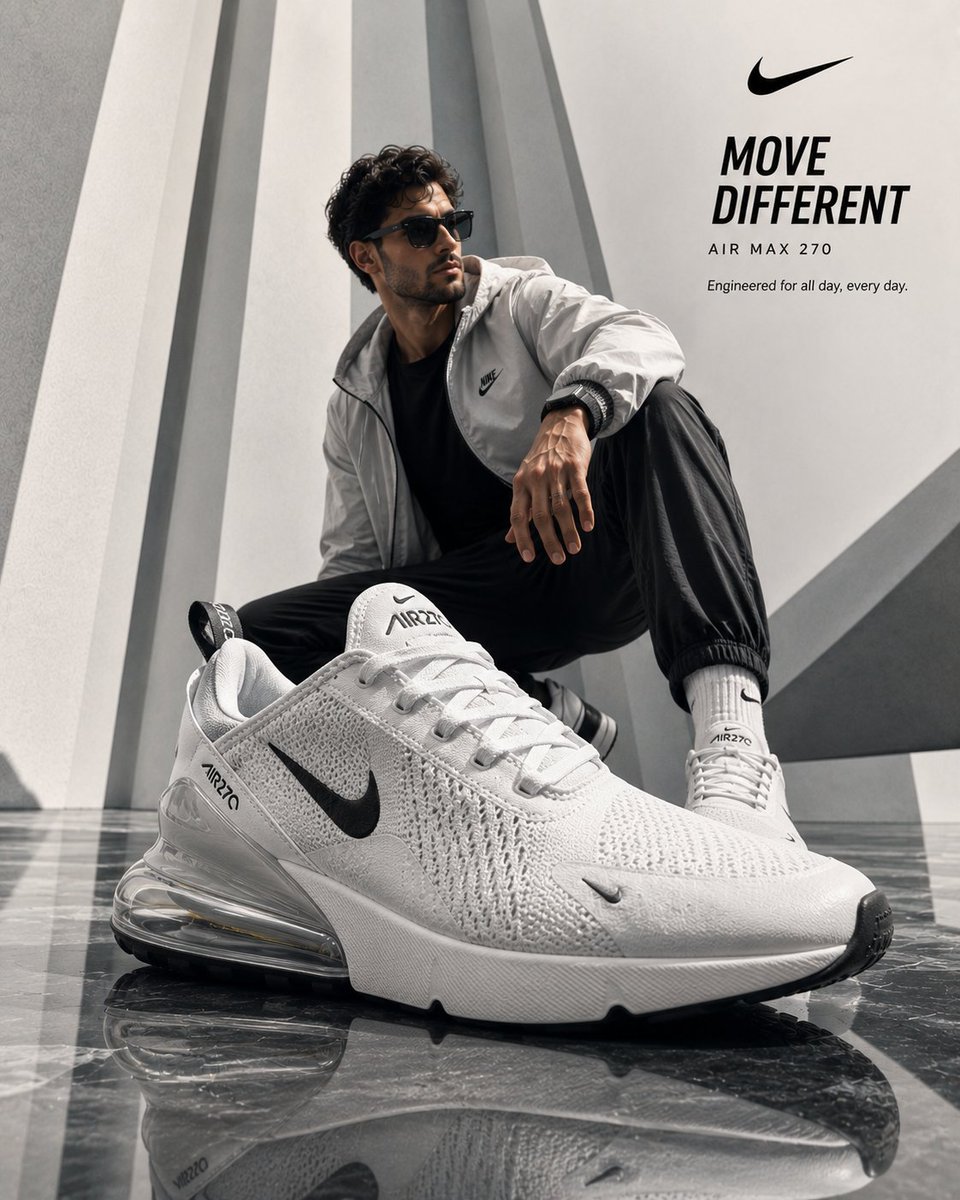
Luxury Product Ad Campaign Template
Texto a imagen
Notas sobre la reutilización y la fuente
Utilice esta opción de forma segura después de previsualizar el caso.
- 1.Copia la solicitud o ábrela directamente en Dovoo con el botón de generación.
- 2.Ajusta las variables, la relación de aspecto y las imágenes de referencia según tus necesidades.
- 3.Antes de publicar o utilizar el servicio de forma remunerada, verifique los derechos de autor, los requisitos de atribución y los riesgos relacionados con la marca o la imagen de la persona.