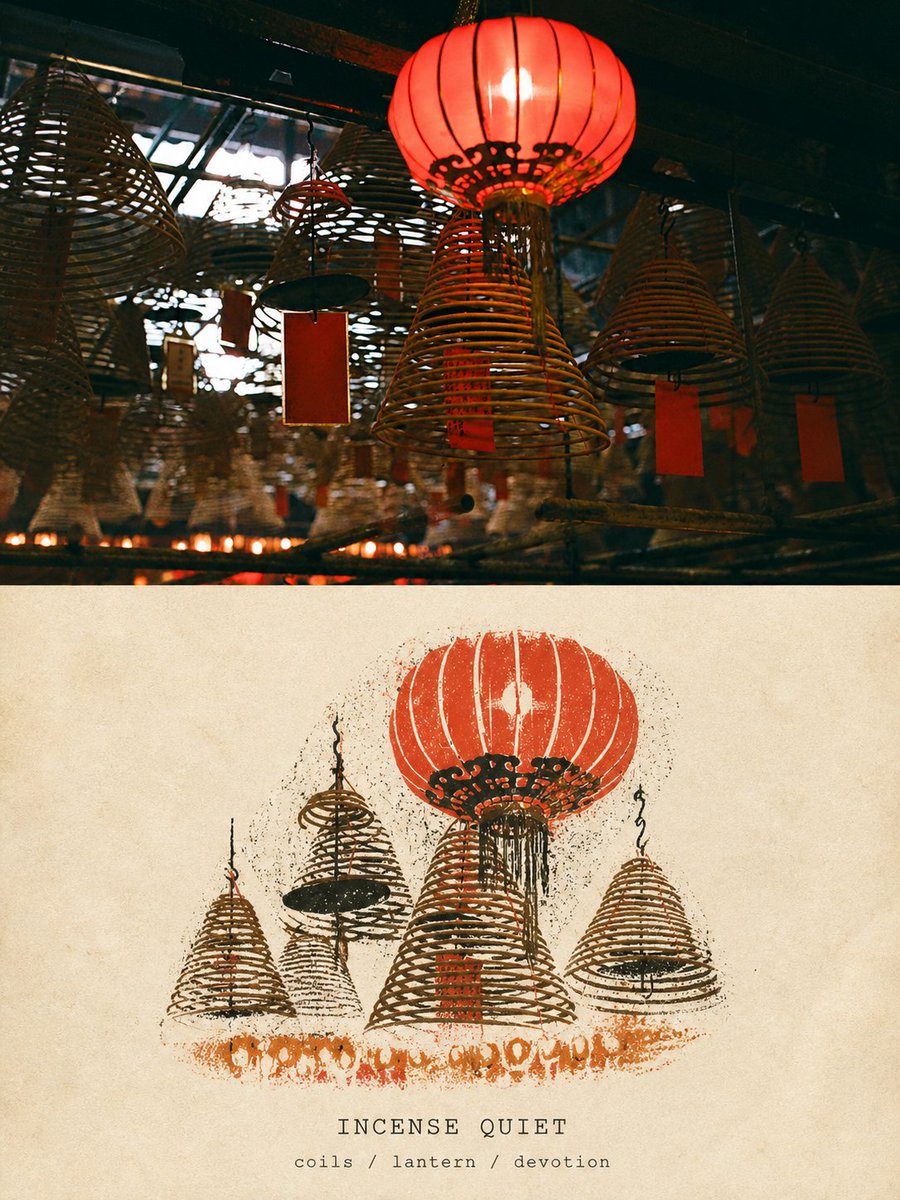
Travel Relief Print Poster
A design-centric prompt that splits a poster into a high-fidelity photo and a matching limited-color relief print version of the same travel scene.
Este es un ejemplo GPT Image 2 para Diseño gráfico y carteles . Utilice la plantilla lista para copiar que aparece a continuación para generar imágenes similares y revise la atribución de Awesome GPT Image 2 Prompts y los derechos de uso comercial antes de reutilizarla.
¿Necesitas el conjunto completo de indicaciones? Usa el Diseño gráfico y carteles centro de temas para ver más ejemplos relacionados, o abra el GPT Image 2 catálogo de avisos Para ver el índice completo de ejemplos, las estructuras reutilizables y la atribución de fuentes.
Free 1K preview
Generate one preview image instantly, no sign-up required.
Free text preview doesn’t preserve reference-image consistency.
3724/4000
Prompt
Mensaje listo para copiar
Please use the currently uploaded photo as the sole reference to create a complete, independent, high-end travel design poster in a single image editing generation. Do not add other reference photos, do not use multi-image stitching, grids, or generate poster mockups. Output only the front side of the poster itself. I. Overall Layout: Use an exact 3:4 vertical composition. The frame is divided into two horizontal areas of nearly 1:1 height, each occupying about 50% of the total. The boundary is clear, horizontal, and restrained; do not allow the content of the upper and lower sections to encroach on each other. The upper part is a high-fidelity real photography area. The lower part is a limited-color 'TRAVEL RELIEF PRINT' area based on the same photo. Both must represent the same location, subject, and travel memory. II. Upper Part: High-Fidelity Retention of Original Photo. The upper part must faithfully preserve the uploaded original photo. Accurately maintain: - Subject identity and quantity - Posture, movement, and direction of people or animals - Architectural structure, terrain, and street orientation - Vehicles and core objects - Original observation angle and spatial perspective - Relative positions of important objects - Real materials - Natural lighting and shadows - Original color atmosphere. The upper part must clearly look like a real photograph and cannot become a relief print, illustration, painting, or AI-reconstructed photo. Only very slight, restrained high-end photography color grading, dynamic range adjustment, and ultra-thin film grain are allowed to give the photo the texture of an independent travel magazine, architectural photography, art publication, or photography exhibition. To adapt to the upper area, the sky, ground, or surrounding environment can be naturally extended, but the extended content must match the original photo's perspective, texture, light, and spatial direction. Do not stretch, squeeze, distort, mirror, duplicate subjects, change people, move objects, reshape buildings, replace the sky, or use blurred photo copies to fill edges. If natural extension is unreasonable, prefer using clean ivory paper margins consistent with the entire poster rather than damaging the original photo. III. Lower Part: TRAVEL RELIEF PRINT. The lower part uses a warm cream or ivory natural relief print paper background. The paper should have: visible paper grain, subtle paper fibers, slightly rough matte surface, warm archival paper, natural pigment absorption. Select the most recognizable subject or a scene that represents the photo's meaning from the upper photo and remake it into an independent 'travel relief print mark' floating on the paper. Retain identifying features: - Subject's outer contour - Posture or direction of movement - Main light and shadow divisions - Perspective direction - Key structures - Texture and rhythm - Signature colors - Most important spatial relationships. Actively delete: - Complex backgrounds - Repetitive architectural structures - Numerous windows - Dense crowds - Irrelevant vehicles - Tiny signs - Miscellaneous items - Fine textures - Secondary objects - Text that cannot be accurately generated. The lower part must exhibit: Relief print texture, woodcut style, linocut aesthetics, ink stamp texture, hand-pressed feel, slightly irregular edges, high-contrast, bold blocks of color, artisanal craftsmanship, screen print overlap. The background color of the entire screen should be uniform, without strong plastic reflections. Prohibited: Any modern UI, text, or typography elements (such as titles, dates, coordinates, prices, logos, etc.). Keep the poster absolutely pure, retaining only the visual image itself.
Best for
- - Diseño gráfico y carteles visual exploration
- - Image generation and reference-image edits
- - Reusable briefs that keep source attribution visible
Change these parts
- - Subject, product, character, or scene
- - Aspect ratio, camera, lighting, and background
- - Brand, text, color, and output constraints
Recommended model and settings
- - Model: gpt-image-2
- - Input mode: Imagen a imagen
- - Aspect ratio: source
- - Commercial status: review original source
How to use this prompt
- 1. Copy the prompt and preserve its structure for the first test.
- 2. Replace the subject, context, and publishing channel.
- 3. Change one camera, lighting, or style variable per iteration.
- 4. Inspect the output, source, text, and rights before reuse.
Limitations, source, and reuse cautions
- - Generated output is an editable draft, not factual, legal, or rights evidence.
- - Review the linked source, people, brands, logos, text, and third-party media before commercial use.
Importado de Awesome GPT Image 2 Prompts . Se requiere atribución. El estado de uso comercial es allowed ; revise los derechos de la fuente antes de su uso comercial.
Más casos en esta categoría
Priorizados por categoría, compatibilidad con el modo de entrada, calidad y menor riesgo.
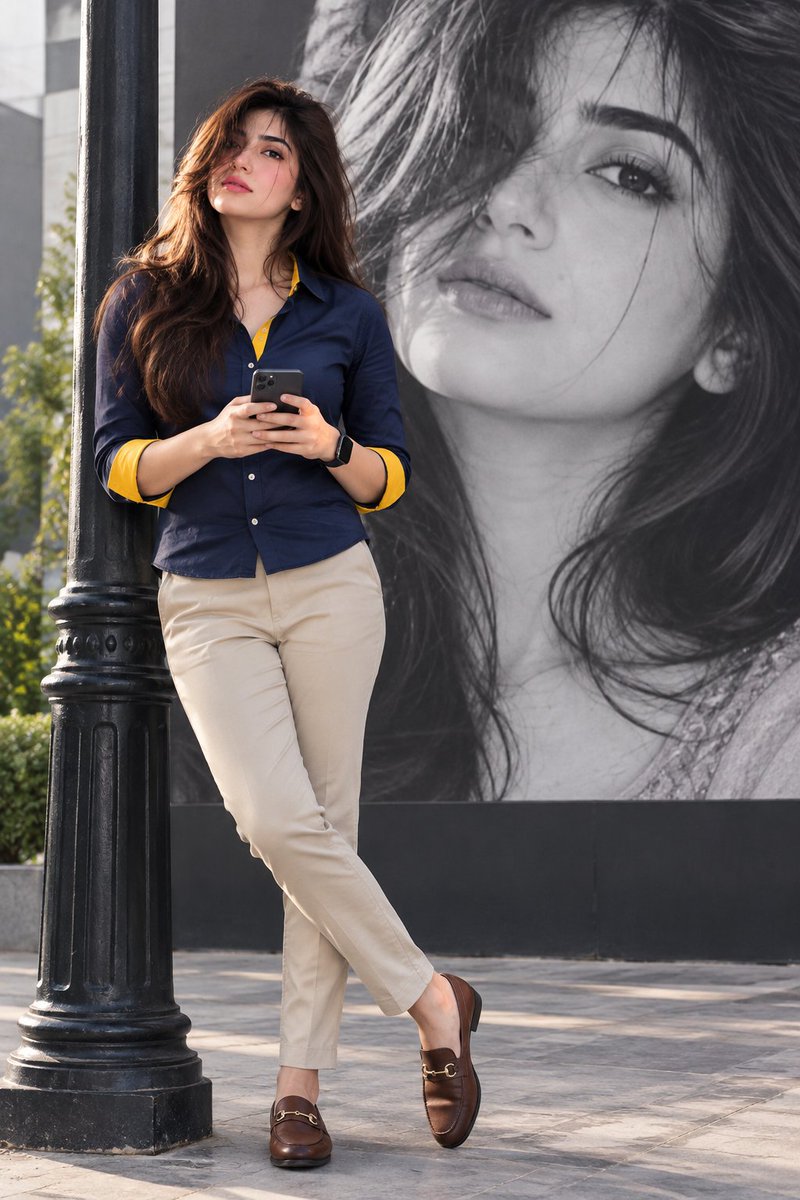
Stylish Man Street Lamp Portrait
Imagen a imagen
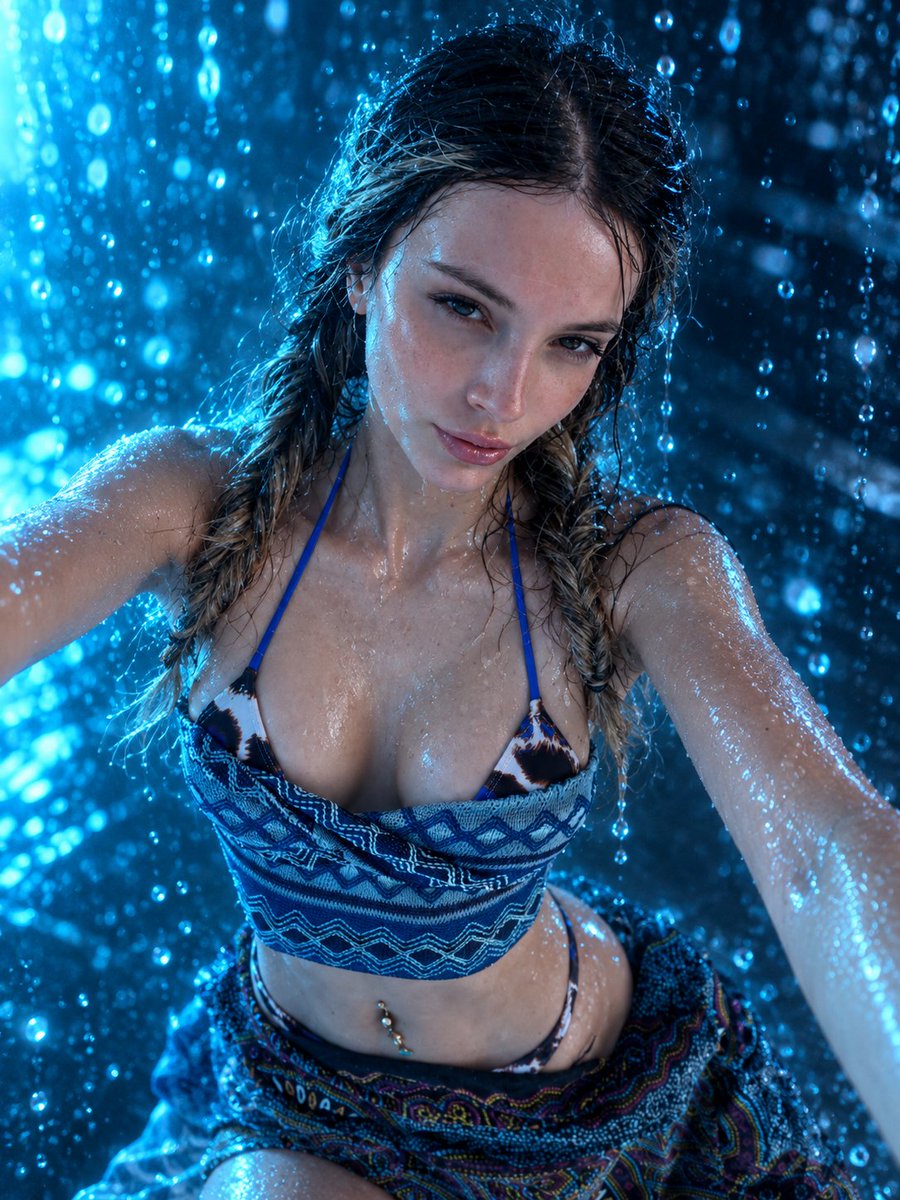
Sci-Fi Cyan Lighting Effect
Imagen a imagen
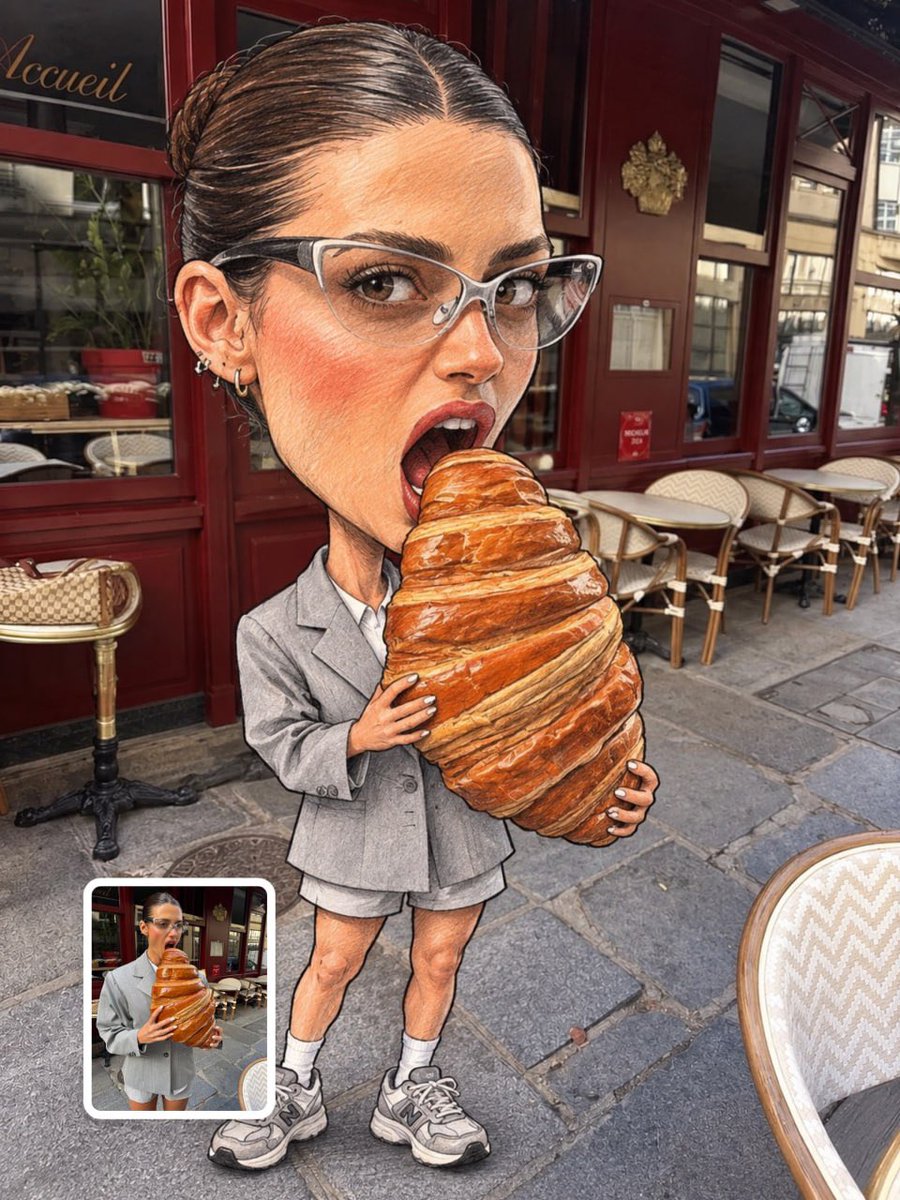
Oversized Head Cartoon Caricature Prompt
Imagen a imagenRiesgo medio
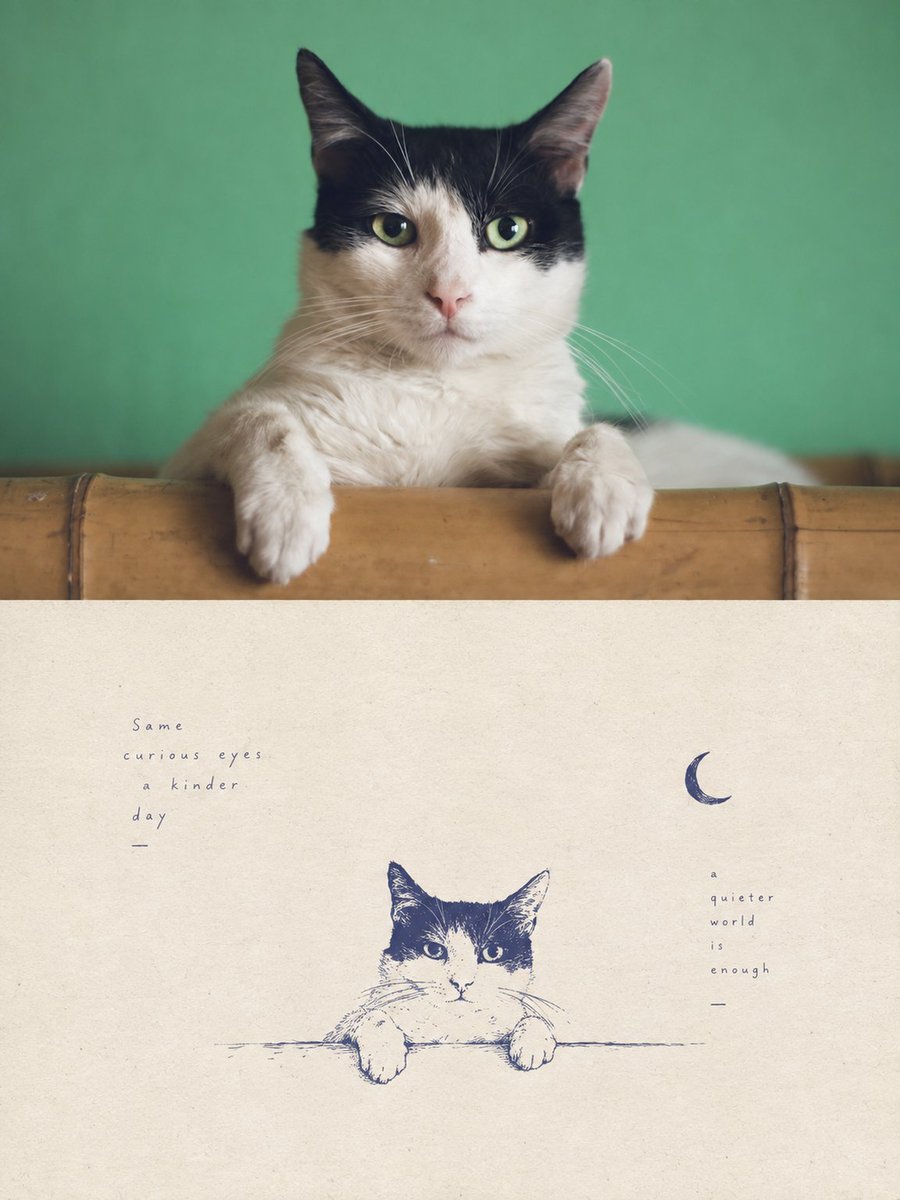
Tuxedo Cat Photo and Line Art Diptych
Texto a imagen
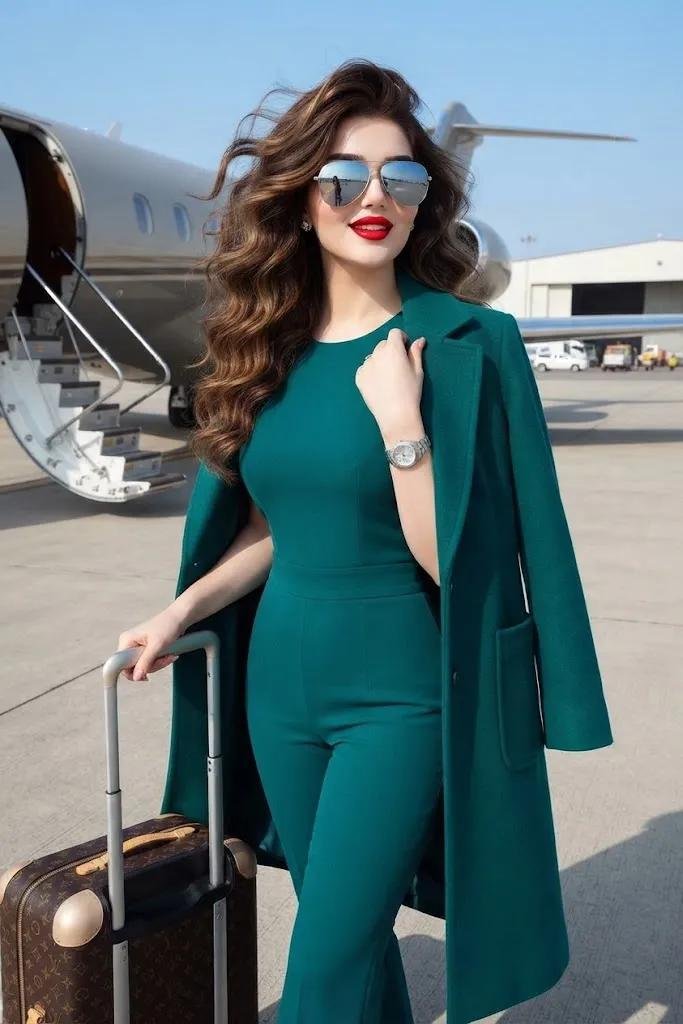
Luxury Travel Fashion Portrait Prompt
Texto a imagen
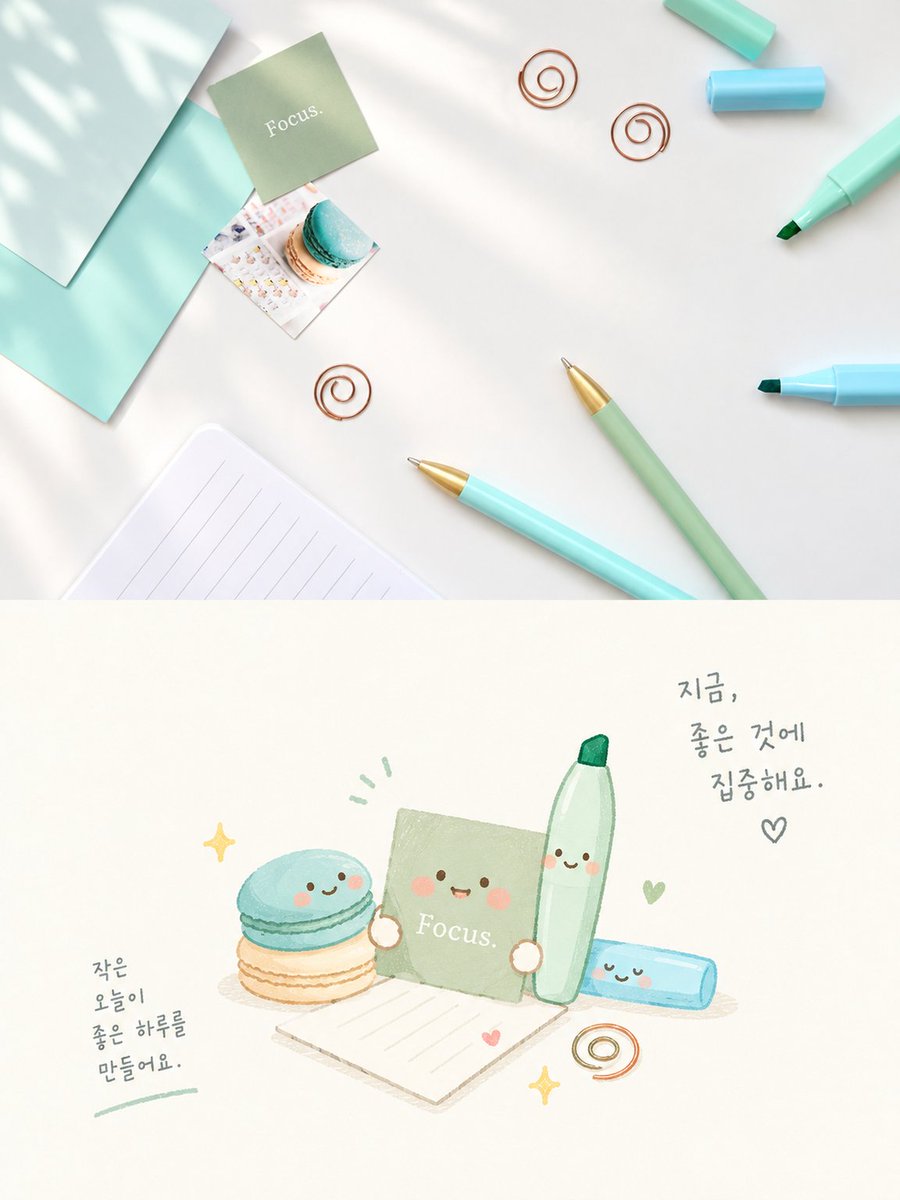
Cute Focus Desk Flat Lay and Kawaii Illustration
Texto a imagen
Notas sobre la reutilización y la fuente
Utilice esta opción de forma segura después de previsualizar el caso.
- 1.Copia la solicitud o ábrela directamente en Dovoo con el botón de generación.
- 2.Ajusta las variables, la relación de aspecto y las imágenes de referencia según tus necesidades.
- 3.Antes de publicar o utilizar el servicio de forma remunerada, verifique los derechos de autor, los requisitos de atribución y los riesgos relacionados con la marca o la imagen de la persona.