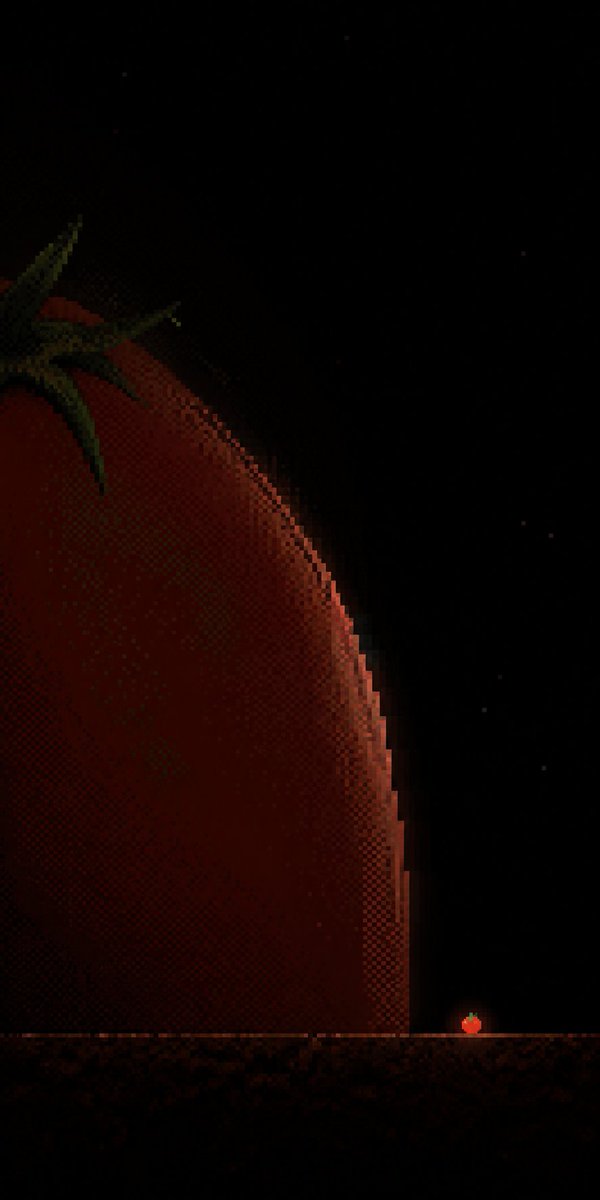
Tiny Tomato in Dark Pixel Void
Generates a vertical minimalist pixel-art poster with a huge cropped tomato and a tiny glowing tomato focal point for atmospheric visual storytelling.
Dies ist ein GPT Image 2 -Prompt für Illustration & Kunst . Verwenden Sie den unten stehenden, kopierfertigen Prompt, um ähnliche Grafiken zu erstellen, und überprüfen Sie vor der Wiederverwendung Awesome GPT Image 2 Prompts -Quellenangaben sowie die kommerziellen Nutzungsrechte.
Benötigen Sie den vollständigen Prompt-Satz? Verwenden Sie den Illustration & Kunst Weitere verwandte Beispiele finden Sie im Themen-Hub oder öffnen Sie die GPT Image 2 Prompt-Katalog für das vollständige Beispielverzeichnis, wiederverwendbare Strukturen und Quellenangaben.
Free 1K preview
Generate one preview image instantly, no sign-up required.
1398/4000
Eingabeaufforderung
Kopierfertige Eingabeaufforderung
Create a vertical 9:16 minimalist pixel-art poster about {argument name="subject" default="a tomato"} in a near-black void. The canvas is mostly empty black space with extremely low brightness and a quiet cinematic mood. On the far left, show one enormous cropped tomato form entering from the edge, only its right curved rim visible as a huge dark red arc occupying the lower-left half of the frame; its body is rendered with coarse dithering, muted crimson and brown shadows, and a thin warm orange rim light along the edge. At the upper-left corner of the giant fruit, include exactly 5 dark green pointed calyx leaves, partially cropped and barely lit. Near the bottom, place one thin horizontal ground ledge or platform line spanning the full width, colored dim rusty brown with pixel noise. Just above this line near the lower-right area, place one tiny glowing tomato icon as the core focal point, with a red-orange body, a small green top, and a soft warm halo, emphasizing the scale difference between the tiny signal and the massive cropped structure. Include exactly 8 faint star-like pixel specks scattered in the black background, all very subtle. Use {argument name="color palette" default="near-black, deep crimson, burnt orange, dark olive green"}, retro 8-bit / 16-bit pixel art, heavy halftone dithering, blocky jagged edges, high negative space, no text, no border, no watermark.Eingabeaufforderungsvariablen
In der Eingabeaufforderung befinden sich bearbeitbare Argumentplatzhalter mit ihren Standardwerten.
Variable
subject
Standard
a tomato
Variable
color palette
Standard
near-black, deep crimson, burnt orange, dark olive green
Best for
- - Illustration & Kunst visual exploration
- - Image generation and reference-image edits
- - Reusable briefs that keep source attribution visible
Change these parts
- - Subject, product, character, or scene
- - Aspect ratio, camera, lighting, and background
- - Brand, text, color, and output constraints
Recommended model and settings
- - Model: gpt-image-2
- - Input mode: Text zu Bild
- - Aspect ratio: source
- - Commercial status: review original source
How to use this prompt
- 1. Copy the prompt and preserve its structure for the first test.
- 2. Replace the subject, context, and publishing channel.
- 3. Change one camera, lighting, or style variable per iteration.
- 4. Inspect the output, source, text, and rights before reuse.
Limitations, source, and reuse cautions
- - Generated output is an editable draft, not factual, legal, or rights evidence.
- - Review the linked source, people, brands, logos, text, and third-party media before commercial use.
Importiert von Awesome GPT Image 2 Prompts . Quellenangabe erforderlich. Status der kommerziellen Nutzung: allowed ; Rechte an der Quelle vor kostenpflichtiger Nutzung prüfen.
Weitere Fälle in dieser Kategorie
Priorisiert nach Kategorie, Kompatibilität der Eingabemodi, Qualität und geringerem Risiko.
Hinweise zur Wiederverwendung und Quellenangabe
Verwenden Sie diese Eingabeaufforderung sicher, nachdem Sie den Fall in der Vorschau angezeigt haben.
- 1.Kopieren Sie die Eingabeaufforderung oder öffnen Sie sie direkt in Dovoo mit der Schaltfläche „Generieren“.
- 2.Passen Sie Variablen, Seitenverhältnis und Referenzbilder an Ihren Anwendungsfall an.
- 3.Vor der Veröffentlichung oder kostenpflichtigen Nutzung sollten Sie die Rechte an der Quelle, die Anforderungen an die Namensnennung sowie die Risiken für die Marke oder das Abbild prüfen.