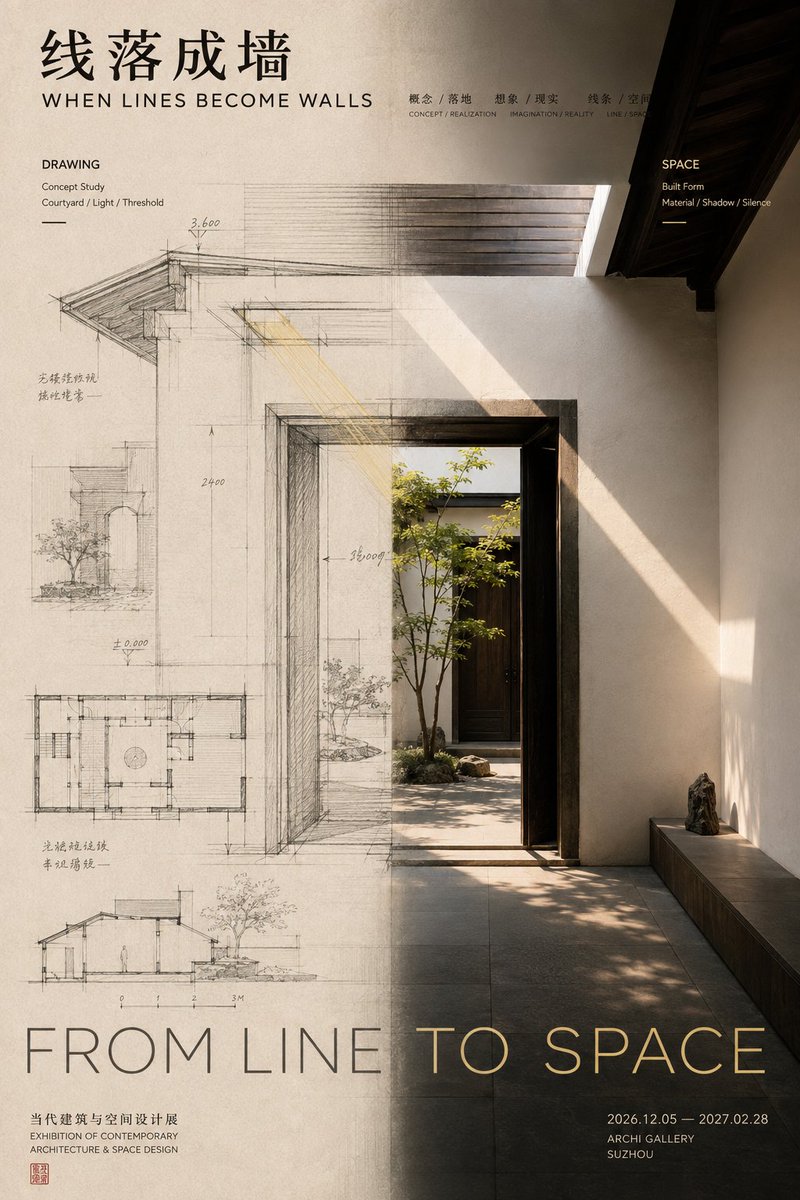
Conceptual Editorial Poster Design Framework
A complex instructional prompt for creating split-screen editorial posters that demonstrate a transition or transformation between two states.
Dies ist ein GPT Image 2 -Prompt für Grafik & Poster . Verwenden Sie den unten stehenden, kopierfertigen Prompt, um ähnliche Grafiken zu erstellen, und überprüfen Sie vor der Wiederverwendung Awesome GPT Image 2 Prompts -Quellenangaben sowie die kommerziellen Nutzungsrechte.
Free 1K preview
Generate one preview image instantly, no sign-up required.
Free text preview doesn’t preserve reference-image consistency.
Eingabeaufforderung
Kopierfertige Eingabeaufforderung
[Theme / Work Title]: {argument name="subject" default="____"}
[Left Status]: {argument name="left state" default="____"}
[Right Status]: {argument name="right state" default="____"}
[Relationship Type]: Before & After / Concept & Finished Product / Source & Spread / Entity & Transformation / Other
[Axis Change]: ____ → ____ → ____
[Chinese Title]: ____
[English Title]: ____
[Main Color Tone]: ____
[Secondary Color Tone]: ____
[Aspect Ratio]: 9:16

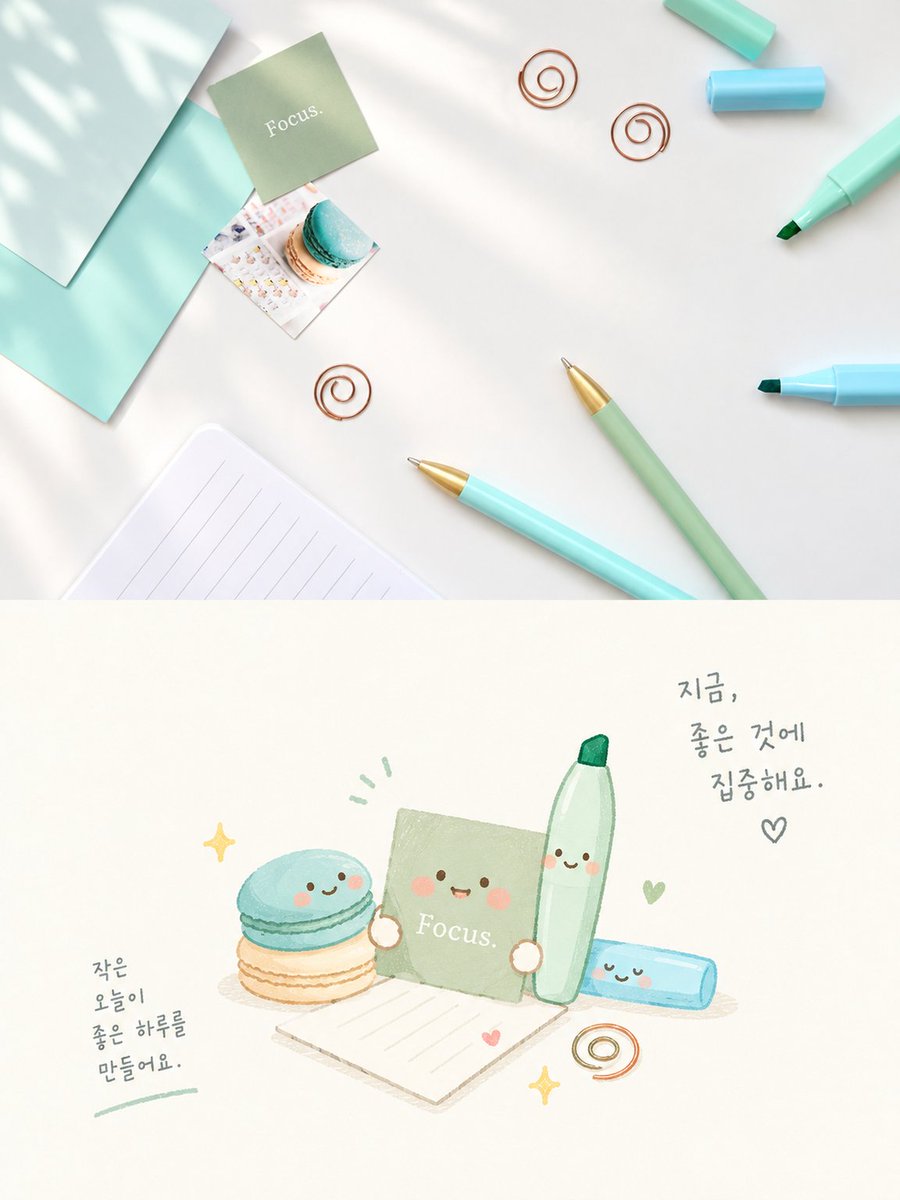
Generate an editorial design poster with exhibition visual quality, using a left-right composition.

Don't simply divide the screen into two columns; let the left and right visual areas express different states of the same theme, with the "middle boundary" being the actual point of change.

Use unequal proportional layouts (40:60, 45:55, 55:45) for the left and right areas based on the theme's weight, avoiding a mechanical 50:50 split. Establish a starting point or initial state on the left, and showcase the transformed result on the right.

The most crucial part is the axis transformation. Avoid rigid vertical lines; instead, choose a core element that runs through both areas and continuously changes as it crosses the axis (e.g., petals turning into stitches, a sketch becoming a real wall).

The layout should participate in this relationship, but all text must belong to the work itself. Control the colors to 2-4 main tones. The final reading order should guide the audience from the two states to the connection/change, and ultimately understand the cause and effect.
Eingabeaufforderungsvariablen
In der Eingabeaufforderung befinden sich bearbeitbare Argumentplatzhalter mit ihren Standardwerten.
Best for
- - Grafik & Poster visual exploration
- - Image generation and reference-image edits
- - Reusable briefs that keep source attribution visible
Change these parts
- - Subject, product, character, or scene
- - Aspect ratio, camera, lighting, and background
- - Brand, text, color, and output constraints
Recommended model and settings
- - Model: gpt-image-2
- - Input mode: Bild zu Bild
- - Aspect ratio: source
- - Commercial status: review original source
How to use this prompt
- 1. Copy the prompt and preserve its structure for the first test.
- 2. Replace the subject, context, and publishing channel.
- 3. Change one camera, lighting, or style variable per iteration.
- 4. Inspect the output, source, text, and rights before reuse.
Limitations, source, and reuse cautions
- - Generated output is an editable draft, not factual, legal, or rights evidence.
- - Review the linked source, people, brands, logos, text, and third-party media before commercial use.
Weitere Fälle in dieser Kategorie
Priorisiert nach Kategorie, Kompatibilität der Eingabemodi, Qualität und geringerem Risiko.

Hinweise zur Wiederverwendung und Quellenangabe
Verwenden Sie diese Eingabeaufforderung sicher, nachdem Sie den Fall in der Vorschau angezeigt haben.
- 1.Kopieren Sie die Eingabeaufforderung oder öffnen Sie sie direkt in Dovoo mit der Schaltfläche „Generieren“.
- 2.Passen Sie Variablen, Seitenverhältnis und Referenzbilder an Ihren Anwendungsfall an.
- 3.Vor der Veröffentlichung oder kostenpflichtigen Nutzung sollten Sie die Rechte an der Quelle, die Anforderungen an die Namensnennung sowie die Risiken für die Marke oder das Abbild prüfen.