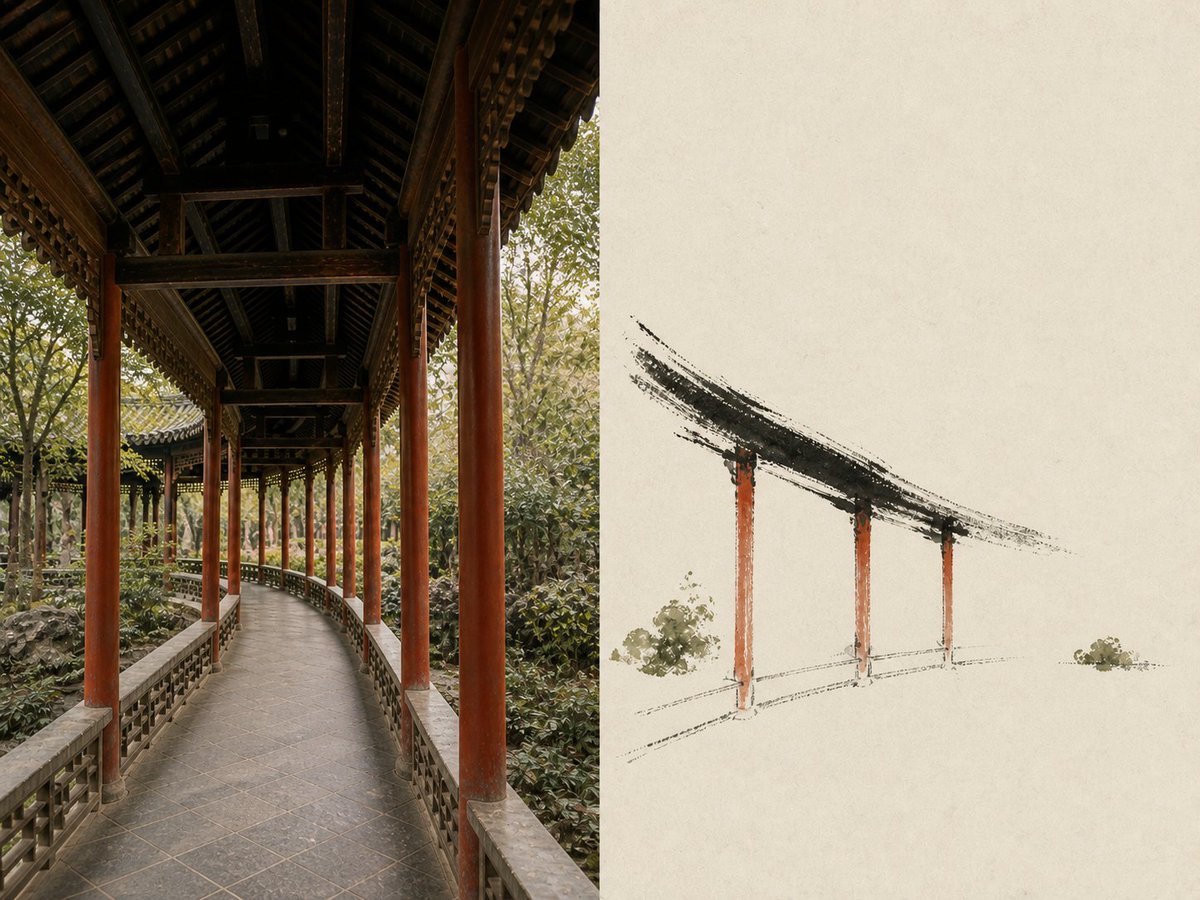
Travel Observation Archive Poster
A complex instructional prompt for creating a two-part travel poster: the top featuring enhanced original photography and the bottom showcasing a pencil sketch observation archive of the same scene.
Dette er et GPT Image 2 -eksempel på en prompt for Grafik og plakat . Brug den kopieringsklare prompt nedenfor til at generere lignende visuelle elementer, og gennemgå Awesome GPT Image 2 Prompts -kreditering samt kommercielle brugsrettigheder før genbrug.
Har du brug for det fulde promptsæt? Brug Grafik og plakat emnehub for flere relaterede eksempler, eller åbn GPT Image 2 hurtig katalog for det fulde eksempelindeks, genanvendelige strukturer og kildeattribution.
Free 1K preview
Generate one preview image instantly, no sign-up required.
Free text preview doesn’t preserve reference-image consistency.
3881/4000
Hurtig
Klar til kopiering
Please turn each photo I upload into an independent 'Travel Observation Archive' design poster, without any multi-image collage, outputting each photo separately. The overall layout uses a 2:3 vertical composition, consisting of two corresponding areas. The upper real-life photography takes up about 43% of the frame, and the lower travel observation archive takes up about 57%. The boundary is clear and straight, without using torn paper, gradient blending, or decorative borders. ## Top: Real-life Photography Faithfully preserve the original photo, accurately maintaining the subject's identity, quantity, appearance, structure, posture, direction, terrain, buildings, roads, waters, spatial relationships, authentic materials, natural lighting, and original color atmosphere. Apply only restrained, exhibition-grade photographic color grading, moderately improving exposure, layering, clarity, and color unity to give it the quality of travel magazines, independent publications, and photography exhibitions. To fit the vertical format, natural cropping or reasonable extension of the sky, ground, water surface, and surrounding environment is allowed, but the subject must not be stretched, distorted, moved, replaced, or redesigned. If the original image contains fog, clouds, snow, or low light, preserve realistic weather characteristics, but do not let thick fog, milky airiness, or low contrast obscure the subject. The edges of the subject, key materials, and spatial layers must be clearly distinguishable. ## Bottom: Travel Observation Archive On warm off-white natural archival paper, redraw the same scene from the photo. First, identify the most travel-narrative visual anchor in the photo, such as: Boats, lighthouses, isolated houses, RVs, bridges, stations, pavilions, gatehouses, towers, roads, piers, or other subjects that represent the location and journey. Use this subject as the core of the lower observation drawing, maintaining its shape, proportion, direction, structural features, and its relationship with the environment so that it is instantly recognizable from the original photo. Use the following drawing language: - Pencil structural sketch - Dry ink lines - Fine but restrained cross-hatching - A small amount of low-saturation color extracted from the photo - Local paper transparency - Slight old archival grain - Fine leader lines and observation annotations - Dimension references, direction lines, and environmental records - Loose but accurate travel manuscript texture Do not make the bottom part a precise architectural CAD, engineering drawing, or dense scientific infographic. It should look like a page of private observation archives left by a traveler, architectural observer, or nature researcher, having a sense of knowledge but remaining quiet, poetic, and retaining plenty of white space. The main drawing of the lower subject should occupy the primary visual area. A few fine-line annotations can appear around it, pointing out important structures, natural features, and spatial relationships that actually exist in the photo. Set up 5 small observation panels of uniform size at the bottom, automatically selected based on the photo content: - Geographical location sketch - Terrain or skyline outline - Front or side view of the subject - Local structural cross-section - Observations of weather, water surface, clouds, vegetation, or roads All panels should be derived from the original photo content; do not add irrelevant structures out of thin air. ## Chinese Typography Based on the location, subject, and travel imagery in the photo, automatically generate: - A 2 to 6 character Chinese main title - Serial number, e.g., 'Number 01' - Four-digit year - A short, restrained, and evocative Chinese description - 3 to 4 items of scene information - 4 to 6 structural observation annotations - 5 bottom panel titles...
Best for
- - Grafik og plakat visual exploration
- - Image generation and reference-image edits
- - Reusable briefs that keep source attribution visible
Change these parts
- - Subject, product, character, or scene
- - Aspect ratio, camera, lighting, and background
- - Brand, text, color, and output constraints
Recommended model and settings
- - Model: gpt-image-2
- - Input mode: Billede til billede
- - Aspect ratio: source
- - Commercial status: review original source
How to use this prompt
- 1. Copy the prompt and preserve its structure for the first test.
- 2. Replace the subject, context, and publishing channel.
- 3. Change one camera, lighting, or style variable per iteration.
- 4. Inspect the output, source, text, and rights before reuse.
Limitations, source, and reuse cautions
- - Generated output is an editable draft, not factual, legal, or rights evidence.
- - Review the linked source, people, brands, logos, text, and third-party media before commercial use.
Importeret fra Awesome GPT Image 2 Prompts . Kreditering er påkrævet. Status for kommerciel brug er allowed ; gennemgå kilderettighederne før betalt brug.
Flere sager i denne kategori
Prioriteret efter kategori, kompatibilitet med inputtilstande, kvalitet og lavere risiko.
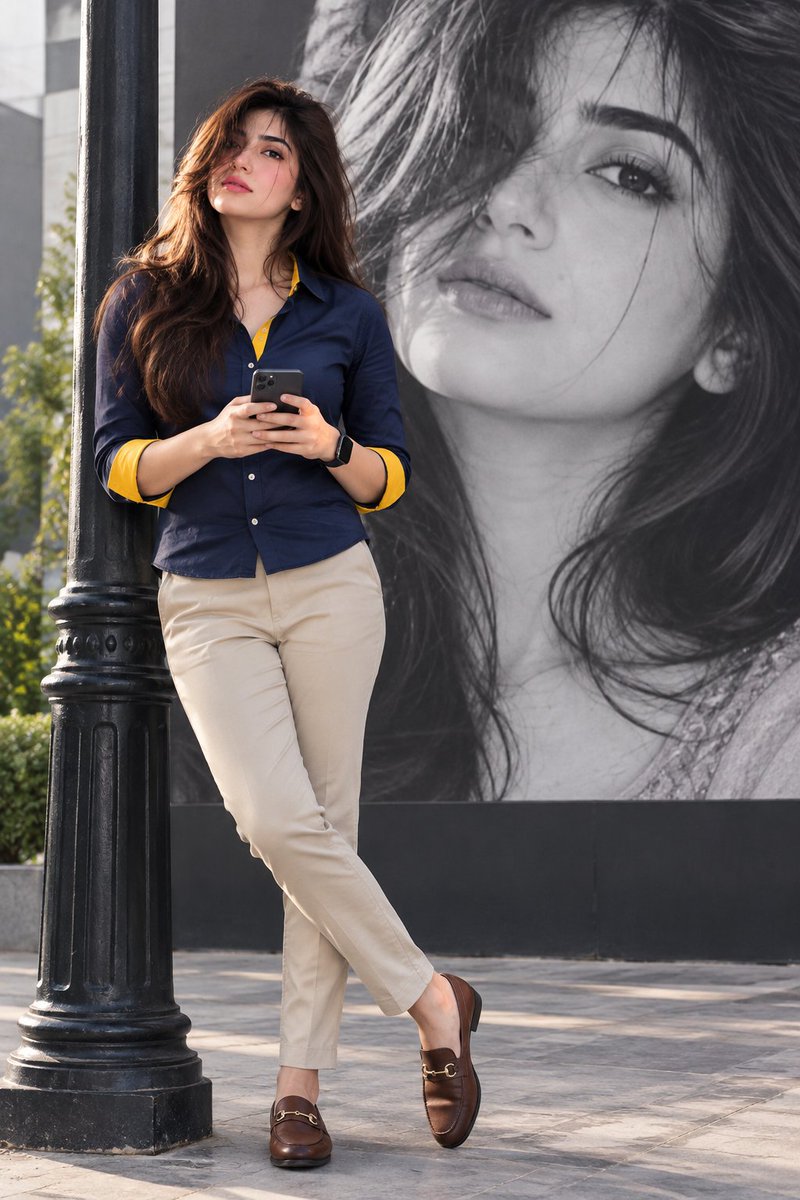
Stylish Man Street Lamp Portrait
Billede til billede
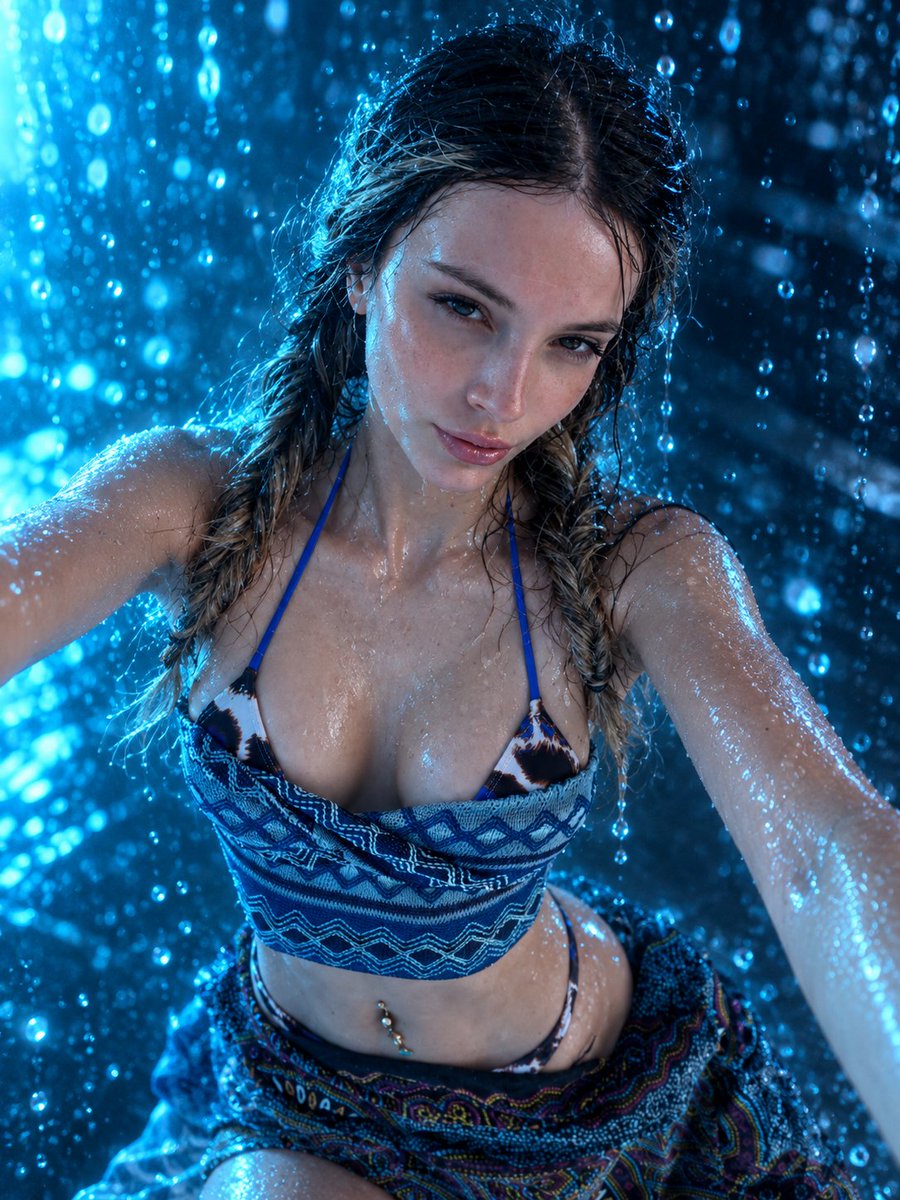
Sci-Fi Cyan Lighting Effect
Billede til billede
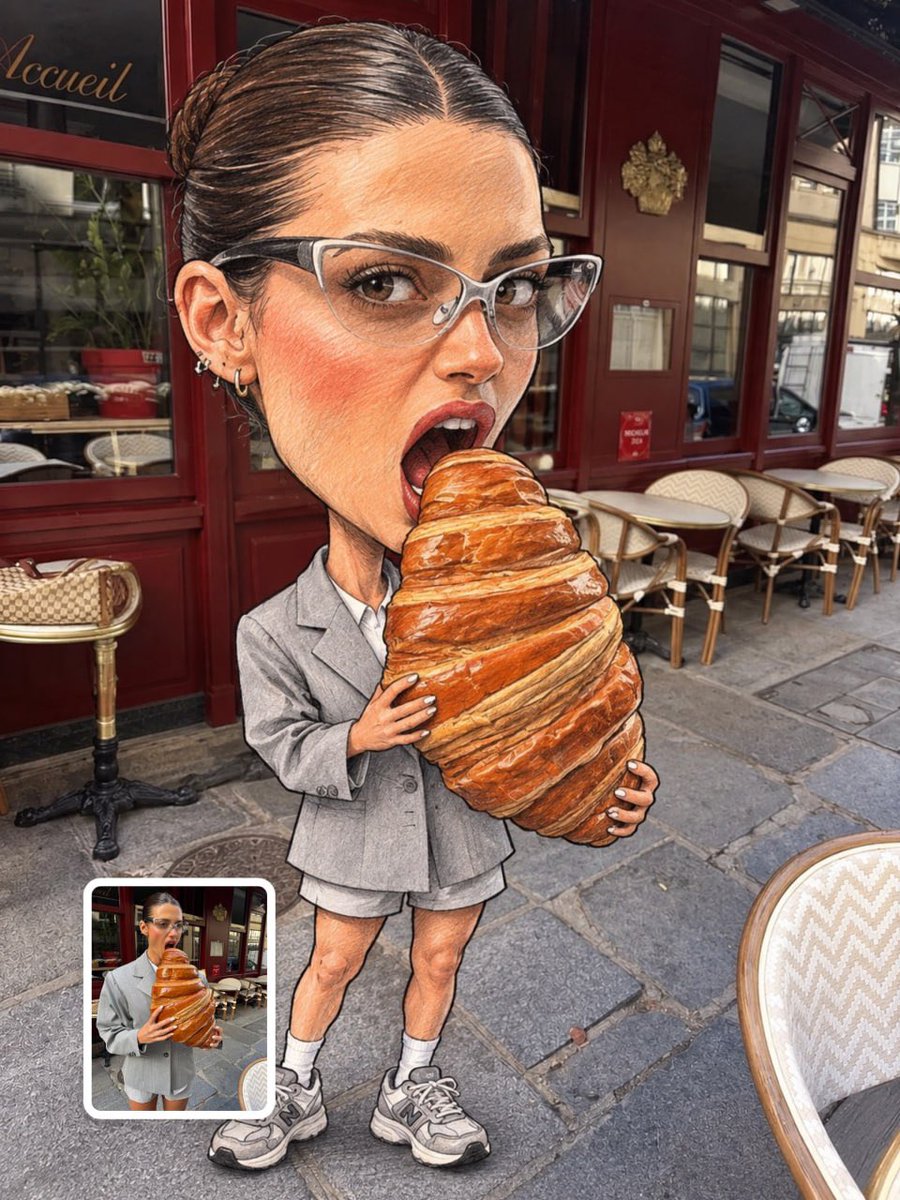
Oversized Head Cartoon Caricature Prompt
Billede til billedeMellem risiko
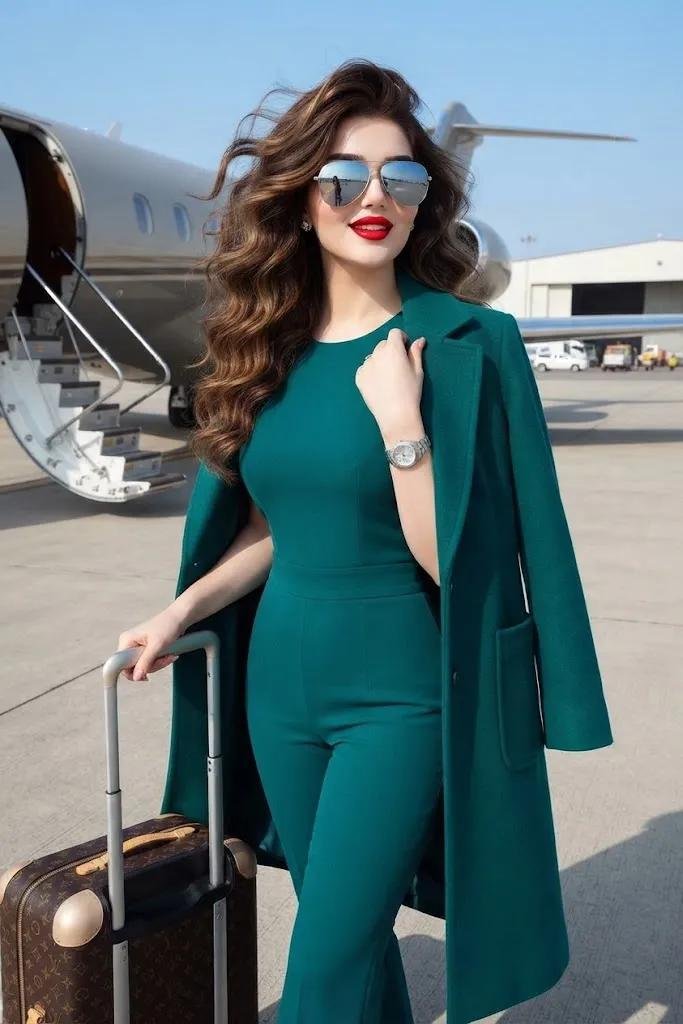
Luxury Travel Fashion Portrait Prompt
Tekst til billede
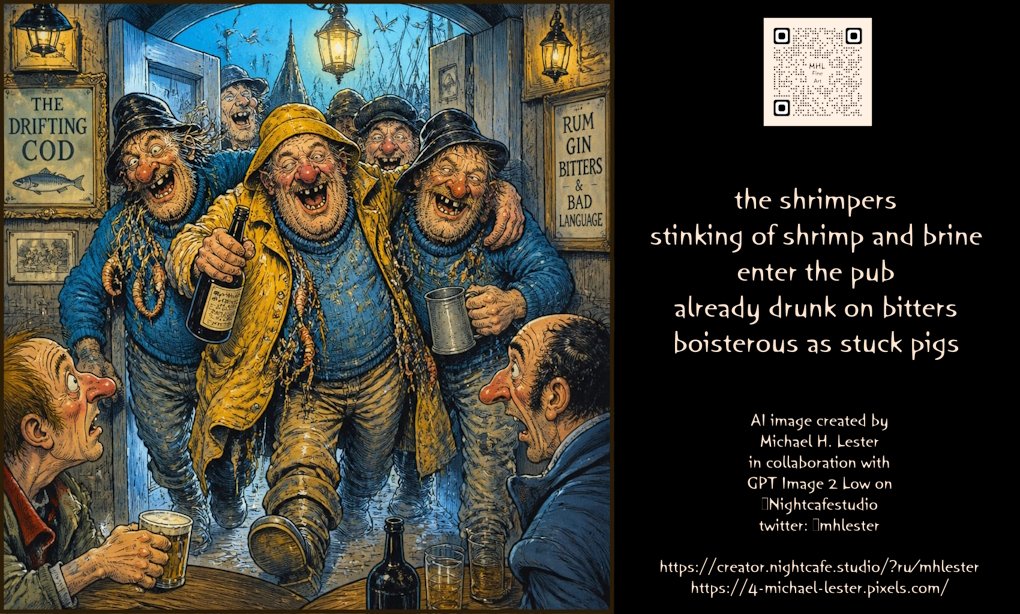
Boisterous Shrimpers Entering Pub
Tekst til billede
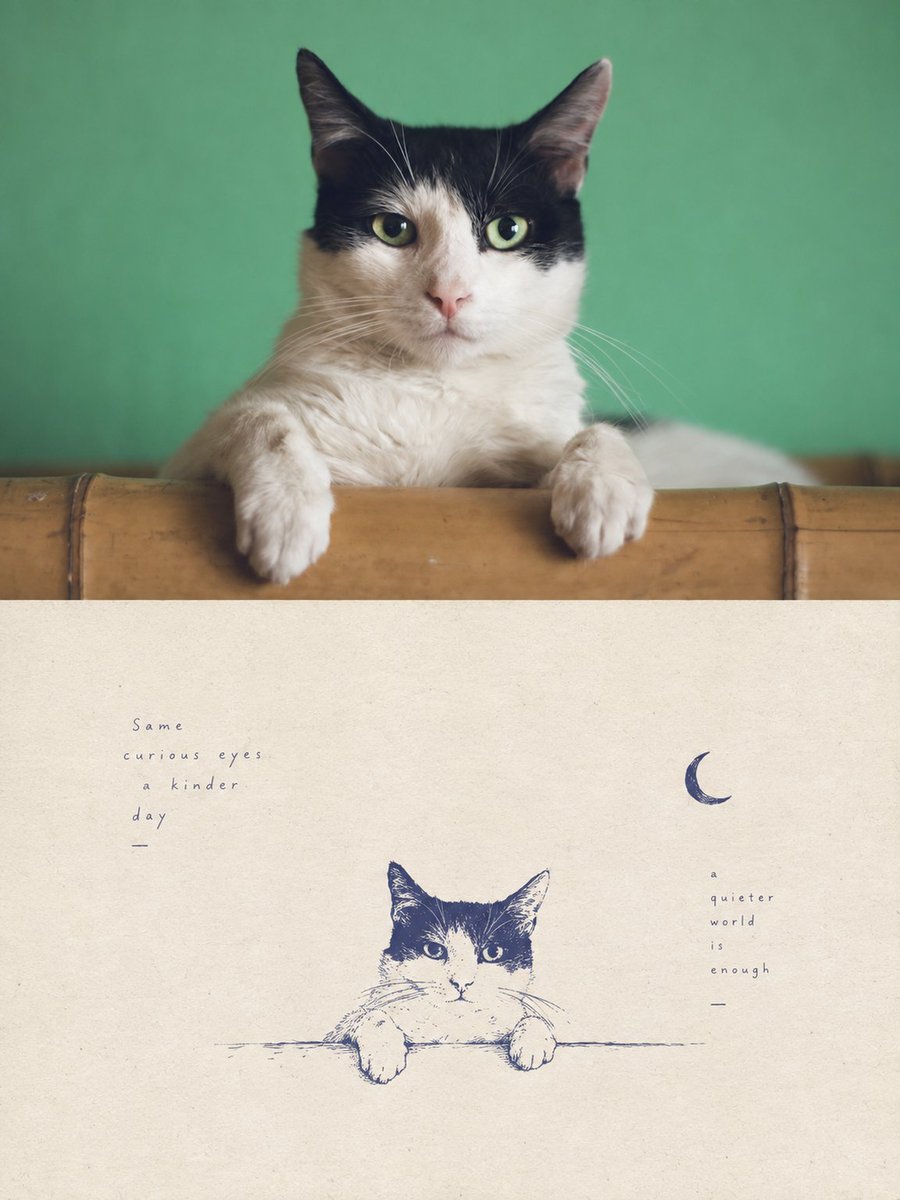
Tuxedo Cat Photo and Line Art Diptych
Tekst til billede
Genbrug og kildenoter
Brug denne prompt sikkert efter at have gennemgået sagen.
- 1.Kopier prompten, eller åbn den direkte i Dovoo med genereringsknappen.
- 2.Juster variabler, billedformat og referencebilleder til din egen brug.
- 3.Før udgivelse eller betalt brug skal du verificere kilderettigheder, krav til kreditering og risici forbundet med branding eller lighed.