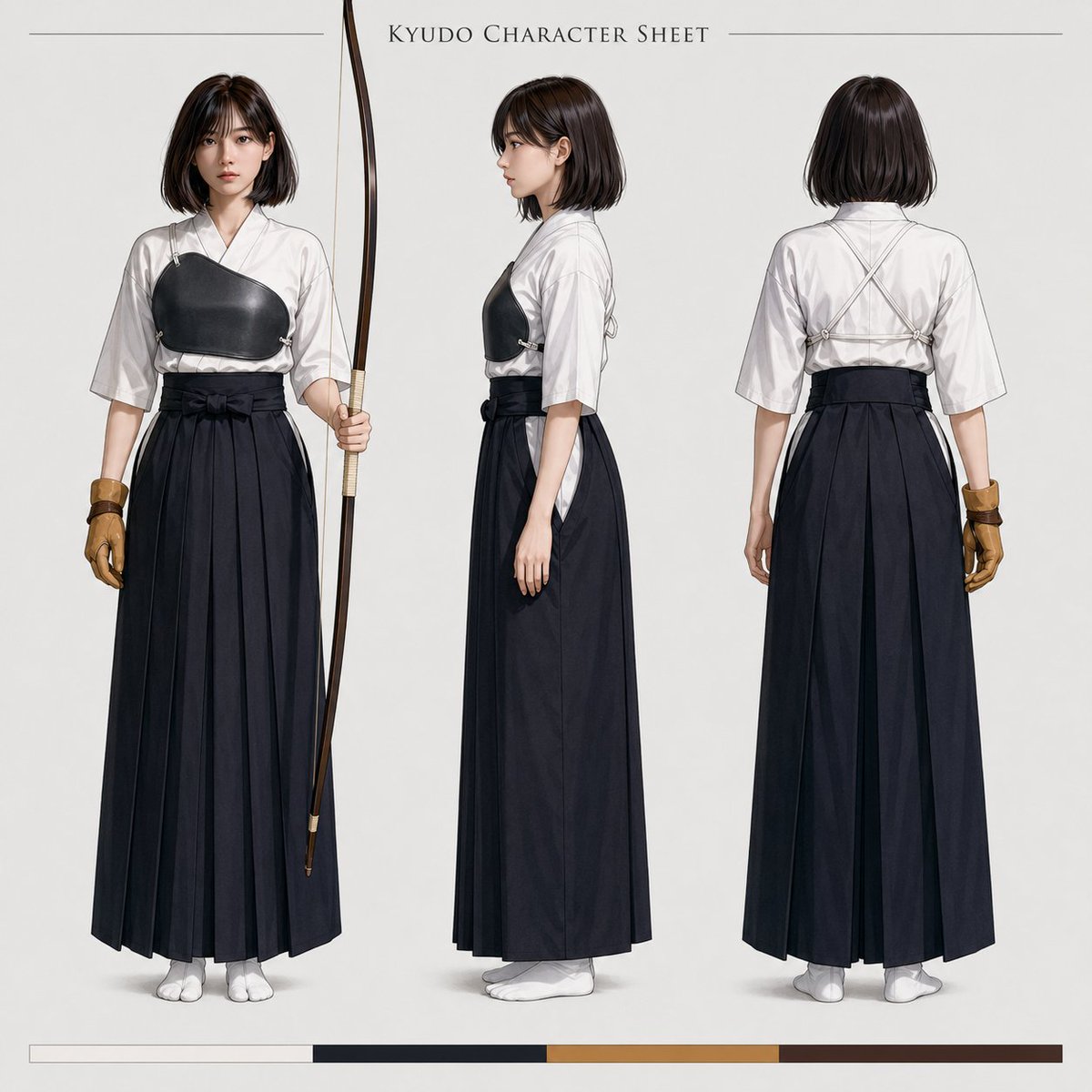
Kyudo Anime Character Sheet and Stage Setting
A professional-grade prompt set for generating consistent anime-style character sheets and background stages for Kyudo (Japanese archery) themes, optimized for video generation workflows.
Dette er et GPT Image 2 -eksempel på en prompt for Anime og spil . Brug den kopieringsklare prompt nedenfor til at generere lignende visuelle elementer, og gennemgå Awesome GPT Image 2 Prompts -kreditering samt kommercielle brugsrettigheder før genbrug.
Har du brug for det fulde promptsæt? Brug Anime og spil emnehub for flere relaterede eksempler, eller åbn GPT Image 2 hurtig katalog for det fulde eksempelindeks, genanvendelige strukturer og kildeattribution.
Free 1K preview
Generate one preview image instantly, no sign-up required.
Free text preview doesn’t preserve reference-image consistency.
4000/4000
Hurtig
Klar til kopiering
[Final Product] Use the single attached full-body reference image as the sole character reference to convert the subject into a high-quality anime character wearing dignified Kyudo attire while maintaining character identity. Create one 1:1 square practical character sheet that can be used for stable reference of the person, clothing, physique, and base color scheme in subsequent video generation. Stage settings are not handled by this sheet.

[Person Reference] Image A = 1 full-body reference image. Maintain the facial features, eyes, silhouette, nose, mouth, hairstyle, hair color, bangs, parting, physique, height, shoulder width, waist position, leg length, overall proportions, and character impression from Image A. Age and gender are not fixed in text but inherited from Image A. No excessive beautification, rejuvenation, alteration, face-shrinking, physique changes, or unnatural leg lengthening.

[Anime Conversion] Regardless of whether the reference is live-action or an illustration, unify the final character into a high-quality anime style. Ensure the face, hair, body, and clothing naturally blend into a consistent anime art style rather than an ambiguous semi-realistic expression.

[Hairstyle] Basically maintain the hairstyle, color, bangs, parting, and face-framing of Image A. Hair that is short to shoulder-length should remain as is; long hair should be naturally tied at a low position on the neck only if it would interfere with archery movements. Do not add large buns, high ponytails, or ornate hair ornaments not present in the reference.

[Kyudo Attire/Equipment] Do not style as simple practice wear; arrange as dignified Kyudo formal attire suitable for competition or performance. The basic set includes a white upper garment, black to dark blue hakama, obi, and white tabi socks, carefully depicting fabric layering, pleats, sleeves, and the drape of the hakama. The chest guard (muneate) must be consistent as the same equipment across front, side, and back views, with straps and support structures continuing naturally. Do not change the presence, shape, position, or fastening method of the chest guard between the three views. **The archer's glove (yugake) and wrist gear are worn on the RIGHT HAND ONLY. The left hand does not wear a glove in any of the three views. In the front view, the character holds a Japanese bow (Wakyu) with the left hand and wears a brown to ochre yugake on the right hand. In side and back views, the yugake must remain on the same right hand; do not perform changes such as horizontal flipping, swapping the wearing hand, bare hands in the side view, or adding it only in the back view. Glove shape, color, and wrist structure must match across all three views. Do not use purple, blue, or vivid accent colors.** The bow is clearly depicted as a Wakyu and held naturally in the left hand only in the front full-body view. In side and back views, the bow is removed to make the person, hair, and clothing structure easier to read.

[Sheet Composition] Align the front full-body, side full-body, and back full-body views of the same person in the same outfit at nearly the same scale and ground line, showing them from head to toe without cropping. The front view may be slightly larger, but do not treat side and back views as small decorations. Treat the three full-body views as the main focus of this sheet, completing the character information within these views. No face close-ups.

[Color Bar] Place a single thin horizontal 4-color proportional color bar in the bottom margin consisting of white tones, black to dark blue tones, warm tones from the glove, and dark brown tones from the hair or bow extracted from the finished character. Treat it as an auxiliary element to reinforce the character's basic color scheme and do not let it stand out more than the character. The bar should be stretched long horizontally at a low height and should not look like thick color swatches or an independent UI component. The four colors should be divided to reflect the color proportions of the character as a whole; do not include color names, HEX codes, explanatory text, or icons.

[Design/Layout] Unify the design to look like the same series as the stage setting sheet. Background is light gray near white. Place the title "KYUDO CHARACTER SHEET" at the top center with thin horizontal lines on either side. Align the front, side, and back full-body views in the center and place the thin proportional color bar at the bottom. Create design quality through the balance of margins, alignment of the three views, title, thin lines, and bottom color bar without adding extra decorative elements.

[Prohibitions] Face close-ups, multiple expression variations, action pose collections, tiny side/back views, stage backgrounds, long setting text, text other than the title, text-based decorations, thick/large color swatches, independent color chips, excessive Japanese patterns, family crests/bow-and-arrow icons, purple/blue wrist accents, **wearing the glove on the left hand, swapping hands for the glove between views**, fantasy elements, equipment unrelated to Kyudo, character alteration, or changes to hairstyle, physique, clothing, or gear between views.

[Priority] 1. Character identity, 2. Consistency of three views and practical utility for video reference, 3. Maintenance of physique and body proportions, 4. Consistent Kyudo attire, chest guard, and right-hand glove across three views, 5. Natural anime conversion, 6. Clarity of basic color scheme, 7. Unified design consistent with the stage setting sheet.

[Final Product] Create one high-quality anime-style Kyudo dojo stage setting sheet that can be used as a background and spatial reference for subsequent video generation. It does not handle character identity or Kyudo clothing; it organizes the same Kyudo dojo into backgrounds for the three main directions used in videos.

[Input Items] Aspect Ratio: [1:1]. Defaults to 1:1 if not entered.

[Basic Policy] Give top priority to practicality and reproducibility, unifying all three views as the same Kyudo dojo. Match the wood, pillars, floor, walls, ceiling, roof, target area, light direction, time of day, and color tone; do not change to different facilities, buildings, or designs. Fix the style as high-quality anime background art with clear morning to midday natural light and a quiet, calm Japanese atmosphere. Do not draw people.

[3-View Composition] 1. Top Main View: A standard view of the entire Kyudo dojo looking from the shooting area toward the target area. Use the top section largely to create a high-frontality composition where the line of sight from the shooter's position to the target, sense of distance, depth, and architectural structure on both sides are clear. 2. Bottom Left View: A side background that appears behind the person when filming the shooter from the side. Face the camera almost directly toward the side wall of the shooting area, creating a flat background centered on wooden floors, plaster walls, vertical pillars, and horizontal beams. Secure a wide blank wall surface where a person can be placed sideways. Do not include compositions showing a corridor receding, strong perspective, targets, windows, or recessed central wall structures. 3. Bottom Right View: A front background that appears behind the person when filming the shooter from the front. Make the symmetry high and provide a recessed rectangular blank wall section in the center surrounded by pillars and beams. Ensure enough space in the center to place a person front-facing, and keep the left and right simple with plaster walls and wood. Do not include windows, hanging scrolls, frames, or text decorations. Distinguish it clearly from the bottom-left view by providing a shallow depth in the center rather than a simple flat wall.

[Text Elements] Do not include any text within the stage space. Do not place hanging scrolls, frames, signs, tags, posters, slogans, calligraphy, or text-based decorations. Use only the title "KYUDO STAGE SETTING SHEET" at the top center of the sheet, and do not include explanatory labels or numbers within each view.

[Layout] Place the title and thin horizontal lines at the top center. Place one main view in the top section and the side and front backgrounds in two equal-sized columns below. The sheet background is light gray near white. Arrange the margins and keep decorations to a minimum.

[Prohibitions] Architectural changes between the three views, turning views into different facilities, corridor/diagonal perspective compositions in the bottom-left view, making bottom-left and bottom-right views identical, placing targets on the side walls, people, windows, readable text, text-based decorations, atmospheric cuts of unknown purpose, excessive Japanese-style presentation, overly dramatic backlighting, dark lighting, or adding numerous extra views.

[Priority] 1. Consistency of the three views as the same Kyudo dojo, 2. The relationship between the shooting area and target area in the top view, 3. Flat side background for the bottom-left, 4. Front background with shallow central depth for the bottom-right, 5. Clear structural difference between the bottom left and right, 6. Reproducibility for video reference, 7. Sense of organization as a shared sheet.
Best for
- - Anime og spil visual exploration
- - Image generation and reference-image edits
- - Reusable briefs that keep source attribution visible
Change these parts
- - Subject, product, character, or scene
- - Aspect ratio, camera, lighting, and background
- - Brand, text, color, and output constraints
Recommended model and settings
- - Model: gpt-image-2
- - Input mode: Billede til billede
- - Aspect ratio: source
- - Commercial status: review original source
How to use this prompt
- 1. Copy the prompt and preserve its structure for the first test.
- 2. Replace the subject, context, and publishing channel.
- 3. Change one camera, lighting, or style variable per iteration.
- 4. Inspect the output, source, text, and rights before reuse.
Limitations, source, and reuse cautions
- - Generated output is an editable draft, not factual, legal, or rights evidence.
- - Review the linked source, people, brands, logos, text, and third-party media before commercial use.
Importeret fra Awesome GPT Image 2 Prompts . Kreditering er påkrævet. Status for kommerciel brug er allowed ; gennemgå kilderettighederne før betalt brug.
Flere sager i denne kategori
Prioriteret efter kategori, kompatibilitet med inputtilstande, kvalitet og lavere risiko.

Split Face Horror Transformation
Billede til billede
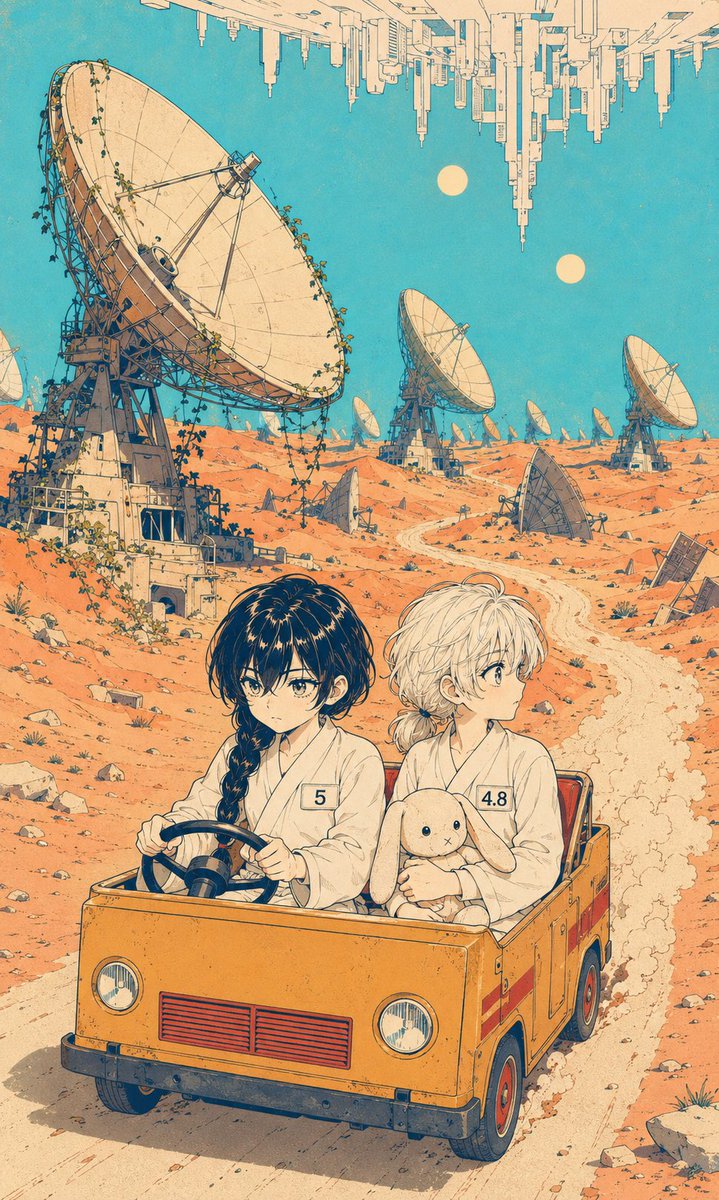
Manga Desert Radio Telescope Road Trip
Tekst til billede
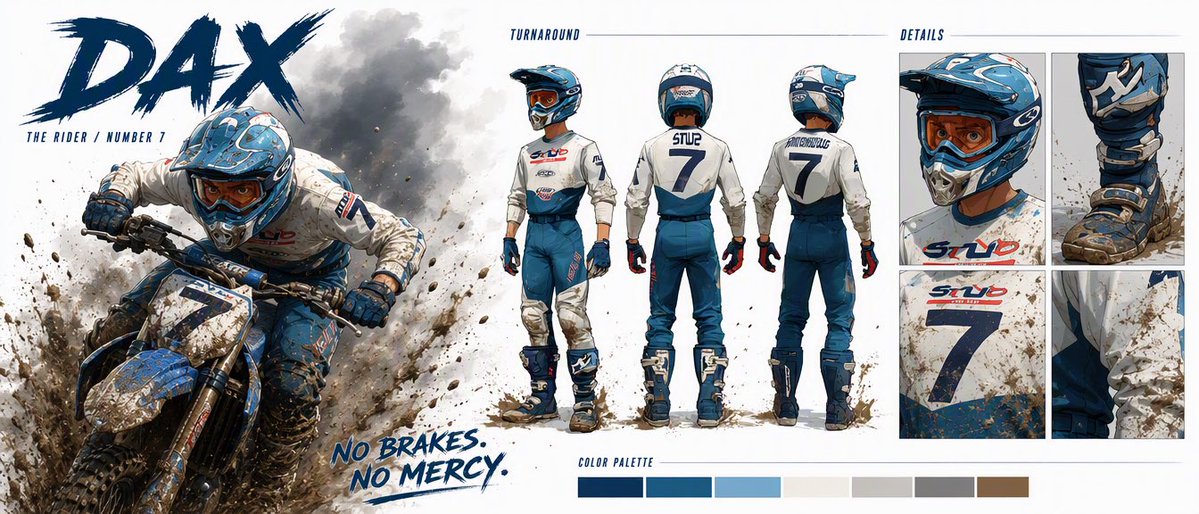
Dax Cinematic Character Bible Sheet
Billede til billede
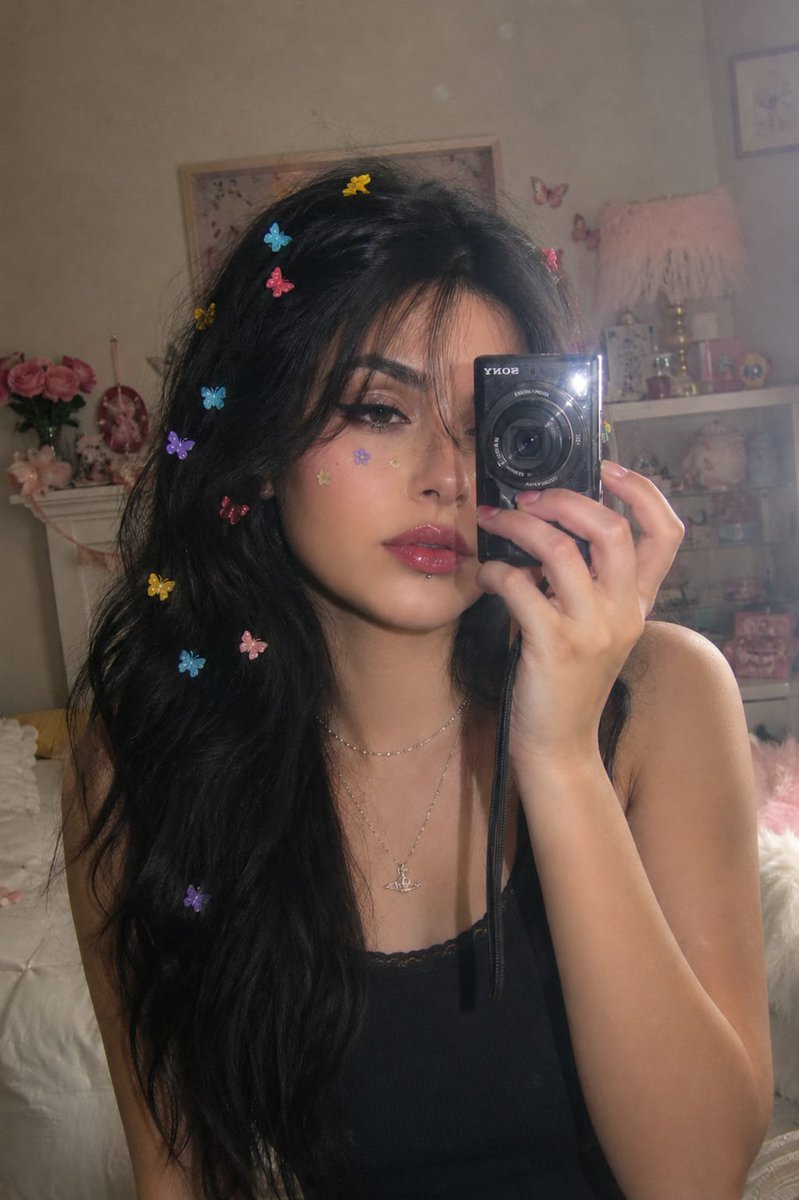
Vintage Digital Camera Mirror Selfie
Billede til billede
Multi-Pose Wavy Dark Hair Portrait
Billede til billede
Surreal Macro Fashion Illusion
Billede til billede
Genbrug og kildenoter
Brug denne prompt sikkert efter at have gennemgået sagen.
- 1.Kopier prompten, eller åbn den direkte i Dovoo med genereringsknappen.
- 2.Juster variabler, billedformat og referencebilleder til din egen brug.
- 3.Før udgivelse eller betalt brug skal du verificere kilderettigheder, krav til kreditering og risici forbundet med branding eller lighed.